Slimme thuisaudio-integratie: een complete gids
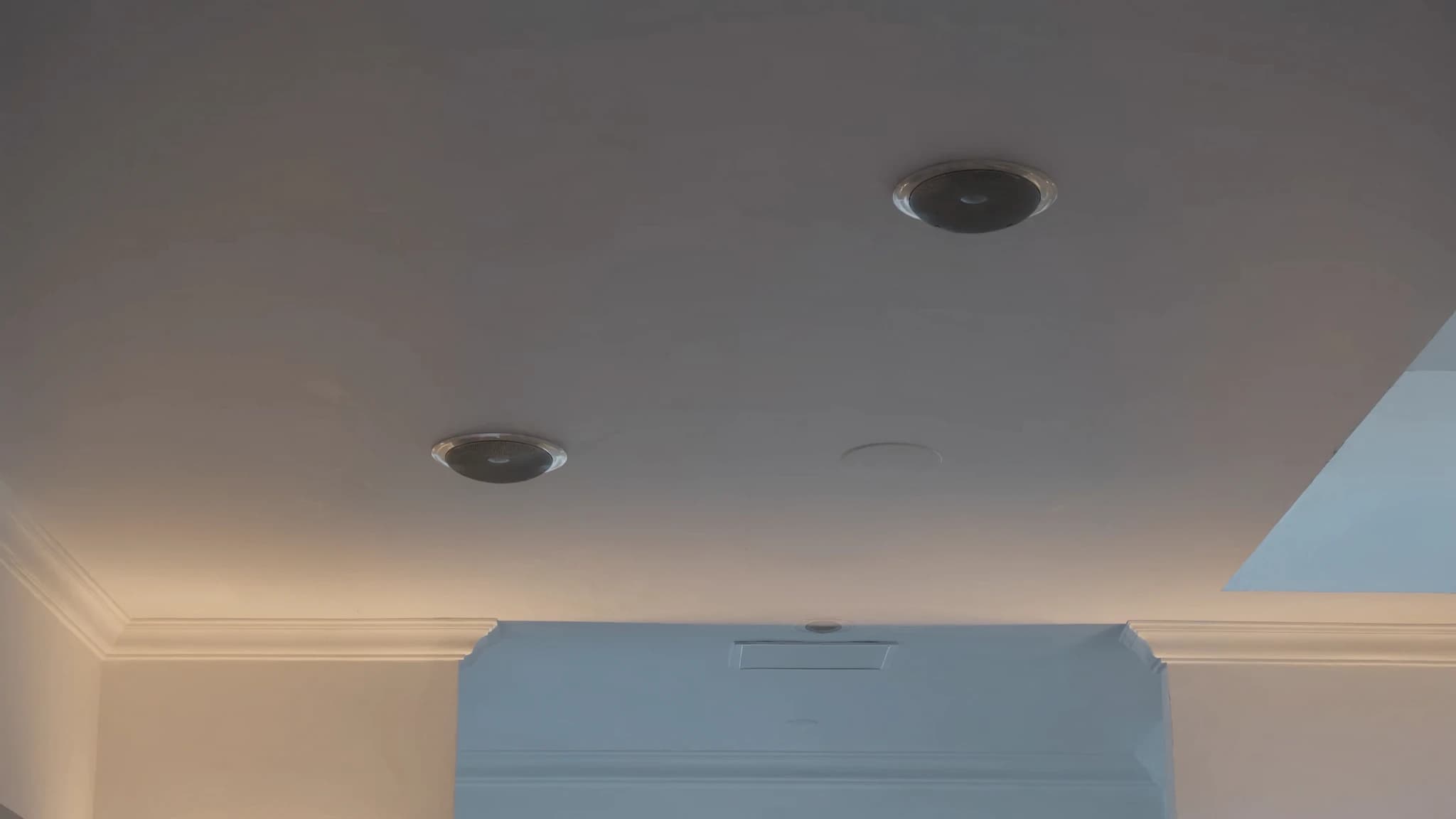
Slimme thuisaudio-integratie verandert de manier waarop u geluid ervaart, door streamingdiensten, spraakassistenten, multiroom-bediening en lichtscènes samen te brengen in één naadloos ecosysteem. Als professionele PA-fabrikant begrijpt SSOUNDS de techniek achter betrouwbare, hoogwaardige audio, of het nu voor een stadion of uw woonkamer is. Deze gids behandelt alles van plafondluidsprekers tot systeembetrouwbaarheid, zodat u een slimme audio-opstelling bouwt die presteert.
Belangrijkste punten
- Centraliseer streaming met een toegewijde audioserver of matrix voor flexibiliteit en kwaliteit.
- Gebruik aparte spraakassistent-apparaten om uw hoofdsysteem te bedienen; vermijd ingebouwde slimme luidsprekers voor kritisch luisteren.
- Investeer voor multiroom in een multizone-versterker en bekabeld netwerk voor betrouwbaarheid.
- Kies gesloten plafondluidsprekers met een juiste plaatsing voor schoon, consistent geluid.
- Integreer verlichting via een smart home-hub met IP- of potentialvrije triggers.
- Bouw een robuust netwerk met Ethernet, statische IP's en een UPS om uitval te voorkomen.
Streaming en bronbeheer
Het hart van elk slim audiosysteem is hoe u muziek naar uw luidsprekers krijgt. Moderne systemen ondersteunen streamingdiensten zoals Spotify, Apple Music, Tidal en Qobuz via Wi-Fi, Bluetooth of bekabelde verbindingen. Voor multiroom-opstellingen kunt u platforms zoals AirPlay 2, Google Cast of Sonos overwegen, maar deze beperken u vaak tot hun ecosysteem. Een flexibelere aanpak gebruikt een toegewijde audiomatrix of DSP (digital signal processor) die meerdere ingangen accepteert en deze naar zones distribueert.
SSOUNDS-engineers raden aan een gecentraliseerde audioserver of streamer te gebruiken (bijvoorbeeld een Bluesound Node of een pc met Roon) die is aangesloten op een meerkanaalsversterker. Dit geeft u lossless streaming, lage latentie en onafhankelijkheid van één enkele spraakassistent. Voor betrouwbaarheid bekabelt u uw netwerk. Ethernet is altijd beter dan Wi-Fi voor consistente streaming, vooral bij high-resolution audio.
Spraakassistenten en bediening
Spraakassistenten zoals Amazon Alexa, Google Assistant en Apple Siri voegen gemak toe, maar kunnen de audiokwaliteit aantasten als ze in goedkope slimme luidsprekers zijn ingebouwd. De betere aanpak: gebruik een toegewijd spraakassistent-apparaat (zoals een Echo Dot of Nest Mini) om uw hoofd-audiosysteem te bedienen via infrarood, Wi-Fi of een smart home-hub. Zo blijven uw primaire luidsprekers gericht op geluidskwaliteit.
Voor spraakbediening in het hele huis integreert u een microfoonarray in belangrijke ruimtes (bijvoorbeeld plafondmicrofoons) die naar een centrale processor gaan. SSOUNDS heeft met integrators samengewerkt om spraakbediening in grote locaties te implementeren; dezelfde principes gelden thuis: zorg dat microfoons uit de buurt van luidsprekers staan om feedback te voorkomen, en gebruik ruisonderdrukkende algoritmen. Voor privacy gebruikt u een fysieke mute-schakelaar of een systeem dat spraak lokaal verwerkt in plaats van in de cloud.
Multiroom-audio en zonebediening
Multiroom-audio laat u verschillende muziek in verschillende kamers afspelen of hetzelfde nummer overal synchroniseren. De belangrijkste componenten: een meerkanaalsversterker (of meerdere versterkers), een matrixschakelaar of DSP, en luidsprekers in elke zone. Plafondluidsprekers zijn populair vanwege hun discrete uiterlijk, maar inbouw- of boekenplankluidsprekers kunnen ook werken.
Voor naadloze multiroom gebruikt u een systeem dat onafhankelijk volume, bronkeuze en groepering ondersteunt. De aanpak van SSOUNDS voor grootschalige multizone-systemen gebruikt Dante- of AVB-netwerken voor distributie met lage latentie en veel kanalen; voor de meeste woningen is dat overkill, maar de betrouwbaarheidslessen gelden: gebruik een toegewijde netwerk-VLAN voor audio, vermijd het doorkoppelen van switches en sluit kabels correct af. Voor residentieel kunt u een commerciële versterker zoals een Sonance of een multizone-receiver van Denon of Yamaha overwegen.
Plafondluidsprekers: plaatsing en selectie
Plafondluidsprekers zijn de ruggengraat van veel slimme thuisaudiosystemen omdat ze in de architectuur verdwijnen. Belangrijke factoren: driverformaat (6,5 inch is een goede balans tussen laag en helderheid), tweetertype (soft dome voor vloeiende hoge tonen, metaal voor meer detail), en of ze een back can hebben (gesloten versus open achterkant). Luidsprekers met open achterkant koppelen met de plafondholte, wat het laag kan vertroebelen; gebruik gesloten back cans voor schoner geluid.
Plaatsing is belangrijk: voor stereobeeld plaatst u luidsprekers 6-10 voet uit elkaar en richt u ze naar het luistergebied. Voor achtergrondmuziek in het hele huis plaatst u ze in een raster 8-12 voet uit elkaar. Vermijd plaatsing nabij luchtroosters of lichtarmaturen. SSOUNDS-engineers raden aan een geluidsniveaumeter en roze ruis te gebruiken om niveaus tussen zones te balanceren. Als u in een nieuwbouw installeert, trek dan voorbedrading met CL2-geclassificeerde luidsprekerkabel en leg buizen aan voor toekomstige upgrades.
Verlichting en scène-integratie
Slimme audio wordt pas echt meeslepend als het synchroon loopt met verlichting. Een scène als 'Filmavond' kan bijvoorbeeld de lichten dimmen, het projectiescherm laten zakken en audio naar surround sound schakelen. Dit vereist een smart home-hub (zoals Hubitat, Home Assistant of Control4) die zowel met uw verlichting (Philips Hue, Lutron) als met uw audiosysteem communiceert.
Integratiemethoden: gebruik IP-bediening (uw audiosysteem heeft een REST API of telnet-commando's), infrarood (voor oudere apparatuur) of een potentialvrij relais (voor eenvoudig aan/uit). De DSP-platforms van SSOUNDS ondersteunen GPIO-triggers die lichtscènes kunnen afvuren op basis van audio-events, zoals een strobe op basklappen. Houd scènes voor betrouwbaarheid eenvoudig: test elke trigger afzonderlijk en gebruik indien mogelijk een bekabelde verbinding tussen hub en audiosysteem.
Betrouwbaar houden: netwerk en stroom
Niets verpest een smart home-ervaring zo erg als een systeem dat geen verbinding maakt of audio laat wegvallen. Begin met een solide netwerk: gebruik een toegewijde router voor IoT-apparaten, schakel multicast in voor streamingprotocollen en stel statische IP's in voor kritieke apparatuur (versterkers, streamers, hubs). Wi-Fi is handig maar gevoelig voor interferentie; voor permanente installaties trekt u Ethernet naar elke audiocomponent.
Stroomkwaliteit is belangrijk: gebruik een UPS (uninterruptible power supply) voor uw netwerkswitch en audioprocessor om herstarts tijdens spanningsdips te voorkomen. Beveilig alle apparatuur tegen piekspanningen. De ervaring van SSOUNDS in tourgeluid, waar betrouwbaarheid niet onderhandelbaar is, leert dat elke verbinding vergrendeld moet zijn (bijvoorbeeld Neutrik SpeakON voor luidsprekers, EtherCON voor netwerk). Gebruik thuis hoogwaardige banaanstekers of bindingsposts en label elke kabel.
Veelgestelde vragen
Kan ik mijn bestaande stereoversterker gebruiken met een smart home-systeem?
Ja, als het een afstandsbediening of IP-bediening heeft. Gebruik een slimme IR-blaster (zoals Broadlink) of een Wi-Fi-schakelaar om het aan/uit te zetten. Voor volumeregeling is mogelijk een gemotoriseerde potentiometer of een slimme voorversterker nodig.
Wat is de beste manier om muziek vertragingsvrij tussen kamers te synchroniseren?
Gebruik een bekabeld netwerk en een protocol zoals AirPlay 2, Google Cast of een toegewijd multiroom-systeem van Sonos, Denon HEOS of Bluesound. Voor professionele synchronisatie gebruikt u Dante of AVB met een masterklok.
Heb ik een subwoofer nodig bij plafondluidsprekers?
Plafondluidsprekers missen doorgaans diep laag. Een subwoofer (bekabeld of draadloos) voegt impact toe voor films en muziek. Plaats hem in een hoek of langs een muur voor de beste respons.
Hoe bedien ik audio via meerdere spraakassistenten?
Houd vast aan één ecosysteem (bijvoorbeeld alles Google of alles Alexa) om conflicten te voorkomen. Gebruik een hub die meerdere assistenten ondersteunt als dat nodig is, maar verwacht enkele integratie-eigenaardigheden.
Welke luidsprekerdraaddikte moet ik gebruiken voor lange afstanden?
Voor lengtes tot 50 voet is 16 AWG prima. Voor 50-100 voet gebruikt u 14 AWG. Boven 100 voet gebruikt u 12 AWG of overweegt u een gedistribueerd audiosysteem met lokale versterkers.
Een systeem bouwen of upgraden?
SSOUNDS ontwerpt en produceert professionele PA wereldwijd, van een enkele ruimte tot stadionformaat.