Multiroom-audiosystemen: een complete gids
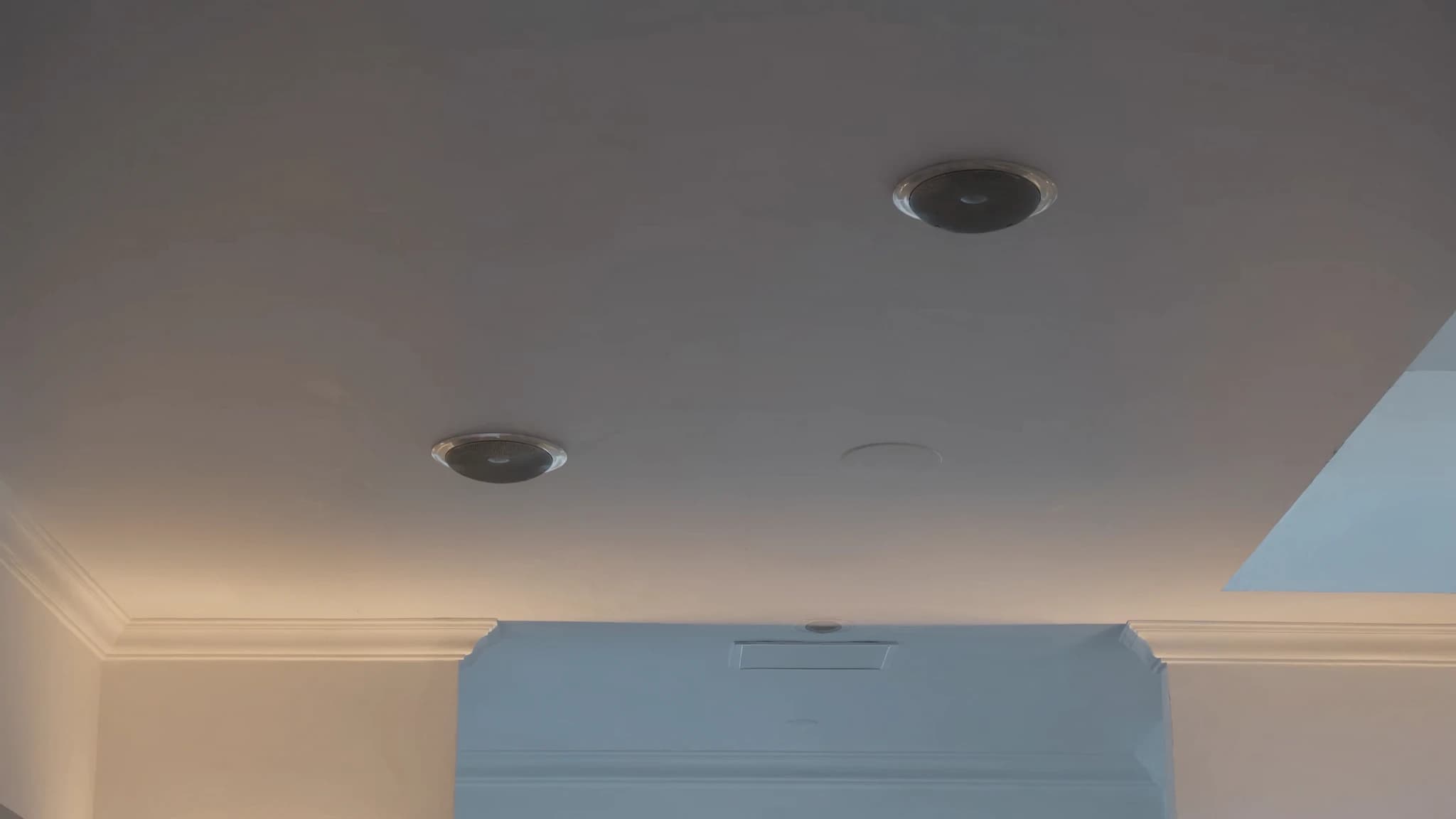
Multiroom-audiosystemen veranderen hoe u geluid thuis ervaart, met verschillende muziek in verschillende kamers of hetzelfde nummer door het hele huis. Deze gids behandelt de belangrijkste keuzes, bekabeld versus draadloos, versterkertopologieën, luidsprekertypes en bediening, zodat u een systeem kunt plannen dat professionele prestaties en naadloos luisterplezier levert.
Belangrijkste punten
- Bekabelde systemen bieden superieure betrouwbaarheid, latentie en audiokwaliteit voor audio in het hele huis.
- Matrixversterkers vereenvoudigen routing en schaalvergroting in vergelijking met versterker-per-zone-opstellingen.
- Plafondluidsprekers met kantelbare tweeters en juiste spreiding zorgen voor gelijkmatige dekking.
- Bedieningsapps moeten responsief zijn, groepering ondersteunen en offline werken.
- Plan voor toekomstige uitbreiding door tijdens de bouw extra kabels en buizen te trekken.
- Professionele componenten bieden betere prestaties, duurzaamheid en ondersteuning.
Bekabeld versus draadloos: uw backbone kiezen
Bekabelde systemen gebruiken speciale luidsprekerkabels die van een centrale versterker of matrix naar elke zone lopen. Ze bieden ongecomprimeerde audio, nul latentie en absolute betrouwbaarheid, ideaal voor installaties in het hele huis waar prestaties belangrijk zijn. Draadloze systemen (Wi-Fi of Bluetooth) zijn eenvoudiger achteraf te installeren, maar kunnen last hebben van interferentie, compressie en synchronisatievertragingen. Voor een permanente multiroom-opstelling met hoge trouw is bekabeld de professionele standaard.
Draadloze platforms zoals Sonos, AirPlay en Chromecast zijn handig voor casual luisteren, maar ze introduceren variabele latentie tussen zones en zijn afhankelijk van netwerkstabiliteit. Een bekabeld systeem met een centrale matrix-switcher daarentegen zorgt ervoor dat elke zone hetzelfde zuivere signaal ontvangt, met onafhankelijke volumeregeling en bronkeuze per kamer.
Streamingplatforms en bronintegratie
Moderne multiroom-systemen integreren streamingdiensten (Spotify, Tidal, Apple Music, Qobuz) via netwerkaudios pelers of ingebouwde streamers. Een centraal bedieningssysteem, zoals een speciale app of touchpanel, laat u zones groeperen, het volume aanpassen en bronnen selecteren vanaf elke locatie. Zorg voor high-resolution audio dat uw streamer lossless codecs (FLAC, ALAC) en een uitgang met lage jitter ondersteunt.
Overweeg een hybride aanpak: gebruik een bekabelde matrix voor primaire zones (woonkamer, terras) en draadloze endpoints voor secundaire ruimtes (badkamer, keuken) waar gemak boven ultieme trouw gaat. Veel matrixversterkers bevatten ingebouwde streamingmodules, wat bronbeheer vereenvoudigt.
Versterker-per-zone versus matrixversterkers
Een versterker-per-zone-systeem gebruikt aparte stereoversterkers voor elke kamer, elk gevoed door een bron. Dit is eenvoudig maar schaalt slecht: u heeft meerdere versterkers en bronapparaten nodig. Een matrixversterker (bijv. 8 zones, 16 zones) combineert meerdere versterkerkanalen met een ingebouwde audiomatrix, waardoor elke bron naar elke zone kan worden gerouteerd. Dit vermindert apparatuur, vereenvoudigt bekabeling en maakt geavanceerde functies mogelijk zoals synchronisatie in het hele huis en onafhankelijke volumeregeling.
Matrixversterkers bevatten vaak DSP per zone, zodat u elke kamer kunt EQ'en voor optimaal geluid. Voor grote installaties integreert een matrix met Ethernet-bediening (bijv. via RS-232 of IP) met domoticasystemen zoals Crestron of Control4.
Plafondluidsprekers: selectie en plaatsing
Plafondluidsprekers zijn de meest discrete optie voor multiroom-audio. Zoek naar modellen met kantelbare tweeters om het geluid naar de luisterplek te richten, en overweeg open-back versus gesloten-behuizingontwerpen. Open-back luidsprekers koppelen met de plafondholte voor betere bas, maar vereisen akoestische behandeling; gesloten-behuizingluidsprekers zijn eenvoudiger te installeren in geïsoleerde plafonds.
Voor consistente dekking plaatst u luidsprekers 8 tot 12 voet uit elkaar in een rasterpatroon. Voeg in grote kamers een subwoofer toe voor laagweergave. Professionele plafondluidsprekers van SSOUNDS hebben weerbestendige conussen en een hoog vermogen, wat zorgt voor helder, volledig bereik geluid, zelfs in uitdagende omgevingen.
Bedieningsapps en gebruikerservaring
Een goed multiroom-systeem is onzichtbaar totdat u de muziek wilt veranderen. Bedieningsapps (iOS/Android) moeten zones kunnen groeperen, het volume per kamer aanpassen en bronnen kunnen browsen met minimale latentie. Zoek naar apps die offline modus en lokale netwerkbediening (geen cloudafhankelijkheid) ondersteunen voor betrouwbaarheid.
Geavanceerde systemen bieden spraakbediening (Alexa, Google Assistant), fysieke toetsenpanelen in elke kamer en integratie met verlichting en HVAC. Kies voor de beste ervaring een systeem met een speciale controller die niet afhankelijk is van een telefoon; gasten kunnen een wandgemonteerd touchscreen gebruiken.
Uw multiroom-systeem plannen: een stapsgewijze aanpak
1. Breng uw zones in kaart: noteer elke kamer waar u audio wilt. Geef prioriteit aan zones die onafhankelijke volume- en bronregeling nodig hebben. 2. Kies bekabeld of draadloos: trek voor nieuwbouw luidsprekerdraad naar elke zone. Overweeg voor renovaties een hybride met bekabelde primaire zones. 3. Selecteer een matrixversterker: bepaal het aantal zones en bronnen. Een 6-zone matrix met 4 stereo-ingangen is een gangbaar startpunt. 4. Kies luidsprekers: plafondluidsprekers voor algemeen luisteren, in-wall voor speciale luisterruimtes en buitenluidsprekers voor terrassen. 5. Plan de bediening: beslis tussen alleen een app of wandpanelen. 6. Denk aan toekomstige uitbreiding: laat extra buizen en trekkabels achter voor extra zones.
Waarom professionele kwaliteit belangrijk is
Consumenten-multiroom-systemen schieten vaak tekort op vermogen, audiokwaliteit en schaalbaarheid. Professionele componenten, zoals SSOUNDS multi-zone versterkers en plafondluidsprekers, leveren hogere SPL, lagere vervorming en een bredere frequentierespons. Ze bieden ook robuuste ondersteuning, firmware-updates en integratie met commerciële automatiseringssystemen. Investeer voor een systeem dat decennia meegaat in apparatuur die is ontworpen voor continu gebruik en veeleisende luisteraars.
Veelgestelde vragen
Kan ik bekabelde en draadloze zones in hetzelfde systeem combineren?
Ja, veel matrixversterkers hebben line-level uitgangen die draadloze streamers of actieve luidsprekers kunnen aansturen, wat een hybride aanpak mogelijk maakt.
Hoeveel zones kan een typische matrixversterker ondersteunen?
Gangbare matrixversterkers variëren van 4 tot 16 zones. Voor grotere woningen kunt u meerdere matrices cascaderen of een gecentraliseerde DSP met gedistribueerde versterking gebruiken.
Heb ik in elke zone een subwoofer nodig?
Niet per se. Plafondluidsprekers met een goede laagweergave (tot 50 Hz) volstaan voor achtergrondmuziek. Voeg voor speciale luisterruimtes een subwoofer toe.
Wat is de beste manier om het volume in elke kamer te regelen?
Inbouwvolumeknoppen (met impedantieaanpassing) zijn eenvoudig maar beperken de bronkeuze. Een matrix met app-bediening of toetsenpanelen biedt onafhankelijk volume en bronkeuze per zone.
Kan ik mijn bestaande stereoversterker met een multiroom-systeem gebruiken?
Ja, u kunt een stereoversterker op één zone van een matrix aansluiten als versterkte uitgang, maar u verliest onafhankelijke volumeregeling tenzij u een voorversterker of volumeregelaar toevoegt.
Een systeem bouwen of upgraden?
SSOUNDS ontwerpt en produceert professionele PA wereldwijd, van een enkele ruimte tot stadionformaat.