AI for Accessibility at Live Events
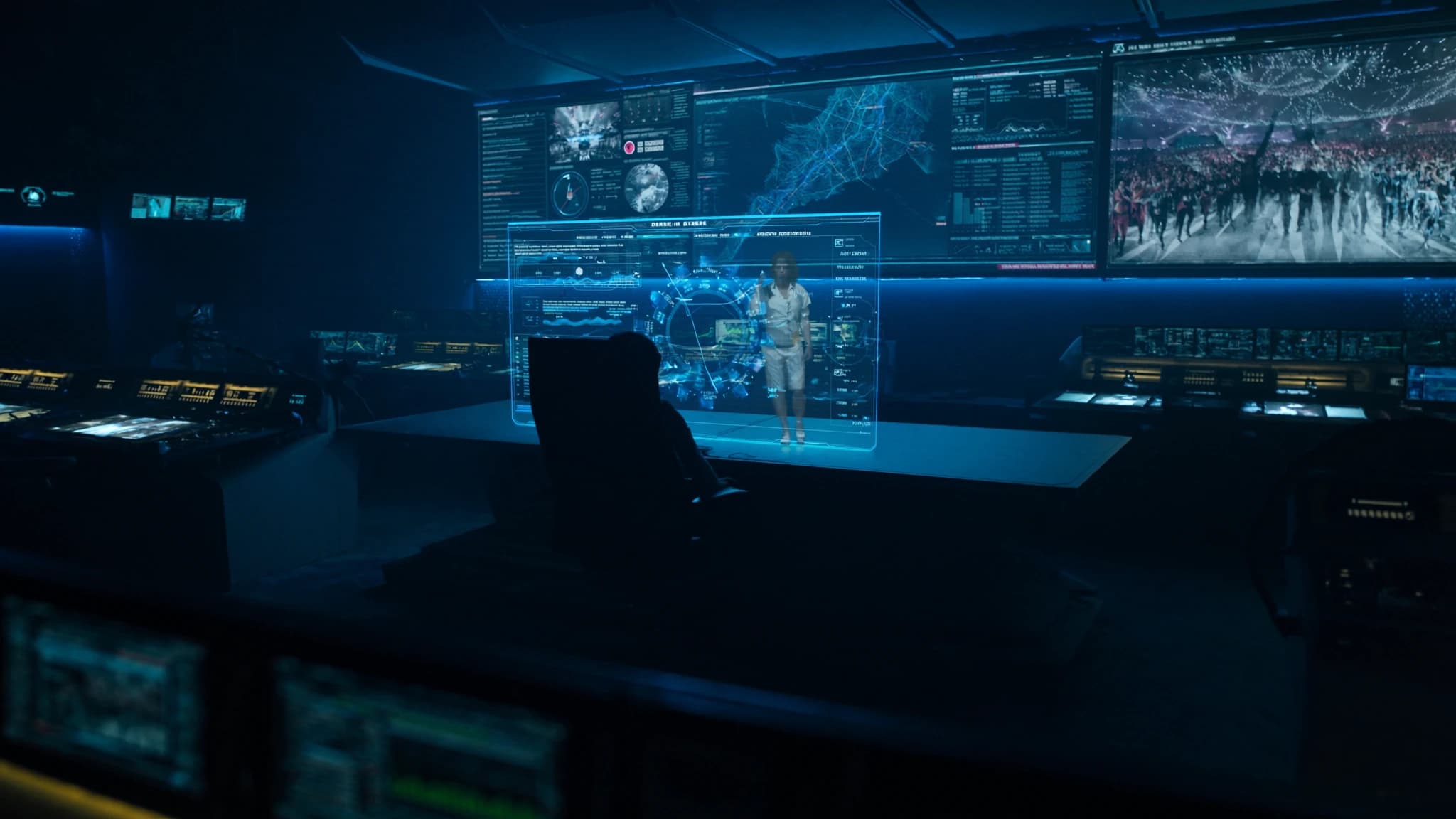
Live events are becoming more inclusive as AI-powered accessibility tools break down barriers for attendees with disabilities. From real-time captioning and audio description to sign-language avatars and intelligent assistive listening, SSOUNDS integrates these technologies to ensure every audience member experiences the full impact of a performance. This guide explores how AI is transforming accessibility at live events and how professional audio systems support these innovations.
Key takeaways
- AI-powered captioning, audio description, and sign-language avatars make live events more inclusive for attendees with disabilities.
- High-quality audio feeds from professional systems like SSOUNDS are critical for AI accuracy and low latency.
- Assistive listening systems can be optimized with AI to adapt to individual hearing profiles and room acoustics.
- Integration requires clean microphone feeds, low-latency DSP, and thorough testing with users.
- SSOUNDS’ networked audio architecture supports seamless routing to AI processing engines.
- The future includes personalized audio mixes and real-time multilingual translation driven by AI.
Real-Time Captioning and Transcription
AI-driven speech recognition now delivers accurate, low-latency captions for live performances, speeches, and panels. Systems like SSOUNDS’ DSP-enabled networks can feed audio directly to cloud-based captioning engines, which return text that is displayed on screens or streamed to personal devices. This benefits deaf and hard-of-hearing attendees without requiring a human captioner on site.
The key challenge is audio quality: background noise, multiple speakers, and reverberation can degrade recognition accuracy. SSOUNDS line arrays and point-source loudspeakers are engineered for high intelligibility, providing clean audio feeds that maximize AI captioning performance. By integrating with assistive listening systems, SSOUNDS ensures captions are synchronized and reliable.
Audio Description and AI-Generated Narration
For blind and visually impaired attendees, audio description provides a verbal account of visual elements, actions, costumes, set changes, and expressions. Traditionally, this required a human describer, but AI now generates descriptions in real time using computer vision and natural language processing.
SSOUNDS supports this by delivering the description track through dedicated assistive listening channels, such as infrared or FM systems, or via a separate mix on the PA. The audio system’s clarity ensures that the description is intelligible even in large venues, while AI tools can be tuned to match the event’s tone, from theatrical to concert settings.
Sign-Language Avatars and Virtual Interpreters
AI-powered avatars that perform sign language are emerging as a scalable alternative to human interpreters. These avatars use motion-capture data and machine learning to produce natural signing, synchronized with spoken audio. They can be displayed on large screens or streamed to personal devices.
For this to work, the audio system must provide a clean, isolated feed of the speaker or performer to the avatar engine. SSOUNDS’ networked audio architecture allows precise routing of microphone signals to processing servers, ensuring the avatar’s timing and accuracy. The result is an inclusive experience for deaf attendees who use sign language, without the logistical constraints of booking human interpreters.
Assistive Listening Systems and AI Optimization
Assistive listening systems (ALS) like hearing loops, infrared, and FM transmitters have long been essential for accessibility. AI now enhances these systems by automatically adjusting frequency response, compression, and delay based on the listener’s location and hearing profile. For example, AI can analyze the room’s acoustics and the user’s hearing aid settings to optimize the audio stream.
SSOUNDS integrates ALS directly into its DSP platform, allowing sound engineers to manage multiple assistive channels alongside the main PA. The AI-driven optimization ensures that every listener receives a clear, balanced mix, whether they are using a hearing aid, cochlear implant, or a headset receiver. This reduces the need for manual tuning and improves consistency across the venue.
Challenges and Best Practices for Implementation
While AI accessibility tools are powerful, they require careful integration with the audio system. Latency must be minimal, especially for captioning and sign-language avatars, to avoid desynchronization with the live event. SSOUNDS’ low-latency DSP and network protocols (e.g., AES67, Dante) ensure that AI processing delays are kept under 20 milliseconds.
Another challenge is accuracy in noisy environments. SSOUNDS loudspeakers are designed for high directivity and low distortion, reducing the acoustic noise floor that can confuse AI algorithms. Engineers should also provide dedicated microphone feeds for AI services, separate from the main mix, to guarantee clean input. Finally, testing with actual users during rehearsals helps fine-tune the system for real-world conditions.
The Future of AI Accessibility at Live Events
As AI models improve, we can expect even more seamless integration: real-time translation into multiple languages, personalized audio mixes for individual listeners, and adaptive systems that learn from audience feedback. SSOUNDS is committed to supporting these innovations by building open, flexible audio platforms that can interface with any AI service.
For event organizers, investing in AI accessibility is not just about compliance, it’s about expanding audience reach and creating memorable experiences for everyone. With the right audio infrastructure, AI can turn a live event into a truly inclusive space.
Frequently asked
Can AI captioning replace human captioners at live events?
AI captioning is highly accurate in controlled environments but may struggle with heavy accents, background noise, or overlapping speakers. It works best as a supplement to human captioners or for events where real-time human captioning is not feasible. SSOUNDS ensures clean audio feeds to maximize AI performance.
How do sign-language avatars sync with live audio?
The avatar engine receives a dedicated audio feed from the PA system, often via a network stream. SSOUNDS’ low-latency DSP ensures that the audio reaches the avatar processor with minimal delay, allowing the avatar to sign in sync with the speaker.
What assistive listening technology does SSOUNDS support?
SSOUNDS integrates with hearing loops, infrared, FM, and Wi-Fi-based systems. Its DSP platform allows engineers to create dedicated assistive mixes and apply AI-based optimization for individual listeners.
Is AI accessibility expensive to implement?
Costs vary, but many AI services are cloud-based with pay-per-use pricing. The main investment is in the audio infrastructure, microphones, DSP, and loudspeakers, which SSOUNDS provides as a scalable, professional solution.
Can AI accessibility tools be used for outdoor events?
Yes, but outdoor acoustics and wind noise can challenge AI accuracy. SSOUNDS’ weather-resistant loudspeakers and directional microphones help mitigate these issues, and AI models can be trained on outdoor data for better performance.
Building or upgrading a system?
SSOUNDS engineers and manufactures professional PA worldwide, from a single room to stadium scale.