AI Show Automation and Cue Triggering
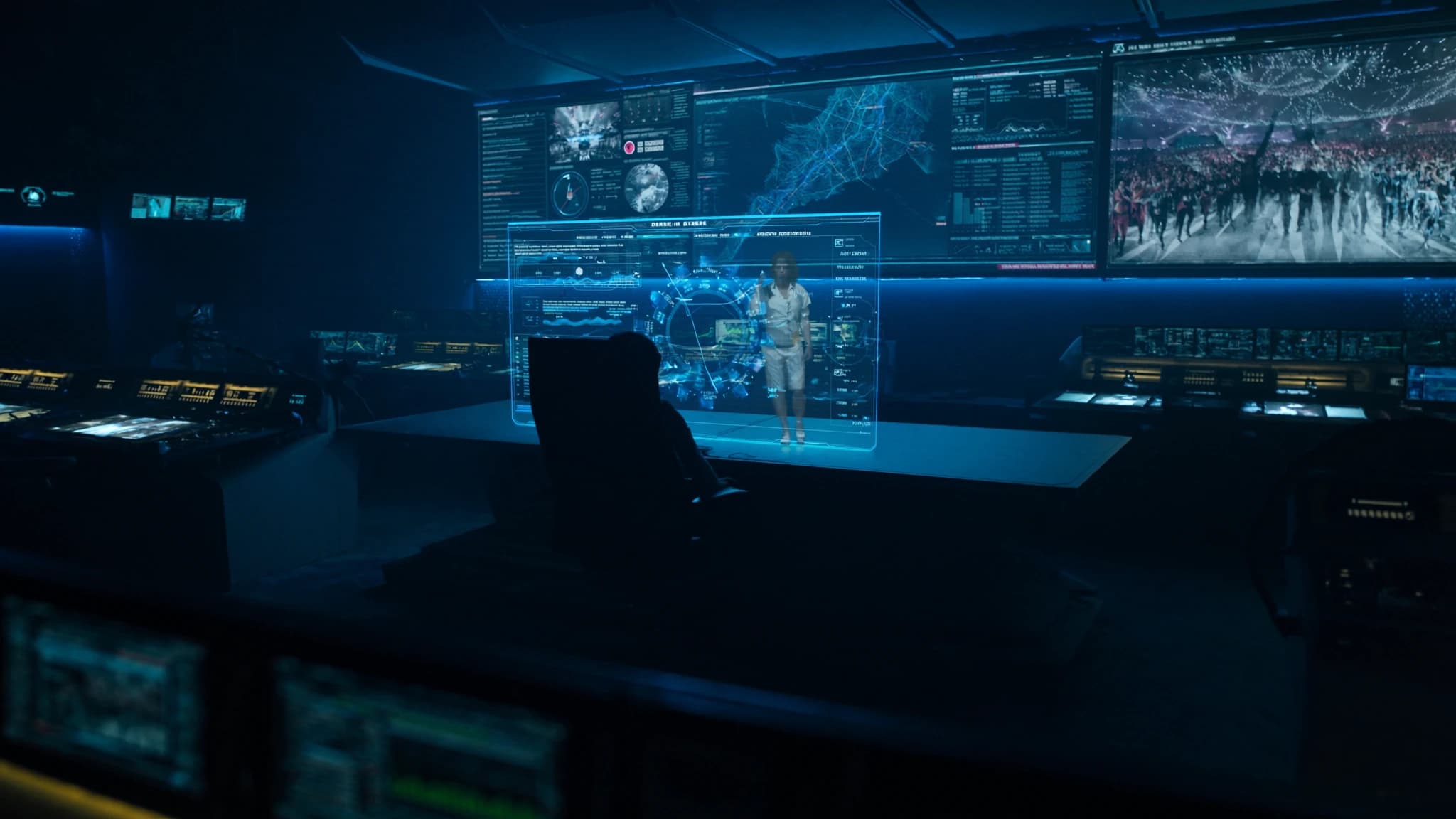
In modern live productions, the convergence of AI and automation is transforming show control from manual operation into intelligent, predictive systems. SSOUNDS integrates advanced automation capabilities into its PA ecosystem, enabling seamless timecode synchronization, cue triggering, and audio-follow-video workflows that elevate precision and repeatability across audio, lighting, and video domains.
Key takeaways
- AI-driven show automation enhances precision, repeatability, and adaptability in live productions.
- Timecode synchronization is essential for aligning audio, lighting, and video; AI can correct drift and jitter.
- Intelligent cue triggering uses conditional logic (e.g., audio level, video content) for non-linear automation.
- Audio-follow-video (AFV) benefits from AI analysis of video content to adjust audio parameters in real-time.
- Unified control across disciplines requires a robust network and open protocols; SSOUNDS supports OSC, Dante, and GPIO.
- Machine learning can predict equipment failures, improving reliability in high-stakes shows.
The Evolution of Show Control: From Manual to AI-Driven
Traditional show control relied on human operators manually triggering cues, adjusting levels, and synchronizing media, a process prone to timing errors and fatigue. With the rise of digital consoles, media servers, and networked control protocols (e.g., OSC, MIDI, SMPTE timecode), automation became possible but still required extensive programming. Today, AI introduces adaptive intelligence: systems can learn from past shows, predict optimal cue points, and adjust in real-time based on sensor data or audience feedback.
For audio, this means loudspeaker presets, delay times, and EQ can be recalled automatically per scene, while AI algorithms optimize coverage based on venue acoustics measured via microphones. SSOUNDS' DSP platform supports these workflows by accepting timecode and control signals, allowing seamless integration with show control systems like QLab, Medialon, or custom AI scripts.
Timecode Synchronization: The Backbone of Automated Shows
Timecode (LTC or MTC) provides a master clock that aligns audio, lighting, video, and effects. In a typical setup, a timecode generator feeds a network, and each subsystem (audio console, lighting console, media server) advances through its cue list in lockstep. AI enhances this by analyzing the timecode stream to detect drift or jitter, applying correction algorithms to maintain tight sync, critical for immersive experiences like 3D audio or video mapping.
SSOUNDS systems can receive timecode via Dante, AES67, or dedicated GPIO, enabling precise triggering of loudspeaker array presets, subwoofer delays, or monitor mixes. For example, a musical’s scene change can automatically recall a different PA configuration (e.g., front-fill vs. delay towers) without operator intervention.
Cue Triggering: Intelligent Automation Beyond Linear Playback
Cue triggering traditionally follows a linear timeline, but AI introduces conditional logic: cues can be triggered by audio level thresholds, video content analysis, or even audience noise. For instance, a live concert might use AI to detect applause and automatically trigger a house light fade or encores. In theatre, AI can track actor positions via camera feeds and adjust microphone routing or delay times accordingly.
SSOUNDS' control API allows external systems to send commands (e.g., recall a preset, mute a channel) based on such triggers. This enables complex automation like audio-follow-video: when a video clip plays, the corresponding audio track is routed to the correct loudspeaker zone, with AI adjusting levels to match the video's dynamic range.
Audio-Follow-Video (AFV) and Cross-Media Automation
AFV is a common requirement in corporate events, broadcast, and live theatre where video content drives audio routing. AI elevates AFV by analyzing video content (e.g., detecting scene changes, dialogue, or music) and automatically adjusting audio parameters like EQ, compression, or spatial positioning. For example, a documentary with multiple speakers can have each voice assigned to a different virtual sound source, with AI ensuring consistent level and clarity.
SSOUNDS' line arrays and point-source systems are designed to work with such automation: their DSP presets can be recalled per video scene, and the system's coverage can be dynamically adjusted to match the video's focal point (e.g., a close-up vs. wide shot). This integration reduces manual mixing and ensures a cohesive audience experience.
Intelligent Automation Across Audio, Lighting, and Video
The ultimate goal is a unified show control where AI orchestrates all disciplines. For example, a live concert could have AI analyzing the music's tempo and dynamics to trigger lighting chases, video effects, and even PA subwoofer patterns in real-time. SSOUNDS participates in this ecosystem by offering network-based control (e.g., OSC, Art-Net, sACN) that allows lighting and video consoles to directly recall audio presets.
Machine learning models can also predict equipment failures: by monitoring amplifier temperatures, speaker impedance, and network latency, AI can schedule preventive maintenance or reroute audio paths before a failure occurs. This reliability is crucial for high-stakes productions where downtime is unacceptable.
Practical Implementation with SSOUNDS Systems
To implement AI-driven show automation, start with a robust network infrastructure (Dante, AES67, or AVB) that carries both audio and control data. SSOUNDS amplifiers and DSP units can be configured to accept timecode and OSC commands, allowing integration with popular show control software. For advanced AI, use middleware like Max/MSP, Pure Data, or custom Python scripts that analyze sensor data and send control signals.
A typical workflow: 1) Define cues in a timeline (e.g., QLab). 2) Assign SSOUNDS presets to each cue (e.g., different EQ for different songs). 3) Use AI to analyze rehearsal recordings and fine-tune cue points. 4) During the show, AI monitors for deviations (e.g., a late entrance) and adjusts timing or routing accordingly. SSOUNDS' support team provides guidance on API usage and system design for such projects.
Frequently asked
What timecode formats does SSOUNDS support?
SSOUNDS systems accept LTC (analog), MTC (MIDI), and network-based timecode via Dante or AES67. Our DSP can be configured to sync to any of these, enabling precise cue triggering.
Can SSOUNDS integrate with lighting consoles for automated show control?
Yes, via OSC, Art-Net, or sACN protocols. Lighting consoles can send commands to recall SSOUNDS presets, adjust levels, or mute zones, enabling cross-discipline automation.
How does AI improve audio-follow-video?
AI can analyze video content (e.g., scene changes, dialogue) to automatically adjust EQ, compression, and spatial positioning, ensuring consistent audio quality without manual intervention.
What hardware is needed for AI-driven automation with SSOUNDS?
You need a network switch, a computer running show control software (e.g., QLab), and SSOUNDS amplifiers/DSP with network connectivity. For AI, additional sensors (microphones, cameras) and a processing unit may be used.
Is SSOUNDS compatible with third-party AI show control platforms?
Yes, SSOUNDS provides a documented API (OSC, MIDI, and serial) that can be integrated with platforms like Max/MSP, Pure Data, or custom Python scripts. Our engineering team can assist with integration.
Building or upgrading a system?
SSOUNDS engineers and manufactures professional PA worldwide, from a single room to stadium scale.