Bar and Lounge Sound System Design
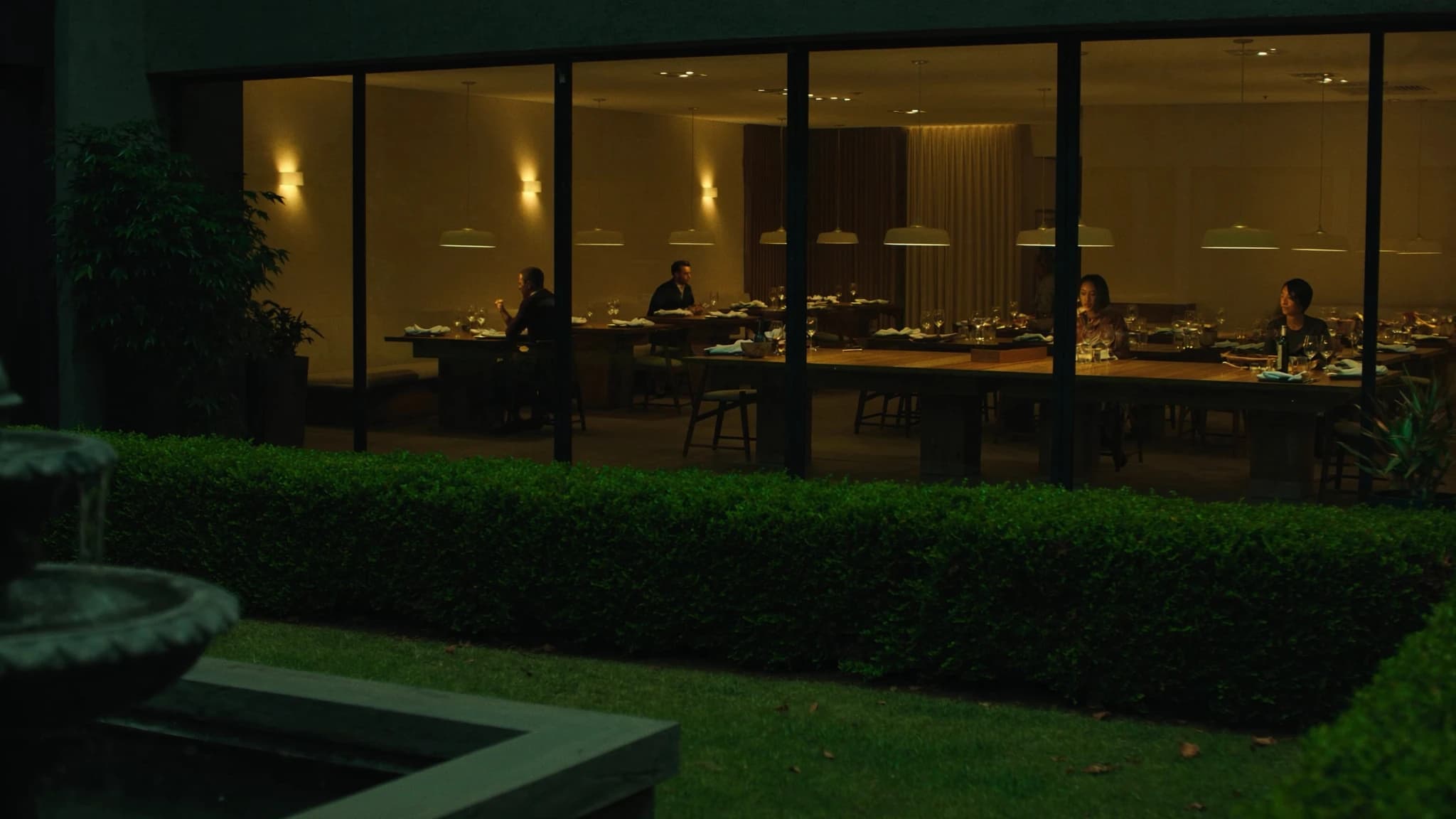
Designing a sound system for a bar or lounge requires balancing ambient atmosphere with moments of high-energy performance. Unlike concert venues, these spaces demand zoning, discreet hardware, and clear intelligibility over crowd chatter. SSOUNDS engineering delivers compact, high-output solutions that adapt to foreground music, DJ sets, and background levels, all while maintaining pristine clarity.
Key takeaways
- Zone your venue: bar, seating, dancefloor, and VIP areas each need independent level and EQ control.
- Use compact point-source speakers and slim subs to save space without sacrificing output.
- Integrate DJ gear with dedicated monitor wedges and priority input switching.
- Tune DSP for automatic noise compensation and time alignment to maintain clarity as crowd noise rises.
- Prioritise aesthetics with discreet mounting and finish options; comply with local noise limits using built-in limiters.
- SSOUNDS provides complete system design support, from simulation to tuning, ensuring optimal performance.
Understanding the Space: Zoning and Acoustics
Bars and lounges are rarely single-purpose rooms. A typical layout includes a bar area, seating sections, a dancefloor, and possibly a VIP lounge. Each zone has different sound requirements: the bar needs clear speech intelligibility for ordering, seating areas benefit from moderate background music, and the dancefloor demands powerful, punchy playback. SSOUNDS recommends dividing the venue into acoustic zones, each served by independently controlled loudspeaker clusters. This allows the DJ or manager to raise the dancefloor volume without overwhelming the bar or lounge. Acoustic treatment, such as absorptive panels on reflective surfaces, further reduces slap echoes and comb filtering, ensuring consistent coverage even in irregularly shaped rooms.
Foreground vs. Background Levels: The Art of Balance
A great bar sound system seamlessly transitions between background and foreground modes. During early evenings, music should sit at 75–85 dB SPL, loud enough to set a mood but low enough for conversation. As the night progresses, levels can rise to 90–100 dB SPL on the dancefloor. SSOUNDS point-source loudspeakers, with their wide dispersion and high sensitivity, excel at delivering uniform sound at both low and high volumes. Using a DSP-controlled amplifier, the system can store presets for different times of day, automating level and EQ changes. This prevents the common pitfall of a system that sounds thin at low volume or harsh when pushed.
DJ Integration: Seamless Connectivity and Monitoring
Many bars and lounges host DJs on weekends. Integrating a DJ booth requires careful planning: the DJ needs a dedicated monitor wedge or side-fill that provides clear audio without bleeding into the main listening area. SSOUNDS compact stage monitors deliver high SPL in a small footprint, with a focused dispersion pattern that keeps the DJ happy and the crowd undisturbed. The main system should accept both balanced XLR and unbalanced RCA inputs, with a priority mixer that mutes background music when the DJ starts. SSOUNDS amplifiers include built-in signal routing and gain staging, making integration straightforward. For wireless DJ setups, ensure low-latency Bluetooth or Wi-Fi audio transmission is supported.
Choosing Compact Speakers and Subwoofers
Space is at a premium in bars and lounges. Large line arrays are overkill; instead, opt for compact point-source loudspeakers and slim subwoofers. SSOUNDS offers a range of two-way passive speakers with 8- to 12-inch woofers that deliver full-range sound from enclosures small enough to mount on walls or ceiling brackets. For low end, a single 12- or 15-inch subwoofer placed near the dancefloor can provide the thump needed for electronic or hip-hop sets without rattling the entire venue. The key is to match subwoofer placement to the room’s modal nodes, use SSOUNDS acoustic simulation software to predict bass response and avoid dead spots. Cardioid subwoofer arrays can also be deployed to reduce rearward bass spill into seating areas.
Intelligibility Over Crowd Noise: DSP and Tuning
As the crowd grows, ambient noise rises. To maintain speech intelligibility and musical clarity, the system must be tuned with precision. SSOUNDS DSP presets include dynamic EQ that boosts midrange frequencies (1–4 kHz) when ambient noise increases, a technique known as automatic noise compensation. Additionally, using a high-pass filter on background music (around 80 Hz) reduces low-frequency muddiness that masks vocals. Time alignment between main speakers and subwoofers ensures coherent transient response. For venues with multiple zones, a delay matrix can align sound arrival times across the room, preventing echoes and ensuring the DJ’s beat stays tight everywhere.
Installation Best Practices: Aesthetics and Safety
In a bar or lounge, the sound system should be heard, not seen. SSOUNDS speakers are available in black or white finishes to blend with décor, and can be flush-mounted or flown using discreet brackets. All cabling should be run through walls or conduit to avoid trip hazards. For outdoor patios, weather-resistant models are available. It’s also critical to comply with local noise ordinances, install a sound limiter that cuts power if levels exceed a set threshold. SSOUNDS amplifiers have built-in limiters that can be configured per zone, ensuring the system never violates noise regulations while still delivering satisfying performance.
Frequently asked
What size speakers do I need for a small bar (under 100 sq m)?
For a small bar, two 8-inch or 10-inch point-source speakers and one 12-inch subwoofer are typically sufficient. SSOUNDS compact models provide clear, full-range sound without overwhelming the space.
Can I use the same speakers for background music and DJ sets?
Yes, if the speakers have sufficient power handling and sensitivity. SSOUNDS loudspeakers are designed to perform well at both low and high levels, with DSP presets that optimise the system for different use cases.
How do I prevent sound from bleeding into adjacent rooms?
Use zoning with separate volume controls, place subwoofers on the dancefloor only, and consider cardioid sub arrays to reduce rearward bass. Acoustic treatment on walls and ceilings also helps contain sound.
Do I need a separate mixer for the DJ?
Not necessarily. Many SSOUNDS amplifiers have built-in input mixing and priority routing, allowing you to connect a DJ controller directly. A dedicated mixer gives more control but adds complexity.
What is the typical budget for a bar sound system?
System cost depends on the venue and the coverage it needs, so SSOUNDS quotes each project rather than publishing a list price. Contact SSOUNDS for a custom quote.
Building or upgrading a system?
SSOUNDS engineers and manufactures professional PA worldwide, from a single room to stadium scale.