Gospel Concert Production Sound Guide
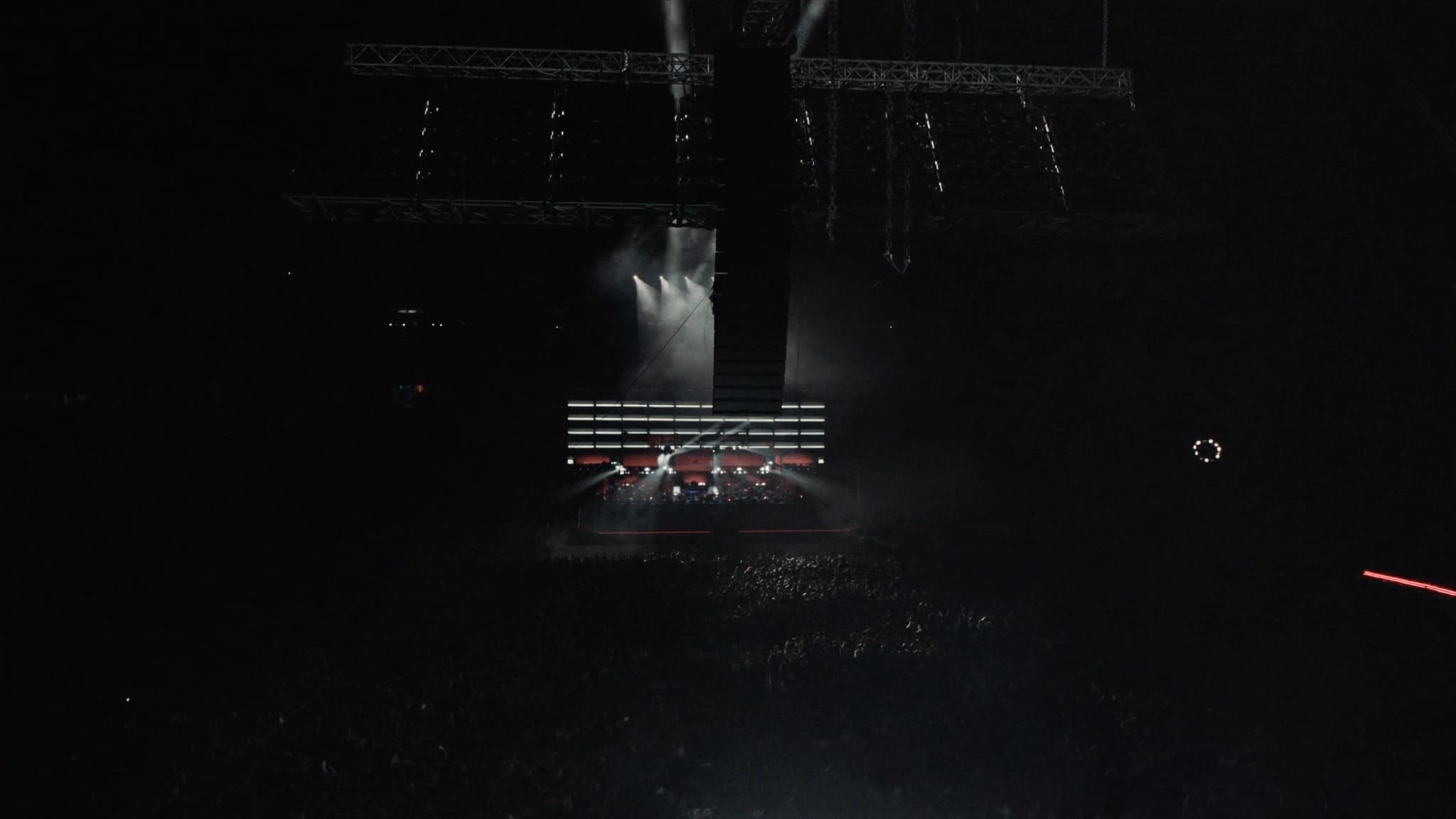
Gospel concerts are unique live sound events. Unlike a typical rock show, they demand a delicate balance between powerful, energetic reinforcement and pristine vocal clarity for both the choir and the audience. The goal is not just to amplify sound, but to create a spiritual atmosphere where every word of the message is intelligible, every harmony is clear, and the low-end energy moves the room. For large gospel events across Africa, from Lagos to Nairobi, the challenges are amplified: open-air venues, large choirs, and high ambient noise. This guide from SSOUNDS, a world-class PA manufacturer, covers the essential production principles to deliver a flawless gospel concert experience.
Key takeaways
- Gospel sound requires a system with high headroom, vocal clarity, and controlled low-end to handle dynamic worship services.
- Line arrays with proper coverage and delay fills ensure every listener hears clearly, even in large venues.
- Choir mixing benefits from stereo subgroups, careful mic placement, and tasteful reverb to create an immersive soundstage.
- Feedback management through mic selection, monitor positioning, and system processing is critical for high-gain gospel events.
- Invest in power conditioning and weather-resistant gear for reliable performance in African outdoor settings.
Understanding the Gospel Soundscape
Gospel music is dynamic. It ranges from intimate, quiet moments of prayer to explosive, high-energy praise choruses. The sound system must handle this wide dynamic range without distortion or loss of detail. The key elements are: vocal intelligibility (the preacher and lead vocalists must be crystal clear), choir presence (a wide, cohesive soundstage that makes the choir feel immersive), and low-end foundation (kick drum and bass that provide energy without muddiness).
In many African gospel events, the audience is an active participant, singing along, clapping, and dancing. The PA must therefore cover the entire audience area evenly, with enough headroom to rise above the crowd's own noise. This is where professional line array systems, like those from SSOUNDS, excel. Their controlled directivity ensures that sound is projected precisely where needed, reducing spill onto stage and minimizing feedback.
System Design: Coverage and SPL
Don't forget front fills and delays. For very wide or deep venues, delay towers ensure that the sound arrives at the same time from all speakers, maintaining intelligibility. Front fills cover the area immediately in front of the stage, where the main arrays may not reach. SSOUNDS point-source loudspeakers are ideal for these roles, offering consistent tonal balance with the main system.
Mixing for Gospel: Vocals and Choir
The lead vocalist is the focal point. Use a high-quality dynamic or condenser microphone with a tight pickup pattern to minimize bleed from the choir and band. EQ should be gentle, cutting low frequencies below 80 Hz to reduce rumble, and adding a slight presence boost around 3-5 kHz for clarity. Compression is essential to control dynamics, but avoid over-compressing; gospel vocals need to breathe.
The choir is a unique challenge. With 20 to 100+ microphones, phase coherence and gain staging are critical. Use a mix of overhead condensers and individual cardioid dynamics. Group the choir into sections (soprano, alto, tenor, bass) and bus them to stereo subgroups. Panning these subgroups slightly left and right creates a wide, natural soundstage. Reverb is your friend, a hall or plate reverb with a decay time of 1.5-2.5 seconds adds a sense of space and grandeur. However, keep the reverb return low enough that it doesn't muddy the mix.
Managing Feedback in High-Gain Environments
Gospel events often have high stage volume from monitors and the choir's own sound. Feedback is a constant threat. Start by positioning microphones carefully, avoid pointing them directly at monitor wedges or the main PA. Use cardioid or hypercardioid mics for better rejection. Graphic equalizers on monitor mixes can notch out problematic frequencies, but use them sparingly to avoid altering the sound.
Modern digital mixing consoles offer features like feedback suppression and automatic mic mixing for the choir. SSOUNDS recommends using a system with FIR processing to align the phase response of all loudspeakers, reducing comb filtering and improving gain-before-feedback. Our DSP amplifiers include advanced filtering that helps maintain stability even at high SPL.
The Role of Monitoring: Keeping the Band and Choir Connected
In-ear monitors (IEMs) are becoming standard for gospel bands because they reduce stage volume and provide a cleaner mix. However, many choirs still prefer wedge monitors for the feeling of 'sound in the room.' If using wedges, ensure they are positioned to avoid feedback and are EQ'd for clarity rather than volume. A separate monitor mix for the choir director is essential, they need to hear all sections clearly to lead effectively.
For large events, consider a dedicated monitor engineer. The band, choir, and preacher may all have different mix requirements. SSOUNDS stage monitors are designed for high output with smooth coverage, ensuring every performer hears themselves and the rest of the ensemble clearly.
Practical Considerations for African Events
Power stability is a common issue. Invest in voltage regulators and UPS systems to protect your gear. Generators should be sized to handle the full system load with headroom. Also, consider the climate: heat and humidity can affect loudspeaker performance. SSOUNDS systems are built with robust components and weather-resistant options for outdoor events.
Transport and setup logistics matter. Modular, lightweight cabinets reduce truck space and rigging time. SSOUNDS rigging hardware is designed for quick deployment, allowing your crew to focus on sound quality rather than mechanical challenges. Finally, always have spare cables, microphones, and a backup console, gospel events cannot afford downtime.
Frequently asked
What is the ideal speaker configuration for a gospel concert in a stadium?
A typical setup includes left and right flown line arrays (e.g., SSOUNDS large-format arrays) for main coverage, ground-stacked or flown subwoofers in a cardioid pattern, front fills for the stage-front area, and delay towers for deep seating. The exact number of cabinets depends on the venue size and required SPL.
How many microphones do I need for a 50-person choir?
For a 50-person choir, use 8-12 microphones: a mix of overhead condensers (4-6) spaced evenly across the choir, and individual cardioid dynamics (4-6) for soloists or section leaders. This provides good coverage without excessive phase issues.
How do I prevent feedback when the preacher uses a handheld wireless mic?
Use a cardioid or supercardioid mic, keep the mic close to the mouth, and avoid pointing it at monitors or main speakers. Apply a narrow notch filter at the feedback frequency on the monitor EQ. Also, ensure the main PA is not covering the stage area excessively.
What type of subwoofer array is best for gospel music?
A cardioid subwoofer array (e.g., using SSOUNDS subwoofers with DSP presets) focuses low-end energy forward and reduces it behind the array. This keeps the stage clean and provides punchy, even bass throughout the audience area. For very large events, a combination of flown and ground-stacked subs works well.
Should I use in-ear monitors for the choir?
IEMs can reduce stage volume and feedback, but many choirs prefer wedges for the natural feel. A hybrid approach works: give IEMs to the band and key vocalists, and use wedges for the choir with careful EQ and positioning. Always have a dedicated monitor mix for the choir director.
Building or upgrading a system?
SSOUNDS engineers and manufactures professional PA worldwide, from a single room to stadium scale.