How SSOUNDS Uses AI in Its Systems
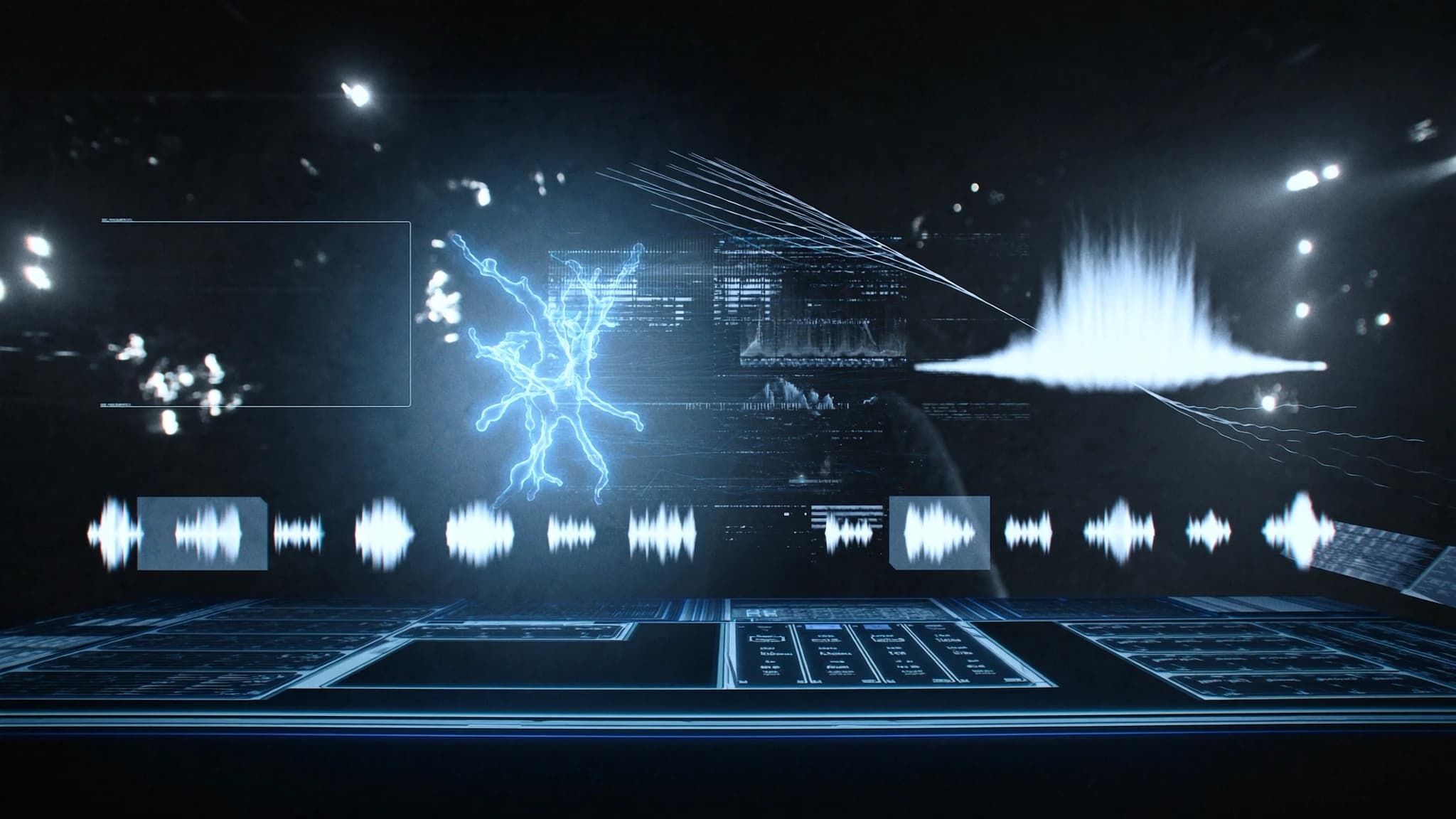
At SSOUNDS, artificial intelligence is not a marketing buzzword, it is a core engineering tool that elevates every stage of loudspeaker system design, tuning, and deployment. From AI-assisted acoustic modeling that predicts coverage with surgical precision to machine-learning-optimised DSP presets that adapt to real-world conditions, SSOUNDS integrates intelligence into the hardware and software that professionals rely on. This guide explains how SSOUNDS applies AI across its systems, always in service of better sound, not gimmickry.
Key takeaways
- SSOUNDS uses AI-assisted acoustic modelling to predict and optimise coverage for any venue geometry.
- Machine learning tunes DSP presets, adapting to real-world conditions and component tolerances.
- Predictive simulation combines AI with logistics data to reduce on-site errors and speed up deployment.
- System Designer software integrates AI tools into a unified workflow, learning from past projects.
- AI at SSOUNDS is always in service of engineering excellence, not marketing hype.
- Real-world data from global deployments continuously improves SSOUNDS AI models.
AI-Assisted Acoustic Modelling for Precision Coverage
Traditional acoustic modelling relies on manual calculation and empirical data, which can leave gaps in coverage or require extensive on-site adjustment. SSOUNDS uses AI-assisted acoustic modelling to simulate how sound waves interact with complex venue geometries, including balconies, columns, and irregular surfaces, before a single cabinet is flown.
The AI engine analyses thousands of possible array configurations in seconds, learning from historical deployment data to recommend optimal splay angles, trim heights, and subwoofer placements. This reduces guesswork and ensures that every seat receives consistent, intelligible sound, whether in a 500-capacity club or a 50,000-seat stadium.
By integrating AI into the modelling phase, SSOUNDS engineers can predict and mitigate issues like comb filtering, reflections, and dead zones, delivering a system that performs as designed from the first note.
Machine-Learning-Tuned DSP and Loudspeaker Presets
Digital signal processing is the backbone of modern loudspeaker performance, but generic DSP presets often fail to account for real-world variables such as temperature, humidity, and component tolerances. SSOUNDS employs machine learning to tune its DSP presets, training models on thousands of acoustic measurements taken in diverse environments.
The ML algorithms identify patterns in frequency response, phase coherence, and driver behaviour, then automatically generate presets that optimise linearity and headroom for each specific enclosure type. This means SSOUNDS line arrays and point-source speakers deliver consistent tonal balance and phase alignment across different venues and conditions.
Furthermore, the system can adapt in real time: onboard sensors feed data back to the DSP, allowing the ML model to make micro-adjustments to crossover points, limiting, and EQ, ensuring the system stays within safe operating limits while maximising output and clarity.
Predictive Simulation: From Design to Deployment
Before a tour or installation begins, SSOUNDS engineers run predictive simulations that combine AI-driven acoustic models with real-world logistics, including rigging points, power availability, and audience layout. The simulation predicts SPL distribution, frequency response at each listening position, and even potential feedback paths.
This predictive capability allows system designers to compare multiple array configurations and subwoofer placements virtually, saving time and reducing the risk of costly on-site errors. The AI also flags potential issues such as excessive low-frequency buildup in enclosed spaces or insufficient coverage in far-field zones.
Once the system is deployed, the simulation can be compared against live measurements using SSOUNDS System Designer software, closing the loop between prediction and reality. This iterative process continually improves the AI models, making each subsequent deployment more accurate.
System Designer Software: Intelligent Workflow Integration
The software’s AI assistant can suggest optimal system configurations based on user inputs such as venue dimensions, audience capacity, and desired SPL. It learns from past projects, so the more it is used, the better its recommendations become. This is particularly valuable for touring engineers who need to reconfigure systems quickly across different venues.
System Designer also integrates with predictive simulation outputs, allowing users to visualise coverage maps and adjust parameters on the fly. The result is a seamless, intelligent design-to-deployment pipeline that reduces setup time and ensures consistent sound quality night after night.
Engineering, Not Gimmick: Why AI Matters in Professional Audio
In an industry where hype often outpaces substance, SSOUNDS is deliberate about where and how AI is applied. The goal is always to solve real engineering challenges: improving coverage accuracy, reducing setup time, extending system longevity, and delivering repeatable high-quality sound.
AI is not used to replace human expertise but to augment it. The system designer or engineer remains in control, using AI-generated insights to make informed decisions faster. This approach ensures that SSOUNDS systems are not only technologically advanced but also practical and reliable in the field.
As AI continues to evolve, SSOUNDS is committed to refining its models with real-world data from thousands of shows and installations worldwide, including in challenging environments across Africa, Europe, and the Americas. The result is a smarter, more responsive PA system that professionals can trust.
Frequently asked
Does SSOUNDS AI replace the need for a human system engineer?
No. SSOUNDS AI is designed to augment the engineer's expertise, not replace it. The AI provides recommendations and simulations, but the engineer makes the final decisions based on experience and venue-specific requirements.
How does SSOUNDS train its machine learning models?
SSOUNDS trains its ML models on thousands of acoustic measurements taken in diverse real-world environments, including tours, festivals, and permanent installations. This data is used to optimise DSP presets and predictive algorithms.
Can SSOUNDS AI adapt to changing conditions during a live event?
Yes. Onboard sensors feed real-time data to the DSP, allowing the ML model to make micro-adjustments to crossover points, limiting, and EQ to maintain optimal performance and protect the system.
Is SSOUNDS System Designer software available to all users?
Yes, System Designer is provided to all SSOUNDS system owners and is available for download. It includes AI-assisted tools for system design, simulation, and monitoring.
How does SSOUNDS ensure its AI is not a gimmick?
SSOUNDS focuses AI applications on solving concrete engineering problems, coverage accuracy, DSP optimisation, and deployment efficiency. Every AI feature is validated against real-world performance data and is designed to deliver measurable improvements.
Building or upgrading a system?
SSOUNDS engineers and manufactures professional PA worldwide, from a single room to stadium scale.