In-Ceiling Surround Sound: 5.1.2 and 5.1.4 Explained
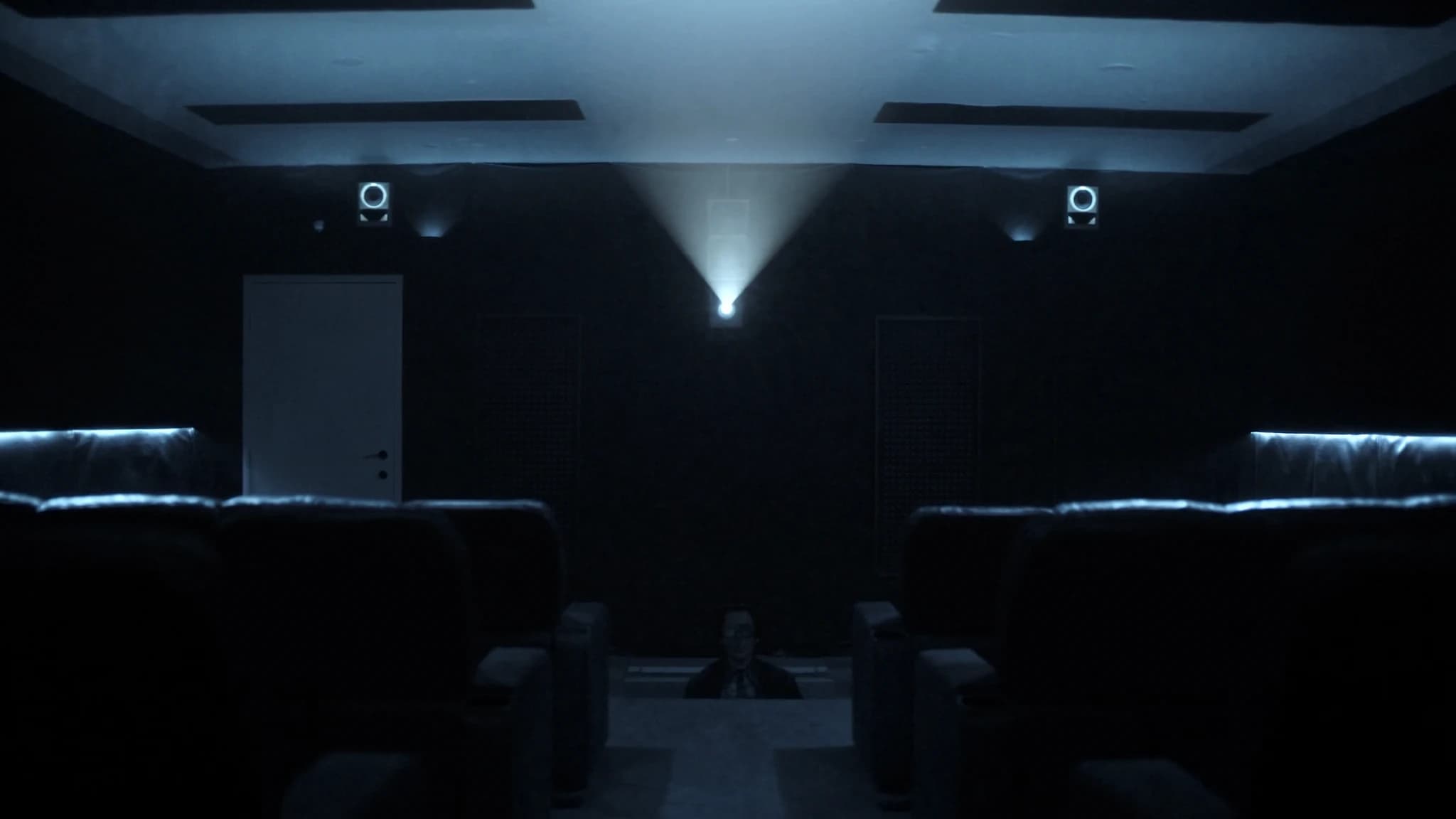
In-ceiling surround sound setups, particularly 5.1.2 and 5.1.4 configurations, are transforming home theaters by delivering immersive Dolby Atmos audio without sacrificing floor space. This guide explains the layouts, speaker placement, driver choices, backbox requirements, wiring, and integration tips to help you build a professional-grade system.
Key takeaways
- 5.1.2 uses two ceiling speakers for basic Atmos; 5.1.4 uses four for more precise overhead effects.
- Place ceiling speakers above the listening position, angled toward the listener for best immersion.
- Angled drivers improve off-axis clarity; flat drivers work if listener is directly below.
- Always use sealed backboxes to prevent sound leakage and resonance.
- Wire with 14-16 gauge cable and run auto-calibration after installation.
- Choose ceiling speakers with wide dispersion and timbre-matched to your main system.
Understanding 5.1.2 and 5.1.4 Layouts
The numbers in 5.1.2 and 5.1.4 refer to the channel count: the first digit is traditional surround channels (left, center, right, left surround, right surround), the second is the subwoofer (.1), and the third is overhead/height channels. In 5.1.2, you have two ceiling speakers for overhead effects; in 5.1.4, you have four ceiling speakers, two front heights and two rear heights, for more precise object-based audio placement.
Dolby Atmos uses these height channels to create a three-dimensional soundstage, with sounds like rain or helicopters moving seamlessly above you. The 5.1.2 layout is a cost-effective entry point, while 5.1.4 offers a more enveloping experience with better vertical localization. Both benefit from in-ceiling speakers that blend into the room aesthetically.
Placement Guidelines for In-Ceiling Speakers
For 5.1.2, place the two ceiling speakers directly above the listening position, slightly forward of the main seating area, typically between 65 and 100 degrees from the center listening axis. They should be spaced about the width of the room apart, aiming straight down or angled toward the listener. Avoid placing them too close to walls to prevent early reflections.
In a 5.1.4 setup, the front height speakers go above the front left and right speakers, angled toward the listener, while the rear heights are placed behind the seating area, aligned with the rear surrounds. Dolby recommends a 45-degree elevation angle from the listener to the ceiling speaker. Use a laser pointer or smartphone app to mark exact positions before cutting holes.
Angled vs. Flat Drivers: Which to Choose?
Angled drivers (also called pivoting tweeters) allow you to direct high frequencies toward the listening area, which is critical for clarity in Atmos effects. Flat drivers radiate sound straight down, which can work if the listener is directly below, but angled drivers offer more flexibility for off-axis seating. For in-ceiling Atmos, angled drivers are generally recommended to ensure the overhead soundstage is focused and immersive.
Some premium in-ceiling speakers feature dual-voice-coil woofers or coaxial designs that combine a tweeter and woofer on the same axis, improving coherence. SSOUNDS engineers design their in-ceiling models with adjustable tweeter waveguides to optimize coverage, ensuring consistent performance whether you choose angled or flat installation.
The Importance of Backboxes
Backboxes (enclosed housings) are essential for in-ceiling speakers in a surround sound system. They isolate the speaker from the ceiling cavity, preventing sound from leaking into other rooms and reducing resonance. Without a backbox, the ceiling acts as a resonator, muddying the sound and causing phase issues. Backboxes also protect the speaker from dust and insulation.
For Atmos, sealed backboxes are preferred because they provide a controlled air volume, improving bass response and transient accuracy. Some backboxes are pre-wired with terminal cups for easy connection. Always choose a backbox that matches the speaker's depth and cutout size. SSOUNDS offers custom backboxes engineered for their in-ceiling models to ensure optimal acoustic performance.
Wiring and Integration with the Main System
Run 14- or 16-gauge speaker wire from the amplifier to each ceiling speaker. For 5.1.2, you need two channels of amplification for the heights; for 5.1.4, four channels. Most modern AV receivers have dedicated height channel outputs (labeled 'Atmos' or 'Height'). If your receiver lacks enough channels, use an external amplifier with pre-outs.
Wire polarity must be consistent: connect the positive terminal on the receiver to the positive on the speaker. Use banana plugs or spade connectors for secure connections. After installation, run the receiver's auto-calibration (e.g., Audyssey, Dirac) to set distances, levels, and crossover points. Typically, set ceiling speakers to 'small' with a crossover of 80–100 Hz to redirect bass to the subwoofer.
Choosing the Right In-Ceiling Speakers
Look for speakers with wide dispersion (at least 90 degrees) to cover the listening area evenly. A frequency response extending to 20 kHz ensures crisp highs for Atmos effects. Sensitivity above 87 dB is desirable for efficient use of amplifier power. For a seamless timbre match, consider using the same brand for all speakers, including the main system.
SSOUNDS in-ceiling speakers are designed with high-excursion woofers and silk-dome tweeters, delivering the dynamic range needed for cinematic overhead effects. Their low-profile grilles paint over easily, making them virtually invisible. For professional installations, SSOUNDS also provides pre-construction brackets and fire-rated backboxes.
Frequently asked
Can I use regular bookshelf speakers for Atmos instead of in-ceiling?
Yes, you can mount bookshelf speakers on walls or stands near the ceiling, but in-ceiling speakers are more discreet and provide a cleaner aesthetic. In-ceiling models are also designed to radiate sound downward, which is ideal for overhead effects.
Do I need a special amplifier for in-ceiling Atmos speakers?
Most modern AV receivers with Dolby Atmos processing have dedicated height channels. If your receiver doesn't have enough channels, you can add an external multichannel amplifier connected via pre-outs.
What is the ideal ceiling height for in-ceiling Atmos?
Dolby recommends ceiling heights between 7.5 and 12 feet. Higher ceilings may require speakers with adjustable angle drivers to aim sound toward the listening area.
Can I mix different brands for ceiling and main speakers?
It's possible, but for best tonal consistency, use speakers from the same brand or series. Mismatched timbre can make sounds seem disconnected as they pan across channels.
How do I hide the wires for in-ceiling speakers?
Run wires through the attic or crawl space above the ceiling. Use CL2 or CL3 rated wire for fire safety. For new construction, install speaker wire before drywall. Retrofit installations can use wire covers or fish tape.
Building or upgrading a system?
SSOUNDS engineers and manufactures professional PA worldwide, from a single room to stadium scale.