Mosque Sound System Design Guide
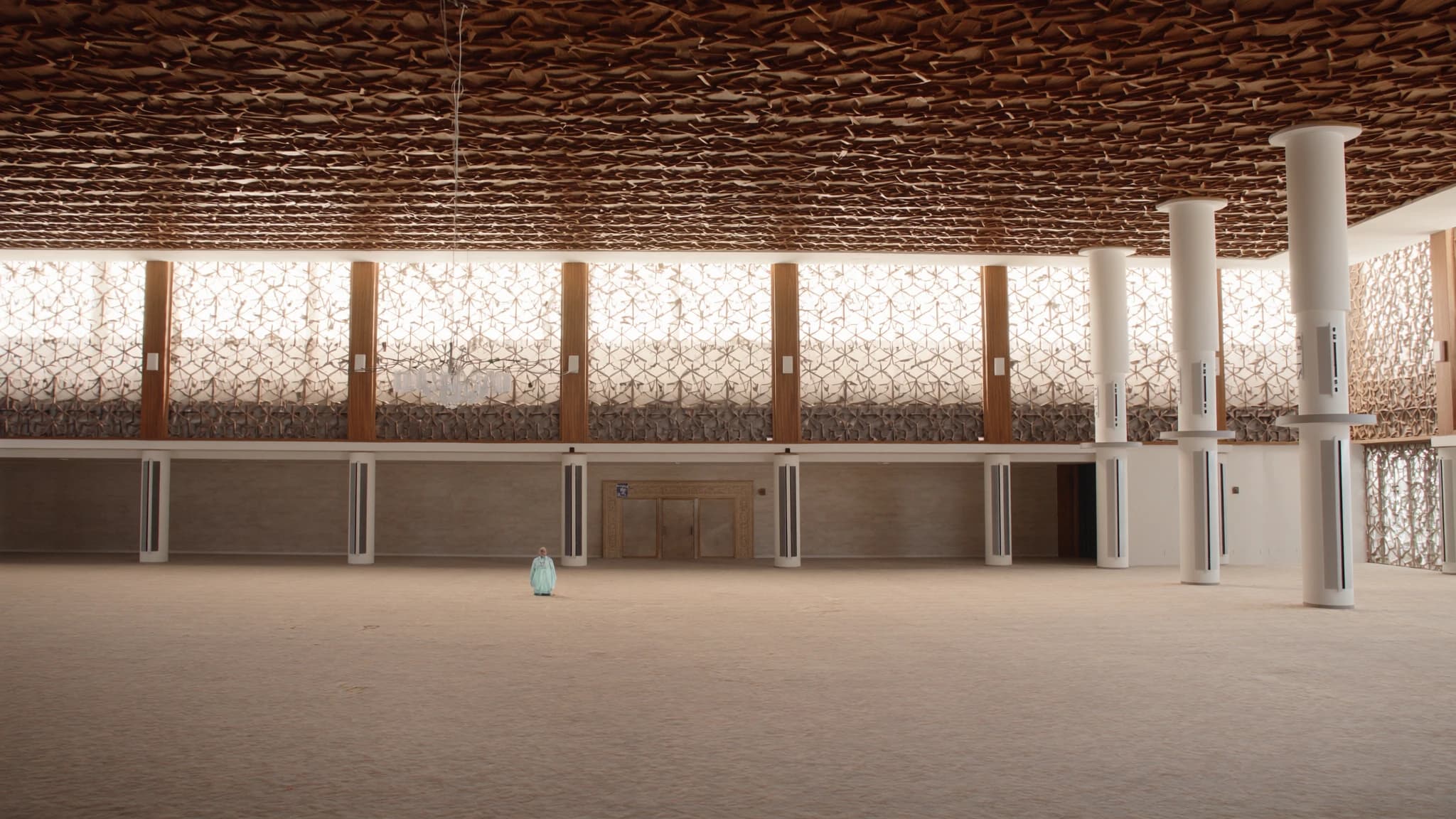
Designing a sound system for a mosque presents unique challenges: achieving crystal-clear speech intelligibility for the khutbah and prayers, ensuring uniform coverage across irregular architectural spaces, and respecting the sacred acoustic environment. At SSOUNDS, we engineer professional PA systems that meet these demands with precision. This guide covers the core principles of mosque sound system design, focusing on speech clarity, distributed coverage, and respectful acoustic integration, drawing on our expertise in delivering world-class audio for worship spaces across Africa and beyond.
Key takeaways
- Prioritize speech intelligibility with STI ≥ 0.6; use distributed loudspeaker placement to combat reverberation.
- Choose loudspeakers with controlled directivity and natural voice reproduction; SSOUNDS systems excel in these areas.
- Integrate acoustic treatment and DSP to manage reflections and ensure uniform coverage.
- Design for visual and acoustic discretion, the system should serve worship without dominating the space.
- Invest in reliable, scalable components with redundancy; SSOUNDS offers rugged, network-ready solutions.
- Always tune the system with professional measurement tools to verify performance across all seating areas.
Understanding the Acoustic Environment
Mosques often feature hard surfaces like marble, tile, and glass, which create long reverberation times (RT60) that can smear speech. Domes and high ceilings further complicate sound propagation. Before specifying any equipment, conduct an acoustic analysis: measure RT60, identify reflective and absorptive surfaces, and map the room's geometry. For existing structures, consider adding acoustic treatment (e.g., absorptive panels, carpeting) to reduce reverberation. SSOUNDS engineers always prioritize acoustic conditioning as the foundation for clarity.
In large prayer halls, the goal is to deliver direct sound to every listener while minimizing reflections. This requires distributed loudspeaker placement rather than a single central cluster. Distributed systems shorten the sound path, reducing the impact of reverberation and improving intelligibility.
Speech Intelligibility: The Primary Goal
In a mosque, the spoken word is paramount. The sound system must reproduce the human voice with natural tonality and minimal distortion. Key metrics for speech intelligibility include the Speech Transmission Index (STI) and %ALcons (percentage of articulation loss of consonants). Aim for STI ≥ 0.6 (good) or ≥ 0.75 (excellent) across all seating areas. SSOUNDS line array and point-source systems are engineered for high directivity and low distortion, ensuring every syllable is heard clearly.
Choose loudspeakers with wide, consistent coverage patterns, such as constant directivity horns or waveguide designs, to avoid hot spots and dead zones. For mosques, a 100° horizontal by 60° vertical pattern is a common starting point, but the exact specification depends on the room's shape and seating layout. SSOUNDS offers configurable coverage options to match any space.
Distributed Coverage Design
For long, narrow prayer halls or spaces with columns and pillars, a distributed loudspeaker system is essential. Place multiple small-format loudspeakers (e.g., ceiling-mounted or wall-mounted) at regular intervals along the length of the hall. This approach ensures that each listener is within 10–15 metres of a speaker, maintaining high direct-to-reverberant ratio. SSOUNDS compact point-source enclosures are ideal for this application, offering high output in a discreet form factor.
In larger mosques with a central dome, combine a central cluster for the main prayer area with distributed delays for the rear sections. Use digital signal processing (DSP) to align arrival times and avoid comb filtering. SSOUNDS amplifiers and DSP platforms provide precise delay, EQ, and level control for seamless system integration.
Respectful Acoustic Design
The sound system should be visually unobtrusive and acoustically transparent. Avoid loudspeaker placements that draw attention or disrupt the spiritual atmosphere. Use low-profile, paintable enclosures that blend with the architecture. SSOUNDS offers custom colour options and mounting hardware to suit any interior.
Volume levels must be appropriate, loud enough for clarity but not overwhelming. Implement automatic gain control (AGC) or a dedicated mixer with compression to maintain consistent levels during the khutbah. For the call to prayer (Adhan), a separate microphone input with tailored EQ can enhance the natural resonance of the human voice.
System Components and Integration
A complete mosque sound system includes microphones (gooseneck or wireless for the imam), a mixer or digital signal processor, amplifiers, and loudspeakers. For large venues, consider a networked DSP with remote control via tablet. SSOUNDS amplifiers feature built-in DSP and network connectivity, simplifying setup and allowing real-time adjustments.
Backup and redundancy are critical for reliability. Use dual amplifiers with automatic failover, and consider a separate emergency PA system if required. SSOUNDS systems are built for 24/7 operation in demanding climates, with robust thermal management and surge protection.
Installation and Tuning
Professional installation is key to achieving the design goals. Work with an experienced integrator who understands acoustic measurement tools like SMAART or EASERA. After installation, measure STI and frequency response at multiple listening positions, then fine-tune EQ, delay, and level settings. SSOUNDS provides comprehensive support and training for our partners.
For existing mosques, a phased approach may be necessary: start with the main prayer hall, then expand to ancillary rooms. SSOUNDS modular product range scales easily, allowing incremental upgrades without replacing the entire system.
Frequently asked
What is the best loudspeaker type for a mosque?
For most mosques, a distributed system using compact, high-directivity point-source loudspeakers offers the best speech clarity. In very large halls, a central line array with delay fills may be appropriate. SSOUNDS provides both options, engineered for natural voice reproduction and wide, even coverage.
How do I reduce echo in a mosque with hard surfaces?
Acoustic treatment (absorptive panels, carpet, curtains) is the most effective solution. Additionally, use distributed loudspeakers placed close to listeners to maximize direct sound. SSOUNDS DSP can also apply subtle EQ and limiting to reduce reverberant buildup.
Can I use a single speaker for a small mosque?
A single speaker may work for very small rooms (under 100 m²) with low ceilings, but for any space with multiple rows or irregular shapes, distributed coverage is recommended. Even in small mosques, two or more speakers ensure consistent clarity.
What microphone is best for the imam?
A gooseneck condenser microphone with a cardioid pattern is ideal for the imam, as it provides clear pickup while rejecting background noise. Wireless lavalier microphones offer freedom of movement. SSOUNDS recommends high-quality models with pop filters and shock mounts.
How do I ensure the system is reliable during daily use?
Choose professional-grade components with proven reliability. SSOUNDS amplifiers feature redundant power supplies and thermal protection. Regular maintenance (cleaning, firmware updates) and a backup amplifier or DSP unit can prevent downtime.
Building or upgrading a system?
SSOUNDS engineers and manufactures professional PA worldwide, from a single room to stadium scale.