Outdoor and Garden Speaker Installation Guide
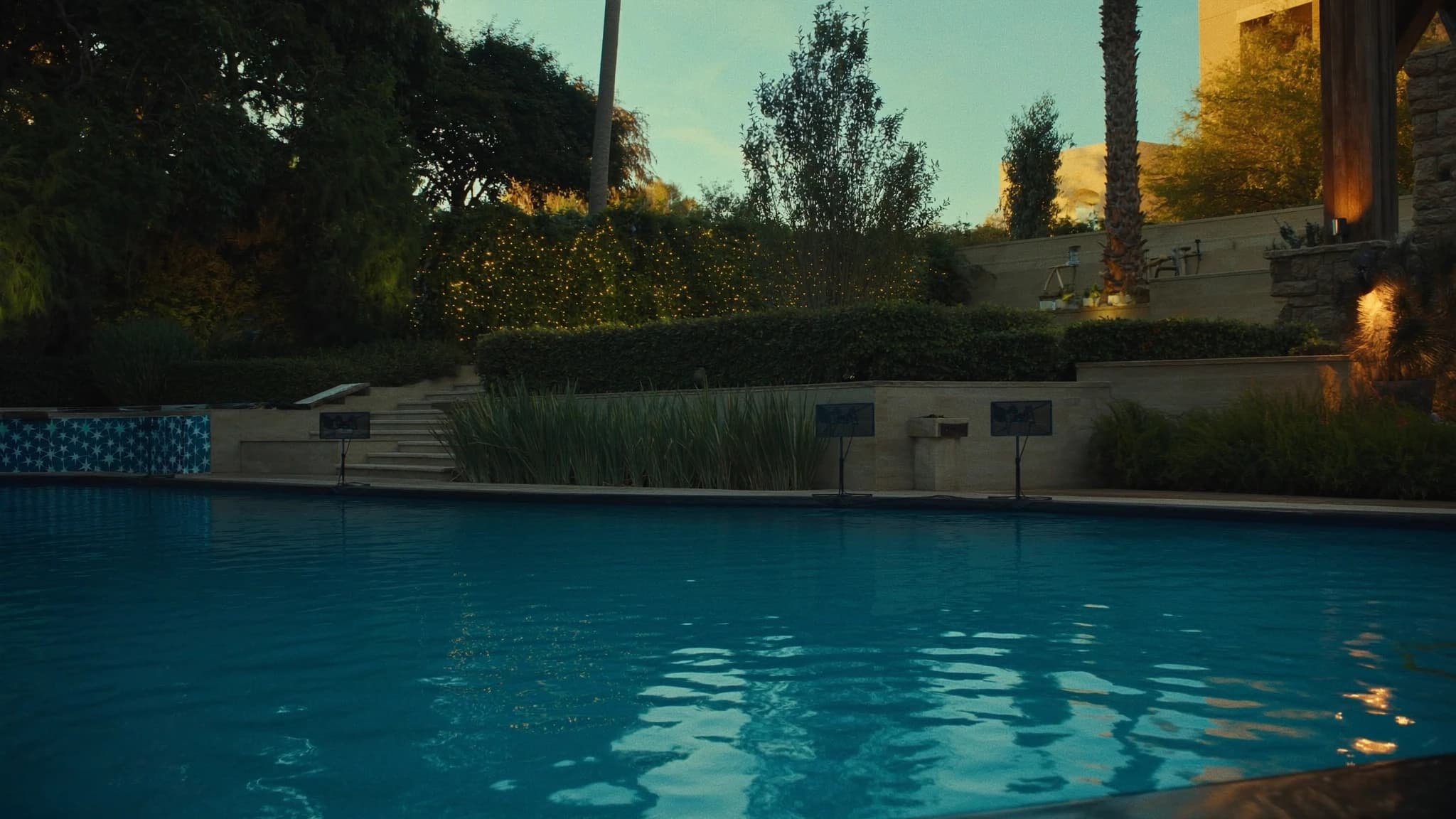
Bringing high-quality sound to your outdoor spaces requires more than just weatherproof speakers, it demands a system engineered for coverage, durability, and seamless integration with your landscape. SSOUNDS, a world-class PA manufacturer, designs professional-grade outdoor audio solutions that deliver crystal-clear intelligibility across gardens, patios, and open-air venues, backed by decades of acoustic engineering and AI-assisted system optimisation.
Key takeaways
- Choose speakers with at least IP66 rating for reliable outdoor performance.
- Use 70V/100V distributed systems for long cable runs and multi-speaker zones.
- Always install burial-grade cable in conduit to prevent moisture damage.
- Space speakers 3–6 metres apart and overlap coverage for even sound.
- Site amplifiers in weatherproof enclosures or indoors with proper ventilation.
- Perform bi-annual cleaning and inspection to maintain system longevity.
Understanding IP Ratings and Weatherproofing
Outdoor speakers must withstand rain, dust, UV exposure, and temperature extremes. The Ingress Protection (IP) rating system defines their resistance: IP66 offers full protection against dust and powerful water jets, while IP67 adds temporary immersion. For permanent garden installations, SSOUNDS recommends speakers rated at least IP66 for reliable performance in all seasons.
Beyond the speaker itself, consider the mounting hardware and cable entry points. Use stainless steel brackets and sealed gland connectors to prevent moisture ingress. SSOUNDS engineers test every outdoor product under accelerated UV and salt-spray conditions to ensure long-term durability in coastal or high-humidity environments.
Choosing the Right Speaker Type: Landscape, Rock, or Patio
Landscape speakers are designed to blend into gardens, often shaped like rocks, planters, or bollards. These typically feature a wide dispersion pattern (120°–180°) to cover open areas evenly. Rock speakers, a subset of landscape speakers, are cast from real stone moulds for natural aesthetics. Patio speakers, on the other hand, are often surface-mount or pendant designs that deliver higher output for covered decks or pergolas.
For large gardens or multi-zone patios, SSOUNDS recommends combining directional satellite speakers for focused listening areas with subwoofers buried or hidden in planting beds. This hybrid approach ensures full-range sound without visual clutter. Always match speaker dispersion to the listening area, avoid overshooting boundaries to minimise disturbance to neighbours.
70V/100V Distributed Audio Systems: The Professional Standard
For long cable runs (over 50 metres) or multiple speakers on a single amplifier channel, a constant-voltage (70V in North America, 100V in Europe and Africa) system is essential. These systems use step-up transformers at the amplifier and step-down transformers at each speaker, allowing you to daisy-chain many speakers without significant power loss.
SSOUNDS outdoor speakers come with selectable power taps (e.g., 5W, 10W, 20W, 40W) so you can adjust volume per zone. Calculate total wattage by summing all tap settings, never exceed 80% of the amplifier's rated power. For a typical garden with 8–12 speakers, a 200W–400W 100V amplifier provides ample headroom. SSOUNDS amplifiers include built-in DSP for delay, EQ, and limiter settings tailored to outdoor acoustics.
Burial-Grade Cable and Proper Installation
Standard speaker cable degrades quickly underground due to moisture, soil chemicals, and rodent damage. Always use burial-grade cable, typically direct-burial rated with a UV-resistant jacket and gel-filled core to block water migration. For 70V/100V systems, 14 AWG or 12 AWG stranded copper is recommended for runs up to 200 metres.
Lay cable in a trench at least 450mm deep (or per local code), and run it inside PVC conduit for extra protection. Leave a service loop at each speaker location to allow future repositioning. Use waterproof crimp connectors or solder joints, then seal with heat-shrink tubing and silicone-filled gel caps. SSOUNDS provides detailed termination guides with every outdoor product.
Coverage Planning: Gardens, Patios, and Open Areas
Outdoor acoustics are challenging, no walls to contain sound, and surfaces like grass absorb high frequencies. To maintain intelligibility, space speakers closer than indoors (typically 3–6 metres apart) and angle them to cover overlapping zones. For a rectangular patio, place speakers along the long sides, aiming inward. For irregular gardens, use a mix of wide-dispersion landscape speakers and narrow-beam satellites for targeted coverage.
SSOUNDS uses AI-assisted acoustic modelling to predict coverage patterns before installation. Input your garden dimensions, speaker positions, and surface materials (grass, paving, water features) to generate an SPL map. This ensures consistent volume from the grill to the far corner, with minimal hot spots or dead zones.
Amplifier Siting and System Integration
Amplifiers should be housed in a weatherproof enclosure or indoors (garage, basement, utility room) with proper ventilation. If outdoor placement is unavoidable, use a NEMA 3R or 4X rated cabinet with active cooling. SSOUNDS amplifiers feature IP54-rated front panels and can be mounted under eaves with a protective cover.
Integrate your outdoor system with indoor audio via a multi-zone receiver or matrix switcher. Many SSOUNDS amplifiers support Bluetooth, Wi-Fi, or wired control via RS-232, allowing you to adjust volume and source selection from a smartphone or touch panel. For commercial installations, add a 100V line-matching transformer for paging or background music.
Maintenance and Long-Term Reliability
Even with IP-rated speakers, periodic maintenance extends lifespan. Clean grilles and cones with a soft brush and mild soap solution every six months. Check cable glands for tightness and inspect for corrosion at termination points. In winter, if temperatures drop below -10°C, consider storing portable speakers indoors.
SSOUNDS operates from the United Kingdom, United States, Nigeria, Ghana and West Africa, and ships and supports systems internationally from those bases. Our engineering team can review your installation plans and recommend system tuning parameters via remote DSP adjustment. Register your system for firmware updates and access to exclusive presets optimised for outdoor acoustics.
Frequently asked
Can I use regular indoor speakers outdoors?
No. Indoor speakers lack weatherproofing and will fail quickly from moisture, UV, and temperature swings. Always use speakers rated IP66 or higher for outdoor installation.
What is the difference between 70V and 100V systems?
Both are constant-voltage systems. 70V is common in North America due to electrical codes, while 100V is standard in Europe and Africa. They work identically, just ensure your amplifier and speakers match the same voltage standard.
How deep should I bury speaker cable?
A minimum depth of 450mm (18 inches) is recommended to protect against digging, frost, and lawn maintenance. Check local codes for specific requirements.
Do I need a subwoofer for outdoor audio?
For full-range sound, yes. Outdoor spaces lack boundary reinforcement for bass, so a dedicated subwoofer (or multiple) ensures rich low-end. Choose a burial-grade subwoofer or a weatherproof model placed near seating areas.
Can SSOUNDS help design my outdoor system?
Absolutely. SSOUNDS offers free system design consultation using AI-assisted modelling. Contact our support team with your garden layout and requirements for a tailored proposal.
Building or upgrading a system?
SSOUNDS engineers and manufactures professional PA worldwide, from a single room to stadium scale.