The Best Sound System for Nightclubs
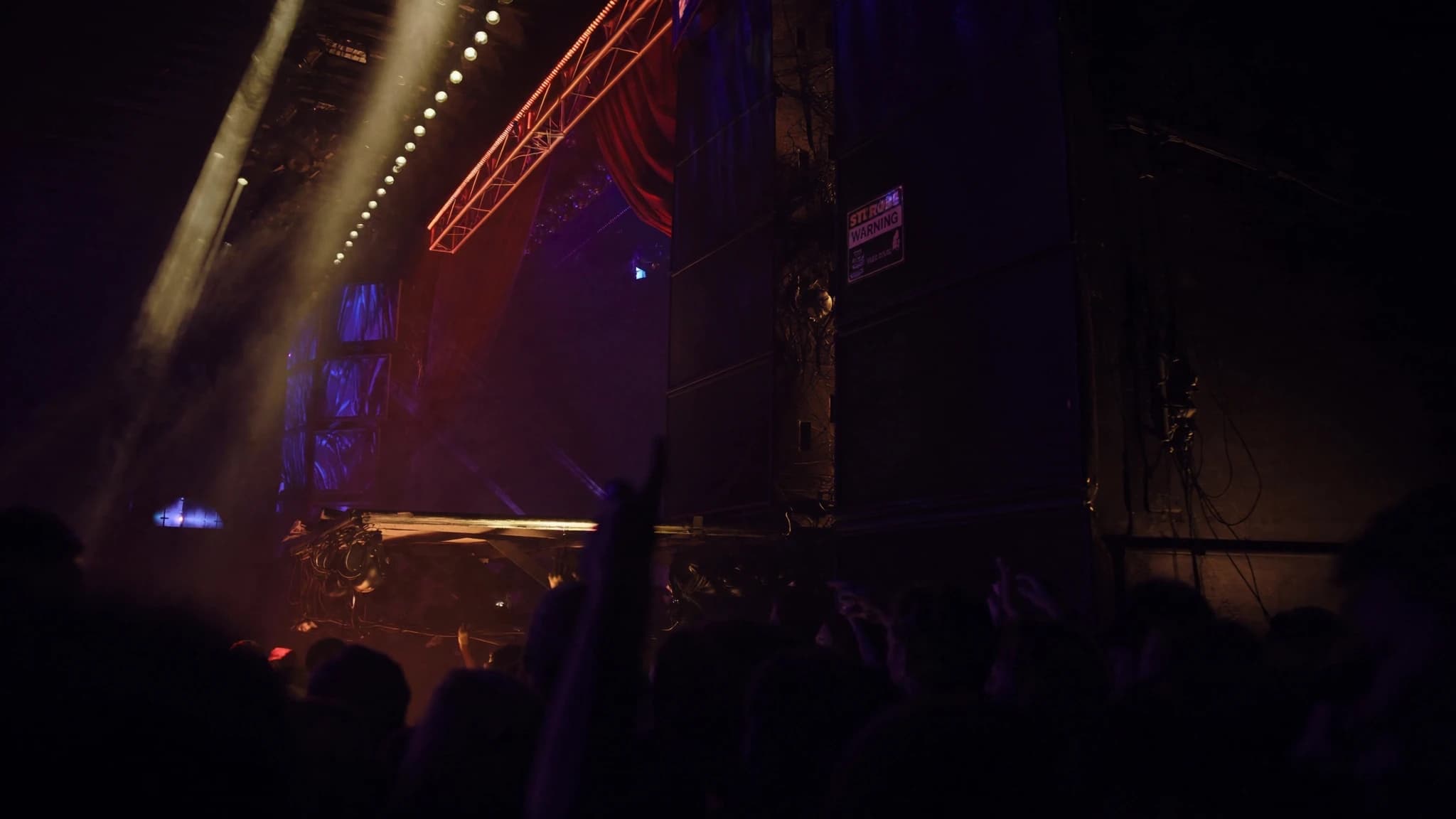
Choosing the best sound system for a nightclub is about delivering high SPL, deep sub-bass impact, and clear intelligibility across dancefloor and lounge zones. SSOUNDS engineers design systems that balance point-source and compact line-array solutions for sustained low-end energy and precise coverage. This guide breaks down the key considerations for club audio, from subwoofer deployment to DJ monitoring.
Key takeaways
- Club audio requires high SPL with deep, sustained sub-bass, a 2:1 sub-to-top ratio is a good starting point.
- Zone-based DSP allows separate tuning for dancefloor, bar, and lounge areas to optimize the experience.
- Compact line arrays offer even coverage and are ideal for high-ceiling venues; point-source systems suit smaller rooms.
- DJ booth monitors need dedicated mix and EQ to provide accurate, high-SPL monitoring without feedback.
- Proper subwoofer tuning (crossover, delay, EQ) is essential for tight, punchy low end without boominess.
- SSOUNDS provides both line array and point-source solutions with integrated DSP amplification for club applications.
Full-Range Systems with Heavy Sub Energy
Nightclub sound demands a system that can reproduce deep, punchy bass at sustained levels without distortion. The typical configuration pairs full-range loudspeakers (often 12-inch or 15-inch two-way designs) with multiple subwoofers to handle frequencies below 80 Hz. SSOUNDS engineers recommend a sub-to-top ratio of at least 2:1 for dancefloor areas, using cardioid sub arrays to reduce rear-stage buildup and focus energy onto the crowd.
For electronic music genres, the subwoofer system must be capable of high excursion and thermal handling. SSOUNDS subwoofers feature long-excursion drivers and tuned vented enclosures that maximize output in the 30–60 Hz range, ensuring chest-thumping impact while maintaining low distortion. The full-range tops are crossed over steeply to avoid overlap, preserving headroom and clarity.
Dancefloor vs Bar/Lounge Zones
A well-designed club system treats the dancefloor as the primary zone, with SPL targets around 105–115 dB continuous and peak capability of 120+ dB. The bar and lounge areas require lower levels (85–95 dB) to allow conversation. SSOUNDS uses distributed point-source speakers for lounge zones, often 8-inch or 10-inch models with 90° x 60° coverage to avoid spill onto the dancefloor.
Zone-level DSP processing is critical: each zone gets its own EQ, delay, and limiter settings. SSOUNDS amplifiers with integrated DSP allow independent tuning for each zone, so the dancefloor subwoofers can be driven harder while lounge speakers are gently rolled off below 60 Hz. This prevents low-frequency bleed that would muddy the bar area.
Point-Source vs Compact Line Arrays for Clubs
Many clubs now use compact line arrays for the main dancefloor system, especially in venues with high ceilings or irregular shapes. Line arrays provide even coverage from front to back and can be flown to keep the floor clear. SSOUNDS compact line array elements (dual 8-inch or dual 10-inch) deliver 120° horizontal coverage and 10° vertical per box, allowing precise aiming to avoid reflections off walls.
However, point-source systems remain popular for smaller clubs or rooms with low ceilings. A single high-output 12-inch or 15-inch point-source speaker per side can cover a dancefloor up to 200 sq m when properly positioned. SSOUNDS point-source models use rotatable horns and passive crossover networks designed for consistent response even when driven hard. The choice depends on room geometry, budget, and desired aesthetic, line arrays offer better pattern control, while point-source is simpler to install.
DJ Booth Monitoring
The DJ needs a clear, accurate monitor that reproduces the full frequency range without coloration. SSOUNDS recommends a dedicated wedge or compact full-range speaker placed on the booth, angled to avoid feedback from the main system. A 12-inch coaxial monitor is ideal, providing a point-source image and high SPL (120+ dB peak) so the DJ can hear the mix even when the dancefloor is loud.
The monitor should be fed from a separate mix output on the DJ mixer, not from the main PA feed. SSOUNDS amplifiers allow the monitor channel to have its own EQ, often with a slight low-end boost (around 50 Hz) to help the DJ feel the bass. Limiting is set to protect the driver while still allowing transient peaks.
SPL and Tuning for Sustained Low End
Sustained low-end output is the hallmark of a great club system. This requires subwoofers with high power handling and amplifiers that can deliver continuous power without thermal limiting. SSOUNDS subwoofers are designed with 4-inch voice coils and neodymium magnets for high efficiency, paired with amplifiers rated for 2000+ watts continuous per sub.
Tuning involves careful crossover selection (typically 80–100 Hz LR24) and EQ to compensate for room modes. SSOUNDS engineers use measurement software to identify problematic resonances and apply parametric EQ cuts. For the subwoofer array, delay alignment between subs and tops is critical to ensure coherent summation at the listening position. The result is a tight, punchy bass that feels powerful without being boomy.
Do Clubs Use Line Arrays?
Yes, many modern clubs use line arrays, especially those with high ceilings (over 5 m) or long, narrow dancefloors. Line arrays provide consistent SPL from front to back and reduce the need for multiple delay speakers. SSOUNDS line arrays are used in clubs worldwide, flown from ceiling trusses or ground-stacked on subwoofers. For smaller venues, a point-source system may be more cost-effective and easier to tune.
The decision also depends on the club's genre focus. EDM and bass-heavy clubs often prefer line arrays for their ability to project low frequencies evenly. Hip-hop and top-40 clubs may opt for point-source systems with powerful subwoofers for a more localized impact. SSOUNDS offers both options, with engineering support to design the optimal solution for each venue.
Frequently asked
What size speakers are best for a nightclub?
For the main dancefloor, 12-inch or 15-inch two-way tops paired with 18-inch subwoofers are standard. Smaller clubs may use 10-inch tops with dual 15-inch subs. SSOUNDS offers a range of sizes to match room dimensions and SPL requirements.
How many subwoofers do I need for a club?
A common rule is two subwoofers per top speaker for the dancefloor. For a 200-person club, four 18-inch subs are typical. SSOUNDS can model your room to determine the optimal number and placement.
Can I use a line array in a small club?
Yes, compact line arrays (e.g., dual 8-inch) work well in small clubs with ceilings above 4 m. They provide even coverage and reduce floor space. SSOUNDS compact line arrays are designed for such applications.
What amplifier power do I need for club speakers?
Amplifiers should provide 1.5–2 times the continuous power rating of the speakers. SSOUNDS amplifiers are matched to our speaker systems, ensuring optimal performance and headroom.
How do I tune the subwoofers for a club?
Start with a crossover at 80–100 Hz (LR24), then measure the room response and apply EQ to cut resonances. Delay-align the subs with the tops at the main listening position. SSOUNDS provides presets and tuning support.
Building or upgrading a system?
SSOUNDS engineers and manufactures professional PA worldwide, from a single room to stadium scale.