The Best Speakers for a Swimming Pool and Wet Areas
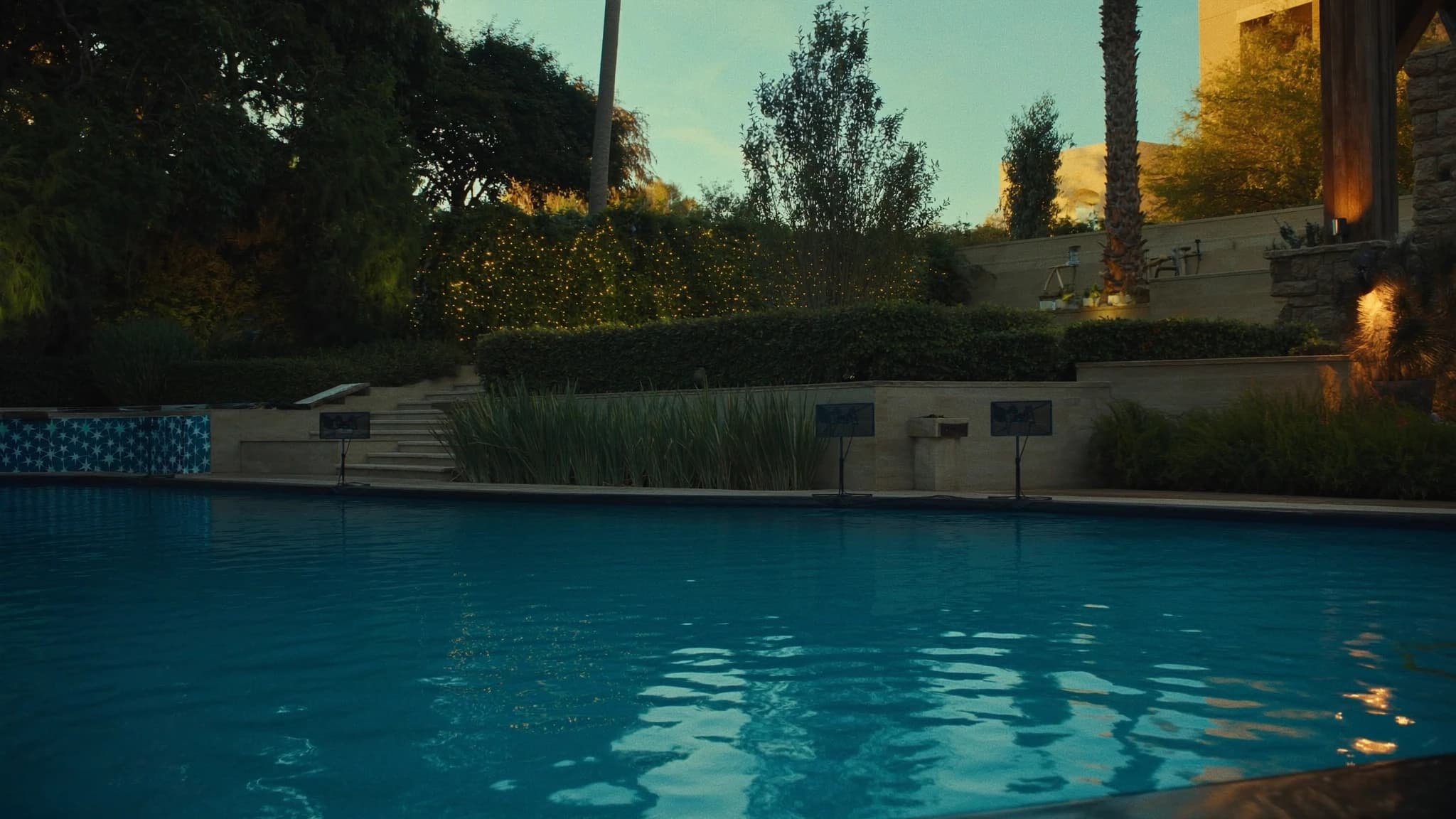
When designing audio for swimming pools and wet areas, standard speakers fail fast, moisture, chlorine, and UV degrade cones, coils, and cabinets within months. SSOUNDS engineers understand that true wet-area sound demands IP-rated waterproofing, corrosion-resistant materials, and intelligent coverage planning to deliver clear, safe audio that lasts. This guide covers the essential criteria for selecting and installing speakers in poolside and wet environments.
Key takeaways
- Choose speakers with at least IP56 rating for poolside; IP67 for splash zones; verify corrosion resistance beyond IP code.
- Use marine-grade stainless steel hardware, UV-stable enclosures, and sealed connectors to prevent moisture and chemical damage.
- For large areas or long cable runs, 100V line systems are more efficient and reliable than low-impedance setups.
- Place speakers along the pool's long sides, angled away from the water surface, to avoid reflections and dead spots.
- Always protect speakers with a high-pass filter and use an amplifier located in a dry, ventilated space.
- SSOUNDS offers IP66-rated, corrosion-resistant speakers with AI-assisted coverage design for guaranteed performance.
Why Standard Speakers Fail in Wet Areas
Moisture is the enemy of conventional loudspeakers. Humidity seeps into paper cones, causing warping and loss of rigidity; metal grilles rust; and untreated wood or MDF cabinets swell and delaminate. Poolside environments add chlorine gas, salt spray (in coastal areas), and UV radiation that accelerate degradation. Even indoor wet areas like steam rooms or showers present condensation issues that short-circuit passive crossovers and corrode terminals.
Most consumer 'outdoor' speakers carry only IP44 or IP54 ratings, splash-resistant but not jet-proof or submersible. For permanent pool installations, SSOUNDS recommends a minimum of IP56 (dust-protected and water-jet resistant) for speakers placed within 3 metres of the water, and IP67 (full dust and temporary immersion) for in-ground or flush-mount units near splash zones. Always verify the rating covers both water ingress and solid particle protection.
Understanding IP Ratings for Poolside Audio
IP (Ingress Protection) ratings consist of two digits: the first (0–6) for solids, the second (0–9) for liquids. For pool areas, the second digit is critical. IPX5 protects against low-pressure water jets; IPX6 against powerful jets; IPX7 against temporary immersion (1m depth, 30 minutes); IPX8 against continuous immersion beyond 1m. A rating like IP66 means dust-tight and protected against powerful water jets, suitable for most poolside zones.
However, IP rating alone doesn't guarantee corrosion resistance. SSOUNDS uses marine-grade 316 stainless steel hardware, UV-stabilised polypropylene or fibreglass-reinforced ABS enclosures, and gold-plated or sealed connectors. The drivers themselves should have treated cones (polypropylene, coated paper, or metal with corrosion coating) and rubber surrounds that resist ozone and chlorine. Always check the manufacturer's full environmental spec, not just the IP code.
Speaker Types for Pool and Wet Areas
For permanent installations, the most common choices are surface-mount satellite speakers, in-ground or in-wall flush-mounts, and landscape speakers disguised as rocks or planters. Surface-mount speakers (often 2-way with a weatherproof tweeter and woofer) are easiest to aim and cover large areas. Flush-mounts offer a clean look but require proper back-box sealing to prevent moisture ingress from behind.
For large pool complexes or commercial resorts, SSOUNDS recommends 100V line (constant voltage) systems. These allow long cable runs (up to hundreds of metres) with minimal power loss, and each speaker has a built-in transformer with tap settings (e.g., 15W, 30W, 60W) to adjust volume per zone. The amplifier must be a 100V type with adequate headroom. For smaller residential pools, low-impedance (4/8 ohm) systems work fine if the total cable run is under 50 metres and wire gauge is sufficient (14 AWG or thicker).
Coverage and Placement Best Practices
Water absorbs high frequencies, so speakers placed too far from listening areas will sound dull. Aim for even coverage with no dead spots: typically one speaker per 30–50 m² of deck or lawn, angled slightly downward to avoid reflecting off the water surface (which causes comb filtering). For rectangular pools, place speakers along the long sides, not at the ends, to minimise echoes off the water.
Never mount speakers directly above the water unless they are rated for overhead wet location (e.g., IP66 with a safety cable). In-ground speakers must be installed with drainage gravel and sealed conduit to prevent water pooling around the driver. SSOUNDS recommends using a dedicated outdoor-rated amplifier with a high-pass filter (e.g., 80 Hz) to protect small speakers from over-excursion at low frequencies, which can damage them in humid conditions.
Materials and Corrosion Resistance
Every component in a wet-area speaker must resist corrosion. SSOUNDS specifies marine-grade stainless steel for grilles, screws, and mounting brackets; aluminium or composite frames for drivers; and rubber or silicone gaskets at every seam. The enclosure should be UV-stable (no yellowing or cracking after years of sun exposure) and non-porous, polypropylene, ABS, or fibreglass are ideal. Avoid painted steel or untreated aluminium.
Cable connections are a common failure point. Use outdoor-rated speaker cable (direct burial rated if underground) with sealed connectors or a weatherproof junction box. For 100V systems, use cable with a minimum of 1.5 mm² cross-section for runs over 100 metres. SSOUNDS also recommends applying dielectric grease on all connectors before assembly to repel moisture.
Amplifier and Signal Considerations
The amplifier should be located in a dry, ventilated area, never inside a pool equipment shed where humidity is high. Use an amplifier with built-in DSP for limiting and EQ to protect speakers from overdrive. For 100V systems, ensure the total wattage tap of all speakers does not exceed 80% of the amplifier's rated power (e.g., 400W total taps on a 500W amp) to avoid clipping.
Wireless audio sources (Bluetooth) are convenient but can suffer from range issues near water. For permanent installations, SSOUNDS recommends a wired source (e.g., a media player in a weatherproof enclosure) or a dedicated Wi-Fi audio streamer with a robust outdoor access point. If using Bluetooth, choose a Class 1 transmitter (100m range) and place it within line of sight of the pool area.
SSOUNDS Approach to Wet-Area Audio
SSOUNDS designs its outdoor-rated systems with the same engineering rigour as its touring line arrays. Our wet-area speakers feature IP66 enclosures, 316 stainless steel hardware, and proprietary driver coatings that resist chlorine and salt. We offer both low-impedance and 100V models, with coverage patterns optimised for open spaces. Every system is simulated using AI-assisted acoustic modelling to predict coverage and intelligibility before installation, ensuring no dead spots or excessive reflections.
For large-scale projects, resorts, water parks, or luxury residential pools. SSOUNDS provides end-to-end design support, including cable routing, amplifier selection, and DSP presets tailored to the environment. Our goal is to deliver audio that sounds as good on day one as it does years later, even in the harshest wet conditions.
Frequently asked
What IP rating is safe for speakers near a swimming pool?
For general poolside (within 3m of water), IP56 is the minimum. For areas subject to splashing or cleaning jets, IP66 or IP67 is recommended. In-ground or flush-mount speakers should be IP67 if they can be temporarily submerged.
Can I use regular outdoor speakers for a pool?
Most 'outdoor' speakers are only splash-resistant (IP44-IP54) and lack corrosion protection against chlorine and UV. They will degrade within a year. Use purpose-built wet-area speakers with IP66+ and marine-grade materials.
How do I run speaker wire near a pool safely?
Use direct burial-rated cable in conduit, keeping runs at least 1.5m from the water edge. Seal all connections with weatherproof junction boxes and dielectric grease. Never run cable under pool coping without proper conduit.
What is the difference between 100V and low-impedance systems for pools?
100V (constant voltage) systems allow longer cable runs with less loss and easy multi-speaker zoning via transformer taps. Low-impedance (4/8 ohm) is simpler for small setups but limited to about 50m cable length. For pools over 100m² or with multiple zones, 100V is preferred.
How do I protect the amplifier from humidity?
Install the amplifier in a dry, ventilated indoor location (not a pool shed). Use a cover if near an open window. Ensure the amp has adequate cooling and is not exposed to condensation. Consider a dedicated outdoor-rated amp with conformal-coated circuit boards for extreme environments.
Building or upgrading a system?
SSOUNDS engineers and manufactures professional PA worldwide, from a single room to stadium scale.