The Best Speakers for Restaurants, Bars and Hospitality
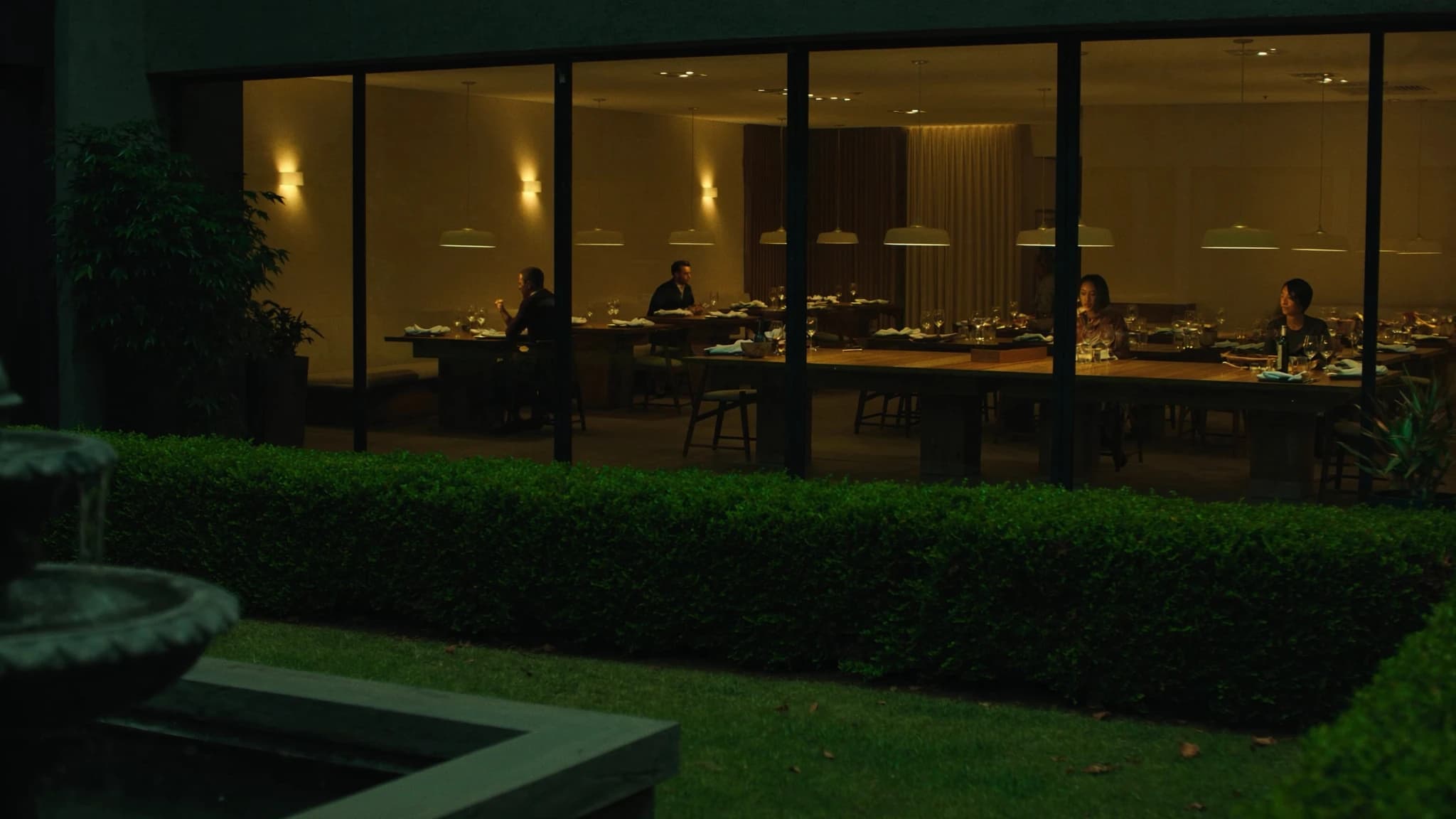
Creating the perfect audio atmosphere in restaurants, bars, and hospitality venues requires more than just loudspeakers, it demands a system designed for background ambience, foreground music, and clear paging, all while blending discreetly into the decor. SSOUNDS brings professional-grade engineering to hospitality, offering ceiling and compact surface speakers that deliver even low-level coverage, flexible zoning, and efficient 100V distribution for multi-zone installations. This guide explores the key considerations and best practices for specifying a system that elevates the guest experience without compromising aesthetics or intelligibility.
Key takeaways
- Hospitality audio requires even low-level coverage (70–85 dB SPL) with minimal variation, best achieved with distributed ceiling or compact surface speakers.
- 100V line distribution is the industry standard for multi-zone installations, allowing long cable runs and simple tap settings per speaker.
- Zoning enables different content and volume levels in dining, bar, patio, and paging zones, with priority override for announcements.
- Discreet aesthetics are critical, choose paintable grilles, low-profile designs, and custom colors to blend with decor.
- Predictive modeling and proper speaker spacing (based on ceiling height and dispersion) ensure consistent coverage without hot or dead spots.
- SSOUNDS offers a complete range of 100V ceiling and surface speakers with DSP amplifiers for turnkey hospitality solutions.
Understanding the Acoustic Demands of Hospitality Spaces
Restaurants, bars, and hotels present unique acoustic challenges: they must support background music that sets a mood, foreground music for energetic zones, and clear paging for announcements, all without overwhelming conversation or creating dead spots. Unlike concert venues, hospitality spaces require even, low-level coverage that avoids hot and cold zones, especially in areas with irregular shapes, high ceilings, or mixed materials like glass and wood.
SSOUNDS engineers approach these spaces by analyzing the room's reverberation time, ambient noise floor, and intended use patterns. For example, a fine-dining restaurant needs a different sound pressure level (SPL) and frequency balance than a sports bar. The goal is to achieve consistent intelligibility for speech and natural reproduction for music, typically at 70–85 dB SPL, using distributed loudspeaker arrays rather than a few high-power units.
Ceiling vs. Compact Surface Speakers: Choosing the Right Form Factor
Ceiling speakers are the go-to choice for hospitality because they disappear into the architecture, providing unobtrusive coverage from above. SSOUNDS ceiling models feature wide dispersion (typically 120° conical) to minimize the number of units needed, and they are available in 100V versions for easy daisy-chaining across zones. They excel in drop ceilings, but can also be surface-mounted with low-profile enclosures.
Compact surface speakers, on the other hand, are ideal when ceiling mounting is impractical, such as in spaces with exposed beams, high atriums, or historical ceilings. SSOUNDS compact surface speakers offer similar dispersion and power handling but can be painted to match walls or ceilings. They are often used in bars and lounges where a visible speaker can be part of the design aesthetic, or in outdoor patios where weather resistance is needed.
100V Distribution: The Backbone of Multi-Zone Hospitality Systems
100V line distribution (also called constant voltage) is the standard for commercial hospitality installations because it allows long cable runs with minimal loss and simple parallel wiring of multiple speakers. SSOUNDS offers a range of 100V transformers integrated into its ceiling and surface speakers, enabling installers to tap power levels (e.g., 1.5W, 3W, 6W, 12W) per speaker to balance coverage and SPL.
This approach simplifies zoning: each zone (e.g., dining room, bar, patio) can have its own amplifier channel or be driven by a single amplifier with separate volume controls. SSOUNDS recommends using a dedicated 100V amplifier with DSP for each zone to tailor EQ and delay, ensuring seamless transitions between areas. For paging, a priority input can override music in selected zones, making announcements clear without disrupting the overall atmosphere.
Zoning Strategies for Flexible Audio Control
Effective zoning allows a hospitality venue to play different content in different areas, for example, upbeat music in the bar, mellow jazz in the dining room, and a separate paging zone for the kitchen. SSOUNDS systems support zoning through multi-channel amplifiers or network-controlled DSP units that can be programmed via a simple wall panel or mobile app.
Best practice involves grouping speakers by acoustic similarity (e.g., all ceiling speakers in one zone) and using a separate subwoofer zone if low-frequency extension is needed for foreground music. SSOUNDS also recommends a dedicated paging microphone with a priority override that automatically ducks music volume by a user-defined amount (e.g., 10–20 dB) to ensure announcements are heard without being jarring.
Achieving Even Low-Level Coverage with Distributed Design
The key to comfortable hospitality audio is even coverage at low listening levels, typically 75–85 dB SPL with minimal variation across the space. SSOUNDS engineers use predictive modeling software to calculate speaker spacing based on ceiling height, dispersion angle, and desired SPL. For a standard 8-foot ceiling, ceiling speakers are typically spaced 10–15 feet apart to maintain ±3 dB uniformity.
In areas with high ambient noise (e.g., near a busy bar or kitchen), additional speakers with higher tap settings may be needed. SSOUNDS also recommends using multiple smaller speakers rather than fewer larger ones to avoid hot spots. For foreground music zones, adding a compact subwoofer (e.g., a 10-inch or 12-inch model) can fill in low frequencies without increasing overall volume, creating a more immersive experience.
Discreet Aesthetics: Blending Speakers into the Decor
Hospitality design demands that technology be seen as little as possible. SSOUNDS ceiling speakers feature paintable grilles and low-profile bezels that can be matched to ceiling tiles. Surface speakers are available in white or black, and can be custom-painted to blend with walls or architectural features. For high-end venues, SSOUNDS offers custom RAL color matching on request.
Beyond color, consider speaker placement: avoid mounting directly above seating areas to prevent a 'localized' sound; instead, aim for even distribution across the ceiling grid. In open-plan spaces, use pendant-mounted speakers that hang from the ceiling, these can be styled as decorative elements. SSOUNDS also offers in-wall subwoofers that can be hidden behind furniture or in soffits, preserving the clean lines of the interior.
Installation Best Practices for Reliable Performance
Proper installation is critical for long-term reliability and sound quality. SSOUNDS recommends using plenum-rated cabling for ceiling runs, and ensuring all 100V connections are properly terminated with no stray strands. Each speaker should be wired in parallel, with total impedance not falling below the amplifier's minimum rating (typically 4 ohms for 100V systems).
Always test coverage with a sound level meter and pink noise after installation, adjusting tap settings as needed. SSOUNDS provides detailed installation manuals and technical support for integrators. For paging systems, ensure the microphone's priority circuit is correctly wired to the amplifier's mute input. Finally, document all zone configurations and tap settings for future maintenance.
Frequently asked
What is the difference between background and foreground music in hospitality?
Background music is played at low volume (typically 70–75 dB) to create ambiance without dominating conversation, often using a wide frequency range. Foreground music is louder (80–85 dB) and more dynamic, intended for energetic zones like bars or dance floors. SSOUNDS systems can handle both with appropriate tap settings and EQ.
How many ceiling speakers do I need for a 1,000 sq ft restaurant?
For an 8-foot ceiling with 120° dispersion speakers, you typically need 6–8 speakers spaced 10–12 feet apart to achieve ±3 dB uniformity. SSOUNDS recommends using predictive modeling software for precise placement based on room shape and obstacles.
Can I use the same amplifier for both ceiling and surface speakers?
Yes, as long as all speakers are 100V compatible and the total wattage does not exceed the amplifier's rated power. SSOUNDS amplifiers feature multiple channels that can drive different zones, each with its own EQ and volume control.
What is the best way to integrate paging with music?
Use a paging microphone with a priority input that automatically ducks (reduces) music volume by a set amount (e.g., 15 dB) when the mic is active. SSOUNDS DSP amplifiers support this function, and you can assign priority to specific zones only.
Are SSOUNDS speakers suitable for outdoor patios?
Yes, SSOUNDS offers weather-resistant surface speakers with IP54 rating for covered patios. For fully exposed areas, use dedicated outdoor models with UV-resistant enclosures and stainless steel hardware.
Building or upgrading a system?
SSOUNDS engineers and manufactures professional PA worldwide, from a single room to stadium scale.