Touring PA: What Goes Into a Concert Rig
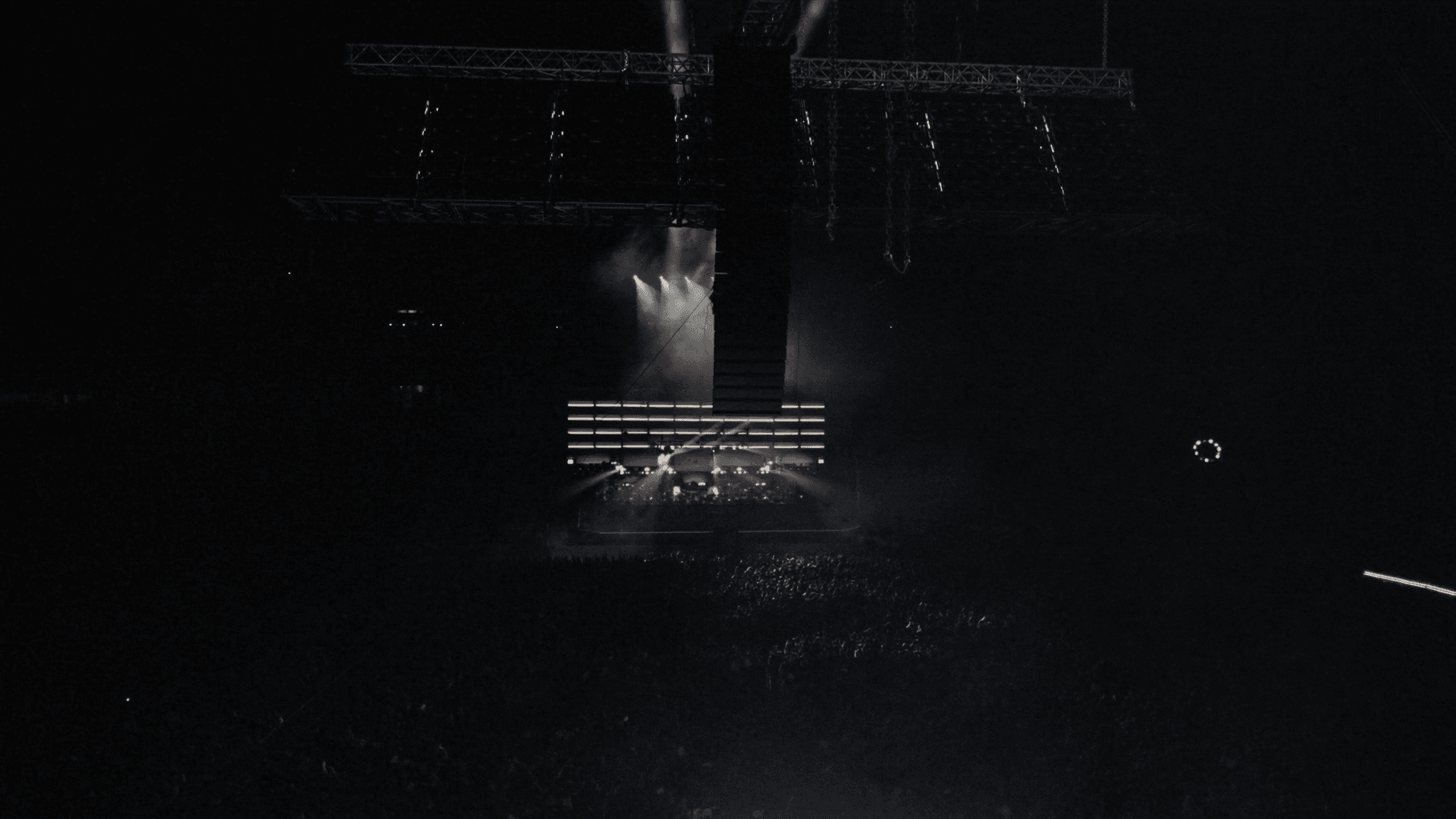
When a band rolls into town and the crowd roars to life, the invisible force behind that experience is a touring PA system—a meticulously engineered concert rig designed to deliver pristine audio night after night, city after city. At SSOUNDS, we build systems that travel the world, from festival main stages to intimate arena tours. This guide breaks down every component of a professional touring PA: front-of-house (FOH), stage monitors, line arrays, subwoofers, amplification, cabling, and the logistics that make it all work. Whether you're a budding system tech or a curious artist, understanding what goes into a concert rig reveals why top-tier sound is both an art and a science.
Key takeaways
- A touring PA consists of FOH, monitors, line arrays, subs, amplifiers, cabling, and logistics—each element critical to the overall performance.
- Line arrays provide uniform coverage by flying multiple cabinets in a curved arc; subwoofers add low-end punch and can be configured in cardioid or end-fire arrays.
- Modern amplifiers with built-in DSP allow precise system tuning and protection, while networked monitoring gives techs real-time control.
- Cabling and power distribution must be robust and organized; every component is packed in flight cases for efficient transport and setup.
- A skilled crew and careful planning are essential for successful tours—SSOUNDS systems are engineered to streamline this process.
Front-of-House: The Command Center
The FOH position is the brain of the operation—typically located at the center of the audience area, where the sound engineer mixes the show. The FOH console receives signals from every microphone and instrument on stage, processes them with EQ, dynamics, and effects, then sends them to the main PA system. Touring rigs often use digital consoles with redundant processing and backup systems to prevent failure. The FOH engineer also controls the system's overall level and tonal balance, using measurement tools like SMAART to tune the PA to the venue.
Beyond the console, the FOH rack houses system processors, such as SSOUNDS DSP units, which handle crossover frequencies, delay alignment, and limiting for each speaker enclosure. These processors ensure that the line arrays, subs, and fills work as a cohesive system. A well-designed FOH setup includes a dedicated power distribution unit (PDU) and network switches for digital audio transport (e.g., Dante or AVB). In a touring rig, every cable is labeled and every signal path is tested before show day.
Stage Monitors: Hearing Yourself On Stage
While the audience hears the main PA, performers rely on stage monitors to hear themselves and each other. Traditional wedge monitors sit on the floor, angled up toward the musicians. Touring-grade monitors, like SSOUNDS stage wedges, are built to withstand high SPLs and constant abuse, with rugged enclosures and protective grilles. Each monitor is powered by its own amplifier channel and fed from a separate monitor console (or from the FOH console with a dedicated monitor engineer).
In-ear monitors (IEMs) have become standard on tours, reducing stage volume and improving clarity. IEM systems consist of a transmitter, bodypack receivers, and custom-molded earbuds. The monitor engineer mixes a unique feed for each performer, often including click tracks, cues, and ambient microphones. Even with IEMs, many tours still carry a few wedge monitors for guests or as backup. The monitor system must be tuned to avoid feedback and provide consistent coverage across the stage.
Line Arrays: The Backbone of Coverage
Line arrays are the most visible part of any large concert rig. They consist of multiple identical loudspeaker cabinets flown vertically in an arc, creating a coherent wavefront that projects sound evenly over long distances. SSOUNDS line array systems are engineered with precise waveguide designs and neodymium drivers to deliver high SPL with low distortion. The curvature (splay) between cabinets determines vertical coverage—tighter splay for longer throw, wider splay for nearfield coverage.
A typical touring line array hangs 12 to 24 boxes per side, depending on venue size. The arrays are flown from motorized hoists attached to structural steel or truss. System techs use prediction software (like EASE Focus or SSOUNDS proprietary tools) to calculate the optimal array configuration for each venue. Ground-stacked subwoofers are often placed in front of or beside the arrays, while side fills and front fills cover extreme angles. The goal is uniform SPL and frequency response across the entire audience area.
Subwoofers: The Low-End Foundation
Subwoofers handle frequencies below 100 Hz, providing the punch and rumble that move a crowd. Touring subs are typically large-format enclosures with 18-inch or 21-inch drivers, powered by high-current amplifiers. SSOUNDS subwoofers are designed for both performance and portability, with integrated rigging points and casters. Common configurations include cardioid arrays, which reduce low-frequency energy radiating upstage (toward the stage) and improve clarity for performers.
Subwoofers can be ground-stacked in front of the stage, flown alongside line arrays, or placed in end-fire or gradient arrays to direct bass. The number of subs depends on the desired SPL and venue size—major tours may use 24 to 48 subs per side. Crossover settings and delay alignment between subs and mains are critical for a seamless blend. SSOUNDS DSP presets simplify this process, allowing engineers to quickly match the system to the room.
Amplifiers and DSP: The Muscle and the Brain
Every loudspeaker in a touring PA requires amplification. Modern touring systems use lightweight, high-power Class-D amplifiers with built-in DSP. SSOUNDS amplifiers deliver thousands of watts per channel while weighing under 20 kg, making them easy to rack and transport. The DSP handles crossover filters, EQ, limiting, and delay—all tailored to the specific loudspeaker model. Amplifiers are typically housed in shock-mounted flight cases with redundant power supplies and network control.
Amplifier racks are often located near the stage or flown with the line arrays to minimize cable runs. Networked control allows the system tech to monitor amplifier status, temperature, and output levels from a tablet or laptop. In large tours, multiple amplifier racks are daisy-chained via AES3 or Dante for digital audio distribution. The combination of efficient amplification and precise DSP ensures that the system operates at peak performance while protecting the drivers from damage.
Cabling and Power Distribution: The Nervous System
A touring PA requires miles of cable—speaker cables, signal cables, network cables, and power cables. All cabling must be rugged, clearly labeled, and organized for quick setup and teardown. Speakon connectors are standard for speaker cables, while XLR and EtherCon are used for analog and digital signals. Power distribution starts at the venue's main breaker panel, feeding a series of PDUs that supply clean, regulated power to amplifiers, consoles, and processing gear.
Grounding and power conditioning are essential to prevent hum and protect sensitive electronics. Many tours carry their own distro boxes and heavy-gauge feeder cable. Cable management is a logistical art: every cable is coiled, bagged, and color-coded. A typical rig includes spare cables for every type, along with adapters and testers. The system tech's responsibility is to ensure that every signal path is intact and free of noise—a process that begins during load-in and continues through soundcheck.
Logistics: Packing, Transport, and Crew
Touring a PA system is a massive logistical undertaking. A typical concert rig fills multiple semi-trucks, with each component packed in custom flight cases. Cases are designed with wheels, handles, and stacking features to facilitate loading. Inventory management is critical: every case is numbered and inventoried, and a detailed patch list tells the crew where each cable connects. A touring crew includes system techs, FOH and monitor engineers, riggers, and stagehands.
Load-in and load-out follow strict schedules. The system tech coordinates with the venue's rigging team to hang the line arrays, while the audio crew runs cables and sets up consoles. Soundcheck allows the engineer to tune the system and address any issues. After the show, the crew breaks down the entire system in reverse order, often working through the night. SSOUNDS systems are designed for rapid deployment—with quick-release rigging, pre-wired amplifier racks, and intuitive DSP presets—so that the crew can focus on delivering great sound, not fighting the gear.
Frequently asked
How many line array boxes are typically used on a tour?
The number varies by venue size and desired SPL. Small clubs may use 8-12 boxes per side, while large arenas and festivals often deploy 16-24 per side. SSOUNDS systems are scalable, allowing tours to add or remove cabinets as needed.
What is the difference between active and passive touring PA systems?
Active systems have built-in amplifiers and DSP in each speaker, simplifying cabling but adding weight. Passive systems use external amplifiers, offering flexibility and easier serviceability. Many large tours prefer passive setups for reliability and centralized control.
How do you transport a touring PA?
Components are packed in custom flight cases with foam padding and wheels. Cases are loaded onto trucks using lift gates or ramps. A typical arena rig fills 2-4 semi-trailers. SSOUNDS designs enclosures with integrated rigging and ergonomic handles to reduce setup time.
What is cardioid subwoofer configuration?
Cardioid sub arrays use multiple subwoofers with specific spacing and delay to cancel sound radiating upstage, reducing low-frequency energy on stage. This improves monitor clarity and overall system control. SSOUNDS DSP includes presets for common cardioid patterns.
How long does it take to set up a touring PA?
Setup time depends on system size and crew experience. A typical arena rig can take 4-8 hours for load-in, rigging, and cabling, followed by 1-2 hours for tuning and soundcheck. SSOUNDS systems are designed for fast deployment with pre-wired racks and quick-release hardware.
Building or upgrading a system?
SSOUNDS engineers and manufactures professional PA worldwide — from a single room to stadium scale.