AI in LED-video en realtime content
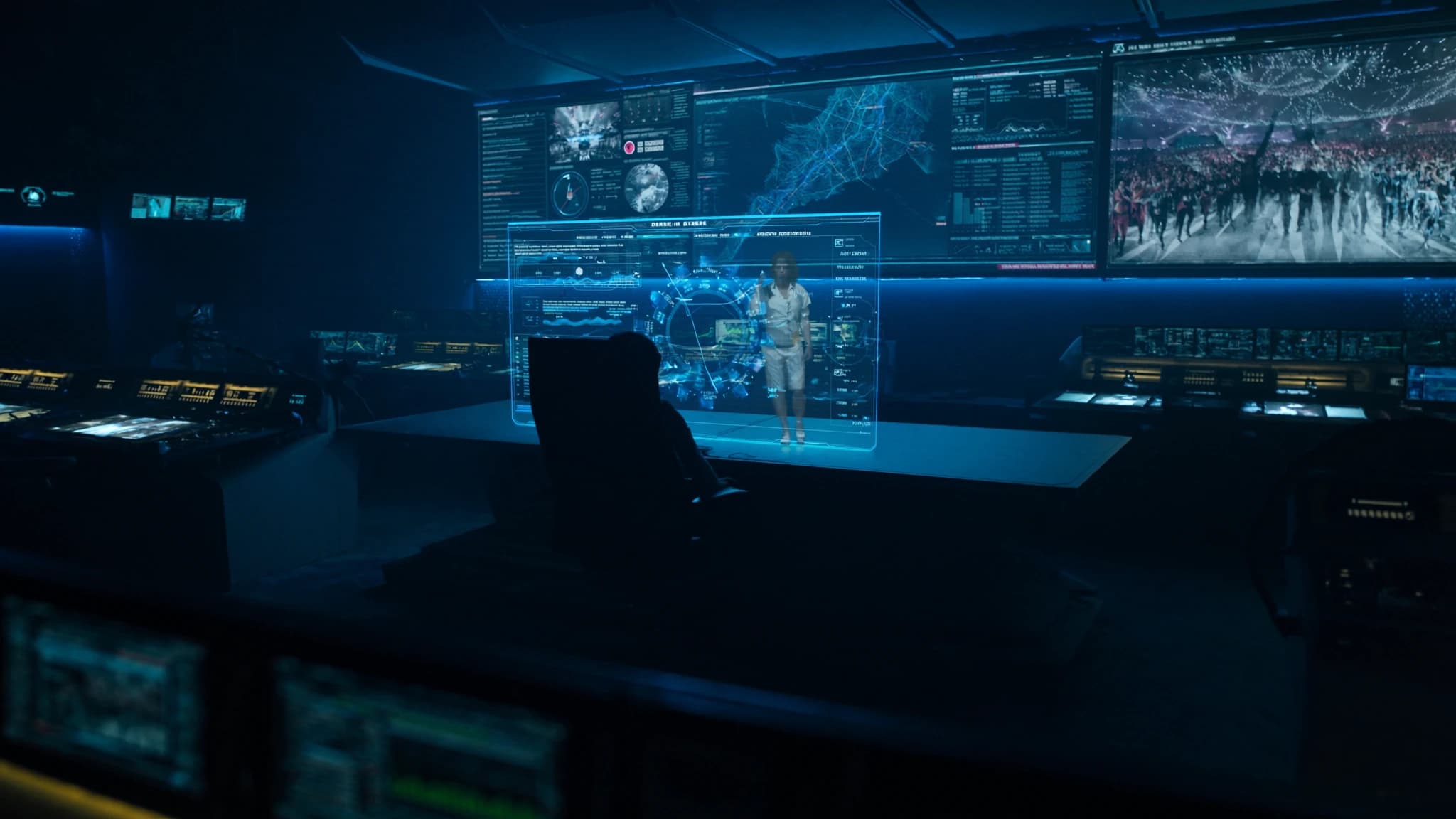
AI transformeert LED-videowalls van statische displays in dynamische, intelligente canvassen. Door realtime generatieve visuals, audioreactieve graphics en AI-upscaling mogelijk te maken, kunnen contentmakers nu immersieve ervaringen leveren die zich aanpassen aan publiek en omgeving. SSOUNDS, als leider in professionele audio-visuele integratie, onderzoekt hoe deze technologieën live-evenementen en installaties naar een hoger niveau tillen.
Belangrijkste punten
- AI maakt realtime generatieve visuals mogelijk die zich aanpassen aan inputs zoals audio en publieksdata, waardoor LED-walls dynamisch worden.
- Audioreactieve graphics gebruiken machine learning om geluidskenmerken te mappen naar visuele effecten voor immersieve ervaringen.
- AI-upscaling verbetert content met lage resolutie voor grote LED-walls, behoudt details en vermindert artefacten.
- Verwerking met lage latentie en hardwaresynchronisatie zijn cruciaal voor naadloze integratie met audiosystemen.
- SSOUNDS-expertise in audio-visuele sync zorgt ervoor dat AI-gestuurde content betrouwbaar presteert in live-evenementen en installaties.
- Toepassingen variëren van concerten en festivals tot bedrijfsevenementen, waardoor de afhankelijkheid van vooraf geproduceerde content afneemt.
Realtime generatieve visuals
AI-aangedreven tools zoals Stable Diffusion en GAN's genereren nu on-the-fly visuals met hoge resolutie, reagerend op inputs zoals publieksbeweging, weer of social media feeds. Voor LED-walls betekent dit eindeloze, unieke content zonder vooraf te renderen. Systemen zoals NVIDIA's Omniverse integreren met LED-processors om 3D-scènes in realtime te renderen, terwijl AI framerates en resolutie optimaliseert om te matchen met pixel pitches.
SSOUNDS-engineers werken samen met partners om AI-gestuurde mediaservers te implementeren die generatieve content synchroniseren met audiosystemen, zodat visuele en sonische elementen cohesief reageren. Dit is bijzonder krachtig in concertsettings waar LED-walls deel uitmaken van de performance en mee veranderen met de muziek.
Audioreactieve graphics
AI-algoritmen kunnen audiosignalen in realtime analyseren en tempo, frequentie en amplitude extraheren om visuele effecten op LED-walls aan te sturen. Dit gaat verder dan eenvoudige beatdetectie; machine learning-modellen classificeren geluidstypes (zang, drums, bas) en mappen ze naar specifieke visuele lagen, waardoor een werkelijk gesynchroniseerde ervaring ontstaat.
Voor SSOUNDS is deze synergie natuurlijk. Onze luidsprekersystemen leveren nauwkeurige audio die AI met lage latentie kan analyseren, waardoor LED-walls kunnen pulseren, golven of exploderen in kleur bij elke noot. Dit is ideaal voor nachtclubs, festivals en gebedshuizen waar immersie essentieel is.
AI-upscaling voor grote schermen
LED-walls vereisen vaak content op native resolutie (bijv. 4K of 8K), maar bronmateriaal kan lager zijn. AI-upscaling gebruikt deep learning om details toe te voegen, artefacten te verminderen en scherpte in realtime te verbeteren. Tools zoals Topaz Video AI of NVIDIA's DLSS kunnen 1080p naar 4K upscalen met minimale latentie, cruciaal voor live-evenementen.
SSOUNDS raadt aan om AI-upscalers te combineren met hoogwaardige LED-processors om kleurnauwkeurigheid en frame-integriteit te behouden. Dit zorgt ervoor dat zelfs legacy-content er onberispelijk uitziet op grote displays, waardoor de bruikbaarheid van bestaande medialibraries wordt verlengd.
Workflow-integratie en hardware
Het implementeren van AI-gestuurde content vereist een robuuste pipeline: inputs vastleggen (audio, sensoren, data), verwerken via AI-modellen (op GPU-servers of edge-apparaten) en output naar LED-controllers. Lage latentie is cruciaal, onder 50 ms voor interactieve installaties. SSOUNDS werkt samen met mediaservermerken zoals Disguise en Pixera om deze keten te optimaliseren.
Hardwarekeuzes zijn belangrijk: NVIDIA RTX GPU's voor rendering, speciale AI-versnellers (bijv. Intel Movidius) en LED-processors met hoge bandbreedte (zoals Brompton of Novastar). SSOUNDS zorgt ervoor dat audio- en videosystemen klokgesynchroniseerd zijn, waardoor drift tussen geluid en visuals wordt voorkomen.
Toepassingen in live-evenementen en installaties
Concerten: AI genereert visuals die reageren op het spel van muzikanten, waardoor elke avond een unieke show ontstaat. Festivals: Grote LED-walls tonen generatieve kunst aangedreven door publieksgeluid of social media hashtags. Bedrijfsevenementen: Realtime datavisualisatie (bijv. beurstickers, publiekspolls) dynamisch gerenderd.
SSOUNDS heeft dergelijke systemen ingezet in tourproducties en permanente installaties, waar AI-content de behoefte aan vooraf geproduceerde videobestanden vermindert en snelle aanpassing aan akoestiek of lichtomstandigheden van de locatie mogelijk maakt.
Uitdagingen en overwegingen
Latentie blijft de grootste horde. AI-verwerking kan vertragingen introduceren die de sync met audio verbreken. Oplossingen zijn onder meer het optimaliseren van modellen voor inferencesnelheid en het gebruik van hardwareversnelling. De contentkwaliteit varieert ook; AI-gegenereerde visuals kunnen inconsistentie vertonen, wat menselijk toezicht vereist.
SSOUNDS adviseert rigoureus testen met de daadwerkelijke LED-wall en het audiosysteem om timing en visuele getrouwheid te waarborgen. Redundantie in verwerking (dubbele GPU's) voorkomt crashes tijdens live-shows. Daarnaast moet de licentiëring van AI-modellen en trainingsdata worden geverifieerd voor commercieel gebruik.
Veelgestelde vragen
Welke hardware is nodig voor AI-gestuurde LED-content?
Een GPU-server (bijv. NVIDIA RTX) voor AI-verwerking, een mediaserver (zoals Disguise of Pixera) en een LED-processor (Brompton of Novastar). SSOUNDS raadt aan om audio- en videoklokken te synchroniseren om drift te voorkomen.
Kan AI-upscaling in realtime werken voor live-evenementen?
Ja, met speciale hardware zoals NVIDIA DLSS of Topaz Video AI is upscaling van 1080p naar 4K mogelijk met minder dan 50 ms latentie, geschikt voor live-optredens.
Hoe blijft audioreactieve content in sync?
AI analyseert audio in realtime met behulp van algoritmen met lage latentie, en de visuele output wordt getimed op de audiosampleklok. SSOUNDS-systemen bieden nauwkeurige audiotiming voor accurate synchronisatie.
Is AI-gegenereerde content betrouwbaar voor professionele shows?
Ja, maar het vereist测试 en menselijk toezicht. AI-modellen kunnen onverwachte resultaten opleveren, dus een back-upmediaserver met vooraf gerenderde content wordt aanbevolen.
Wat zijn de voordelen van AI ten opzichte van traditionele contentcreatie?
AI vermindert de productietijd, maakt realtime aanpassing aan publiek of omgeving mogelijk en creëert unieke ervaringen die onmogelijk vooraf te renderen zijn.
Een systeem bouwen of upgraden?
SSOUNDS ontwerpt en produceert professionele PA wereldwijd, van een enkele ruimte tot stadionformaat.