Hybride DJ-sets: de complete gids
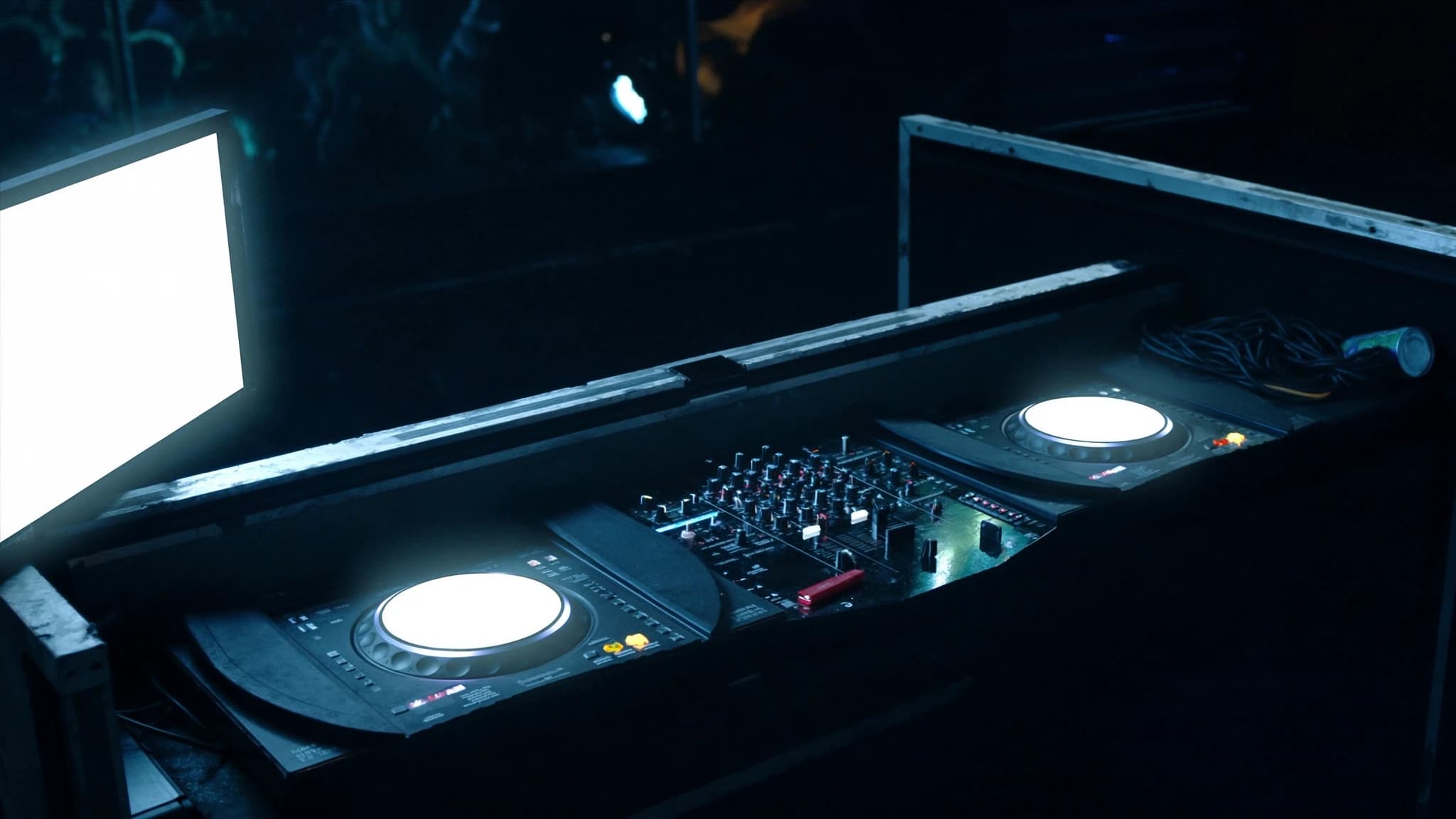
Hybride DJ-sets, waarbij CDJ's en draaitafels samengaan met samplers, drumcomputers, synths en een DAW via een meerkanaals mixer, herdefiniëren live-optredens. In 2026 is deze fusie van traditioneel DJ'en en live-productie de dominante trend geworden, wat een nieuw begrip van signaalflow, monitoring en PA-integratie vereist. Deze gids behandelt alles wat je nodig hebt om een hybride opstelling te bouwen, te routeren en te versterken met professionele helderheid.
Belangrijkste punten
- Hybride DJ-sets combineren afspeelbronnen met live-instrumenten, wat een meerkanaals mixer en zorgvuldige signaalroutering vereist.
- Signaalflow moet worden gepland om ruis, latency en routingconflicten te voorkomen; gebruik gebalanceerde kabels en correcte gain-staging.
- Monitoring is cruciaal: scheid clicktracks en cue-mixen van de hoofd-PA om timing te behouden zonder het publiek af te leiden.
- PA-systemen moeten een breed dynamisch bereik en scherpe transiënten van live-apparatuur aankunnen; SSOUNDS-luidsprekers excelleren in transiëntrespons en dekking.
- Essentiële apparatuur omvat een meerkanaals mixer, afspeelbronnen, drumcomputer, synth, sampler en DAW met multi-output interface.
- De hybride trend groeit in 2026 door publieksvraag naar unieke, live-geproduceerde sets en toegankelijke technologie.
Wat is een hybride DJ-set?
Een hybride DJ-set combineert het afspelen van vooraf voorbereide tracks (van CDJ's, draaitafels of een laptop met Rekordbox/Traktor) met live elektronische instrumenten: drumcomputers, synthesizers, samplers en effectprocessors. De mixer wordt de centrale hub, doorgaans een meerkanaals rotary- of DJ-mixer met voldoende ingangen voor zowel stereobronnen als externe apparatuur. De DAW (bijv. Ableton Live) fungeert vaak als master-sequencer of extra geluidsbron, gesynchroniseerd via MIDI-clock om alles in de maat te houden.
Deze aanpak vervaagt de grens tussen DJ en producer, en maakt on-the-fly remixen, live herarrangementen en unieke overgangen mogelijk die statische playlists niet kunnen bereiken. Voor het publiek betekent het een set die organisch evolueert; elke performance is werkelijk eenmalig.
Signaalflow: de ruggengraat van je opstelling
Een typische hybride opstelling zou kunnen routeren: CDJ-2000's op kanalen 1-2, draaitafels met DVS op kanalen 3-4, een TR-8S drumcomputer op kanaal 5, een Minilogue XD synth op kanaal 6, en een laptop met Ableton via een audio-interface met 4 uitgangen op kanalen 7-8. De master-uitgang van de mixer gaat naar de PA, terwijl een aparte booth-uitgang je monitorsysteem voedt.
Monitoring: hoor wat je nodig hebt, niet wat het publiek hoort
Pro-tip: gebruik een kleine subwoofer in de booth om de kickdrum te voelen, wat helpt bij beatmatchen wanneer je meerdere ritmische elementen laagt. De compacte stage monitors van SSOUNDS, ontworpen voor hoge SPL met lage vervorming, zijn ideaal voor hybride opstellingen waar helderheid over het hele frequentiespectrum essentieel is.
PA-integratie: laat je hybride set massief klinken
Overweeg voor grote locaties een multi-zone PA met delays voor dekking achterin. De complexiteit van je hybride set vraagt om een systeem dat consistent geluid levert van de eerste rij tot achterin. De geavanceerde DSP-presets van SSOUNDS kunnen op de ruimte worden afgestemd, waardoor de luisterervaring voor zowel de DJ als het publiek wordt geoptimaliseerd.
Essentiële apparatuur voor een hybride DJ-opstelling
SSOUNDS biedt een reeks luidsprekers en subwoofers die perfect passen bij hybride opstellingen, met de helderheid en kracht die nodig zijn om zowel opgenomen tracks als live-instrumentatie recht te doen. Onze systemen zijn ontworpen voor snelle opbouw en consistente prestaties, of je nu in een club, op een festival of in een intieme locatie staat.
De trend van 2026: waarom hybride sets blijven
SSOUNDS loopt voorop in deze beweging, met luidsprekersystemen die de transparantie en headroom leveren die nodig zijn voor hybride optredens. Ons engineeringteam werkt nauw samen met artiesten om de eisen van live elektronische muziek te begrijpen, zodat onze producten voldoen aan de behoeften van de moderne performer.
Veelgestelde vragen
Heb ik een speciale mixer nodig voor hybride DJ-sets?
Ja, een meerkanaals mixer met ten minste 4-6 stereokanalen, individuele EQ en aux-sends wordt aanbevolen. Modellen zoals de Allen & Heath Xone:96 of Pioneer DJM-V10 zijn populaire keuzes.
Hoe synchroniseer ik mijn DAW met CDJ's?
Gebruik MIDI-clock van je DAW naar een MIDI-interface die naar CDJ's stuurt (als ze MIDI ondersteunen) of gebruik Ableton Link via WiFi voor temposynchronisatie. Als alternatief kun je handmatig beatmatchen op het gehoor.
Kan ik een hybride opstelling gebruiken met een standaard club-PA?
Ja, maar zorg dat de PA voldoende headroom heeft voor live transiënten. Communiceer met de geluidstechnicus over je opstelling en doe een grondige soundcheck.
Wat is de beste manier om een clicktrack te monitoren zonder dat het publiek het hoort?
Routeer de click naar een aparte uitgang van je audio-interface of mixer-aux-send die alleen naar je koptelefoon of IEM's gaat. Stuur hem nooit naar de master-PA.
Is een hybride set moeilijker te mixen dan een traditionele DJ-set?
Het vereist meer voorbereiding en begrip van signaalflow, maar veel DJ's vinden het creatiever en bevredigender. Oefen je routing en overgangen van tevoren.
Een systeem bouwen of upgraden?
SSOUNDS ontwerpt en produceert professionele PA wereldwijd, van een enkele ruimte tot stadionformaat.