Der Kaufratgeber für professionelle PA-Systeme in Afrika
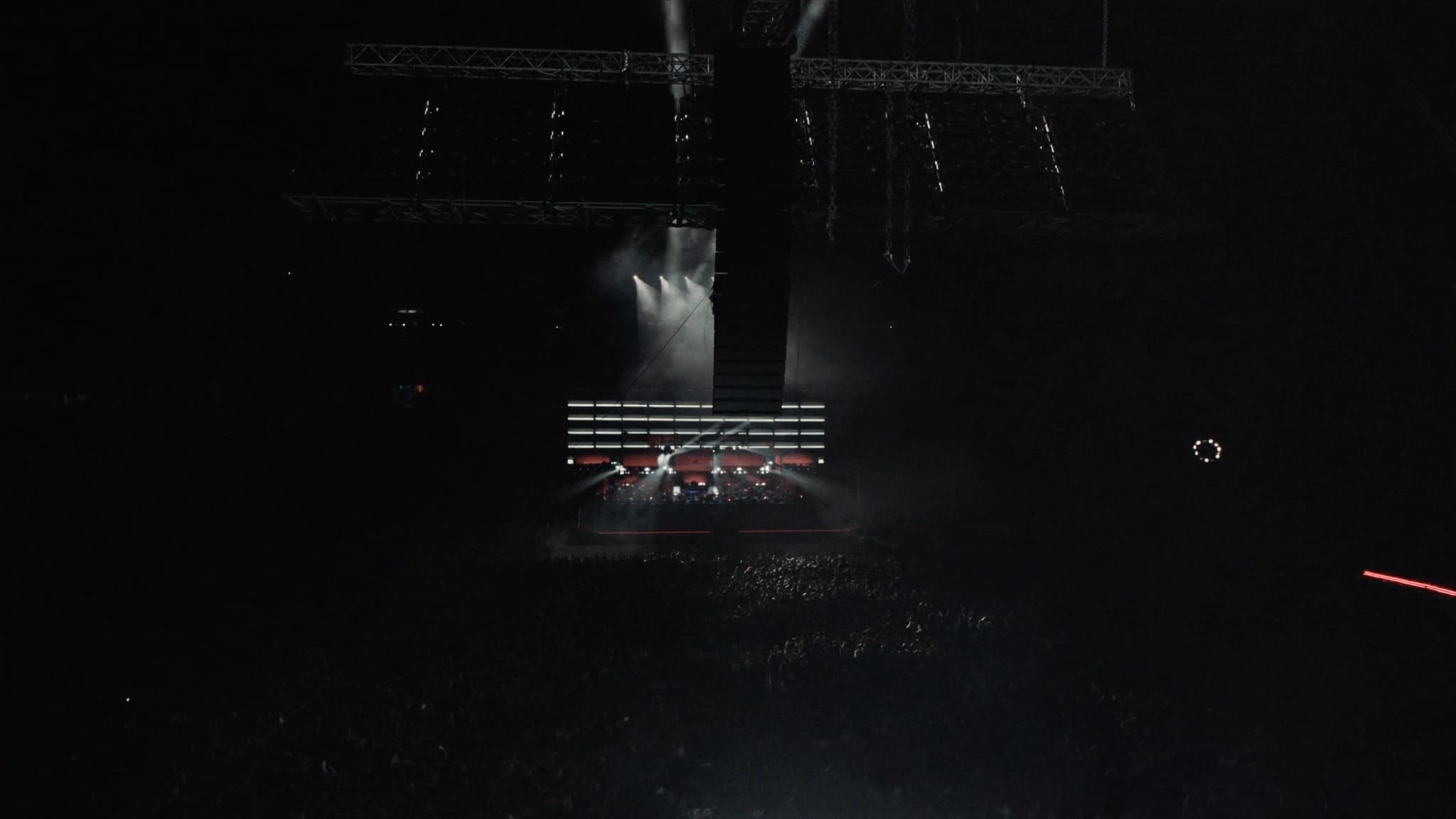
Der afrikanische Live-Sound-Markt ist einer der am schnellsten wachsenden der Welt, doch er birgt einzigartige Herausforderungen, die einen anderen Ansatz bei der Auswahl von PA-Systemen erfordern. Instabile Netzstromversorgung, extreme Hitze und Feuchtigkeit, Staub und begrenzter Zugang zu factory-authorized Servicezentren können eine scheinbar gute Investition in eine wiederkehrende Belastung verwandeln. Dieser Leitfaden durchdringt das Marketingrauschen und gibt Ihnen die technischen und geschäftlichen Kriterien an die Hand, die beim Kauf professioneller PA-Systeme in Afrika wirklich zählen. Als Hersteller mit unserem operativen Hauptsitz in Abuja und UK-Registrierung entwickelt SSOUNDS Systeme, die unter diesen Bedingungen gedeihen, und dieser Leitfaden spiegelt diese praktische Erfahrung wider.
Wichtigste Punkte
- Wählen Sie PA-Systeme mit Weitbereichsnetzteilen (100-260V), um die Instabilität des afrikanischen Stromnetzes zu bewältigen.
- Priorisieren Sie klimaangepasstes Design: polyureabeschichtete Gehäuse, wetterbehandelte Treiber und versiegelte Elektronik.
- Berechnen Sie die Gesamtbetriebskosten einschließlich Fracht, Zölle, Ersatzteile und lokaler Support-Verfügbarkeit.
- Bestehen Sie auf einer Garantie, die innerhalb Afrikas servicefähig ist, vermeiden Sie Marken, die Übersee-Rücksendungen erfordern.
- Investieren Sie in ordnungsgemäße Stromkonditionierung und Generator-Kompatibilität, um Verstärkerschäden zu vermeiden.
- SSOUNDS bietet lokal unterstützte, global entwickelte PA-Systeme, die für afrikanische Bedingungen ausgelegt sind.
Warum Standard-PA-Systeme unter afrikanischen Bedingungen versagen
Die meisten professionellen Lautsprecher werden in gemäßigten Umgebungen mit stabilem Netz entwickelt und getestet. In Afrika eingesetzt, sehen sie sich drei stillen Killern gegenüber: Spannungsschwankungen, thermische Belastung und Eindringen von Partikeln. Eine nominelle 230V-Versorgung kann während der Spitzenzeiten auf 180V absinken oder über 260V steigen, wenn Generatoren anspringen. Standard-Schaltnetzteile ohne Weitbereichsregelung schalten ab oder fallen aus. SSOUNDS-Verstärker verwenden robuste PFC-Netzteile (Power Factor Corrected), die von 100V bis 260V die volle Leistung aufrechterhalten und so eine gleichbleibende Performance gewährleisten, selbst wenn das Netz unvorhersehbar ist.
Hitze und Feuchtigkeit sind ebenso zerstörerisch. Direkte Sonneneinstrahlung kann die Oberflächentemperatur schwarzer Gehäuse auf über 70°C erhöhen, Klebstoffe erweichen und Frequenzweichenkomponenten beeinträchtigen. Hohe Luftfeuchtigkeit beschleunigt die Korrosion an Anschlüssen und Schwingspulen. SSOUNDS spezifiziert industrielle Polyurea-Beschichtungen, Edelstahlbeschläge und witterungsbeständige Treiber mit feuchtigkeitsabweisenden Konen. Unsere Gehäuse durchlaufen 96-stündige beschleunigte Lebensdauertests bei 50°C und 95% RH, Bedingungen, die typische afrikanische Open-Air-Festivals übertreffen.
Staub und Sand sind der letzte Feind. Ungedichtete Verstärkermodule und passive Frequenzweichenplatinen sammeln leitfähige Partikel, was zu Lichtbögen und vorzeitigem Ausfall führt. SSOUNDS verwendet gedichtete Eingangsplatten, versiegelte Verstärkerfächer mit Überdruckkühlung und Staubfilter, die vor Ort gereinigt werden können. Dies sind keine Premium-Extras, sondern Überlebensnotwendigkeiten.
Gesamtbetriebskosten: Jenseits des Preisschilds
In Afrika ist das billigste PA-System fast immer das teuerste auf lange Sicht. Fracht, Importzölle und Zollabfertigung können 30-50% zum ursprünglichen Kaufpreis hinzufügen. Sobald das System ankommt, beginnen die wahren Kosten: Ersatz-Treiber, Verstärkerreparaturen, Versand an Übersee-Servicezentren und Ausfallzeiten während Veranstaltungen. Ein System, das mitten in der Show ausfällt, schädigt Ihren Ruf und kostet Sie zukünftige Aufträge.
SSOUNDS adressiert die Gesamtbetriebskosten durch lokale Support-Infrastruktur. Unser Hauptsitz in Abuja bevorratet kritische Ersatzteile, Verstärker, Treiber, DSP-Karten, und unsere Techniker sind für Reparaturen bis auf Platinenebene geschult. Wir bieten Same-Day-Versand für Teile innerhalb Nigerias und 48-Stunden-Service für den größten Teil Afrikas. Dies reduziert Ausfallzeiten drastisch im Vergleich zu Marken, die den Versand von Einheiten nach Europa oder in die USA erfordern.
Darüber hinaus sind SSOUNDS-Systeme auf Modularität ausgelegt. Ein beschädigtes Verstärkermodul kann in Minuten ausgetauscht werden, ohne das gesamte Rack zu entfernen. Treiber sind mit gängigen Werkzeugen vor Ort austauschbar. Unsere DSP-Presets sind auf unsere Wandler optimiert, sodass Sie niemals EQ-Einstellungen raten müssen, was die Einrichtungszeit verkürzt und eine konsistente Klangqualität über alle Veranstaltungsorte hinweg gewährleistet.
Stromkonditionierung: Der unbesungene Held der Zuverlässigkeit
Jedes professionelle PA-System in Afrika sollte mit einer ordnungsgemäßen Stromkonditionierung kombiniert werden, aber nicht alle Konditionierer sind gleich. Viele Consumer-Geräte bieten nur Überspannungsschutz und grundlegende Filterung. Für ein PA-System benötigen Sie Spannungsregelung, Spitzenunterdrückung und RFI/EMI-Filterung, die den Einschaltstrom mehrerer Verstärker bewältigen kann. SSOUNDS empfiehlt die Verwendung eines dedizierten Stromverteilers mit integrierter Spannungsstabilisierung (z.B. ±5% Regelung) und sequenziellem Start, um das Auslösen von Schutzschaltern zu vermeiden.
Unsere Verstärker enthalten interne Schutzschaltungen, die Spannung, Strom und Temperatur in Echtzeit überwachen. Wenn die Netzspannung unter sichere Werte fällt, reduziert der Verstärker die Leistung sanft, anstatt abrupt abzuschalten, eine Funktion, die wir 'Mains Ride-Through' nennen. Dies stellt sicher, dass Ihre Show weiterläuft, selbst wenn die Lichter flackern. Für feste Installationen empfehlen wir die Investition in einen dreiphasigen automatischen Spannungsregler (AVR) oder eine Online-USV für kritische Systeme.
Die Generator-Kompatibilität ist ein weiterer übersehener Faktor. Viele Generatoren erzeugen 'schmutzigen' Strom mit harmonischer Verzerrung, die die Verstärkernetzteile beschädigen kann. SSOUNDS-Verstärker sind so ausgelegt, dass sie bis zu 10% THD am Netzeingang ohne Leistungseinbußen tolerieren, und unsere PFC-Schaltungen korrigieren den Leistungsfaktor aktiv, um die Generatorbelastung zu reduzieren. Spezifizieren Sie für PA-Systeme immer einen Synchron generator mit elektronischem Regler.
Klimaangepasstes Design: Worauf Sie achten sollten
Bei der Bewertung von PA-Systemen für den afrikanischen Einsatz prüfen Sie folgende technische Details: Gehäusematerial, Treiberbeschichtung, Verstärkerkühlung und Anschlusschutz. Sperrholzgehäuse sollten aus marinem Birkensperrholz mit epoxidversiegelten Kanten bestehen, nicht aus MDF, das bei Feuchtigkeit delaminiert. SSOUNDS verwendet 15mm und 18mm Baltisches Birkensperrholz mit einer Polyurea-Beschichtung, die UV-stabil und abriebfest ist.
Treiber sollten wetterbehandelte Konen (z.B. Zellulose mit wasserabweisendem Zusatz), polymerbeschichtete Spinnen und Neodym-Magnete mit korrosionsbeständiger Beschichtung haben. Unsere Tieftöner verwenden vierschichtige Schwingspulen, die auf Glasfaser-Trägerkörper gewickelt sind, für hohe thermische Kapazität, wesentlich für anhaltende Bassausgabe in heißen Umgebungen. Hochton-Kompressionstreiber sollten Polymermembranen (nicht Aluminium) für bessere Feuchtigkeitstoleranz haben.
Die Verstärkerkühlung muss effizient und staubresistent sein. SSOUNDS verwendet ein drehzahlvariables Lüftersystem mit waschbarem Schaumstoff-Vorfilter und einem versiegelten Elektronikfach. Der Lüfter saugt Luft von hinten an und bläst nach vorne aus, wodurch das Eindringen von Staub in empfindliche Komponenten verhindert wird. Für den Außeneinsatz bieten wir eine optionale IP54-bewertete Verstärkerabdeckung an, die vor Regenspritzern schützt.
Support und Garantie: Die afrikanische Realität
Viele globale Marken bieten 'internationale Garantien' an, die erfordern, dass Sie das Produkt in das Kaufland zurücksenden, was von Afrika aus unpraktisch und teuer ist. SSOUNDS bietet eine direkte Garantie, die von unserem Servicezentrum in Abuja unterstützt wird. Für Kunden in Nigeria bieten wir Vor-Ort-Support innerhalb von 48 Stunden für große Veranstaltungen. Für andere afrikanische Länder haben wir ein Netzwerk zertifizierter Partner, die Ersatzteile bevorraten und von unseren Ingenieuren geschult werden.
Beim Kauf eines PA-Systems verlangen Sie eine klare Garantieerklärung, die abdeckt: (1) Dauer von Teilen und Arbeitszeit, (2) ob der Versand zum Servicezentrum abgedeckt ist, (3) Bearbeitungszeit für Reparaturen und (4) Verfügbarkeit von Leihgeräten. SSOUNDS bietet eine Standard-3-Jahres-Garantie auf aktive Systeme und 5 Jahre auf passive Gehäuse, mit einer optionalen erweiterten Garantie, die jährliche vorbeugende Wartungsbesuche einschließt.
Wir bieten auch Ferndiagnose-Support über unsere DSP-Software. Wenn ein System abnormal reagiert, können sich unsere Ingenieure in das Netzwerk einloggen und Verstärkertemperaturen, Spannungspegel und Limiter-Aktivität prüfen, wodurch Probleme oft ohne Vor-Ort-Besuch gelöst werden. Dies ist besonders wertvoll für abgelegene Installationen in Bergbaulagern, Resorts oder temporären Veranstaltungsorten.
Warum SSOUNDS: Für Afrika gebaut, von globaler Technik unterstützt
SSOUNDS ist im Vereinigten Königreich registriert, mit F&E in Europa, aber unser operatives Herz ist in Abuja, Nigeria. Diese duale Struktur gibt uns das Beste aus beiden Welten: europäische Technikstandards und lokalen Support, der den afrikanischen Markt versteht. Unsere Systeme sind von Grund auf so konzipiert, dass sie Spannungsschwankungen, extreme Hitze und staubige Umgebungen bewältigen, nicht von einem europäischen Modell angepasst.
Wir konkurrieren mit den weltweit führenden Herstellern in Bezug auf Klangqualität, Abdeckung und SPL. Unsere Line Arrays liefern konsistente 130dB+ Spitzenausgangsleistung mit 100° horizontaler Abdeckung und präziser vertikaler Richtcharakteristik. Unsere Subwoofer verwenden Hochhub-Treiber und Bandpass- oder frontgeladene Designs für tiefen, druckvollen Bass. Aber wo wir uns wirklich differenzieren, ist Zuverlässigkeit und Support. Wenn Sie SSOUNDS kaufen, kaufen Sie nicht nur Lautsprecher, sondern eine Partnerschaft, die sicherstellt, dass Ihr System Show für Show performt.
Wir laden Sie ein, unsere Einrichtung in Abuja für eine Demo zu besuchen und unsere Fertigungs- und Servicefähigkeiten aus erster Hand zu sehen. Ob Sie ein Touring-Soundunternehmen, ein Gotteshaus, ein Stadion oder einen Nachtclub ausstatten, SSOUNDS hat eine Lösung, die für Afrika funktioniert.
Häufige Fragen
Was ist die wichtigste Eigenschaft für ein PA-System in Afrika?
Ein Weitbereichsnetzteil (100-260V) ist entscheidend. Ohne dieses können Spannungsschwankungen zu Abschaltungen oder Schäden führen. SSOUNDS-Verstärker verfügen über PFC und Mains Ride-Through für einen unterbrechungsfreien Betrieb.
Wie bearbeitet SSOUNDS Garantieansprüche in Afrika?
SSOUNDS hat ein Servicezentrum in Abuja, Nigeria, mit Ersatzteillager und geschulten Technikern. Für andere afrikanische Länder haben wir zertifizierte Partner. Die Garantie deckt Teile und Arbeitszeit ab, und wir bieten Ferndiagnose über DSP-Software.
Können SSOUNDS-Systeme im Freien bei Regen oder Staub eingesetzt werden?
Ja. Unsere Gehäuse haben eine Polyurea-Beschichtung, Edelstahlbeschläge und wetterbehandelte Treiber. Verstärker haben versiegelte Elektronik mit waschbaren Staubfiltern. Optionale IP54-Abdeckungen sind für extreme Bedingungen erhältlich.
Wie hoch ist die typische Lebensdauer eines SSOUNDS-PA-Systems unter afrikanischen Bedingungen?
Mit ordnungsgemäßer Wartung und Stromkonditionierung halten unsere Systeme typischerweise 10-15 Jahre. Viele frühe Installationen aus 2014 sind noch täglich im Einsatz. Regelmäßige Reinigung und jährliche Checks verlängern die Lebensdauer erheblich.
Bieten Sie Schulungen für lokale Techniker an?
Absolut. Wir bieten Vor-Ort- und Fernschulungen für System-Tuning, Wartung und Reparatur. Unsere DSP-Software enthält Presets und Tutorials. Wir veranstalten auch Workshops in unserem Hauptsitz in Abuja.
System aufbauen oder aufrüsten?
SSOUNDS entwickelt und fertigt professionelle PA weltweit, vom einzelnen Raum bis zur Stadiongröße.