AI Energy Optimisation for Event Power
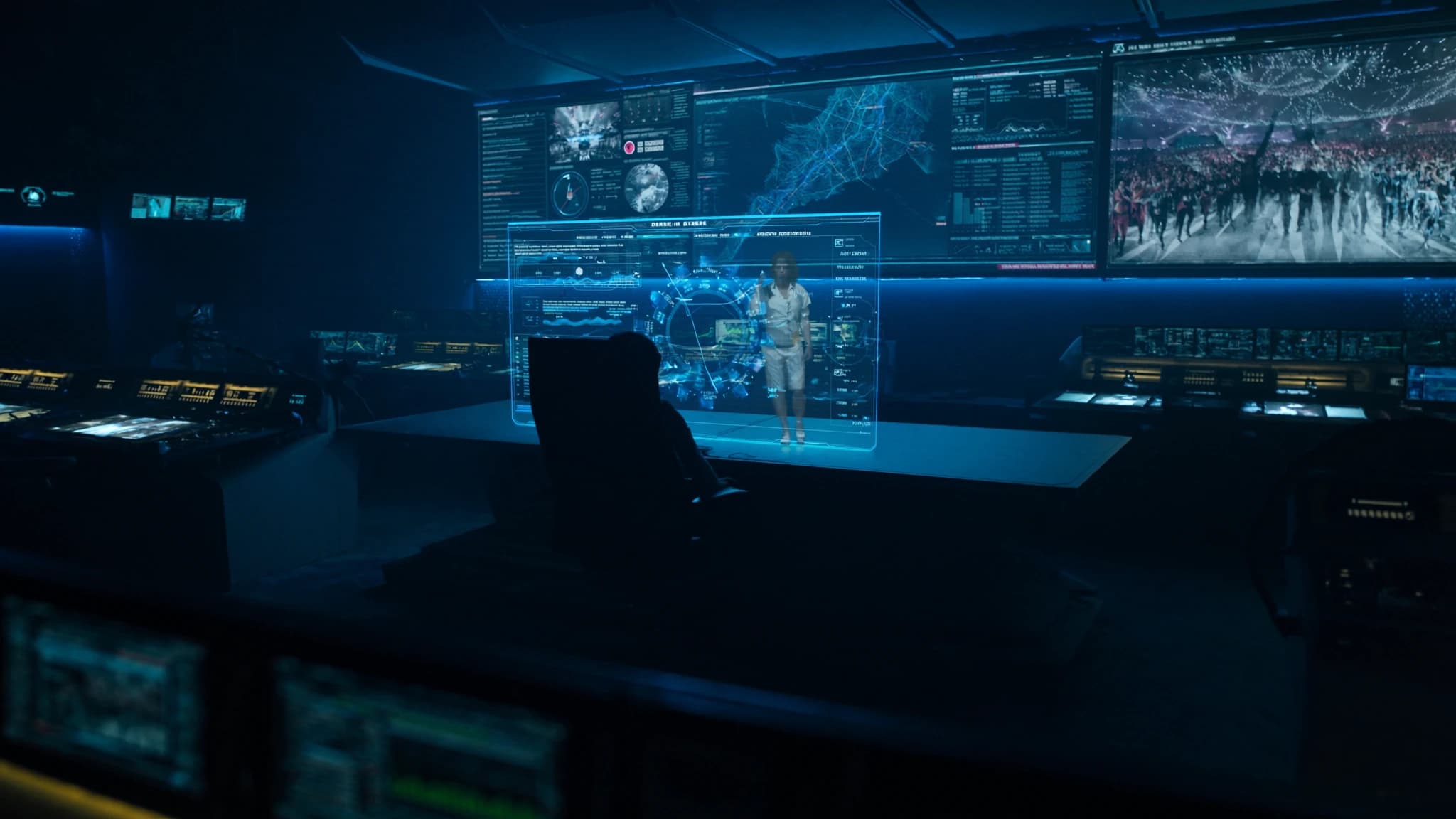
As the live events industry pushes toward sustainability, AI-powered energy optimisation is transforming how shows manage hybrid power systems combining generators, batteries, and solar. By forecasting loads and intelligently switching between sources, AI reduces fuel consumption, emissions, and operational costs without compromising performance. SSOUNDS integrates these smart energy strategies into our system design to help production teams run cleaner, quieter, and more efficient events.
Key takeaways
- AI load forecasting predicts power demand with >90% accuracy, enabling precise hybrid system sizing.
- Smart switching transitions between generator, battery, and solar in milliseconds, optimising fuel use.
- Fuel savings of 40–60% and CO₂ reductions of up to 16 tonnes per large festival are achievable.
- Integrating AI with audio networks allows prioritisation of critical loads and cleaner power delivery.
- SSOUNDS supports sustainable events with energy-efficient loudspeakers and power system guidance.
- Adoption of AI energy optimisation reduces costs, emissions, and noise while enhancing reliability.
The Hybrid Power Challenge in Live Events
Traditional event power relies heavily on diesel generators, which are reliable but inefficient, often running at partial load, wasting fuel, and generating noise and emissions. Hybrid systems that pair generators with battery storage and solar panels can cut fuel use by 30–50%, but managing the interplay between sources requires real-time decision-making. Without intelligent control, operators default to running the generator continuously, negating the benefits.
AI solves this by continuously monitoring power demand, battery state of charge, solar input, and generator efficiency. It predicts load curves based on show schedules, weather forecasts, and historical data, then automatically switches sources to keep the generator operating near its optimal load (typically 70–80%) or shuts it off entirely when batteries and solar can carry the load.
Load Forecasting: How AI Predicts Power Needs
AI load forecasting uses machine learning models trained on thousands of event datasets, including audio system draw, lighting cues, HVAC, and catering peaks. For example, during a festival, the power demand spikes during headliner sets and drops overnight. AI learns these patterns and predicts the next 24 hours of consumption with over 90% accuracy.
SSOUNDS engineers work with power management partners to incorporate these forecasts into system design. By knowing exactly when peak demand will occur, we can size battery banks and solar arrays more precisely, avoiding oversizing (which wastes capital) or undersizing (which risks brownouts). The AI also accounts for variables like cloud cover affecting solar yield, adjusting the generator schedule dynamically.
Smart Switching: Seamless Source Transitions
AI-driven smart switching is the heart of hybrid energy optimisation. The system uses solid-state relays and inverters to transition between generator, battery, and solar in milliseconds, imperceptible to audio equipment and lighting. When battery levels are high and solar is abundant, the generator can be turned off entirely, cutting fuel use and emissions to zero during those periods.
If a cloud passes or a sudden lighting rig kicks in, the AI pre-emptively starts the generator before the battery dips below a safe threshold. This 'predictive start' avoids the inefficiency of a cold start under heavy load. SSOUNDS recommends integrating these controllers with the audio network (e.g., via Dante or AES67) so that the AI can also prioritise non-critical loads during emergencies.
Fuel and Emissions Reduction: Measurable Impact
Real-world deployments of AI-optimised hybrid power have demonstrated fuel savings of 40–60% compared to generator-only setups, with corresponding CO₂ reductions. For a three-day festival consuming 10,000 litres of diesel, that means 4,000–6,000 litres saved, and up to 16 tonnes of CO₂ avoided. Additionally, generator run-time drops by 50–70%, reducing maintenance costs and noise pollution.
SSOUNDS encourages event organisers to pair these systems with our energy-efficient loudspeaker designs, which deliver high SPL per watt. By combining low-draw audio with AI power management, the total carbon footprint of a show can be cut by more than half. We also provide guidance on battery chemistry (LiFePO₄ preferred for cycle life) and solar panel orientation to maximise ROI.
Implementation: From Planning to Show Day
Deploying AI energy optimisation starts with an energy audit: measuring all connected loads, their duty cycles, and peak demands. SSOUNDS can recommend power distribution topologies that isolate sensitive audio gear from noisy generator power, ensuring clean supply. The AI controller is then programmed with the event schedule and weather data.
During the event, a dashboard displays real-time metrics: generator load, battery SOC, solar yield, fuel consumption, and emissions saved. Operators can override AI decisions if needed, but in practice, the system runs autonomously. Post-event reports provide detailed analytics for future improvements, creating a cycle of continuous optimisation.
The Future: AI and the Sustainable Show
As battery costs fall and solar efficiency rises, AI-optimised hybrid power will become standard for events of all sizes. SSOUNDS is committed to advancing this technology by collaborating with power management innovators and integrating energy data into our system design tools. The goal is a show that runs entirely on renewables for hours at a time, with the generator only as a backup.
Event professionals who adopt AI energy optimisation today gain a competitive edge: lower costs, greener credentials, and compliance with tightening emissions regulations. It's not just about saving fuel, it's about redefining what a sustainable live experience looks like.
Frequently asked
How does AI forecast power demand for an event?
AI models are trained on data from past events, including audio, lighting, and HVAC loads, plus weather and schedule inputs. They predict consumption patterns hour by hour, allowing the hybrid system to pre-charge batteries and schedule generator runs optimally.
Can AI energy optimisation work with existing generators and batteries?
Yes, most AI controllers are retrofittable to standard generators and battery inverters. They communicate via Modbus or CAN bus to monitor and control sources. SSOUNDS can advise on compatibility and integration.
What happens if the AI fails or loses connectivity?
Systems are designed with fail-safes: the generator defaults to running continuously, and batteries continue to supply power via their internal inverters. Manual override is always available. Redundant controllers can be deployed for critical events.
How much does an AI-optimised hybrid system cost compared to traditional generator-only?
Initial investment is higher due to batteries, solar, and controller, but fuel and maintenance savings typically pay back within 1–3 years. For large events, the total cost of ownership is often lower, especially with rising fuel prices.
Does SSOUNDS sell AI power management hardware?
SSOUNDS focuses on loudspeaker systems and provides guidance on integrating third-party AI energy solutions. We partner with leading power management companies to ensure seamless compatibility for our clients.
Building or upgrading a system?
SSOUNDS engineers and manufactures professional PA worldwide, from a single room to stadium scale.