Applications
Sound Systems for Rehearsal Rooms and Band Studios
A rehearsal room is the one space where the PA is not the loudest thing in it, and everything about the design follows from that.
What this application asks of a system
A rehearsal room inverts the usual problem. In a venue the system is the source and the audience is at a distance. Here an unamplified drum kit already runs well past 110 dB a few metres away, the guitar amps are aimed at head height, and the PA exists to put vocals above all of it in a room small enough that nobody is more than a few metres from anything. Output is rarely the limit. Getting a voice to sit above a kit without simply adding level is.
The low end is a room problem before it is a loudspeaker problem. Below roughly 200 Hz a small rectangular room is dominated by its own modes, so bass is strong in one corner and missing two metres away, and the band hears a different balance from every position. Answering that with a bigger subwoofer makes the unevenness worse rather than better, which is why the compact boxes belong here and the touring subs do not.
Then there is the hour count. Musicians spend far more time at high level in rehearsal than on stage, in a room with hard parallel surfaces and no audience to absorb anything. Even coverage at a sensible level is a hearing-health decision as much as a tonal one. And the kit is moved, leaned on and re-patched daily by people who did not install it, so anything that can be knocked out of alignment eventually will be.
What we look at first
- Gain before feedback with open vocal mics standing a metre from the wedges, which decides the design more than output does
- Even coverage at short distance, where a few degrees of pattern change who hears what
- Controlled low end rather than maximum low end, because room modes below 200 Hz dominate a small room
- A level the room can sustain for hours, set in practice by the drummer rather than by an engineer
- Cabinets and grilles that survive daily handling, re-patching and being leaned on
- Presets a band cannot break, because nobody tunes the room before a rehearsal
Recommended SSOUNDS products
Grouped by the job each product does in this kind of system. Specifications live on the product pages and in the data sheets, so nothing is restated here.
Room PA
Vocals and playback over live backline at close range, in a room where coverage matters more than output.
SSOUNDS
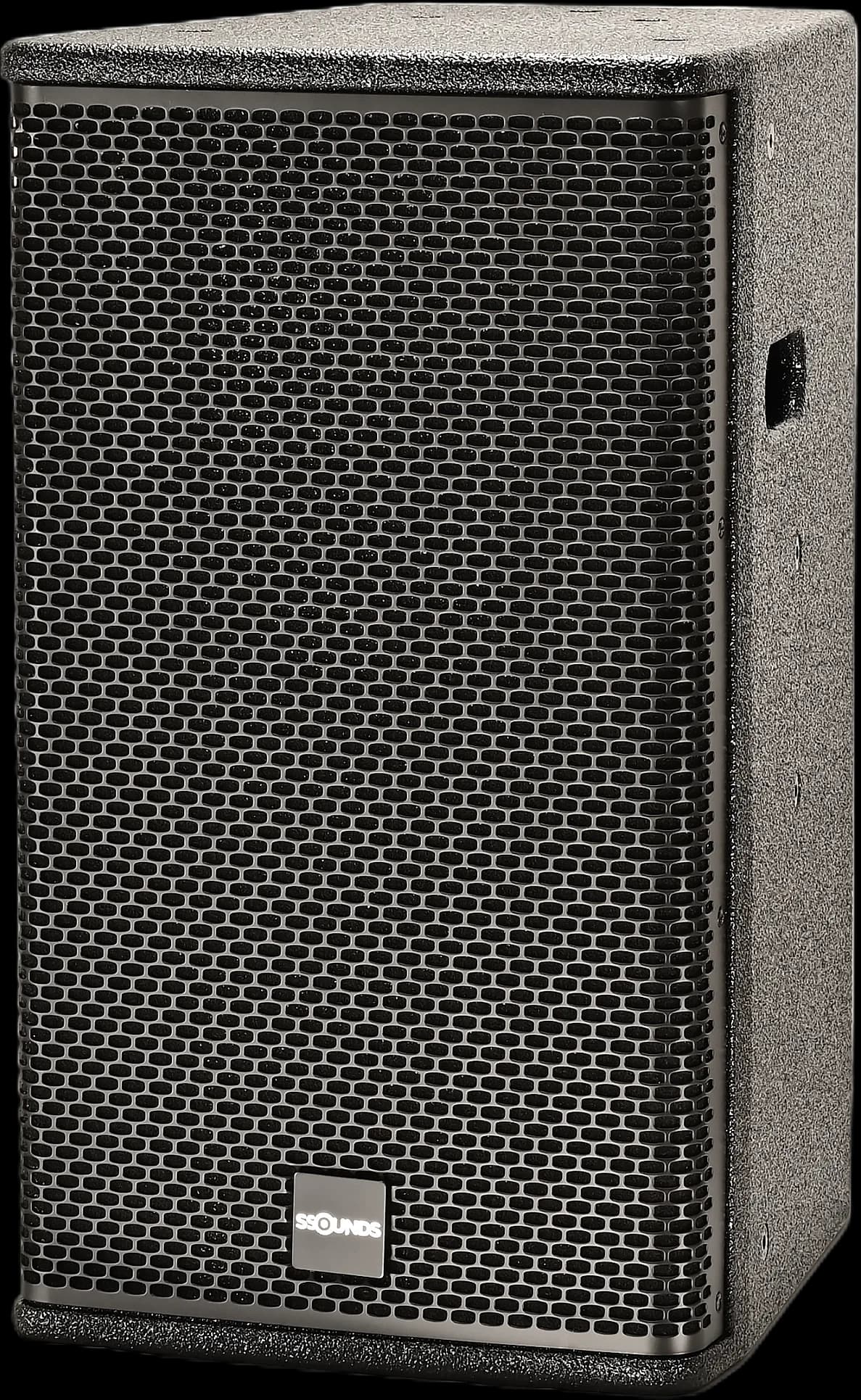
SSOUNDS M-10
10″ full-range, compact mains or monitor with strong vocal projection.
SSOUNDS
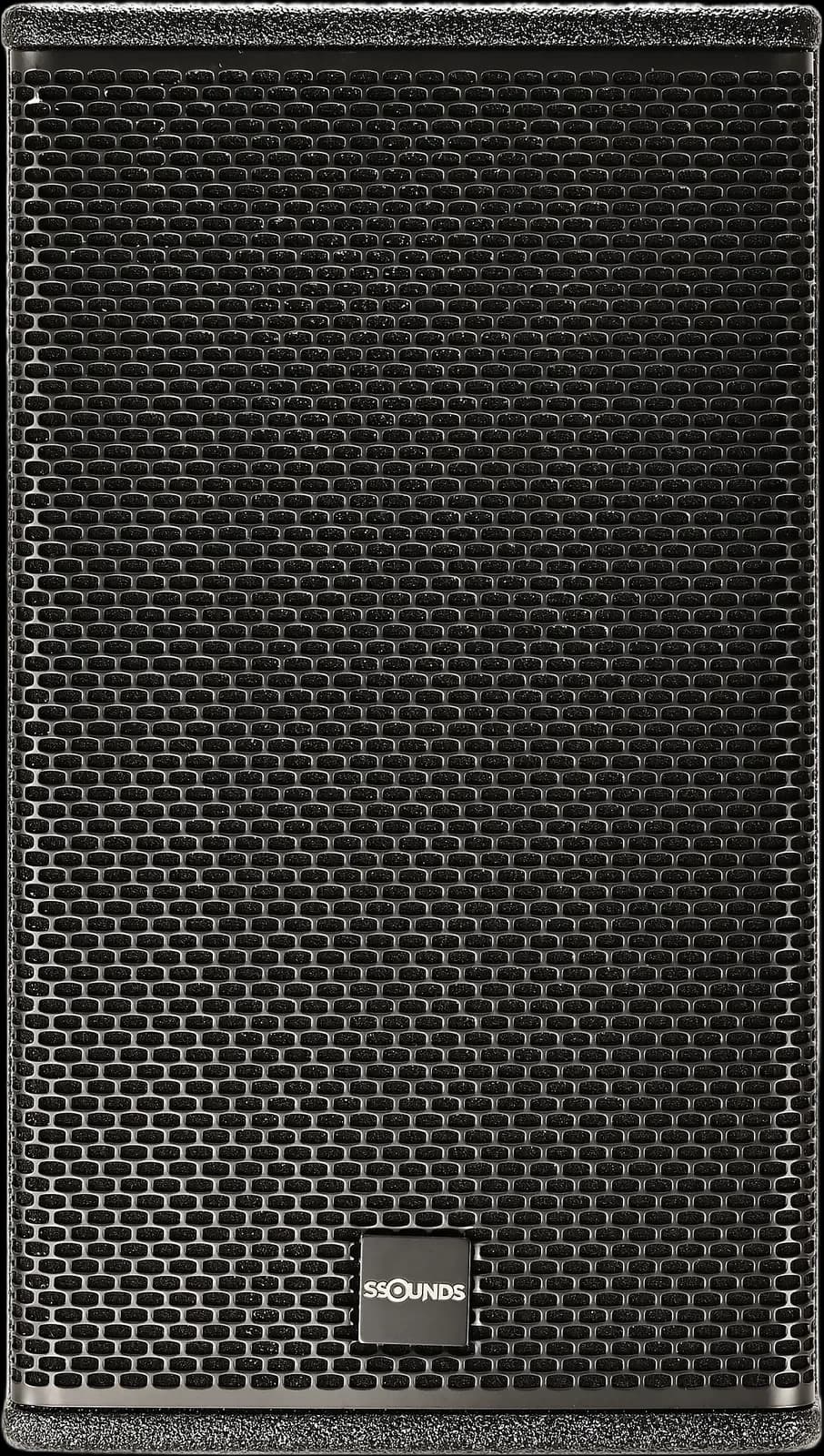
SSOUNDS M-12
12″ full-range point source, mains or floor wedge, the all-rounder of the M-series.
SSOUNDS
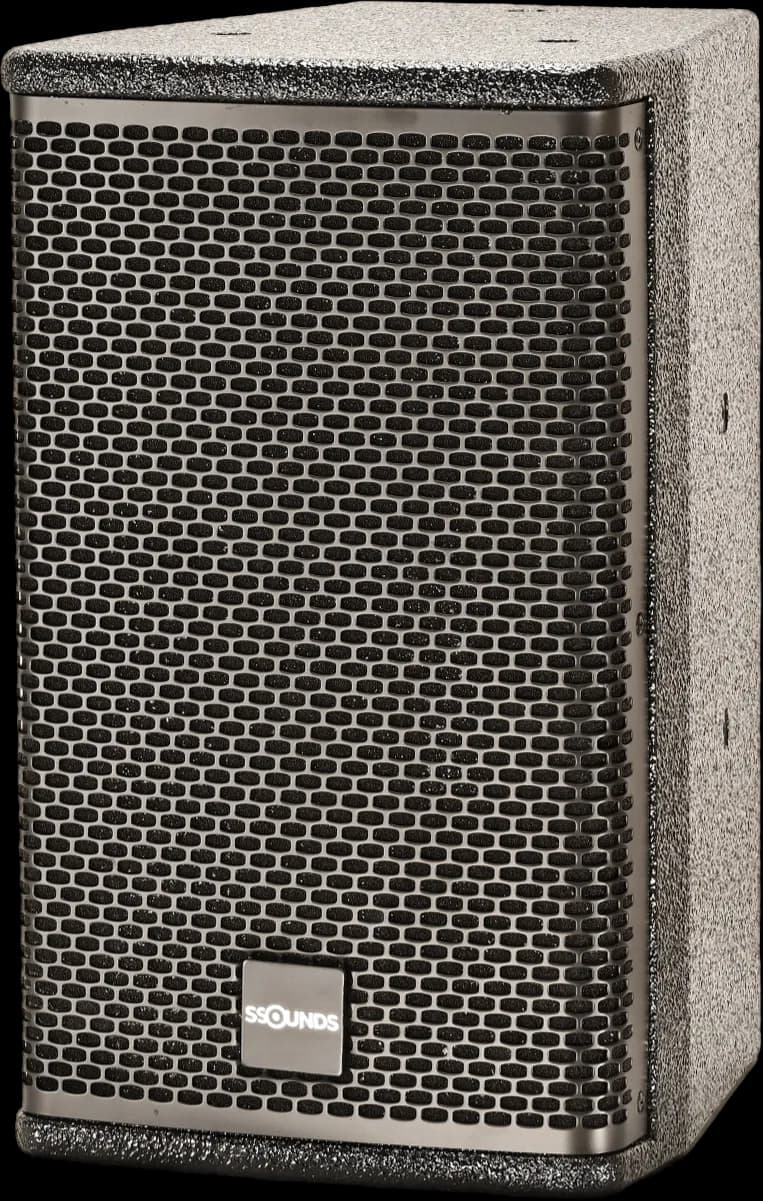
SSOUNDS M-8
8″ full-range, high-output multipurpose box for portable PA, fill and install.
SSOUNDS
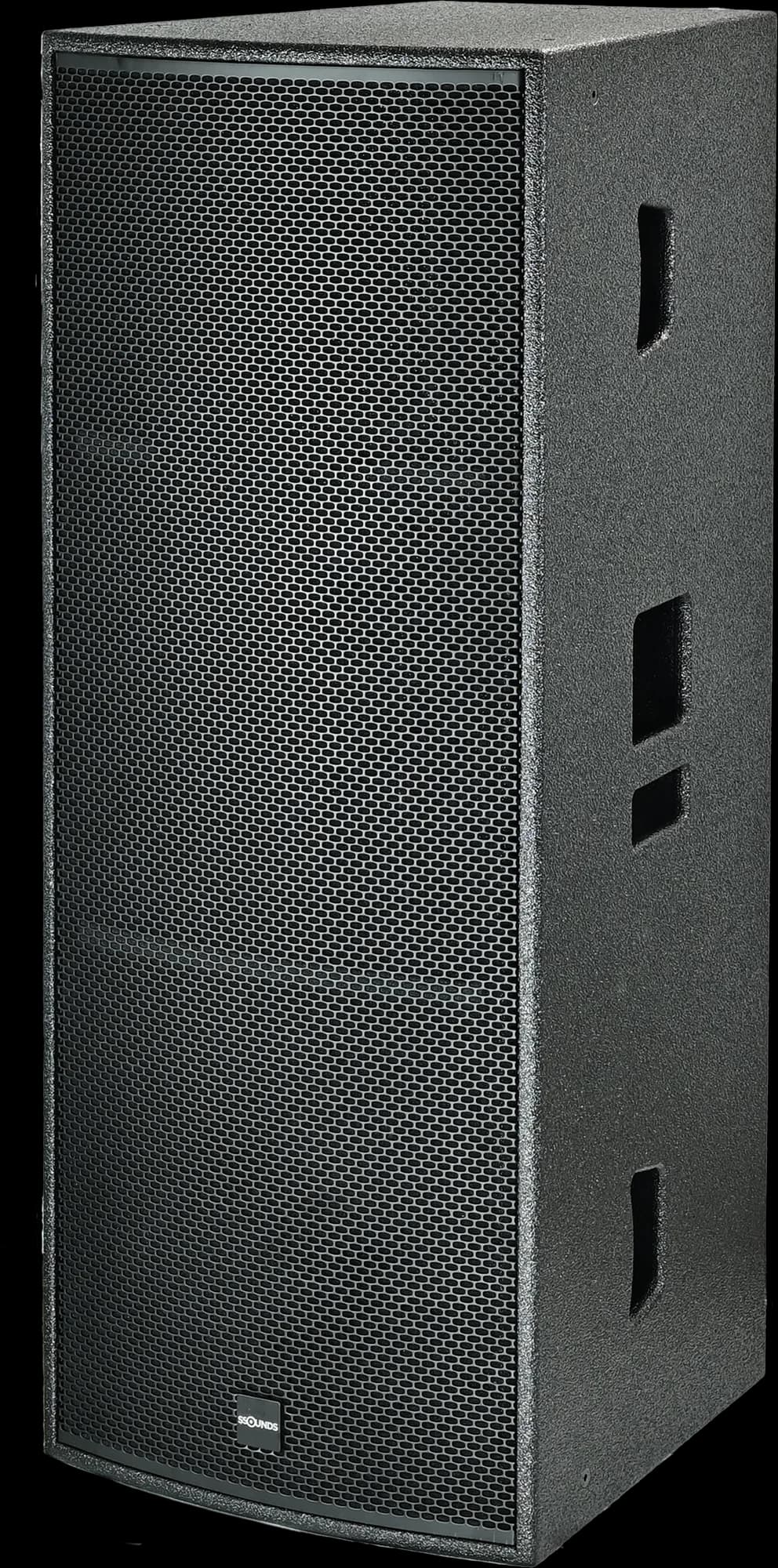
SSOUNDS P15
Two-way dual-15″ point source, high-output mains and fill with a rotatable constant-directivity horn.
Wedges and monitoring
Low-profile wedges with the feedback margin to sit in front of an open mic on a crowded floor.

SSOUNDS
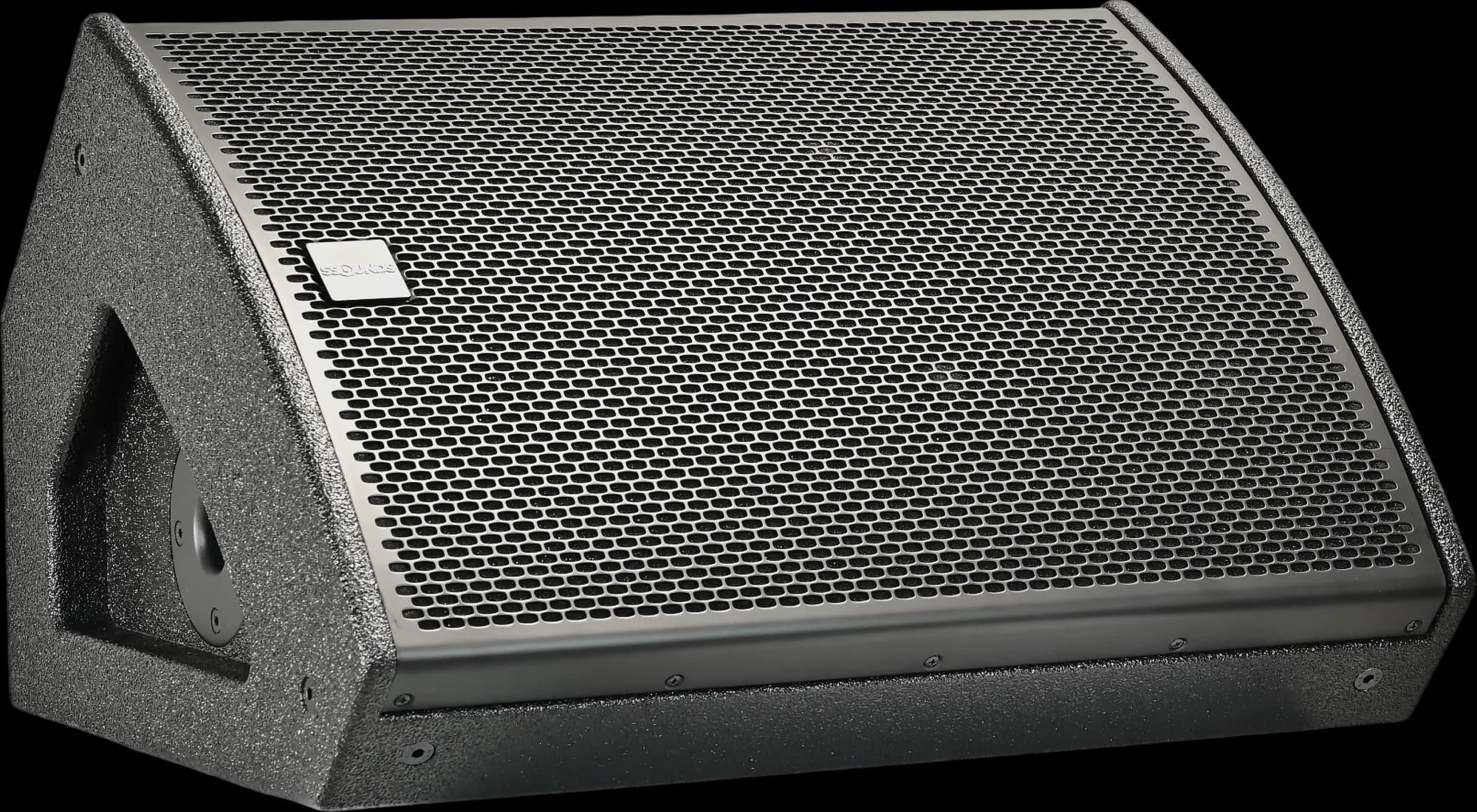
SSOUNDS CQ12
12″ coaxial stage monitor, low-profile point-source wedge with high gain-before-feedback.
SSOUNDS
SSOUNDS SM-12
12″ low-profile stage monitor, compact wedge with high gain-before-feedback for tight stages.

SSOUNDS
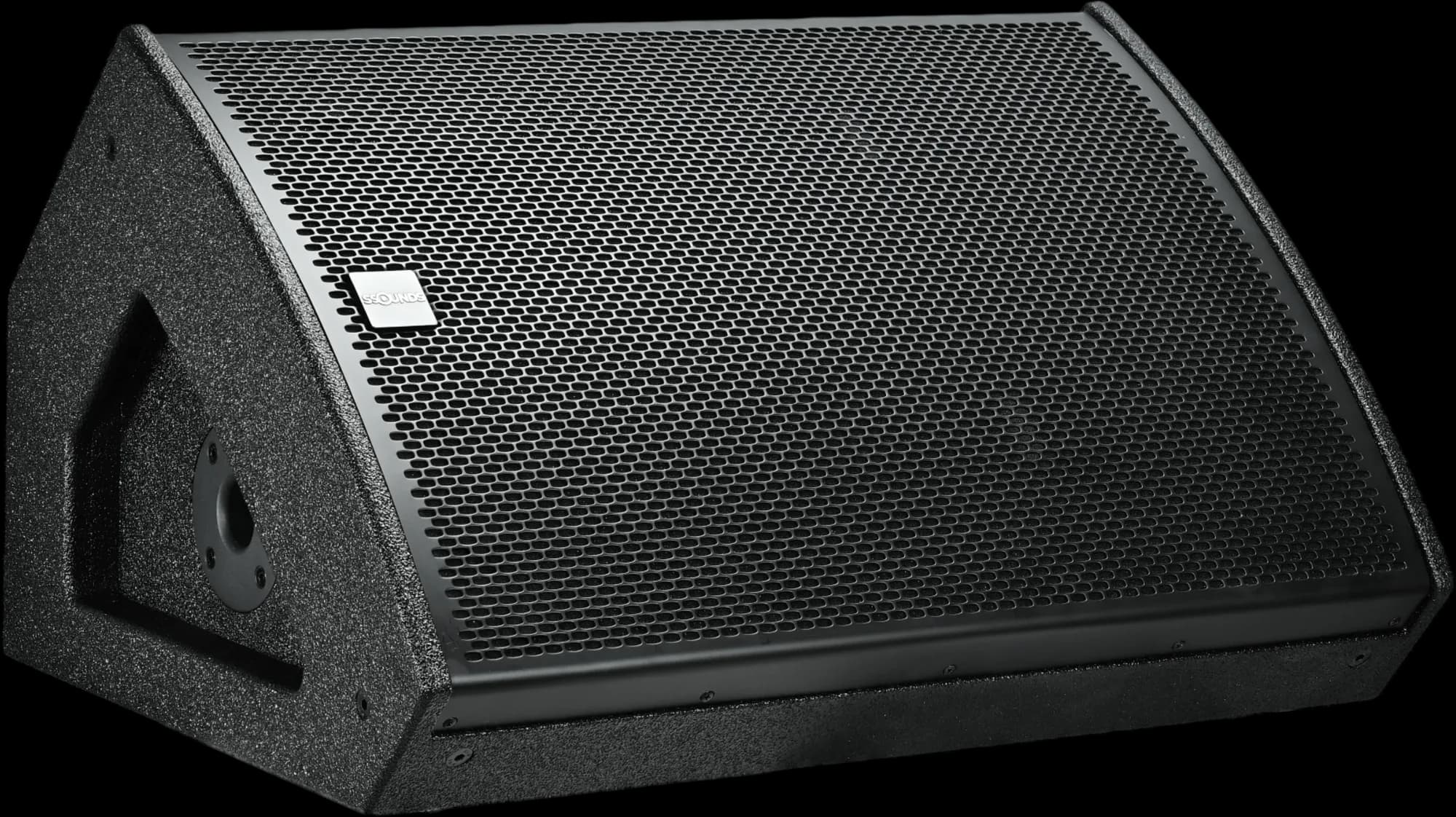
SSOUNDS CQ15
15″ coaxial stage monitor, rotatable point-source wedge with reference-class SPL for demanding stages.
SSOUNDS
SSOUNDS SM15
15″ stage monitor, full-bodied wedge for lead vocals, drum fill and loud stages.
Low end
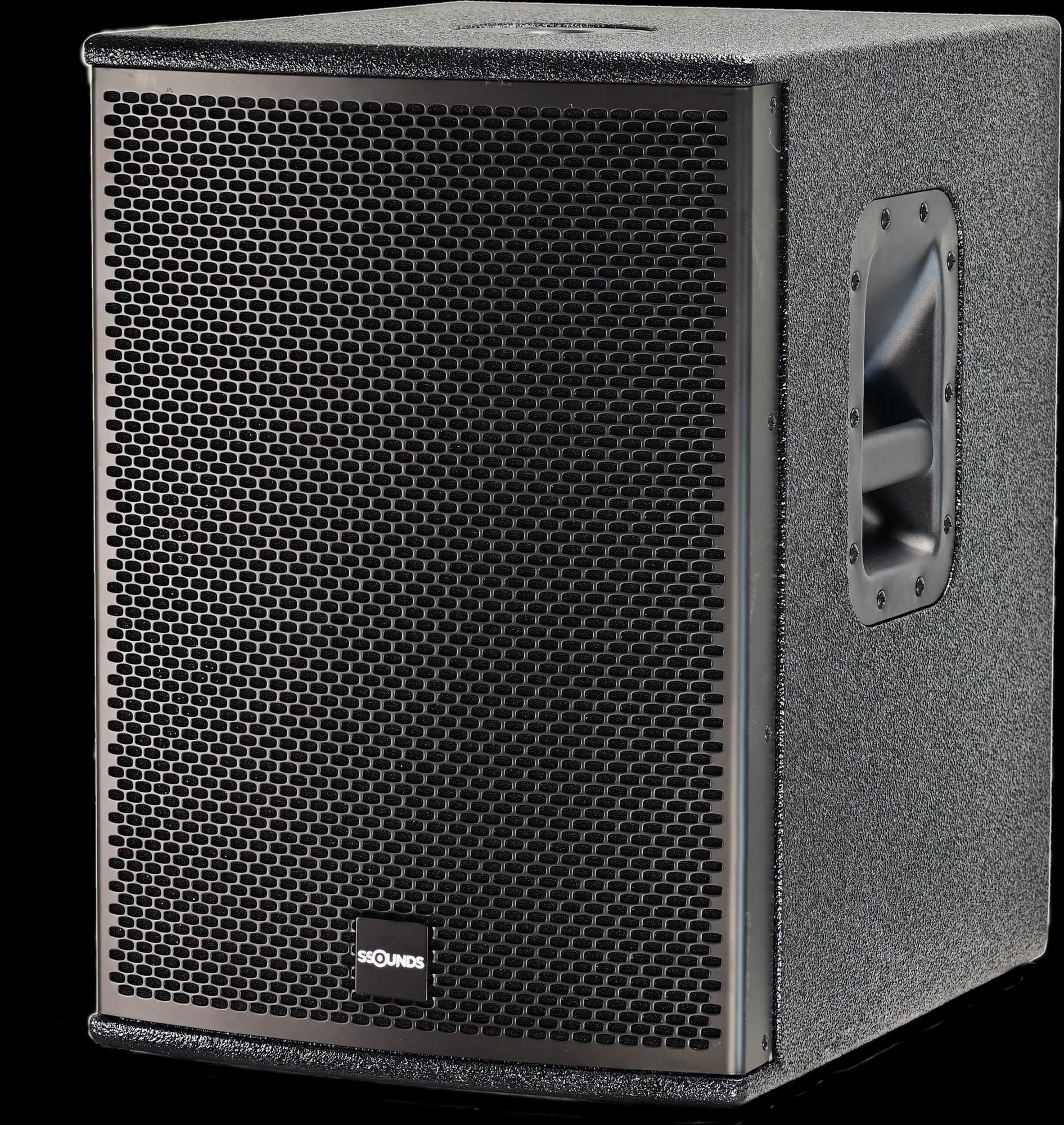
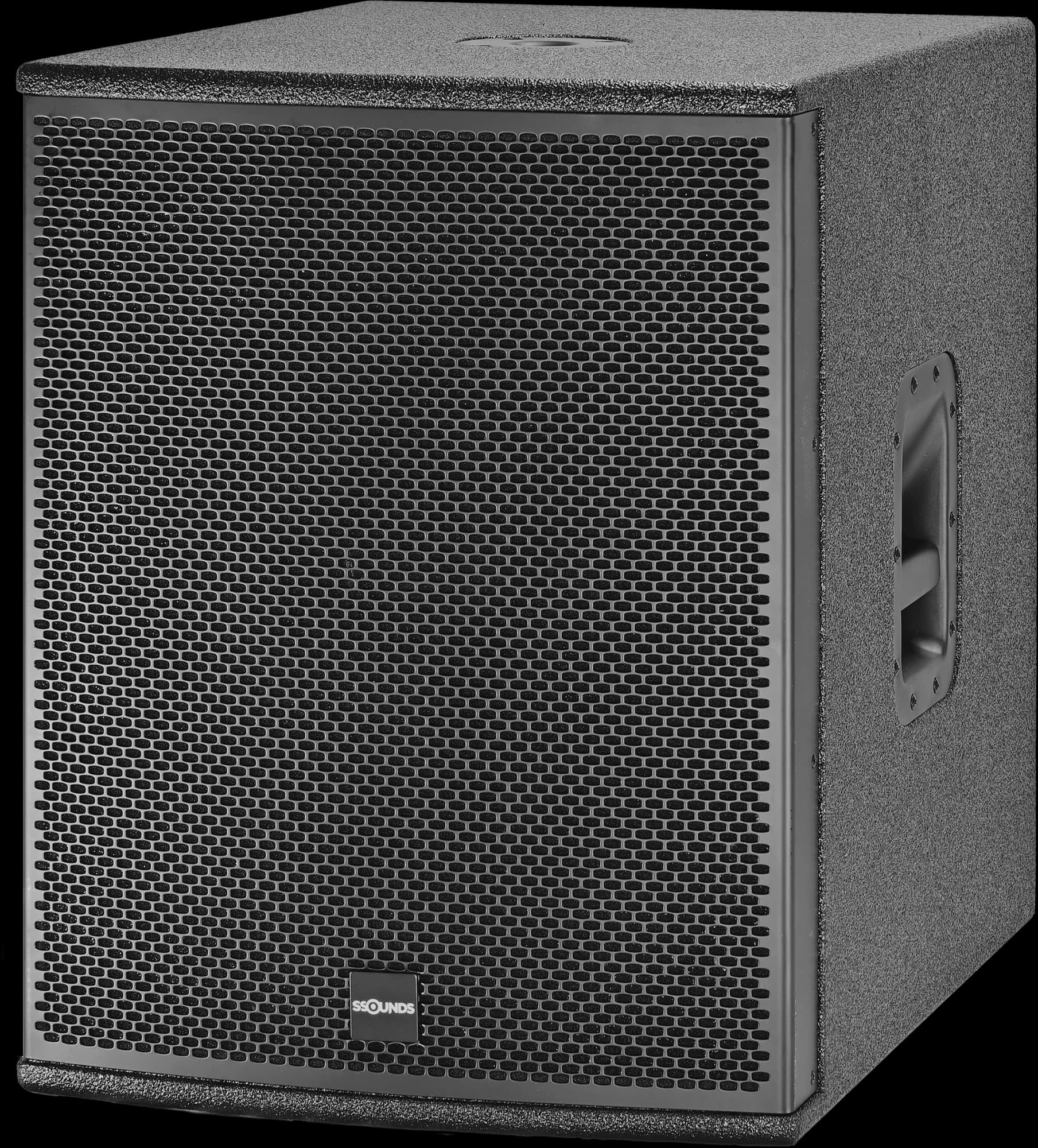
Compact, fast low end that supports the vocal PA without exciting every mode in a small rectangular room.
Amplification and processing
Room alignment, limiting that protects the system from an enthusiastic evening, and locked presets.

SSOUNDS
SSOUNDS DSP 4×8
4-in / 8-out loudspeaker processor, 96 kHz, 1/36-octave filters and full system alignment.

SSOUNDS
SSOUNDS A14X
4-channel touring amplifier for line arrays, 4 × 2,000 W @ 4 Ω, analog input.


SSOUNDS
SSOUNDS D14X
4-channel DSP amplifier with FIR, line-array power plus full system processing and presets.
Why these products. The CQ12 names high gain-before-feedback in a low-profile point-source wedge and the SM-12 names tight stages, which is the geometry a rehearsal floor has. The CQ15 names demanding stages and the SM-15 names lead vocals and drum fill, the two jobs a wedge does here. The M-10 and M-12 are both listed as mains or monitor and carry the monitor application tag, so the room PA and the wedges can come from one family. The M-12SUB names discreet low-frequency support for small rooms, which is why it leads the low-end role ahead of any touring sub. The DSP 4x8 carries full system alignment and 1/36-octave filters for setting the room once and locking it.
Guides for this application
Get this specced for your room
Send us the drawings, the seat count and what the room has to do. Our engineers model the coverage and come back with a product list, a rigging plan and a budget.