Applications
Sound Systems for Houses of Worship
Houses of worship are built for singing, not for speech. The system's job is to put the spoken word on people and keep it off the walls.
What this application asks of a system
Most houses of worship were designed to flatter unamplified singing: a high ceiling, hard parallel surfaces, a lot of glass and very little absorption. That same room is hostile to the spoken word. Reflected energy from one syllable arrives on top of the direct sound of the next, consonants smear into each other, and intelligibility collapses well before anyone runs out of level. Turning the system up makes it worse, because the reverberant field rises with it.
The answer is directivity rather than power. Energy has to land on the seated rows, where people absorb it, and stay off the ceiling, the rear glass and the side walls, which do not. A line array or a column with tight vertical control does that. A pair of wide-pattern boxes on sticks, in the same room, mostly excites the room.
There is a second constraint that has nothing to do with acoustics. Many houses of worship are heritage, glass-fronted or architecturally sensitive, and the room should see the platform and the screen rather than the loudspeakers. That pushes the design towards slim, flyable or wall-mounted formats, and it is why the catalogue carries column arrays alongside the arrays.
Finally, the room now has two audiences. The room and the stream both come off the same stage, and a system that spills into the choir mics or the platform will show up in the broadcast mix long before anyone in the room complains.
What we look at first
- Reverberation time and where the reflective surfaces are, before any box is chosen
- Vertical pattern control: how much of the array's energy lands on people rather than on the room
- Sightlines to the platform, the choir and the screens, which often decide the format
- Whether the room is speech-led, music-led, or has to switch between the two every service
- Balcony, transept and cry-room coverage, which almost always needs its own fill
- Stage spill into choir and lectern microphones, which sets the gain before feedback for the whole service
- Who operates it week to week: a non-specialist team needs a system that is safe at the console
Recommended SSOUNDS products
Grouped by the job each product does in this kind of system. Specifications live on the product pages and in the data sheets, so nothing is restated here.
Main system
The primary coverage. Array format follows room height, throw distance and how visible the system is allowed to be.
 Featured
SSOUNDS
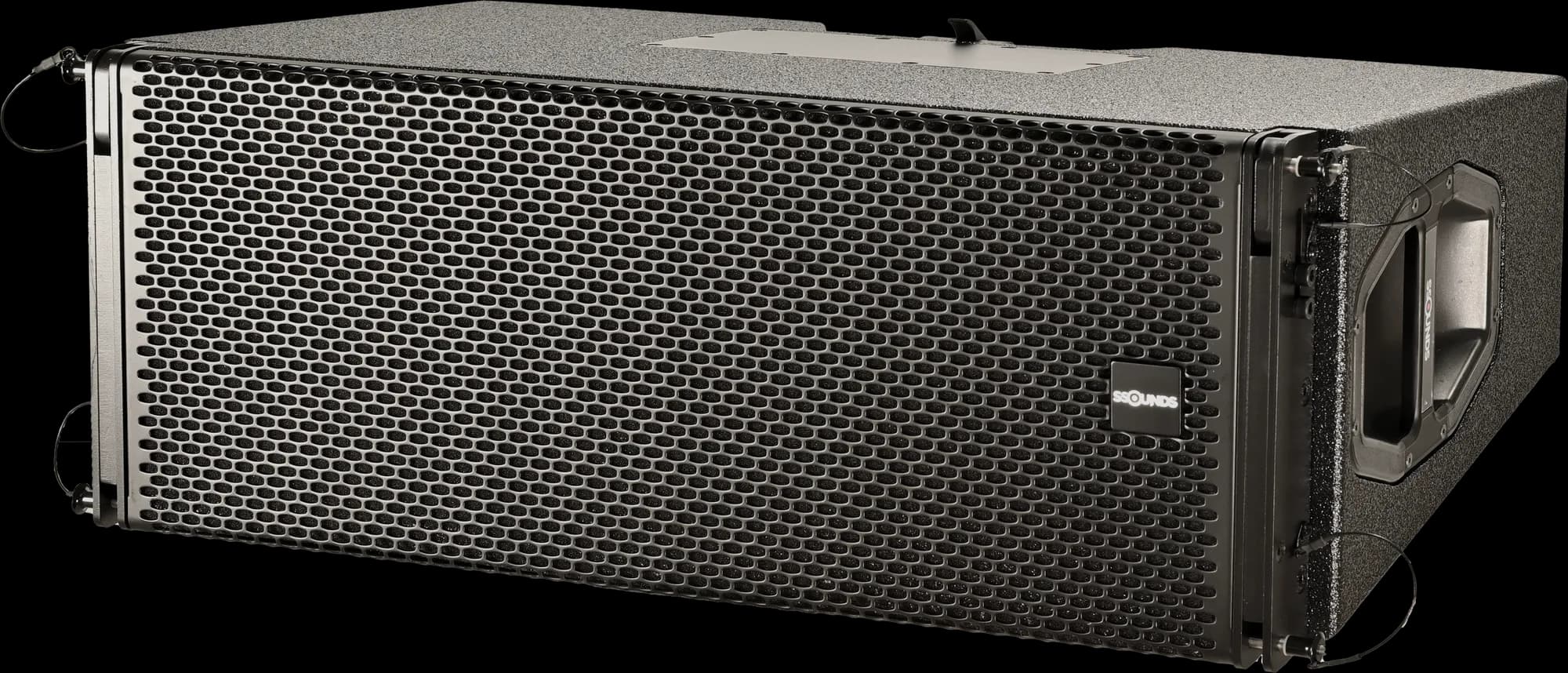
SSOUNDS XTO 10P
Mid-format element of the XTO System, 3-way 10″, 100° constant directivity, 144 dB peak, 0°–14° splay.
SSOUNDS
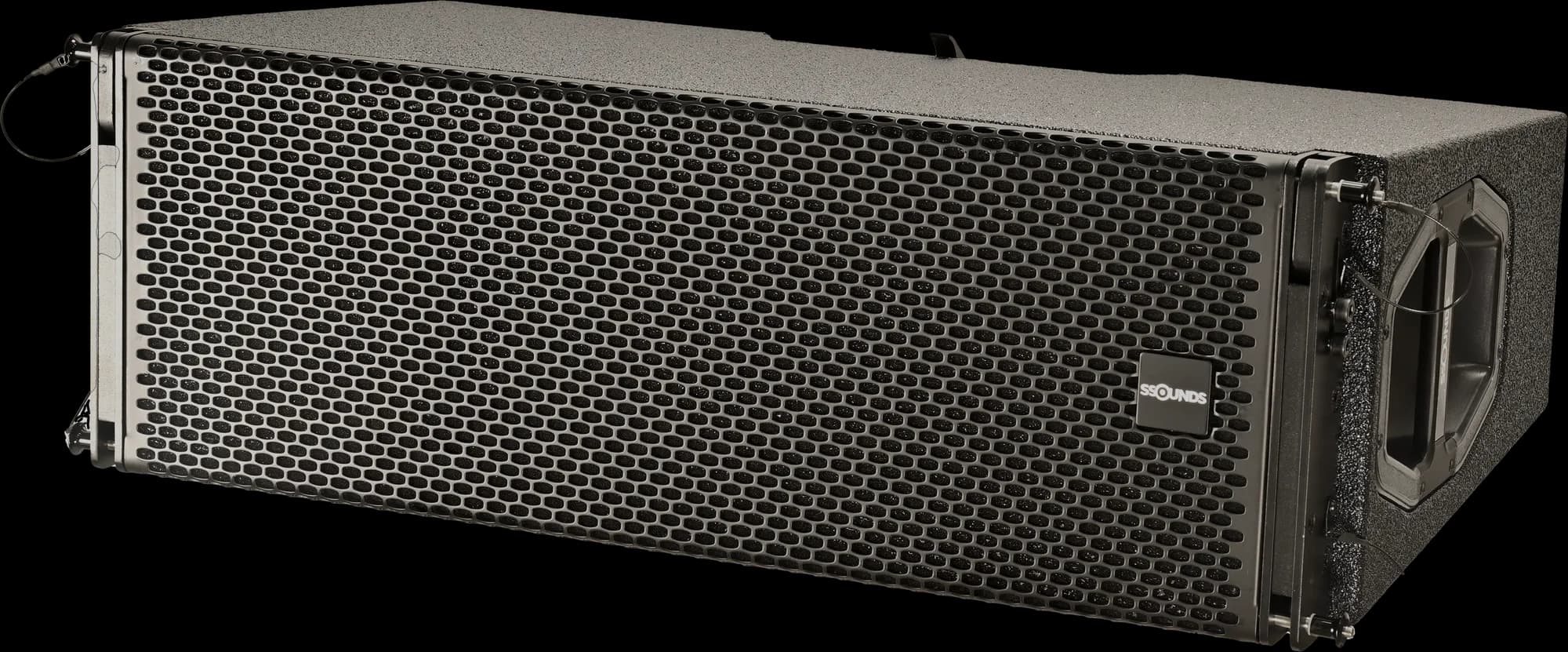
SSOUNDS XTO 8P
Compact element of the XTO System, 2-way bi-amplified 8″, 110° constant directivity, 141 dB peak, 0°–10° splay.
SSOUNDS
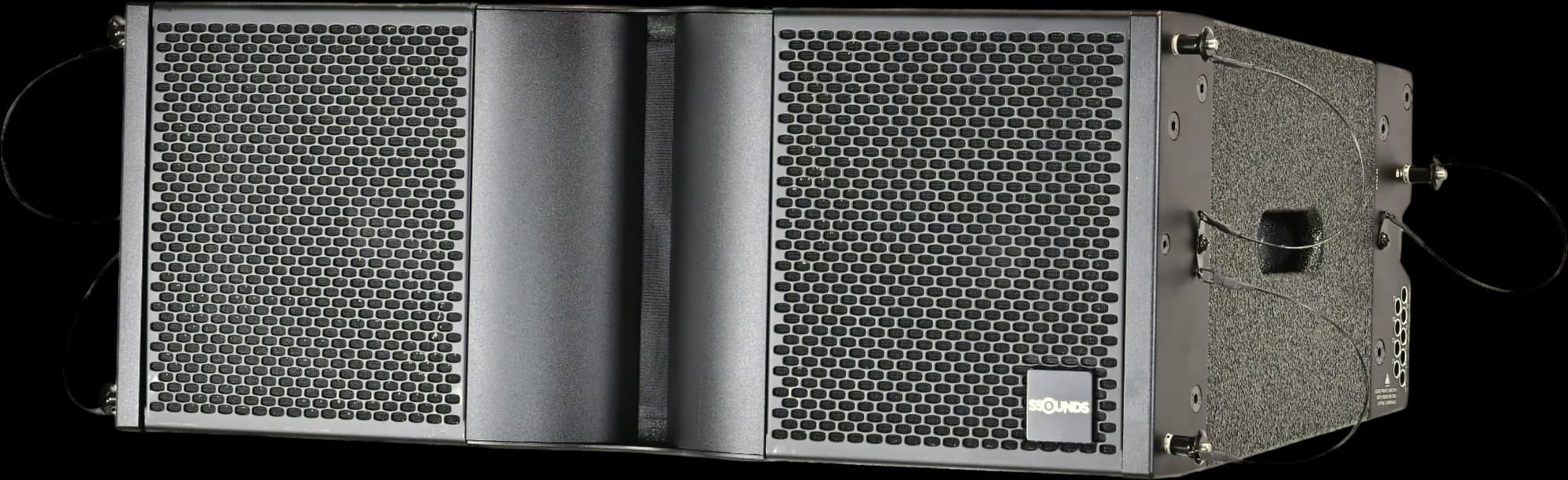
SSOUNDS LS208
Compact dual-8″ line-array element, 141 dB peak, 55 Hz reach and 100° coverage from a 26 kg box.
SSOUNDS
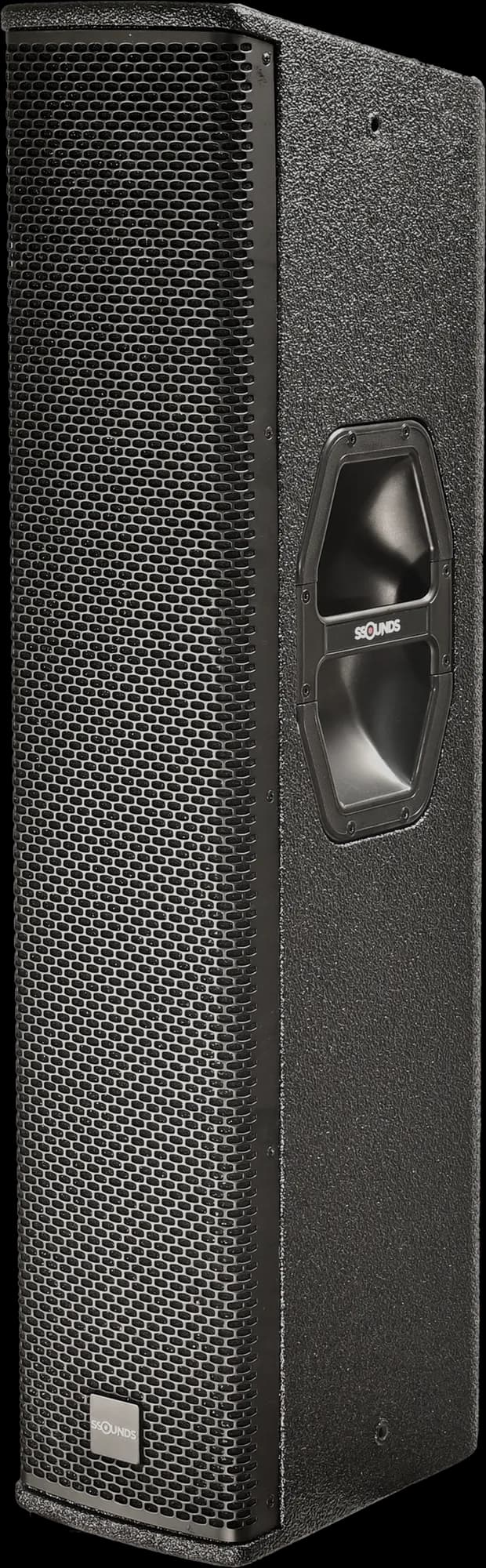
SSOUNDS XTO 4.6
Column element of the XTO System, passive line array, 4 × 6.5″ drivers, 65 Hz – 20 kHz and 134 dB peak in a sightline-friendly column.
 Featured
SSOUNDS
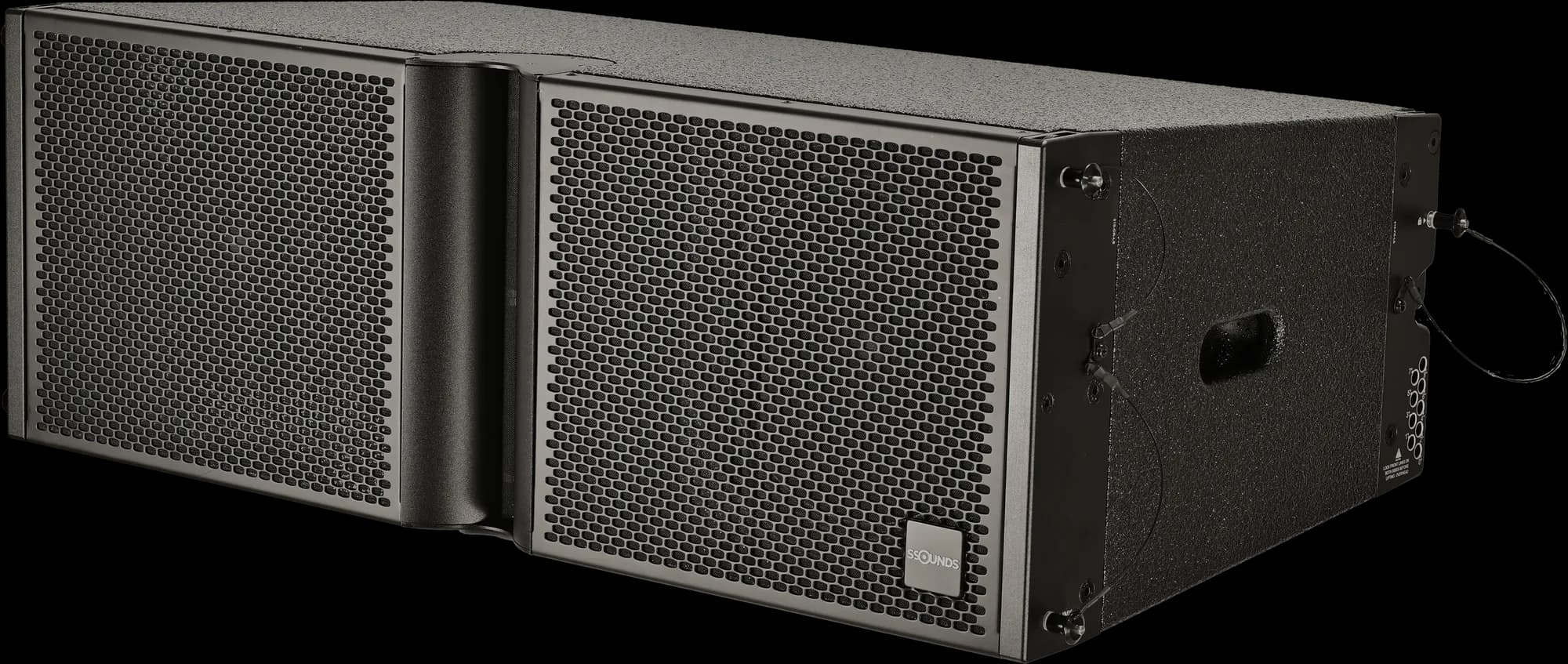
SSOUNDS LS310
Flagship of the LS series, large-format quad-amplified line array, 143 dB peak, 110° × 8°.
Column arrays for reverberant rooms
Where the room is live and the priority is the spoken word, a full-range column keeps energy off hard ceilings and walls.

SSOUNDS
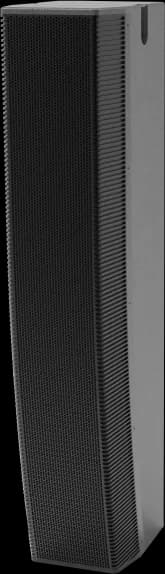
SSOUNDS LC16.3
16 × 3″ full-range column, 127° × 24°, for announcements and speech in airports, stations and mosques.
SSOUNDS
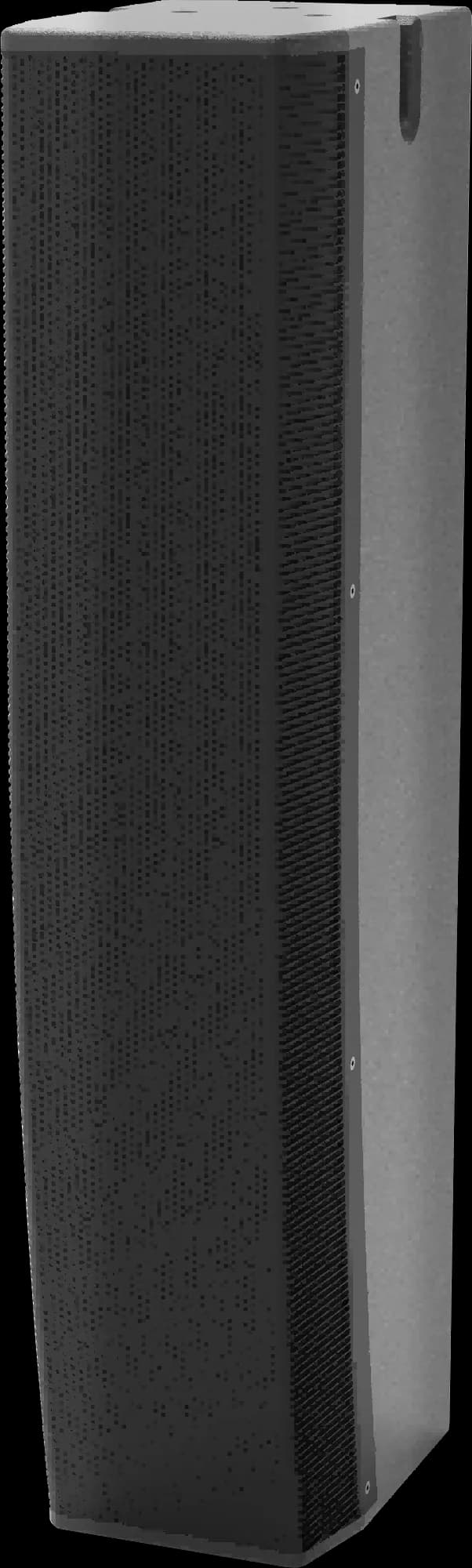
SSOUNDS LC100
The largest LC column: 24 × 1″ over 6 × 6.5″, 65 Hz to 16 kHz, 134 dB peak, pairs with the LC100B.
SSOUNDS
SSOUNDS LC70
Two-way column with 16 × 1″ high-frequency drivers over 4 × 5.5″, 131 dB peak, pairs with the LC70B bass column.

SSOUNDS
SSOUNDS M3.12P
3″ × 12 full-range column array, long-throw speech intelligibility for reverberant rooms.
SSOUNDS
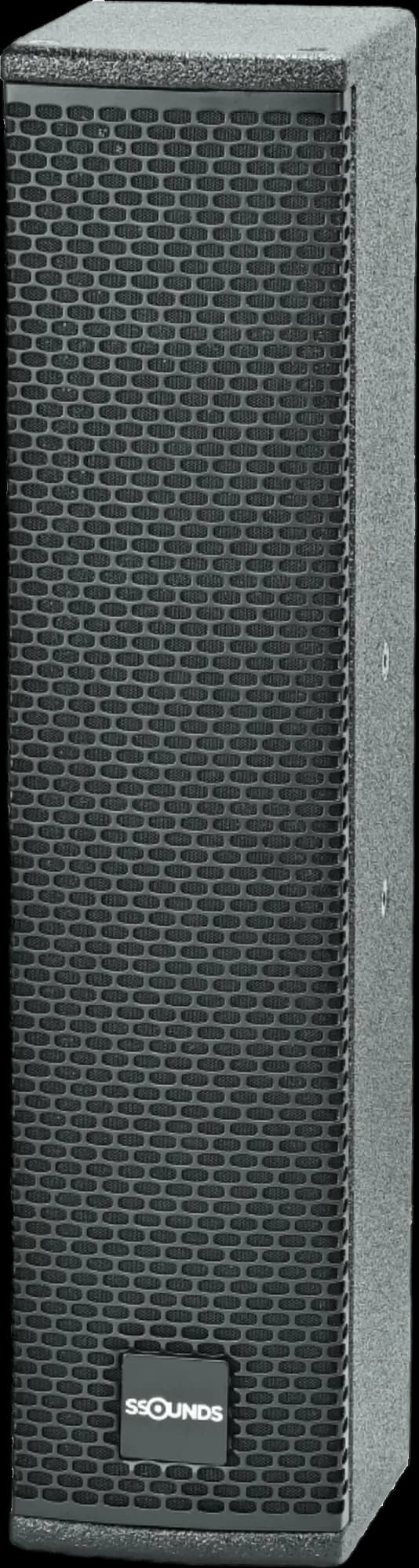
SSOUNDS M3.6P
Compact 3″ × 6 full-range column array, clean speech and music for architectural install.

SSOUNDS
SSOUNDS LC16.2
Slim two-way column, 16 × 2″ plus a 1″ high-frequency driver in a 1,255 mm aluminium body only 65 mm wide.

SSOUNDS
SSOUNDS LC8.2
Slim two-way column, 8 × 2″ plus a 1″ high-frequency driver in a 65 mm wide aluminium body, 90° × 60°.

SSOUNDS
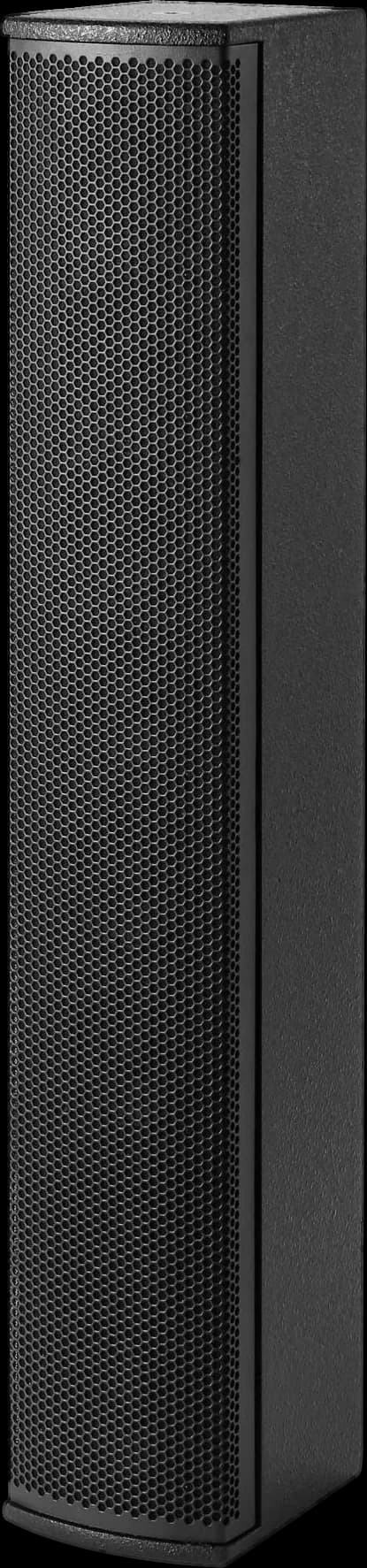
SSOUNDS LC8.3D
8 × 3″ column with its own amplifier and DSP, Dante audio and PoE power on one network cable, 100° × 18°.
SSOUNDS
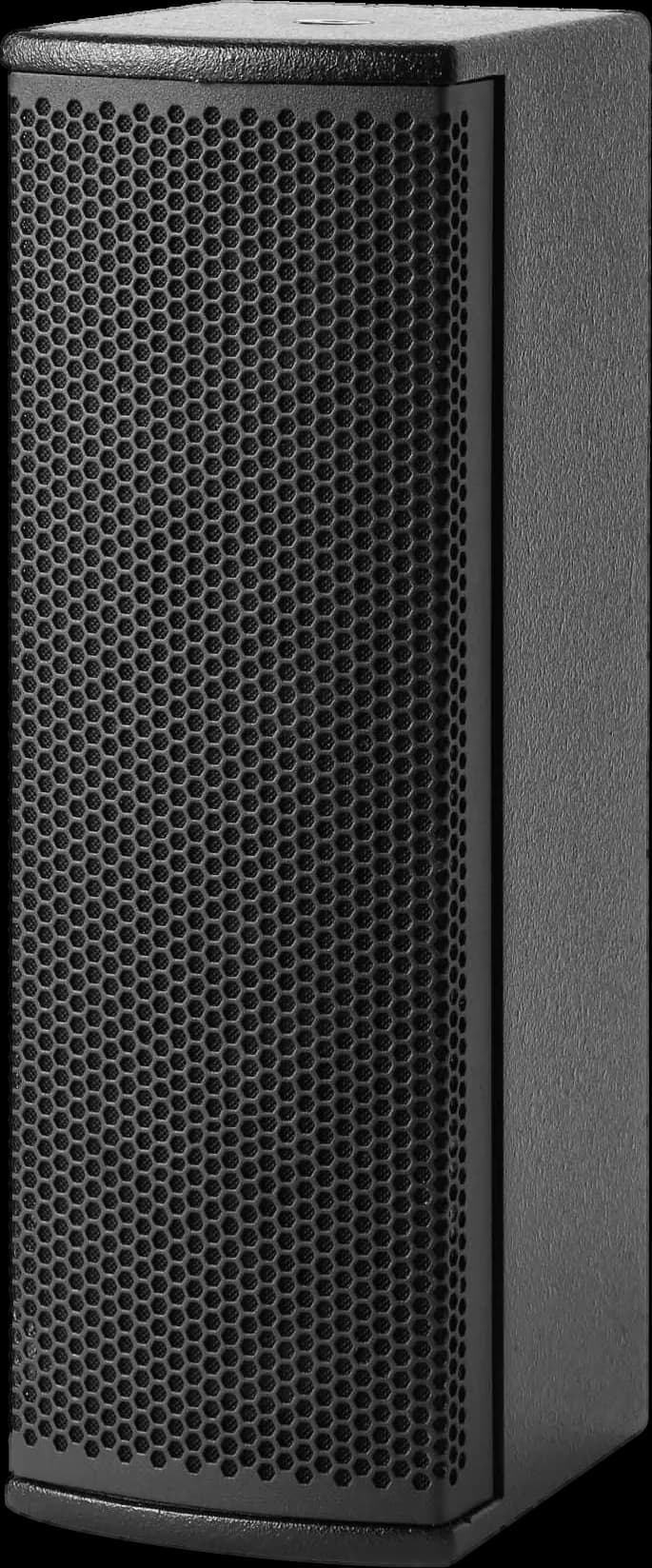
SSOUNDS LC4.3D
4 × 3″ column with its own amplifier and DSP, Dante audio and PoE power on one network cable, 100° × 30°.
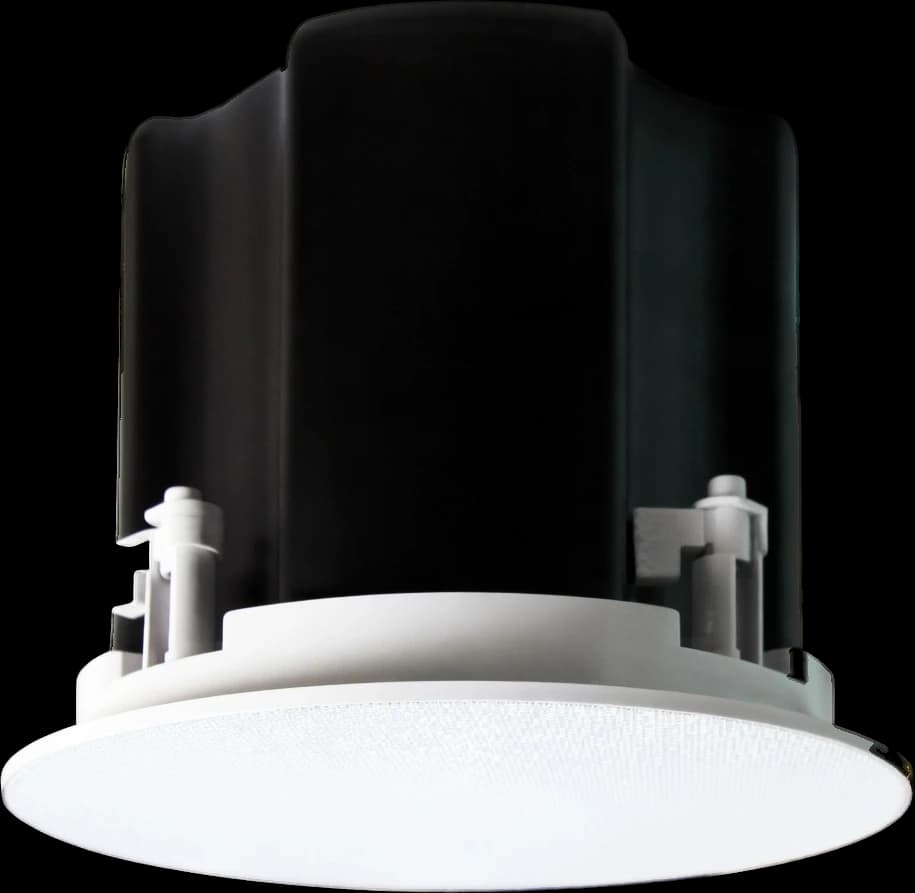
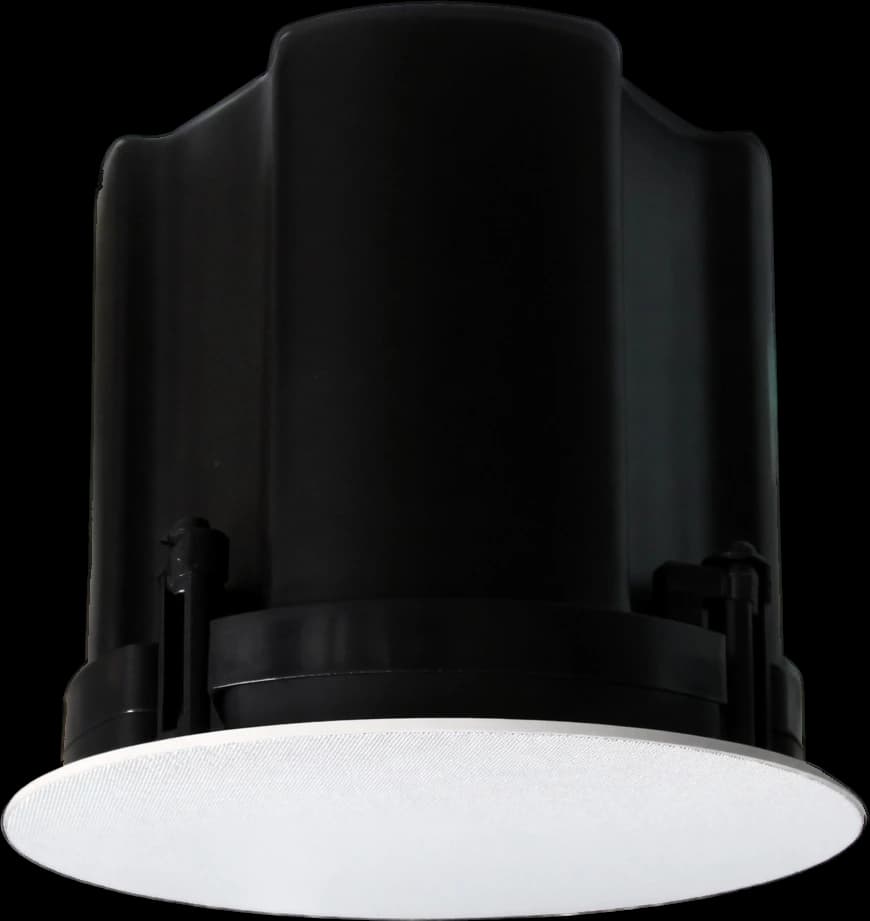
Distributed audio for foyers, classrooms and offices
The rooms around the main hall, on one network cable each where the building already runs PoE.
Point source mains, long throw and fill
Deep rooms, under balconies, transepts, overflow spaces and the first rows the main system flies over.
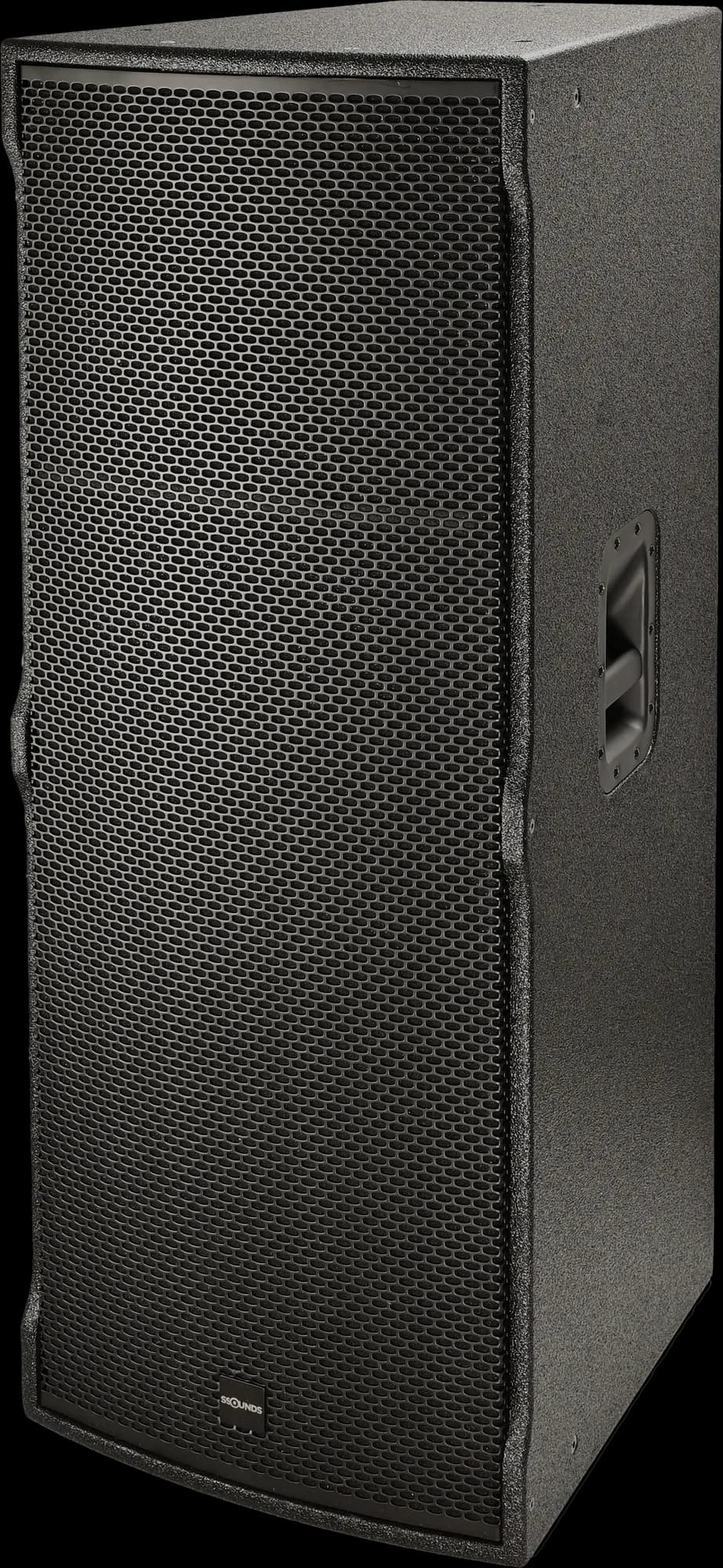
SSOUNDS
SSOUNDS P15-X
3-way long-throw point source, 2 × 15″, 4 × 6.5″ and 2 × 3″ behind a 70° × 40° waveguide, 2,000 W.
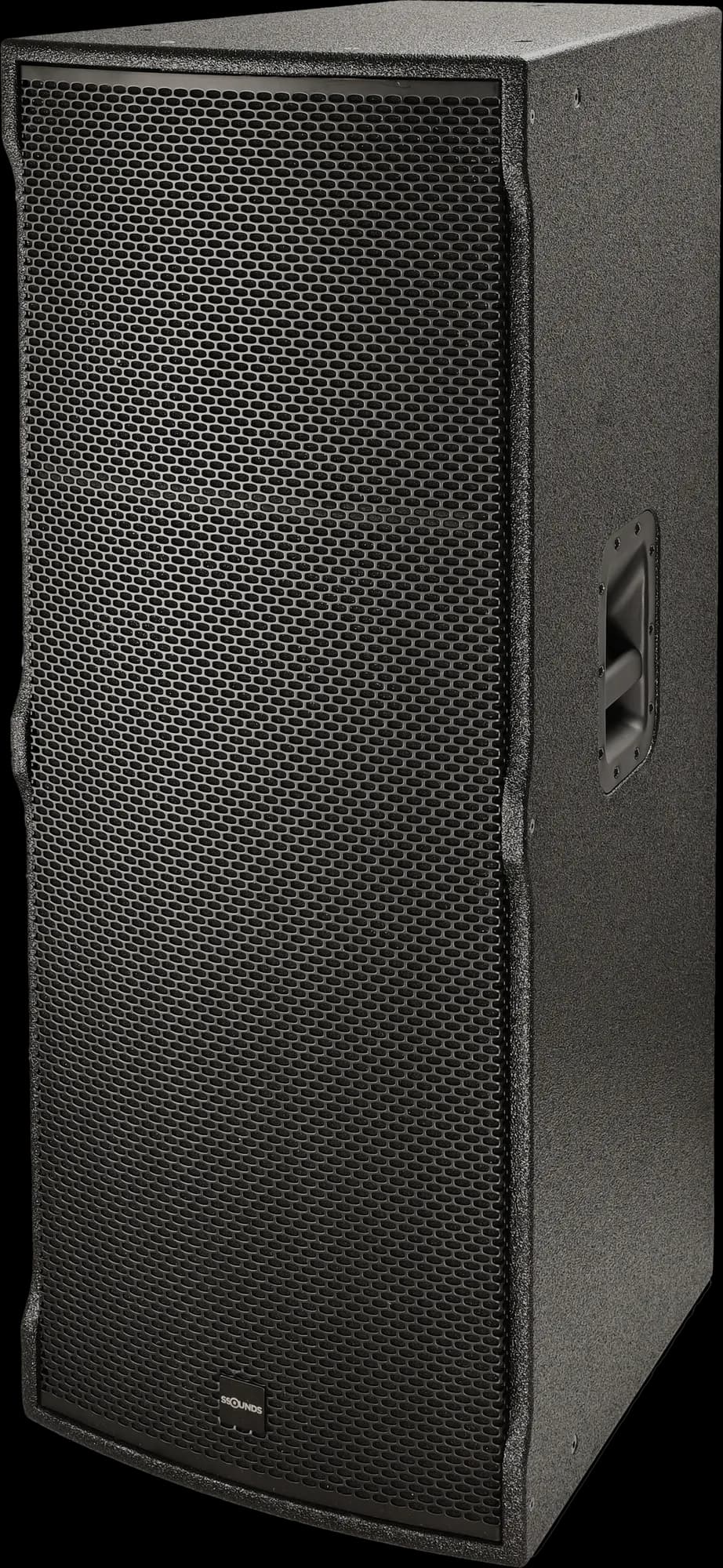
SSOUNDS
SSOUNDS P15-XA
Active tri-amplified P15-X, same 3-way long-throw package with full DSP control of each section.
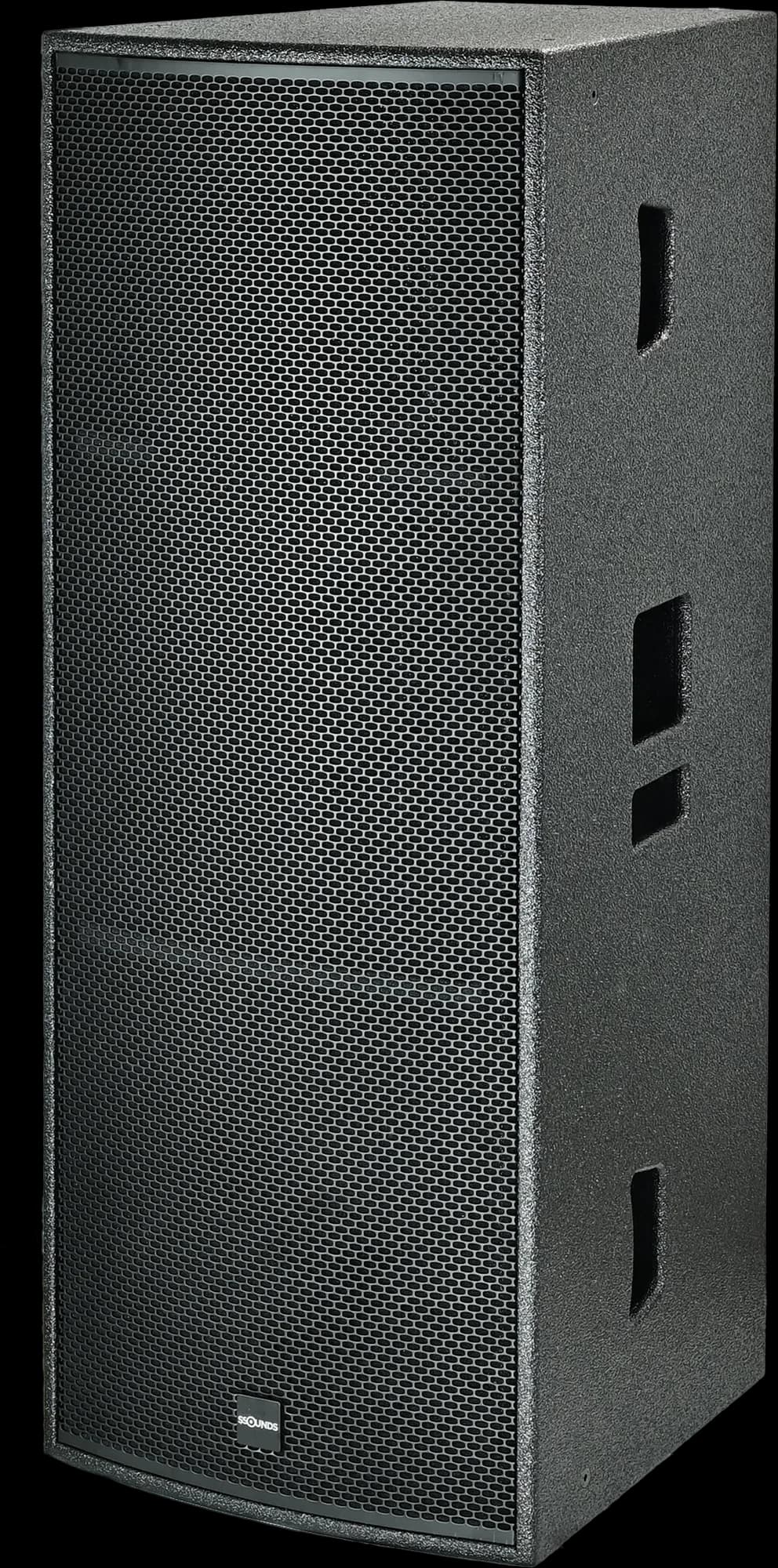
SSOUNDS
SSOUNDS P15
Two-way dual-15″ point source, high-output mains and fill with a rotatable constant-directivity horn.
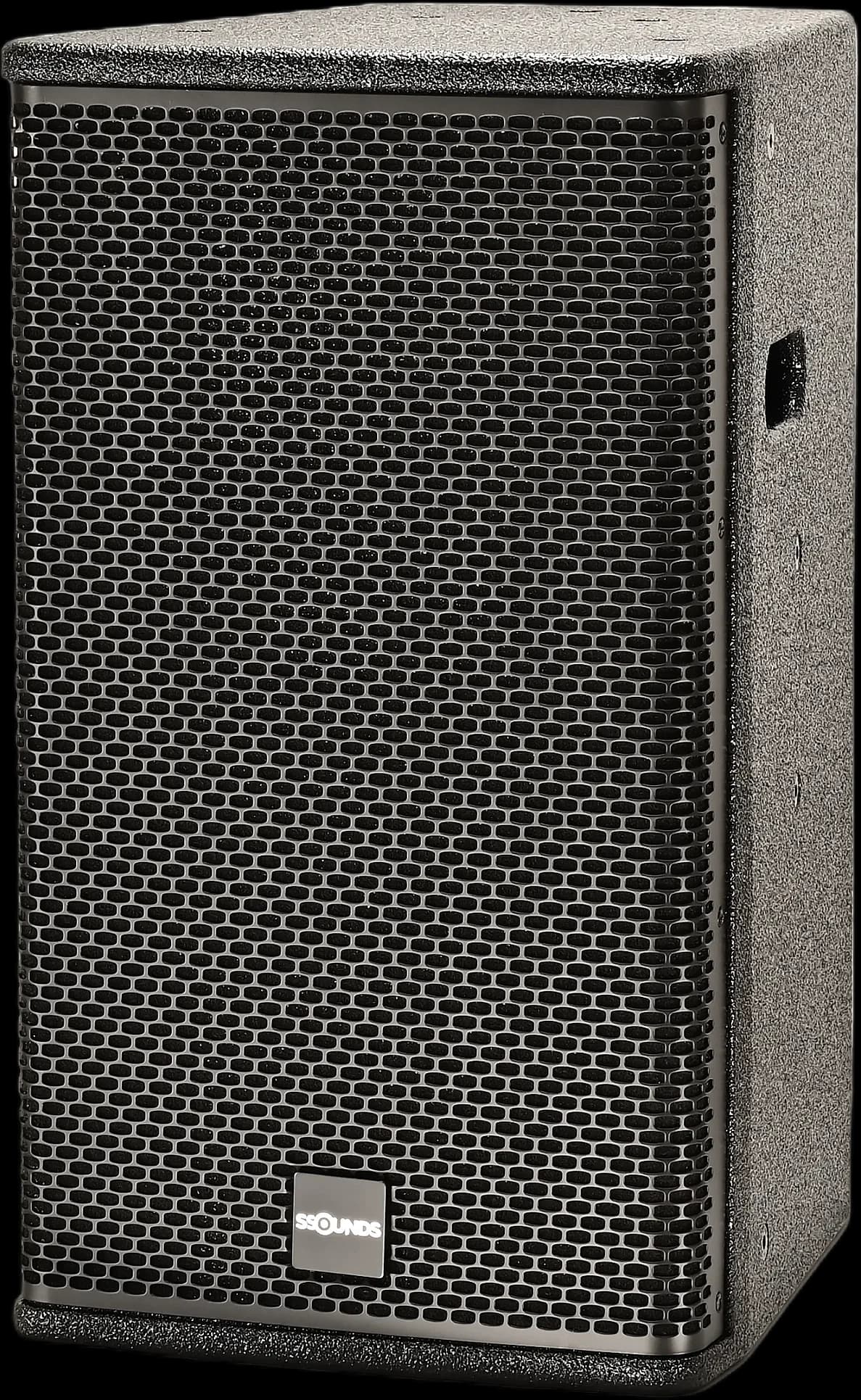
SSOUNDS
SSOUNDS M-10
10″ full-range, compact mains or monitor with strong vocal projection.
SSOUNDS
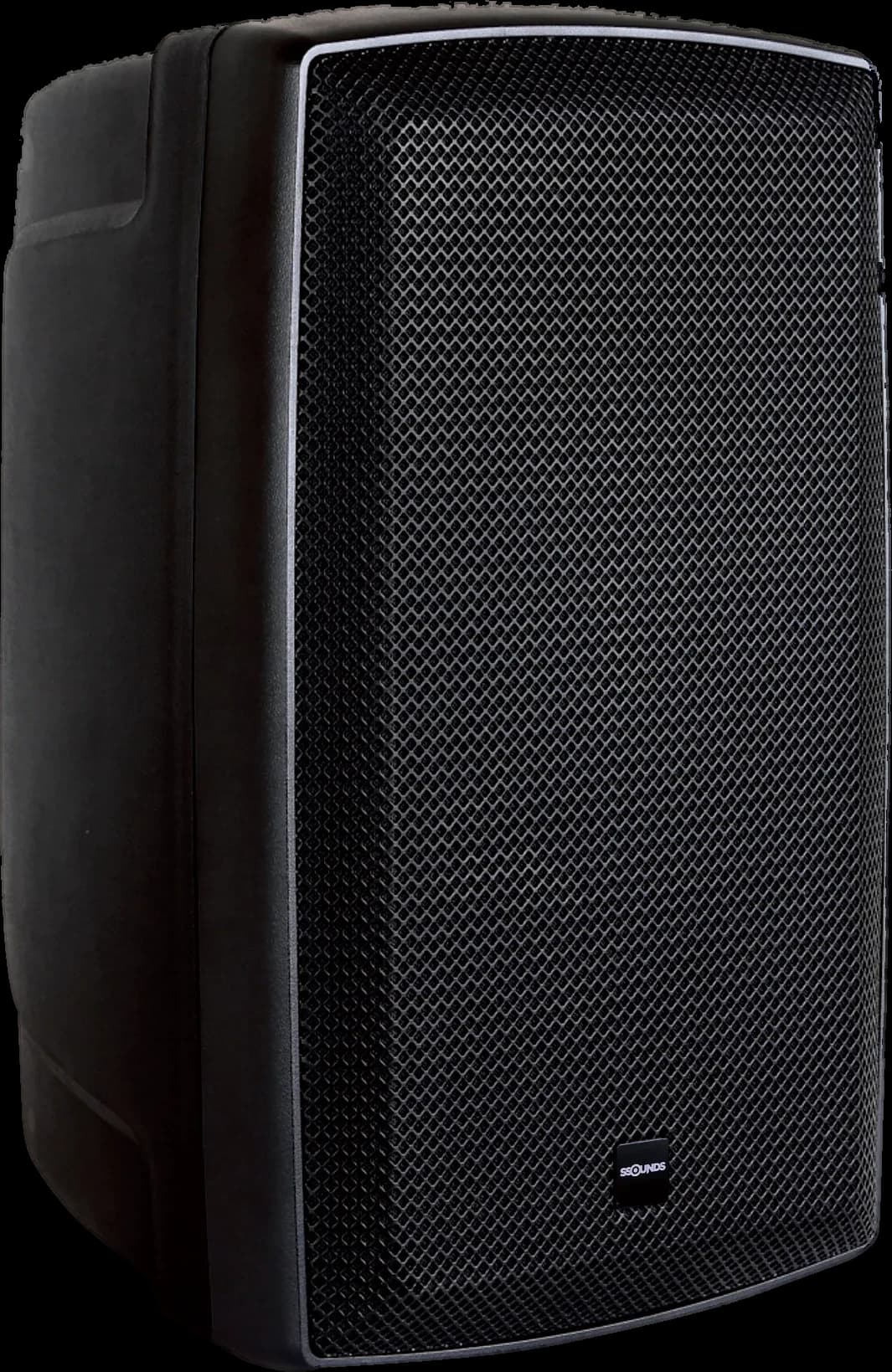
SSOUNDS P10T
Three-way 10″ install loudspeaker in an IP67 moulded ABS cabinet, 50 Hz to 20 kHz, on a 70/100 V line or at 8 Ω, for worship, hospitality, retail, courtyards and conference rooms.
SSOUNDS
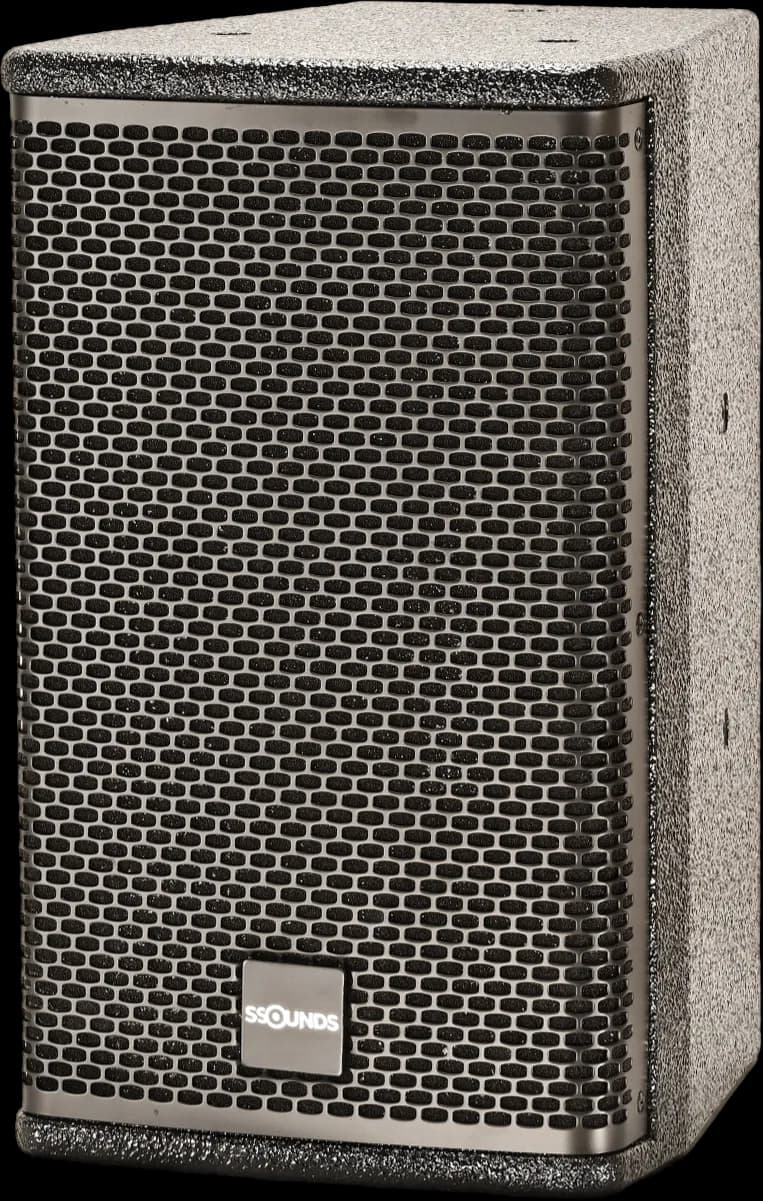
SSOUNDS M-8
8″ full-range, high-output multipurpose box for portable PA, fill and install.
SSOUNDS
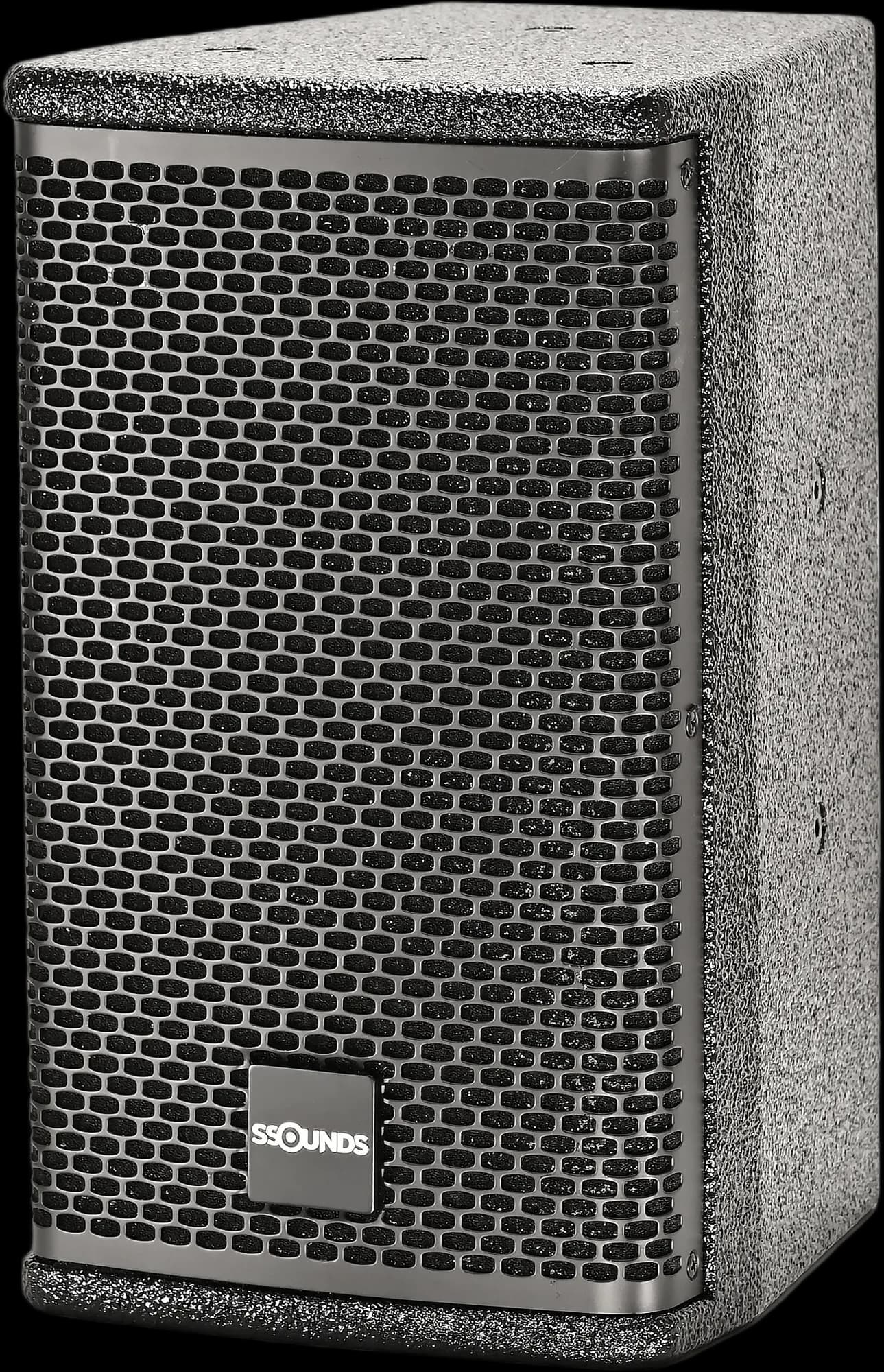
SSOUNDS M-6
Compact 6.5″ full-range, versatile install and portable speaker with M8 rigging.
SSOUNDS
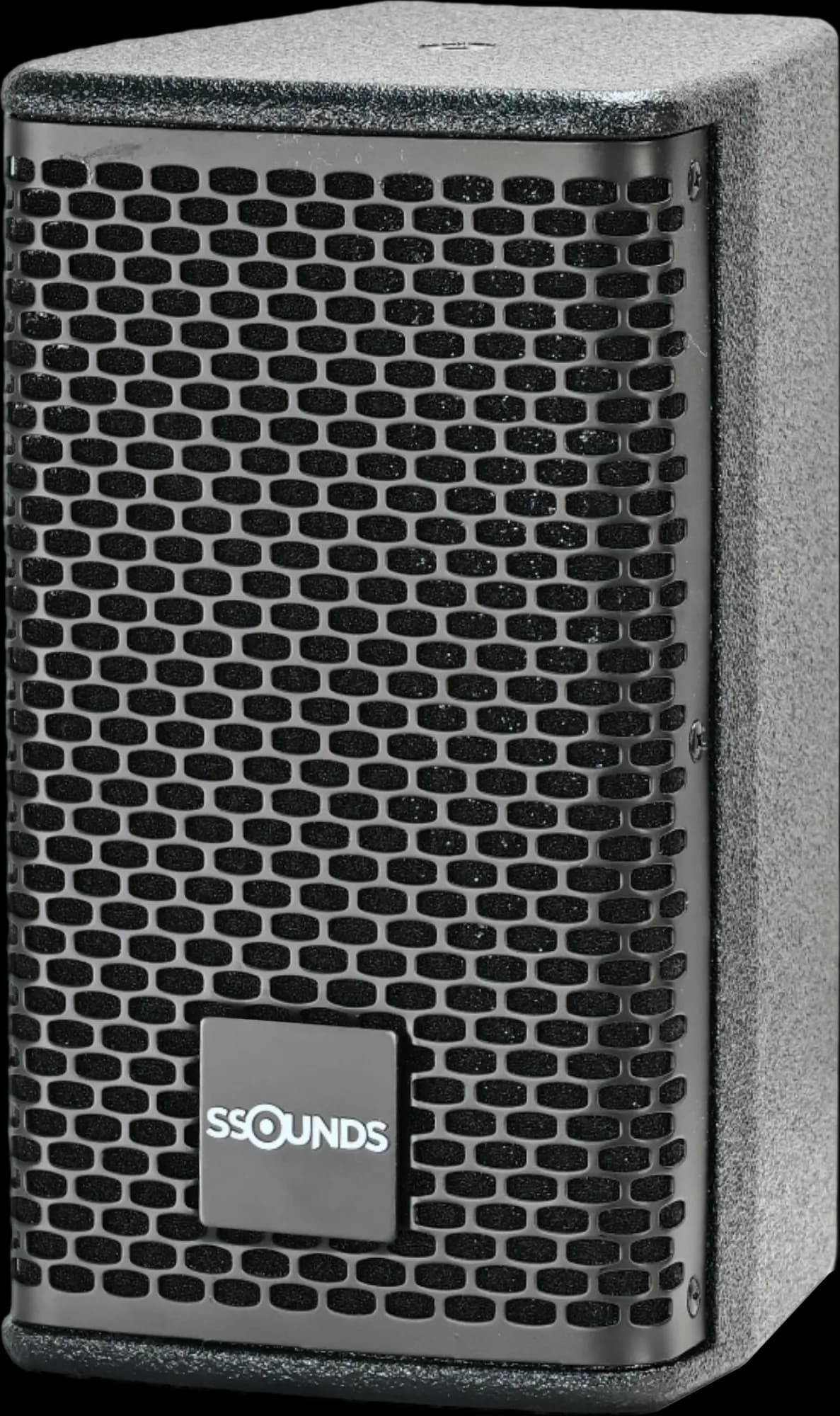
SSOUNDS M-4
Ultra-compact 4″ full-range, discreet fill and foreground audio with M-rigging.
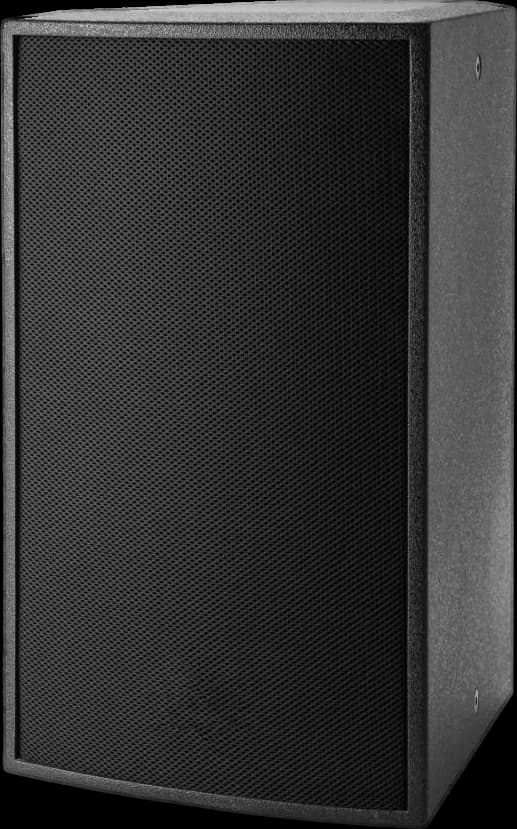
SSOUNDS
SSOUNDS M-10D
10″ two-way loudspeaker with its own amplifier and DSP, Dante audio and PoE power on one network cable.
Subwoofers
Low-frequency support sized to the band, from a discreet compact sub to a touring-grade single 18.
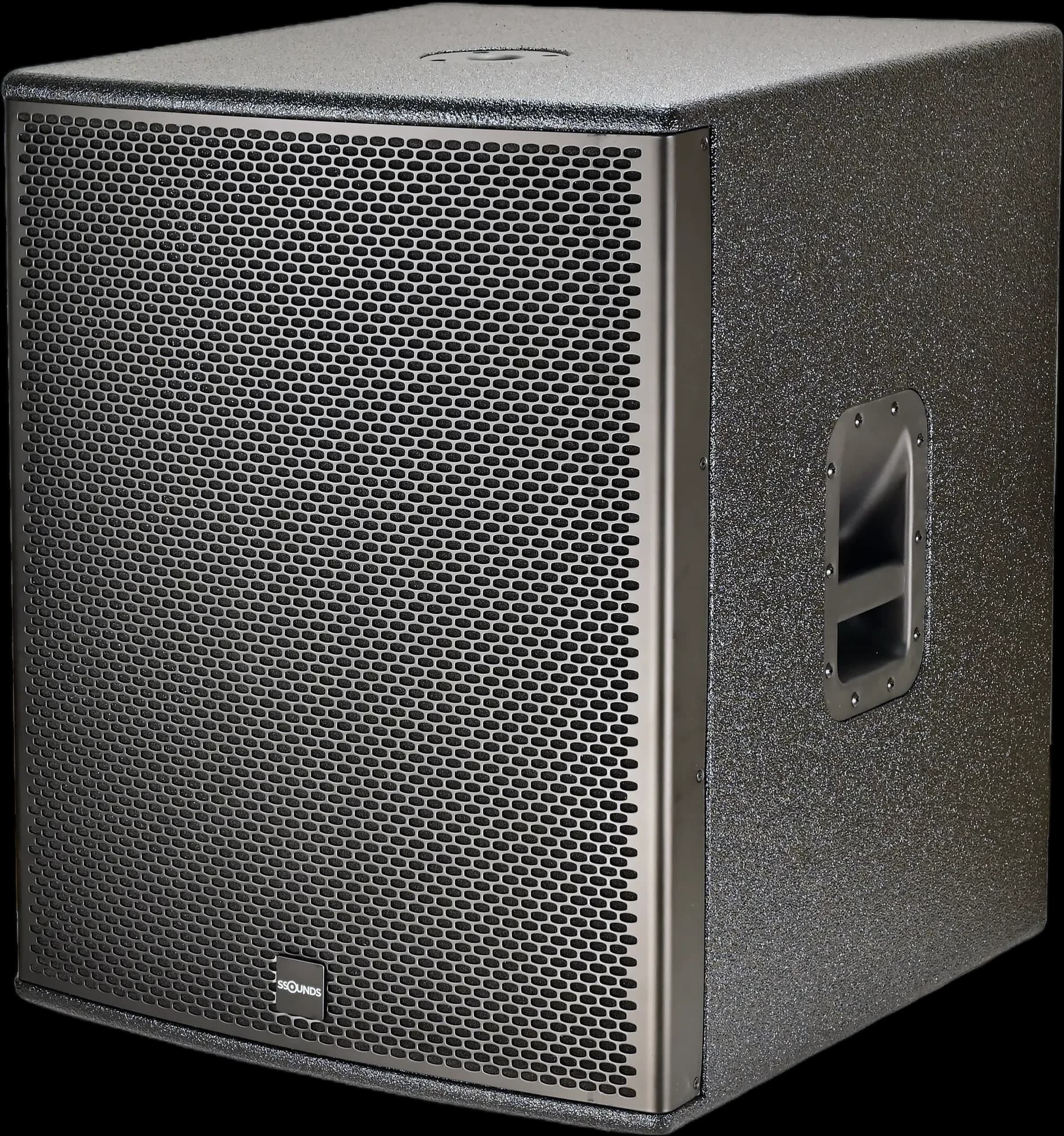
SSOUNDS
SSOUNDS XTO S18
Single-18″ subwoofer module of the XTO System, flyable on the shared track for arrays that hang with the tops.
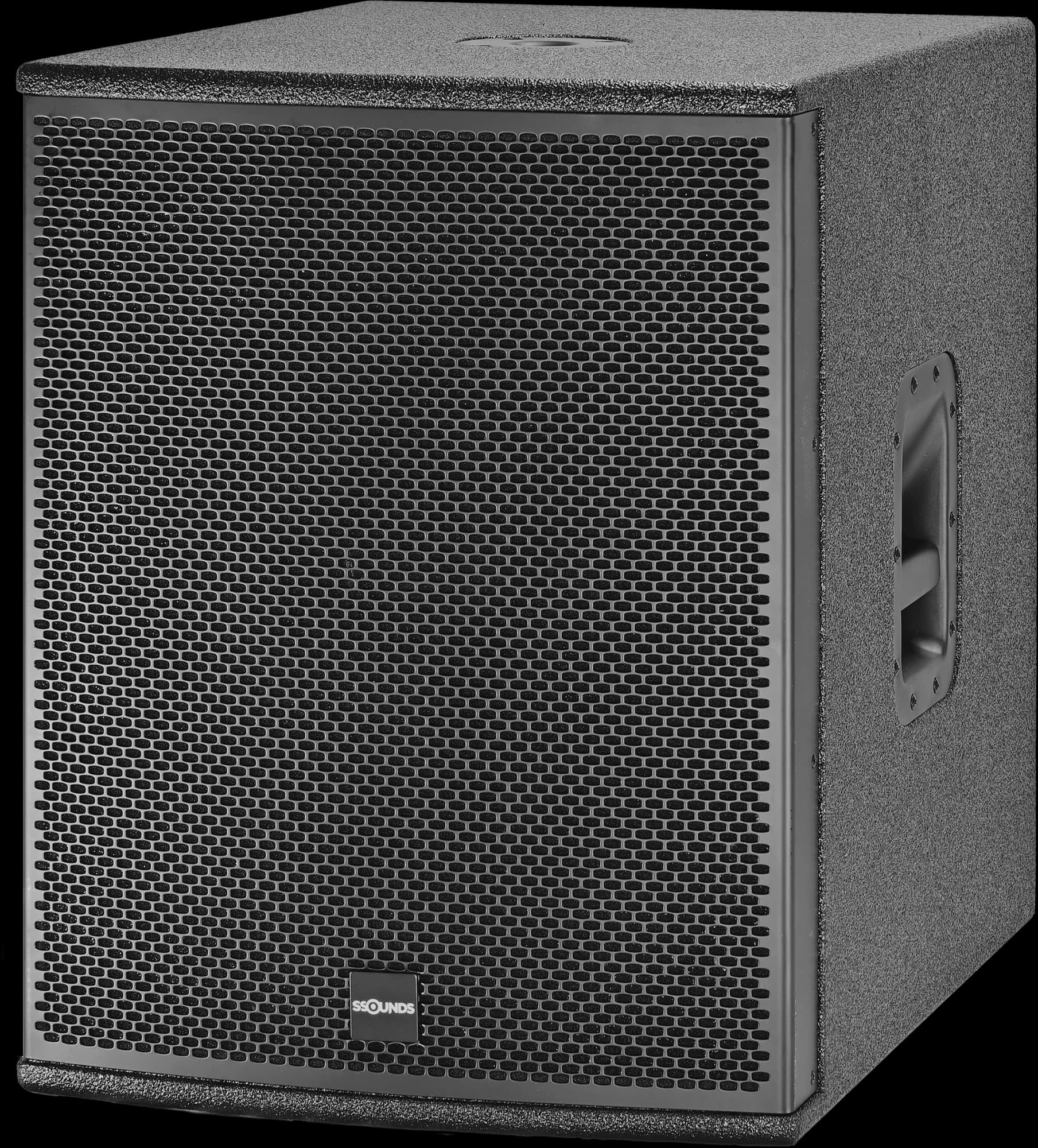
SSOUNDS
SSOUNDS M-15SUB
Compact 15″ subwoofer, fast, musical low-end for portable and install systems.
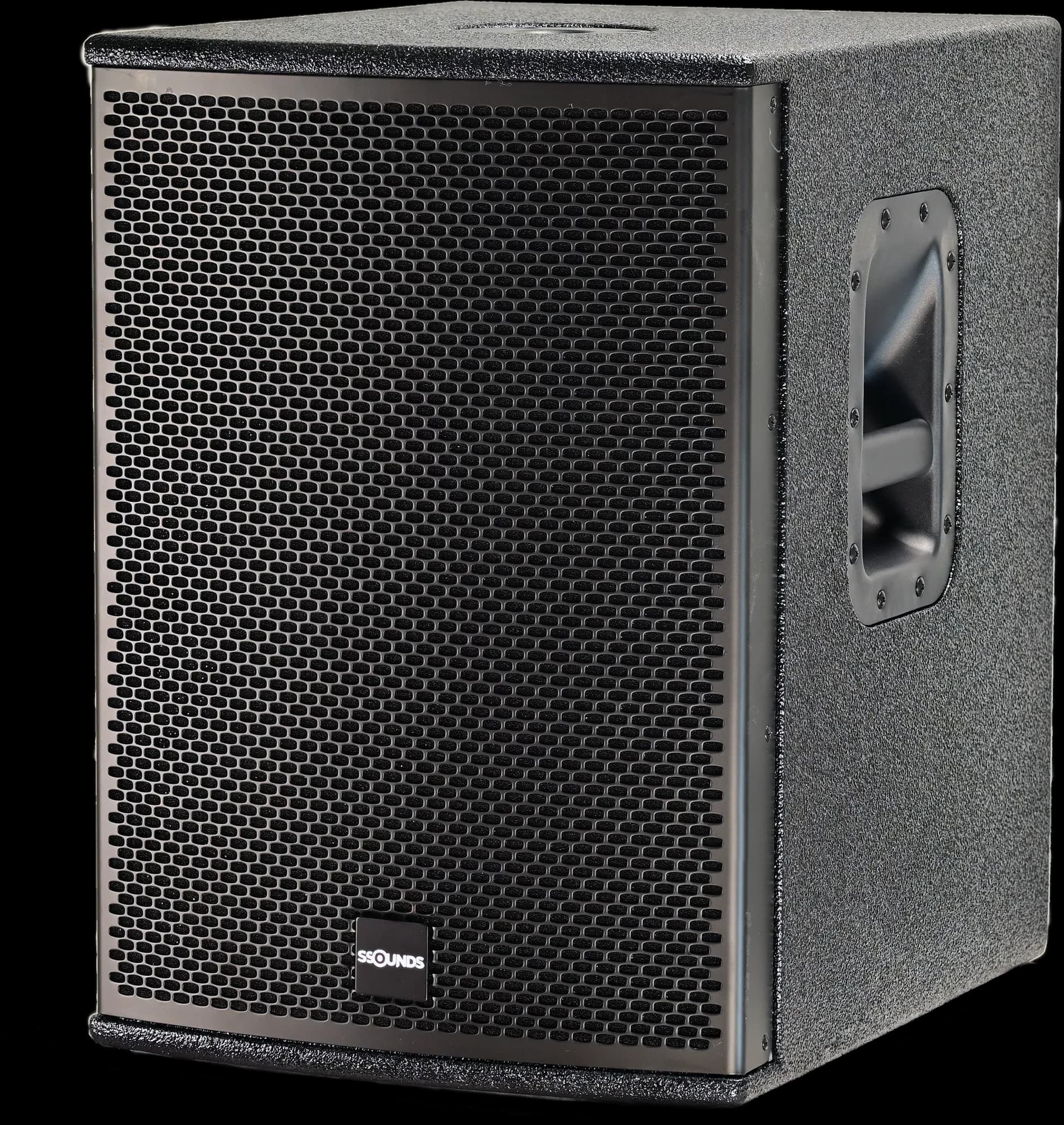
SSOUNDS
SSOUNDS M-12SUB
Ultra-compact 12″ subwoofer, discreet low-frequency support for small rooms and AV.
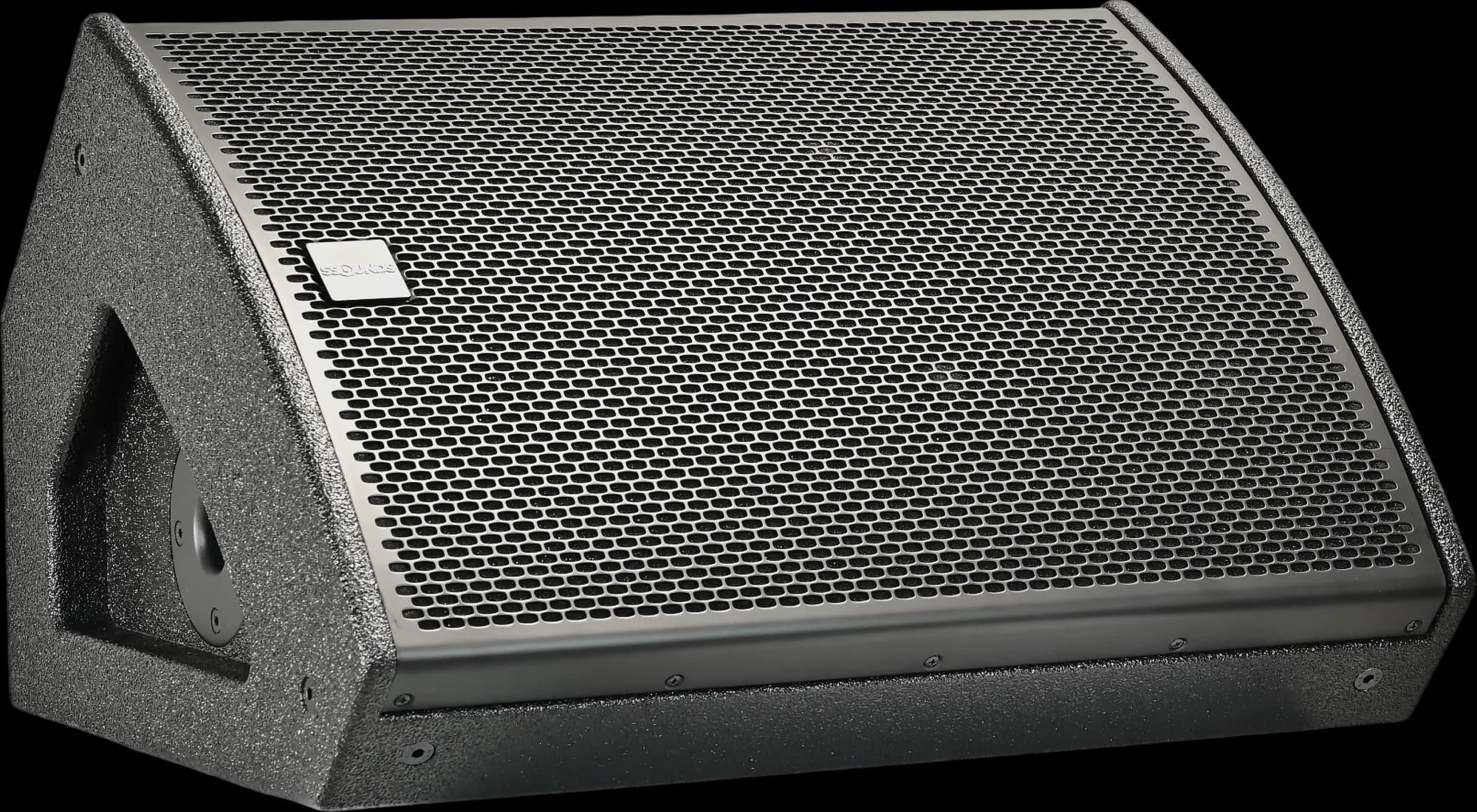
Stage monitors
Low-profile foldback for the musicians and vocalists, where sightlines to the platform matter as much as the mix.

Amplification and processing
System processing, loudspeaker presets and the alignment between the main system and every fill zone.

SSOUNDS
SSOUNDS D14X
4-channel DSP amplifier with FIR, line-array power plus full system processing and presets.
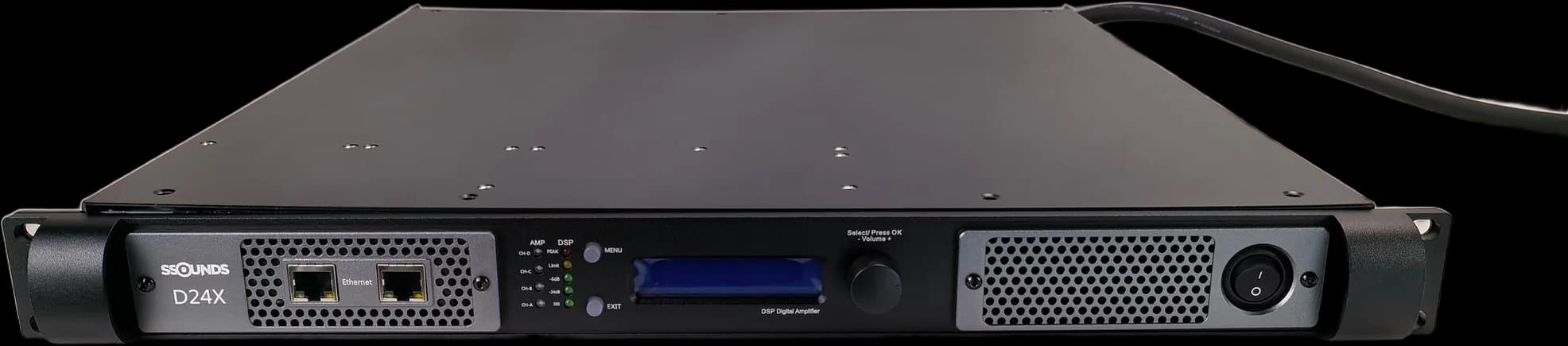
SSOUNDS
SSOUNDS D24X
High-power 4-channel DSP amplifier, subwoofer-grade output with full FIR processing.

SSOUNDS
SSOUNDS A14X
4-channel touring amplifier for line arrays, 4 × 2,000 W @ 4 Ω, analog input.

SSOUNDS
SSOUNDS DSP 4×8
4-in / 8-out loudspeaker processor, 96 kHz, 1/36-octave filters and full system alignment.
LED video
Lyrics, IMAG and foyer signage, at pitches meant to be read from the front row as well as the back.
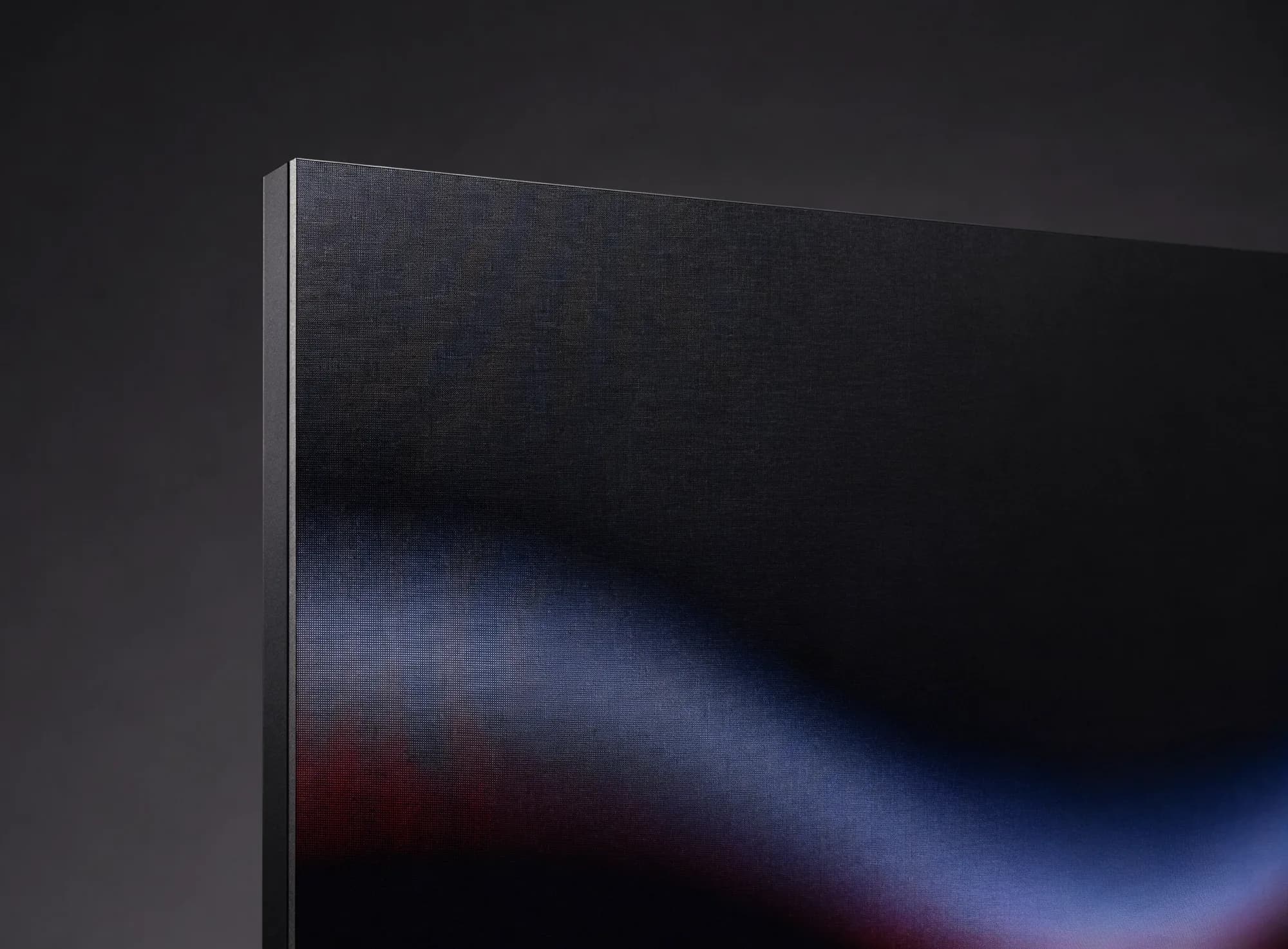
AIXCEL
AIXCEL FP Fine-Pitch Indoor LED Wall
P1.2 / P1.5 / P1.8 fine-pitch indoor LED, seamless 16:9 panels for boardrooms, studios and control rooms.
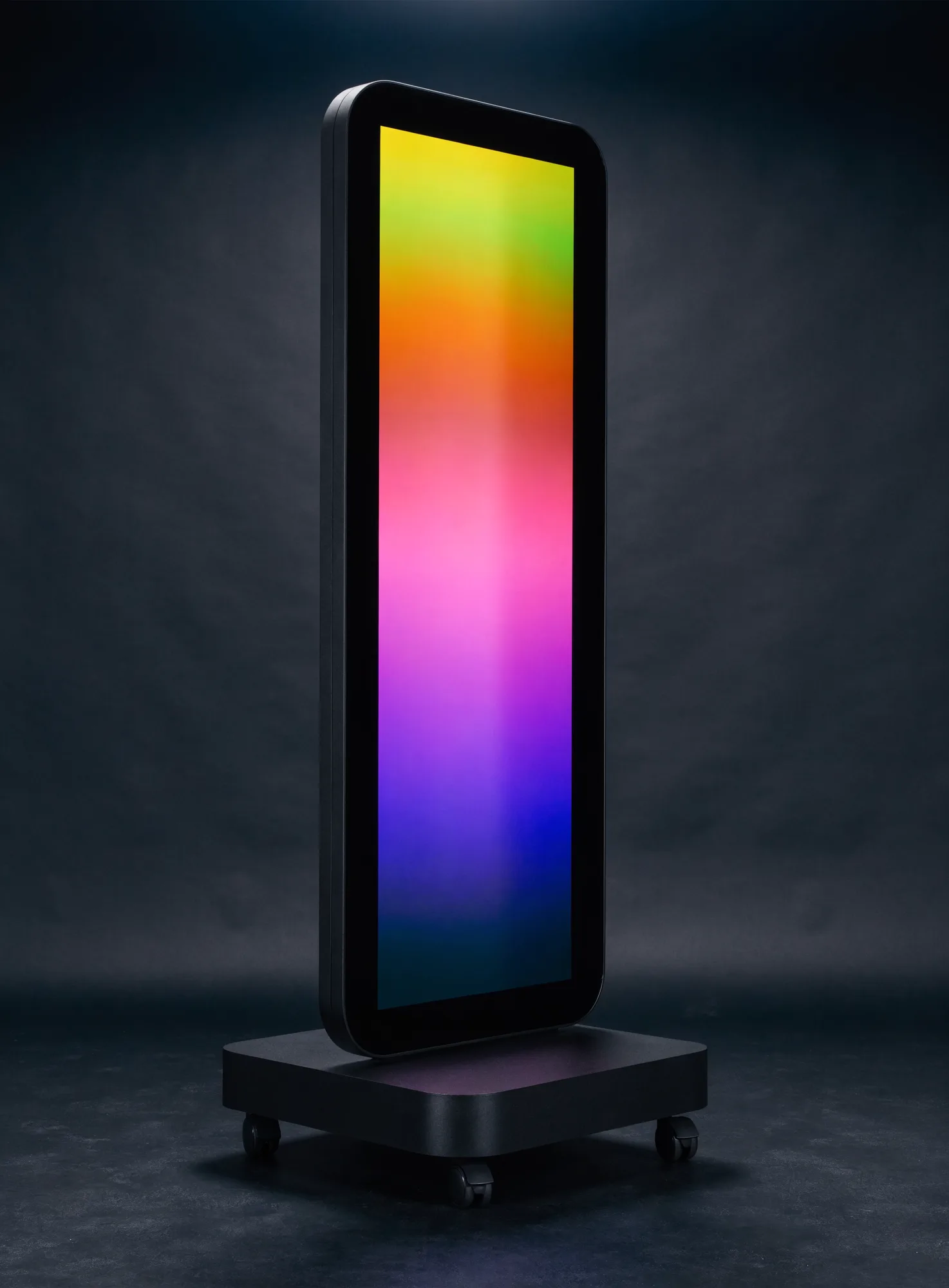
AIXCEL
AIXCEL Poster Mobile LED Display
Slim mobile LED poster, wheel it in, plug it in, play. Retail, lobbies, events.
Why these products. The XTO 8P and LS208 both name houses of worship in their product description, the XTO 4.6 names houses of worship and auditoria, the XTO 10P carries the worship application tag, the LS310 is described as scaling to stadium-grade worship, the M3.12P names houses of worship and reverberant rooms, and the M-12SUB names compact worship systems. The LC16.3, LC70 and LC100 columns each name houses of worship in their product description, and the LC16.3 curves no line at all: it is a straight array whose narrow vertical pattern covers the seats nearest the wall, and the P10T names houses of worship and mosques. The AIXCEL FP names houses of worship and the AIXCEL Poster names their foyers. The LC8.2 and LC16.2 slim columns, the LC4.3D and LC8.3D Dante columns, the CL6HD and CL8HD Dante ceiling speakers and the M-10D Dante loudspeaker each name houses of worship and mosques in their product description.
Recent work in this application
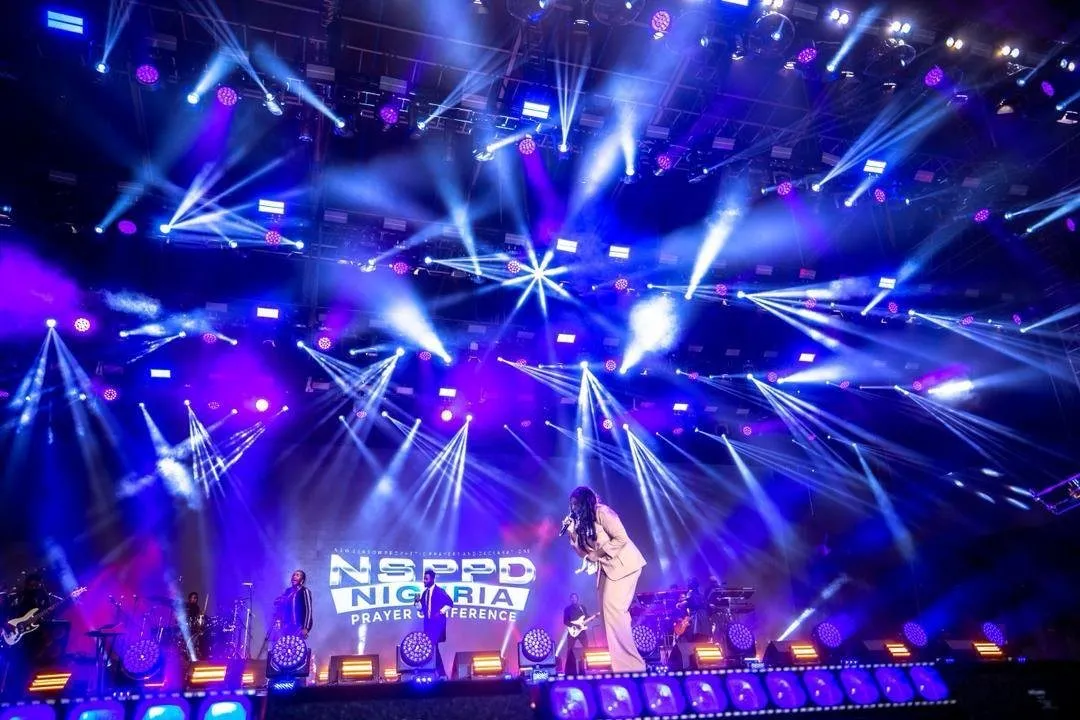
NSPPD Nigeria Prayer Conference 2026
Tafawa Balewa Square, Lagos · 2026
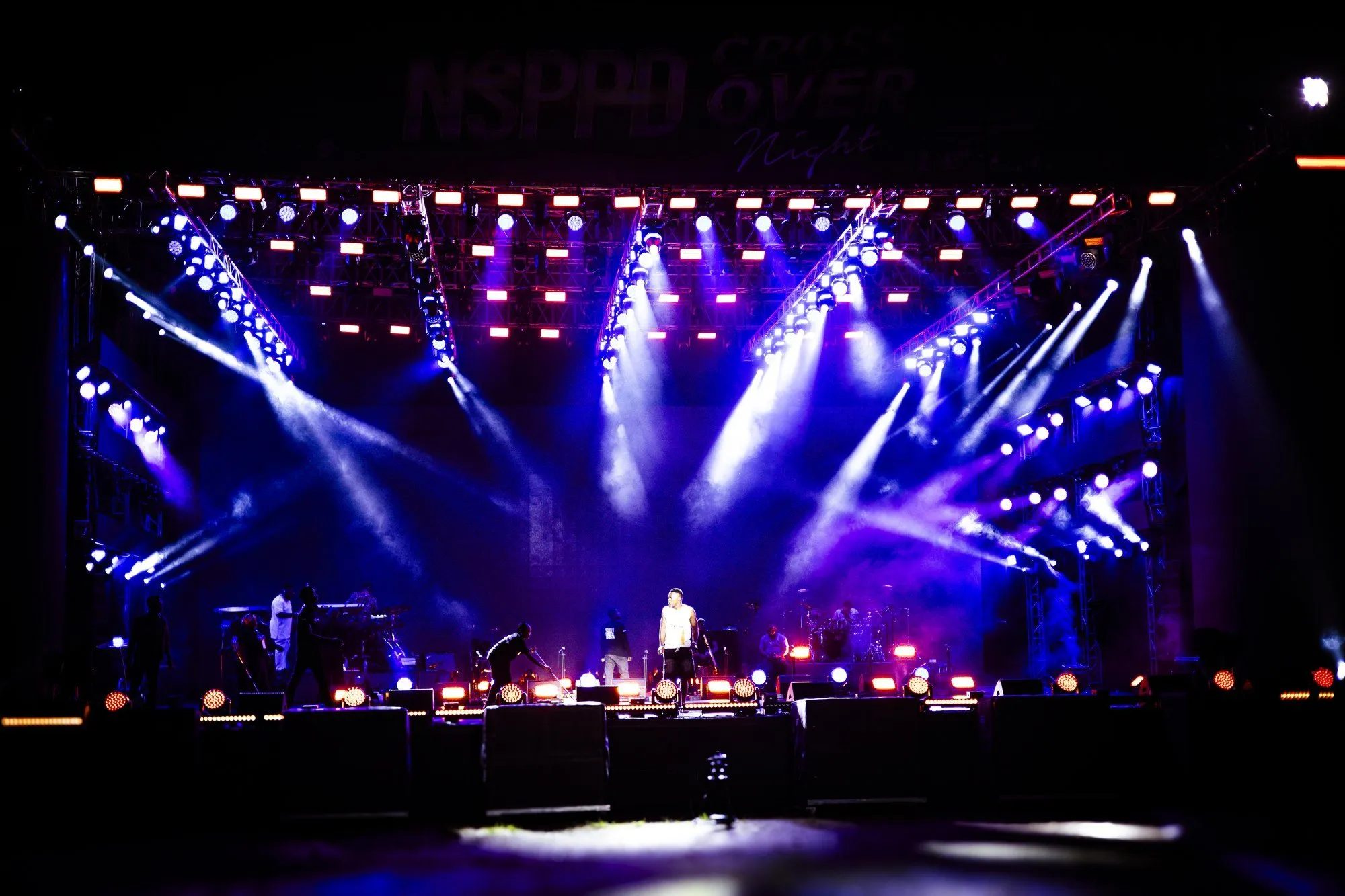
NSPPD Crossover Night
National Stadium, Abuja · 2026
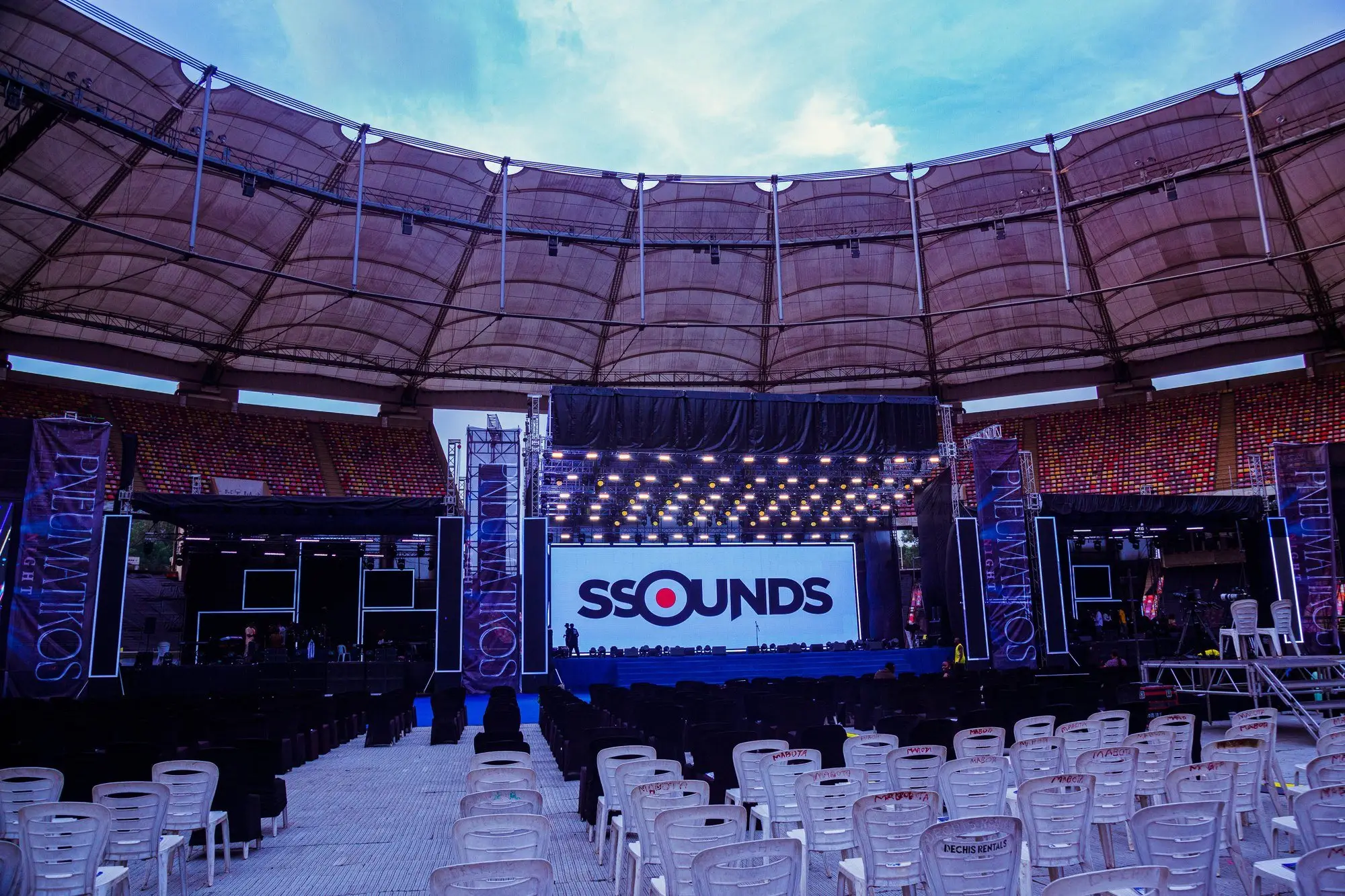
Pneumatikos 2025
National Stadium, Abuja · 2025
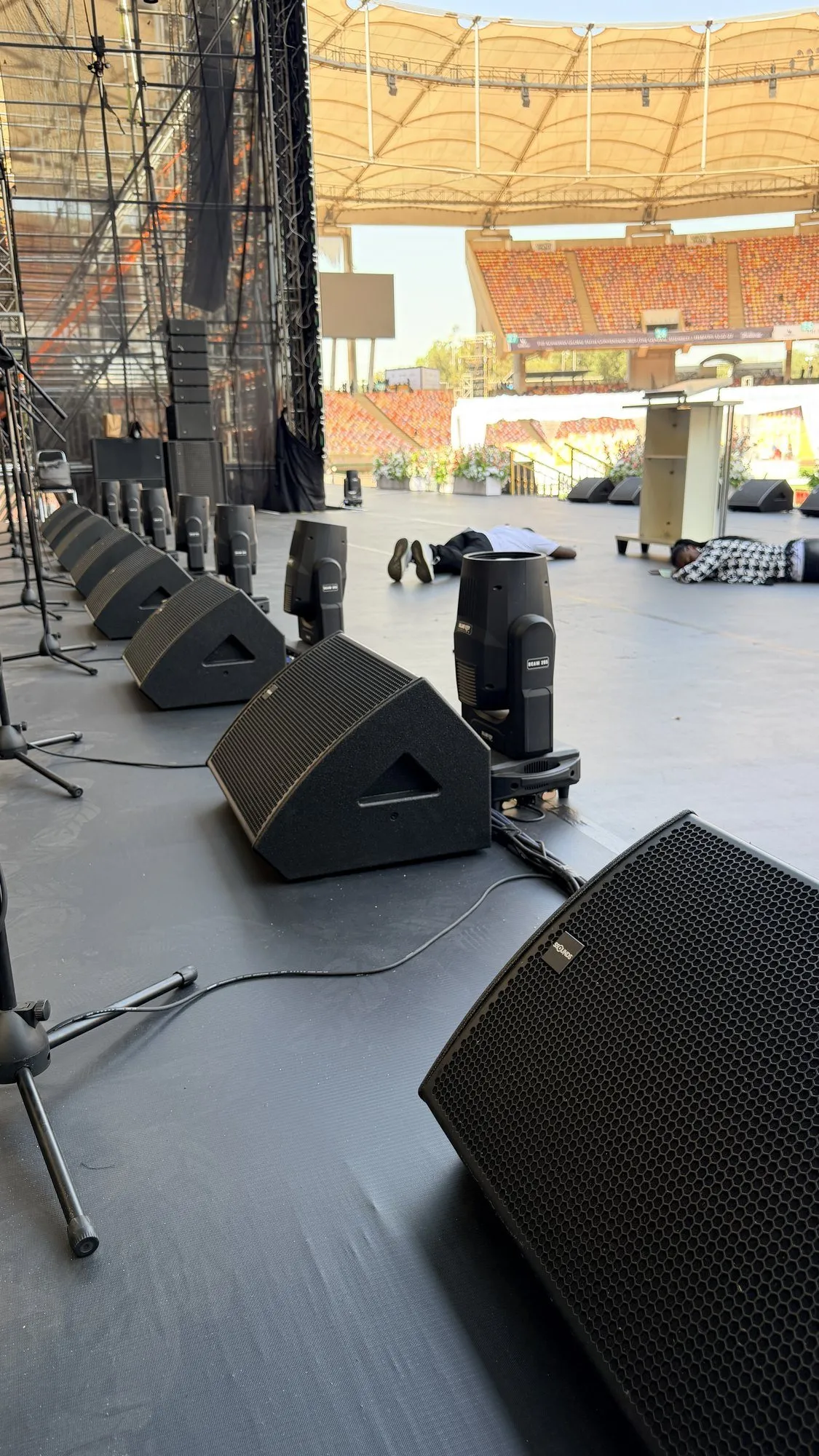
Koinonia General Assembly, The Mandate
National Stadium, Abuja · 2025
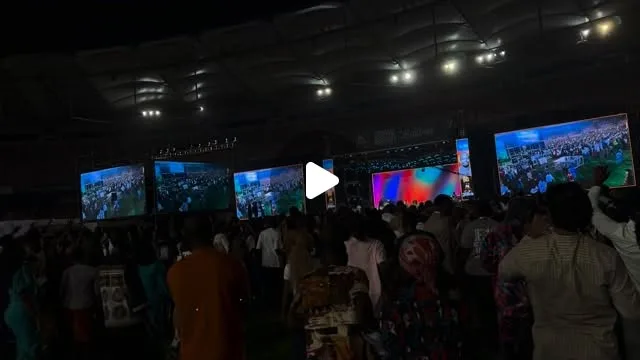
Koinonia Global
2025
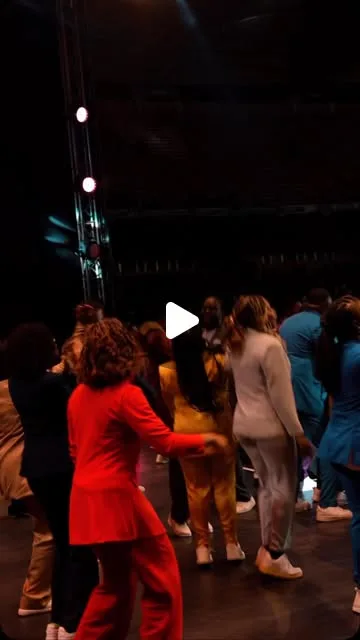
Streams of Joy Crossover with Jerry Eze
Abuja · 2024
Guides for this application
Get this specced for your room
Send us the drawings, the seat count and what the room has to do. Our engineers model the coverage and come back with a product list, a rigging plan and a budget.