Applications
Stadium and Sports Venue Sound Systems
A stadium is an outdoor room with a hard bowl, a crowd that makes its own noise, and weather that gets a vote.
What this application asks of a system
The distance between the nearest and furthest listener in a stadium bowl is large enough that no single loudspeaker position serves both well. Push the level until the top tier is covered and the front rows are punished; set it for the front rows and the far stand hears the reverberant bowl rather than the system. Stadium design is therefore almost always distributed: several positions, each covering a defined block of seating, time-aligned so the arrivals read as one.
The bowl itself is the second problem. Concrete stands, a roof canopy and a glass facade return energy across the pitch as a long, distinct reflection. It arrives late enough to be heard as a separate event, which is exactly what destroys the intelligibility of a safety announcement. Tight vertical control that puts energy on seated people and keeps it off the opposite structure is the only real defence.
Then there is everything that is not acoustics. The system lives outdoors through rainy season, harmattan dust and direct sun. It has to be intelligible over a crowd that is itself producing significant noise, it usually has to serve both a match-day announcement role and a concert role, and rigging positions are fixed by the structural engineer rather than by the system designer.
What we look at first
- Distributed positions versus a centre-hung cluster, decided by the bowl geometry and the available steel
- Delay alignment between positions, so a listener between two of them hears one system
- Vertical control that keeps energy off the opposite stand and the roof
- Intelligibility over crowd noise, which is the requirement a safety announcement has to meet
- Weather, dust and sun exposure on every part of the system, including the LED
- The dual brief: match-day announcements and a full concert production from the same infrastructure
Recommended SSOUNDS products
Grouped by the job each product does in this kind of system. Specifications live on the product pages and in the data sheets, so nothing is restated here.
Main hangs
Large-format arrays for concert production and for main-stand coverage where the throw is long.
 Featured
SSOUNDS
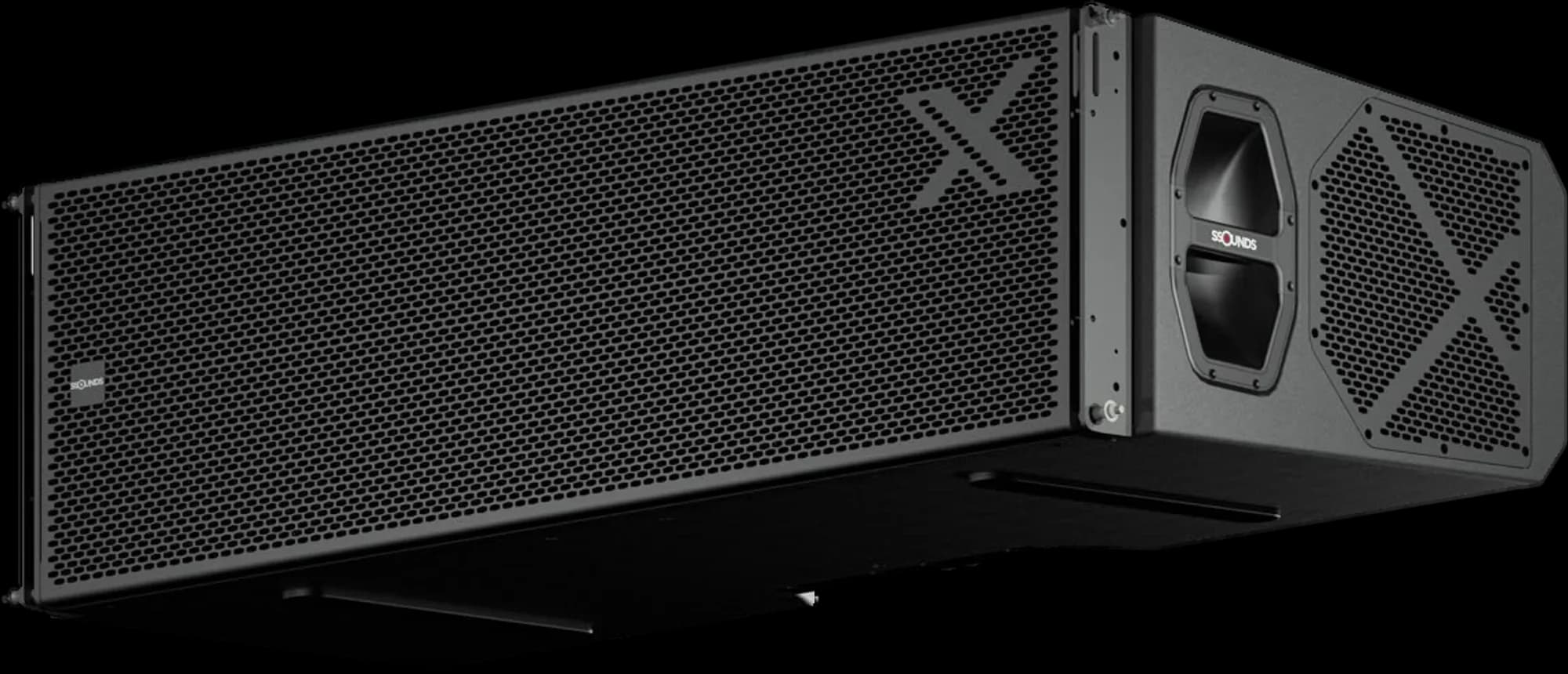
SSOUNDS XTO 14X
Cardioid dual 14″ large-format element, 3-way quad-amplified, 153 dB peak, one D34X per box.
 Featured
SSOUNDS
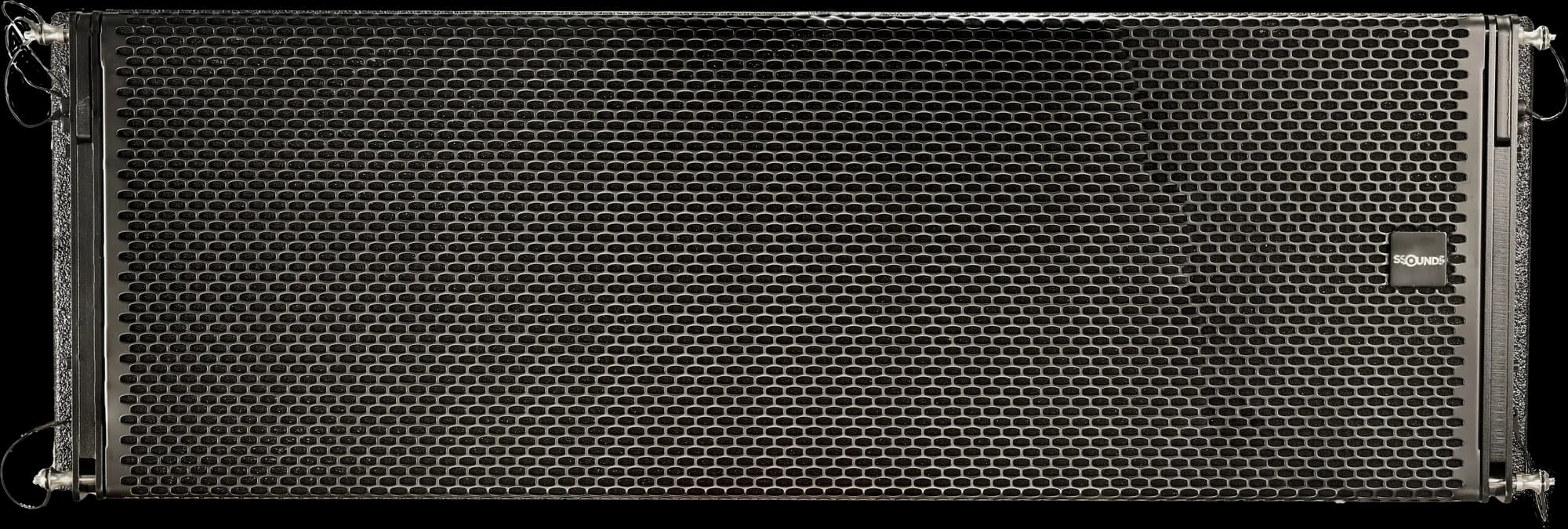
SSOUNDS XTO 12P
Large-format element of the XTO System, 3-way quad-amplified, 149 dB peak SPL from a Socapex-loomed touring element.
 Featured
SSOUNDS
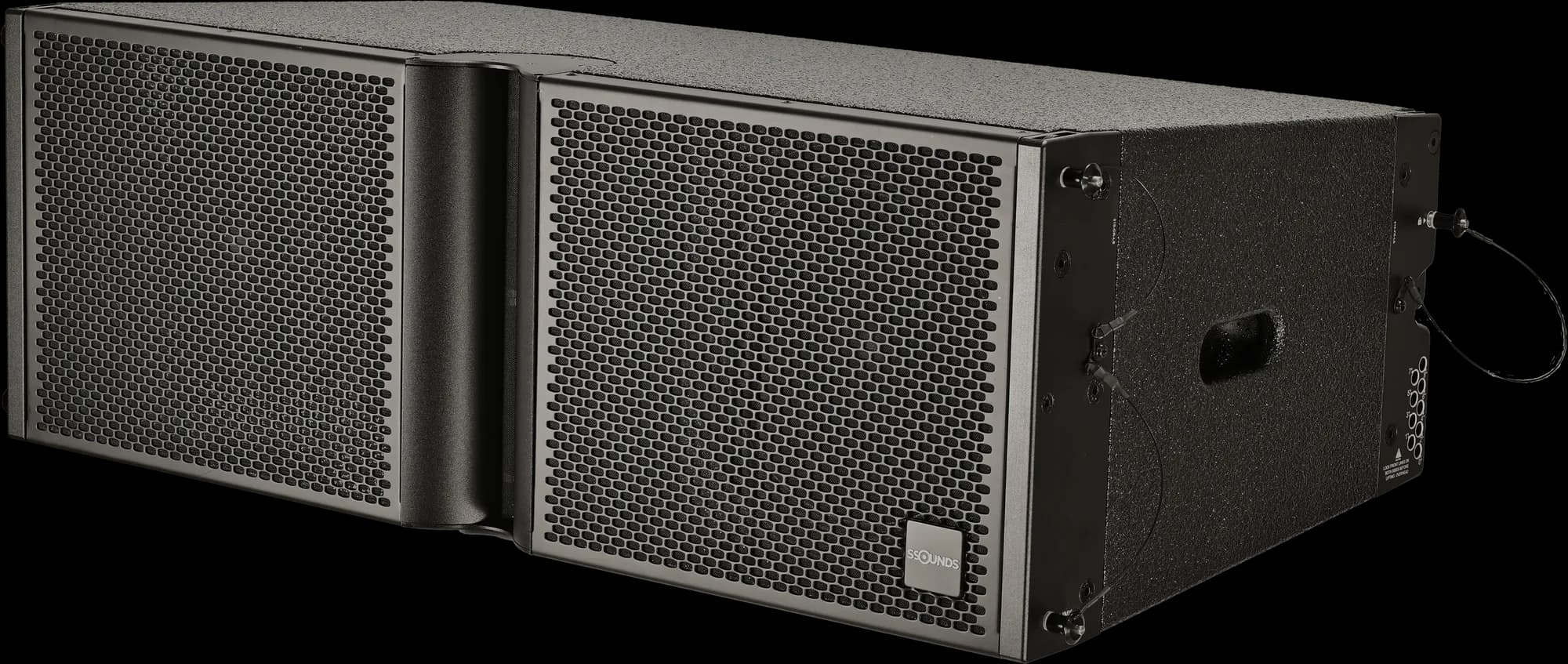
SSOUNDS LS310
Flagship of the LS series, large-format quad-amplified line array, 143 dB peak, 110° × 8°.
Long throw, infill and delay
Narrow-pattern point source for distributed positions, infill between hangs and the far blocks.
SSOUNDS
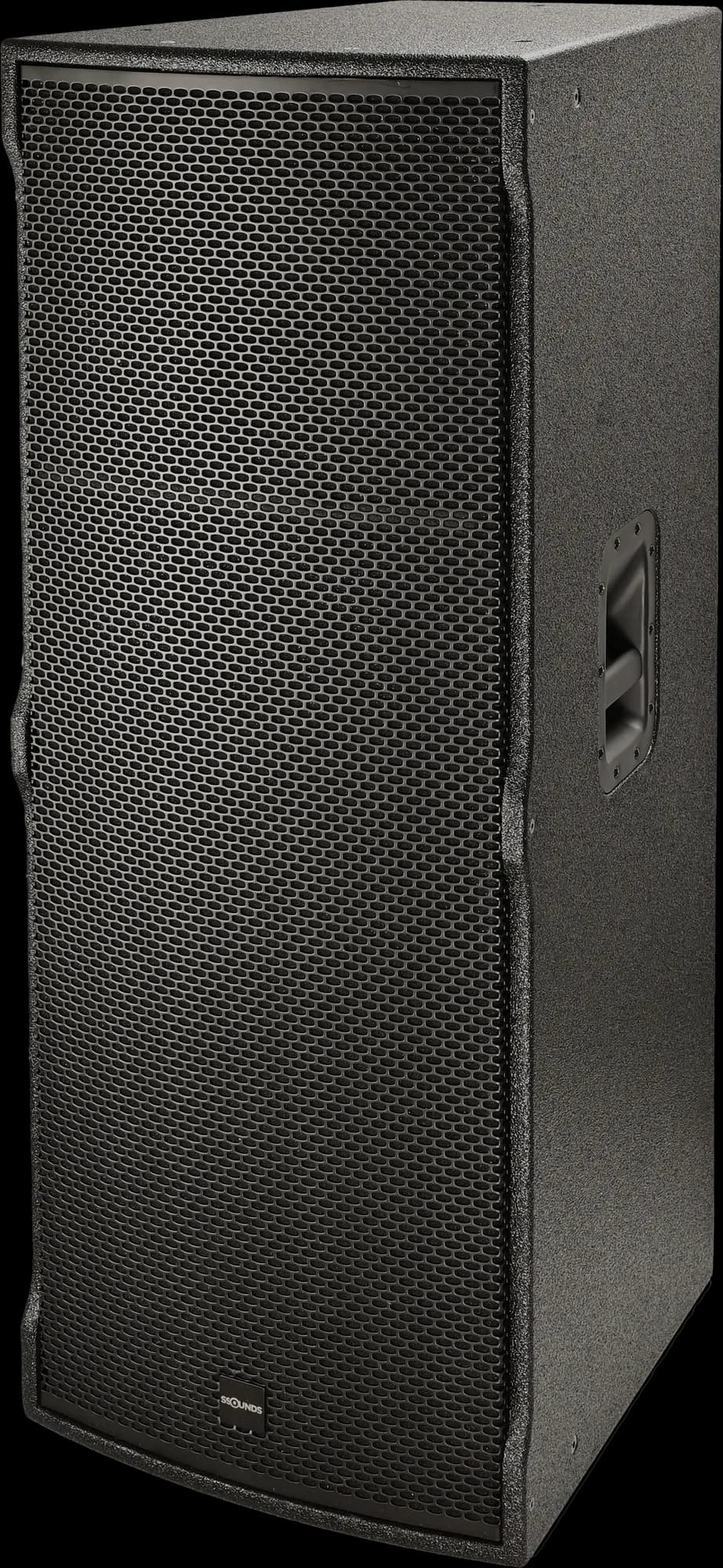
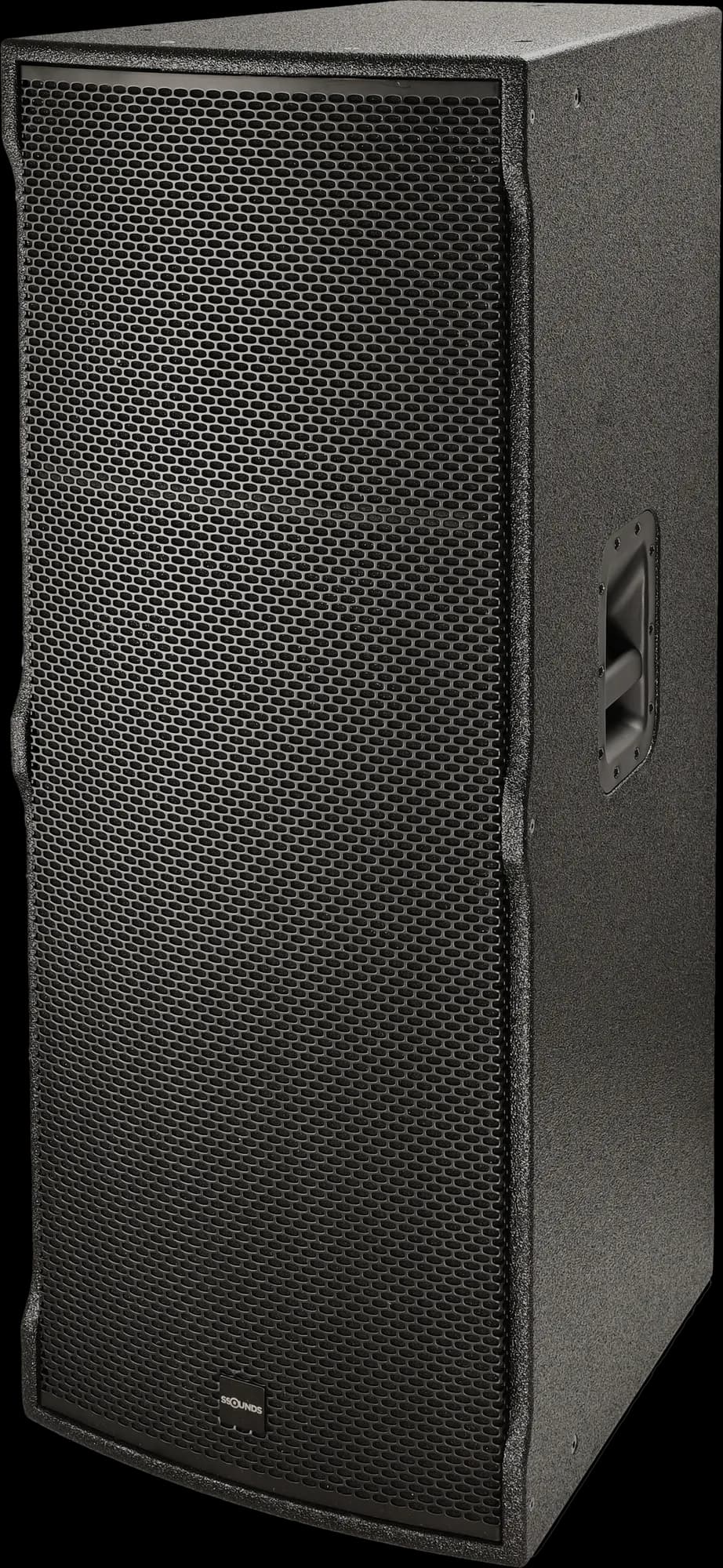
SSOUNDS P15-X
3-way long-throw point source, 2 × 15″, 4 × 6.5″ and 2 × 3″ behind a 70° × 40° waveguide, 2,000 W.
SSOUNDS
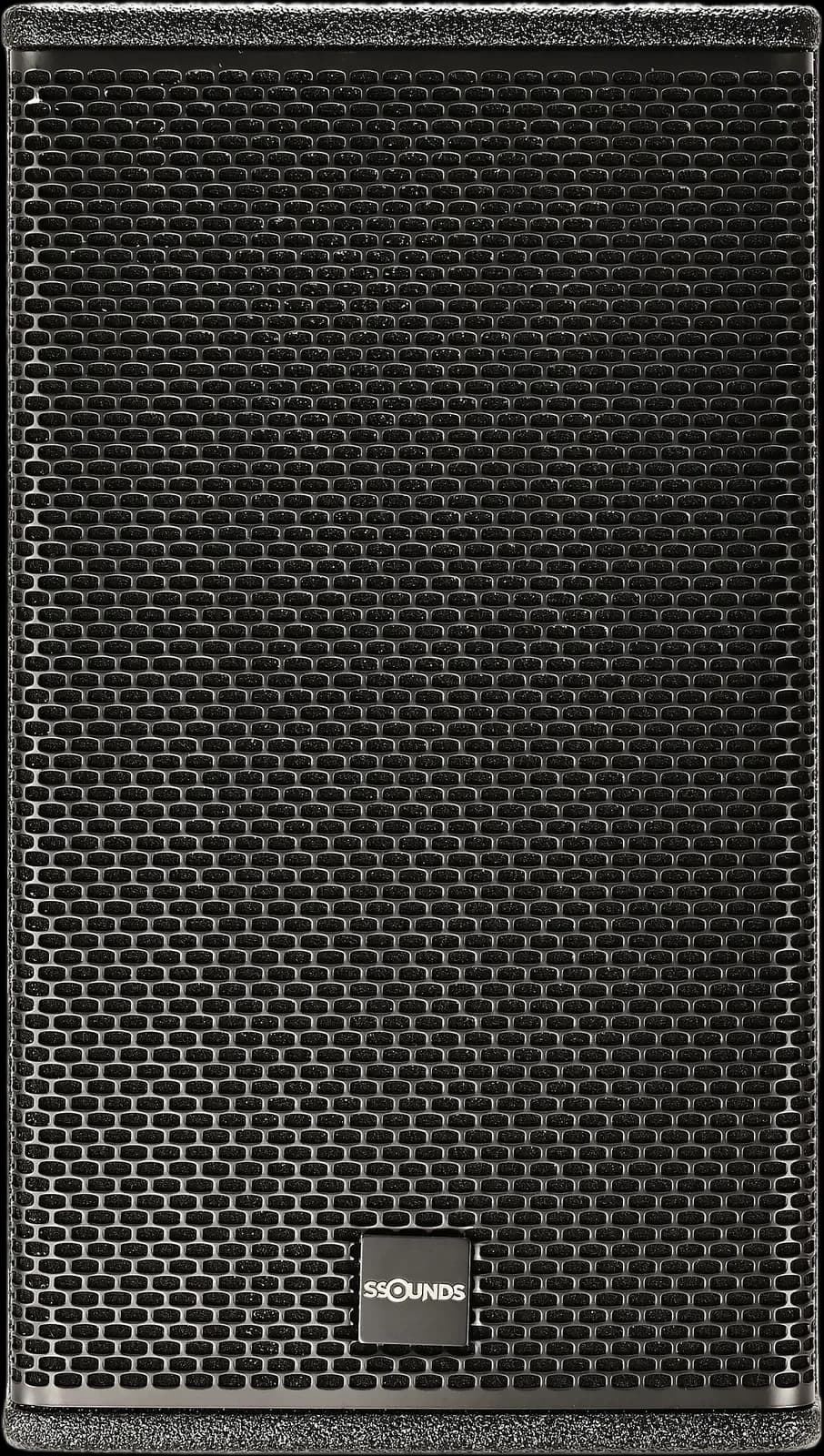
SSOUNDS P15-XA
Active tri-amplified P15-X, same 3-way long-throw package with full DSP control of each section.
SSOUNDS
SSOUNDS M-15
15″ two-way point source, 55 Hz – 20 kHz, 137 dB peak, passive or bi-amplified.
Subwoofers
Cardioid arrays keep low frequency on the crowd and out of the pitch, the stage and the neighbourhood.
SSOUNDS
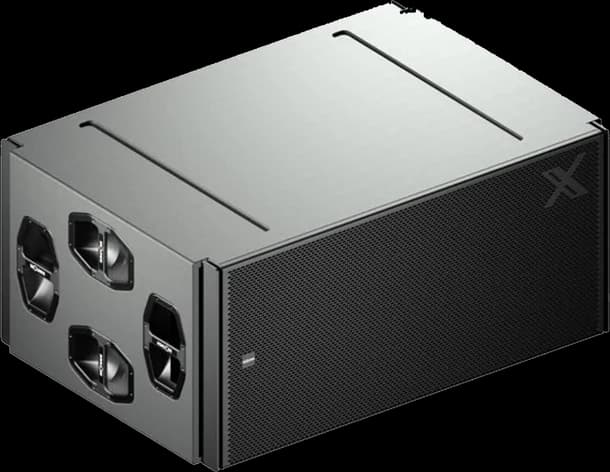
SSOUNDS XTO S221F
2 × 21″ subwoofer of the XTO System, 145 dB peak, flown with the main arrays or ground stacked.
SSOUNDS
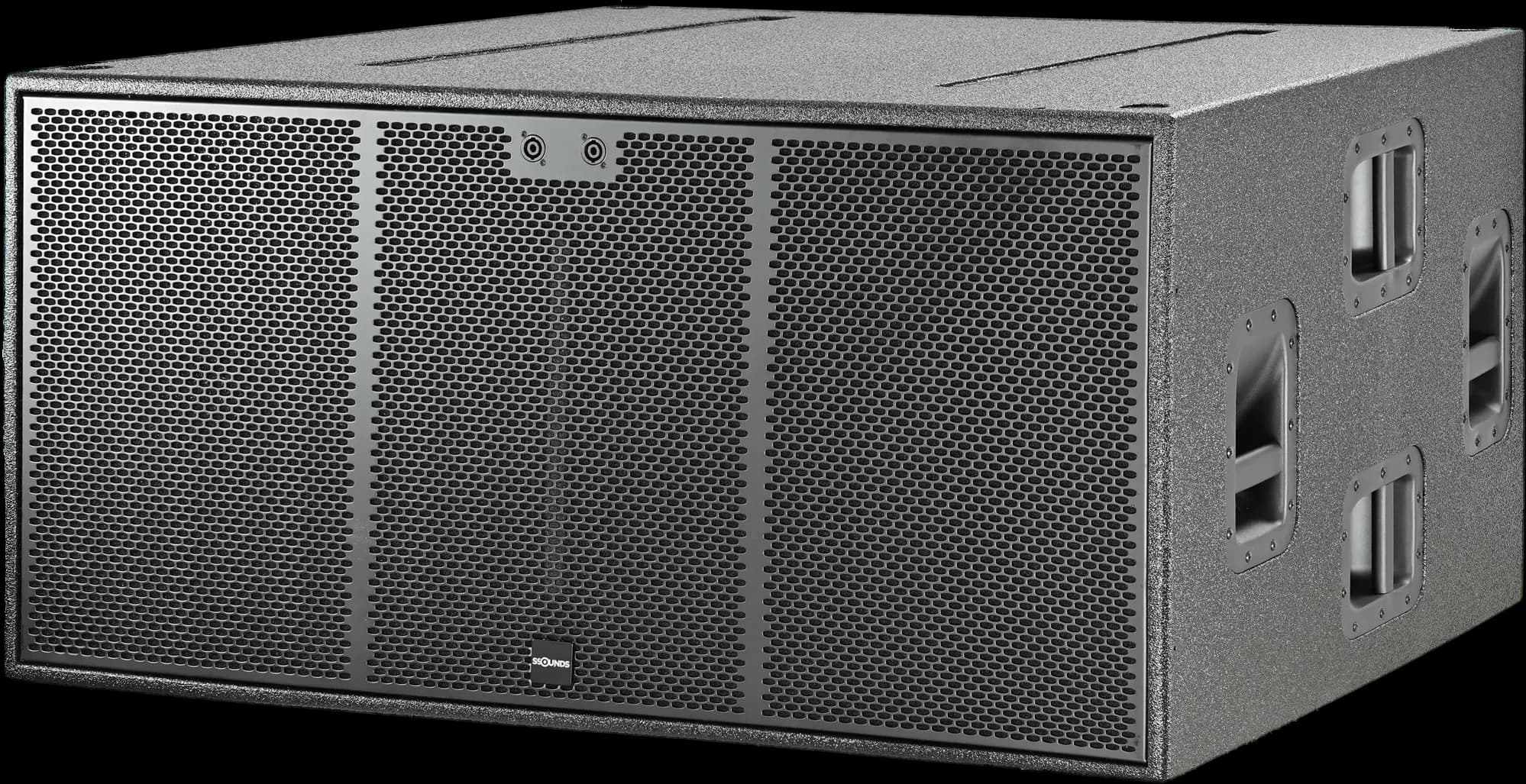
SSOUNDS XTO S218
Dual-18″ subwoofer module of the XTO System, massive, defined low-end with cardioid-ready configuration for touring and stadiums.
SSOUNDS
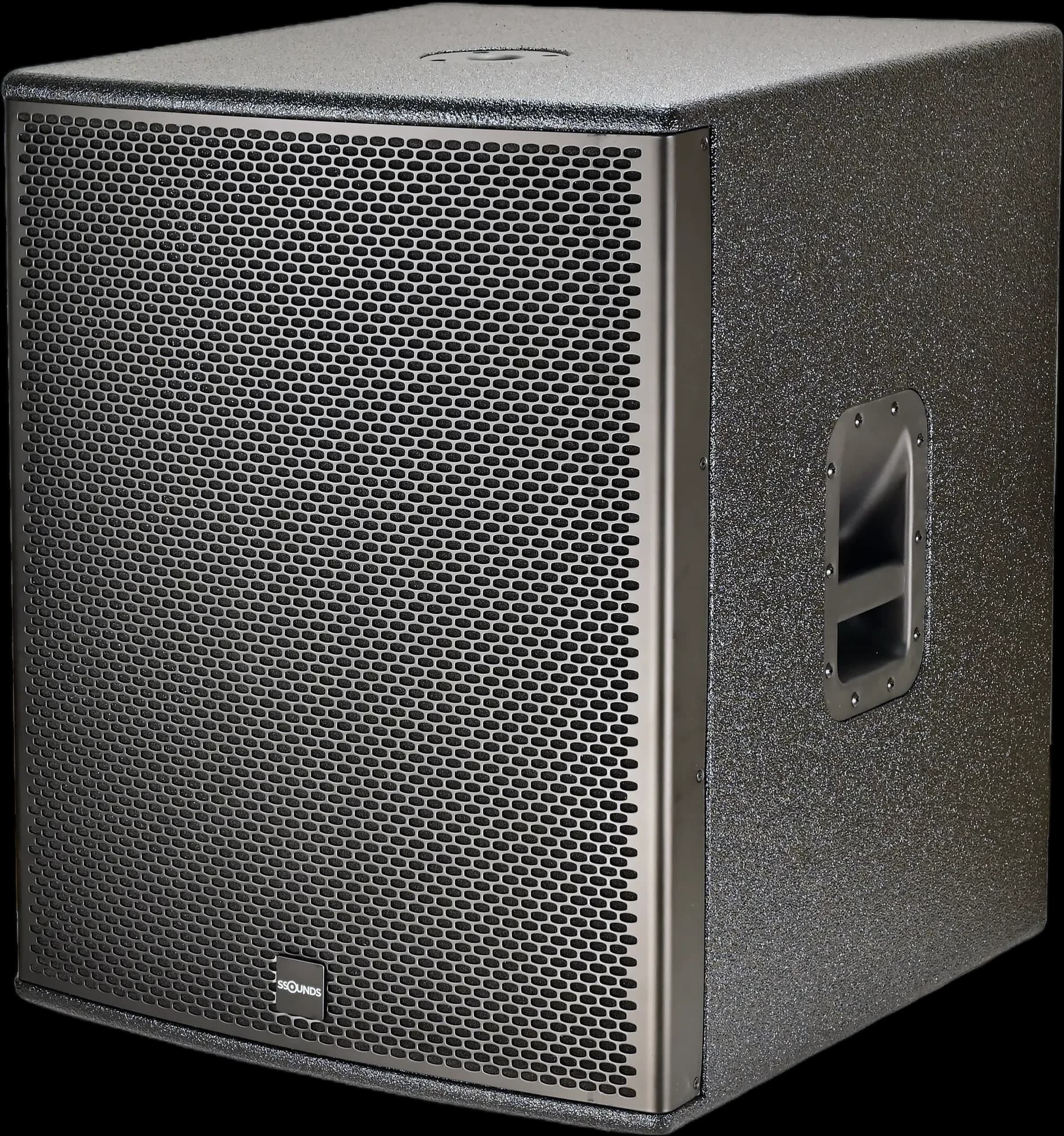
SSOUNDS XTO S18
Single-18″ subwoofer module of the XTO System, flyable on the shared track for arrays that hang with the tops.
SSOUNDS
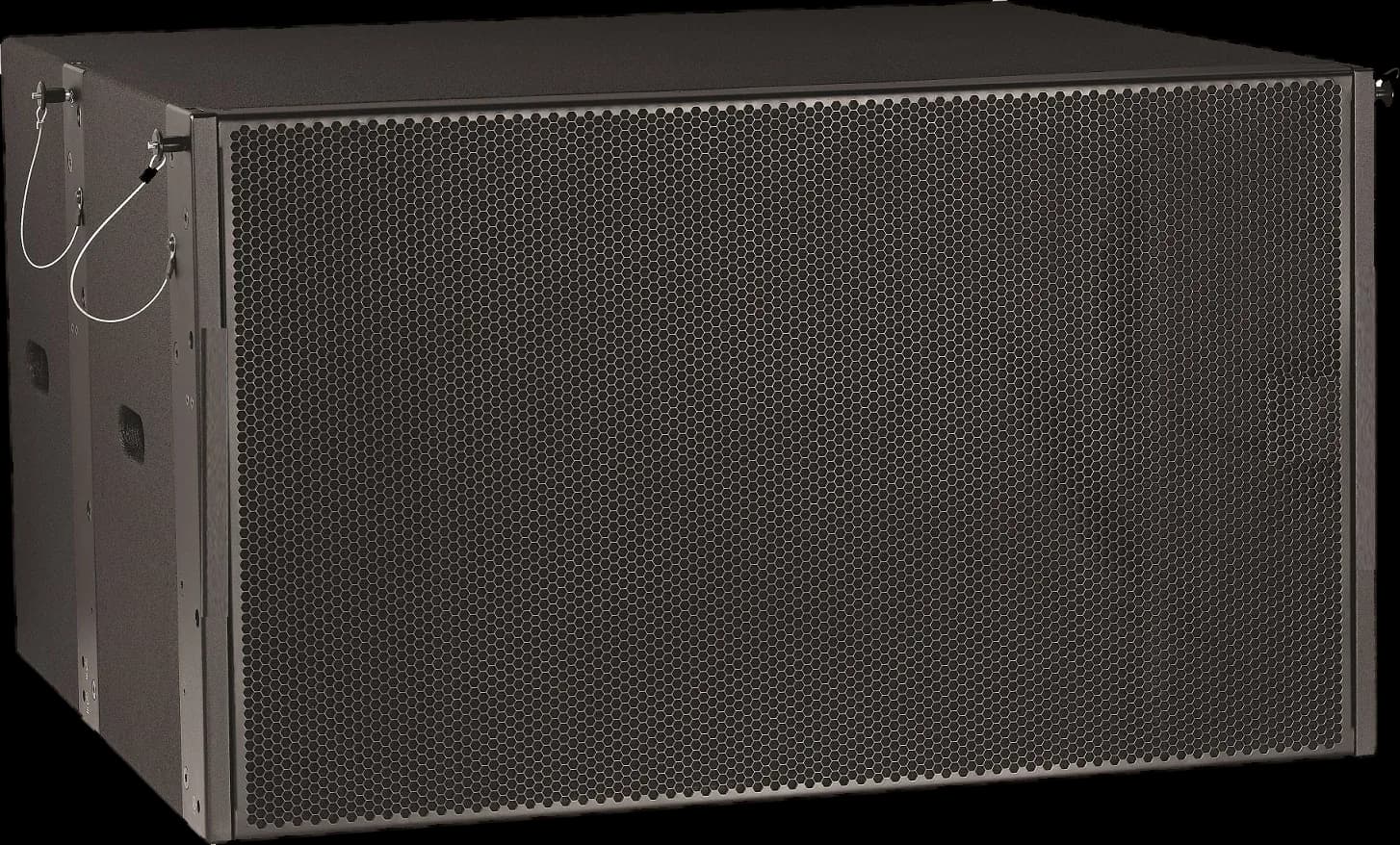
SSOUNDS LS310 Sub
Flyable dual-18″ subwoofer for LS310 arrays, 23 Hz reach, 143 dB peak, flies on the same hang.
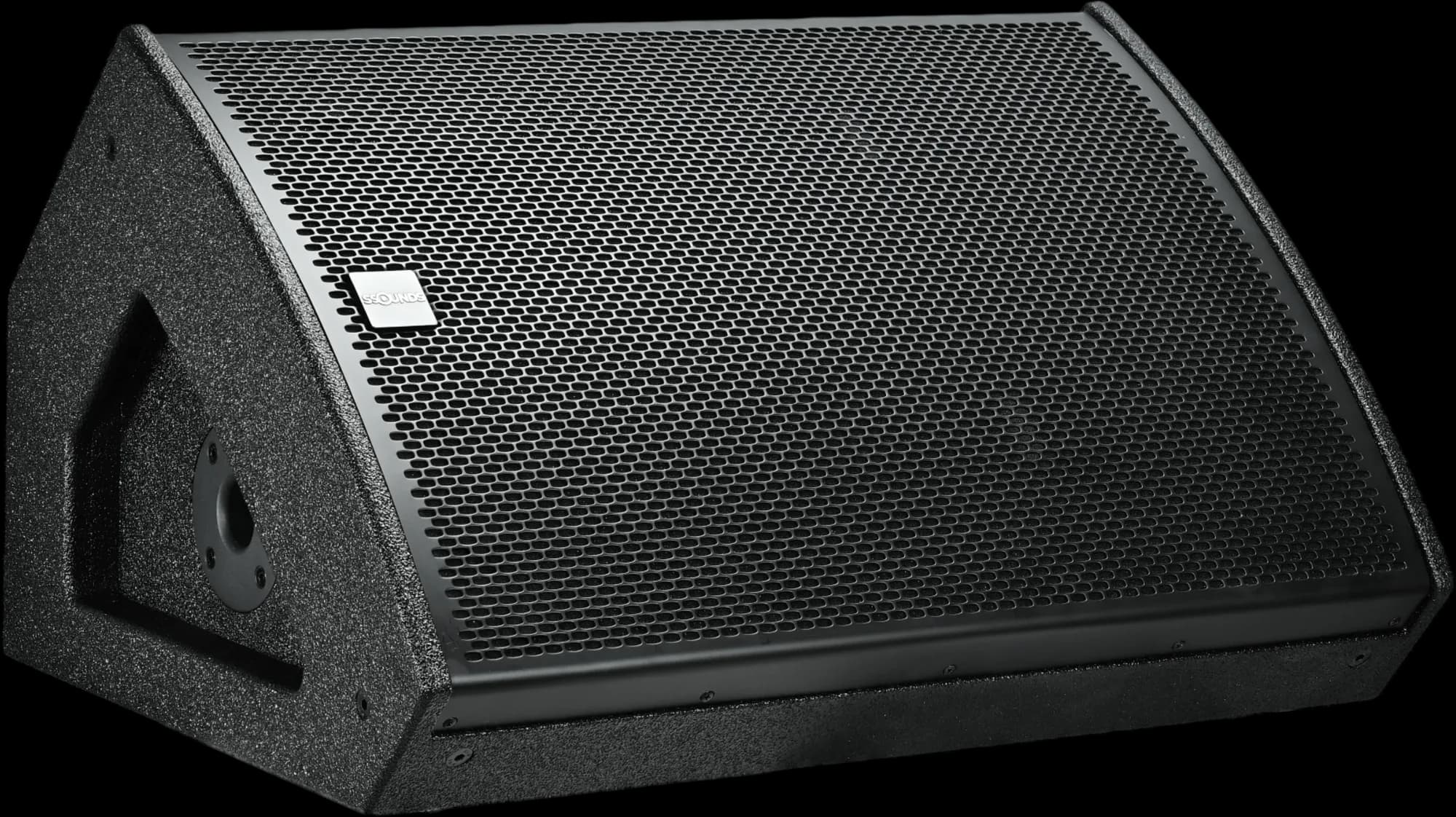
Stage monitors
Wedges and fills for match-day entertainment and concert stages in the bowl.

Amplification and processing
High-power amplification for distributed positions and large subwoofer arrays, with networked control across the bowl.

SSOUNDS
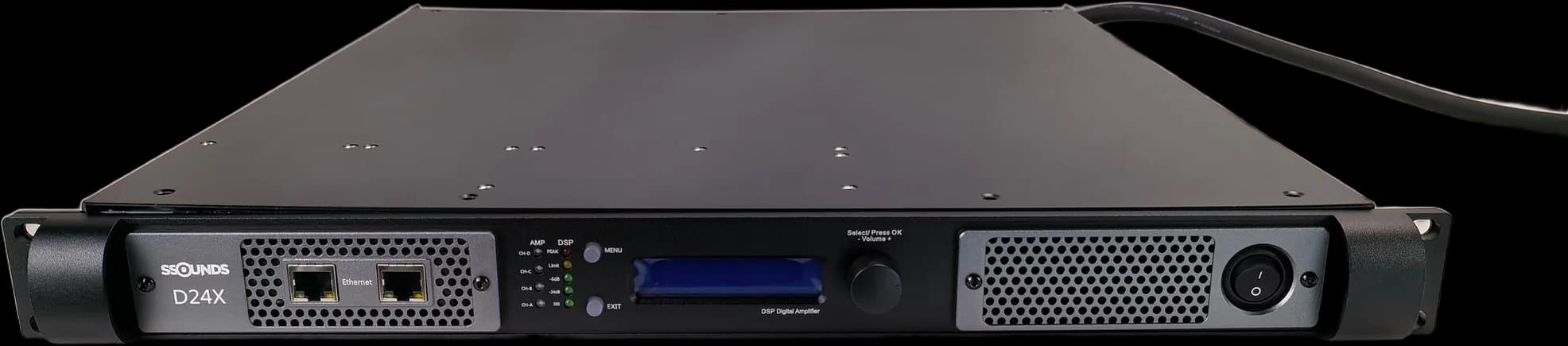
SSOUNDS D24X
High-power 4-channel DSP amplifier, subwoofer-grade output with full FIR processing.
SSOUNDS
SSOUNDS D34X
Coming soon. 4-channel networked DSP amplifier, 4 × 3,000 W at 8 Ω, Dante, Milan, AES3 and analog in.
SSOUNDS
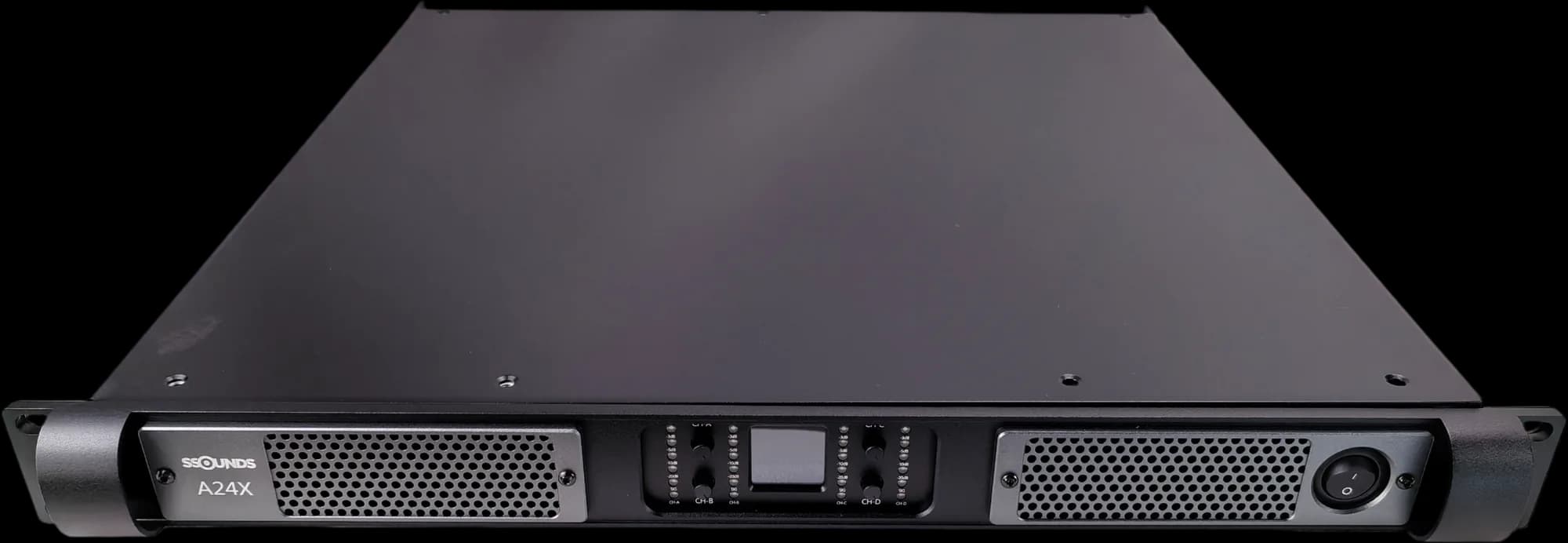
SSOUNDS A24X
High-power 4-channel subwoofer amplifier, 4 × 4,400 W @ 4 Ω for XTO sub arrays.
SSOUNDS
SSOUNDS A34X
Coming soon. 4-channel Class-D amplifier, 4 × 3,000 W at 8 Ω, analog input, no onboard DSP.

SSOUNDS
SSOUNDS D14X
4-channel DSP amplifier with FIR, line-array power plus full system processing and presets.
LED video
Perimeter boards, big screens and facade displays that stay legible in direct sun and keep working in the rain.
Unilumin
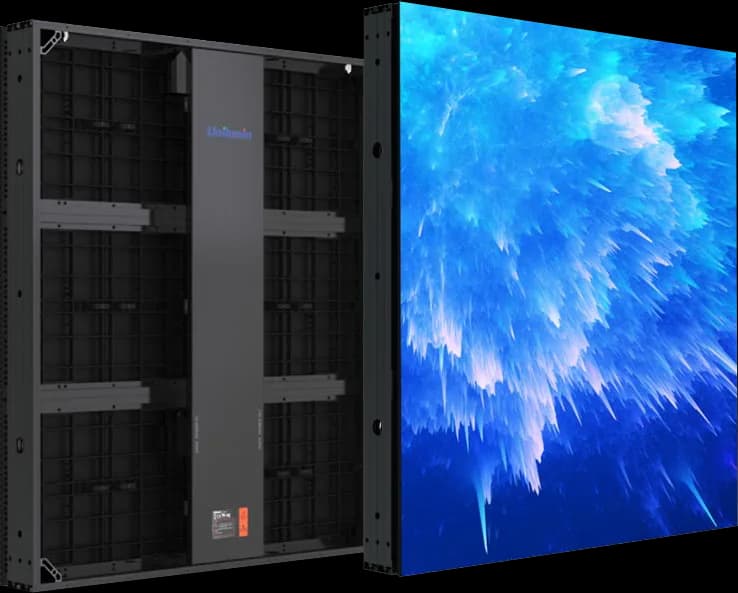
Unilumin Usurface III
High-brightness outdoor SMD, up to 10,000 nits, IP65 both sides, billboard and stadium grade.
AIXCEL
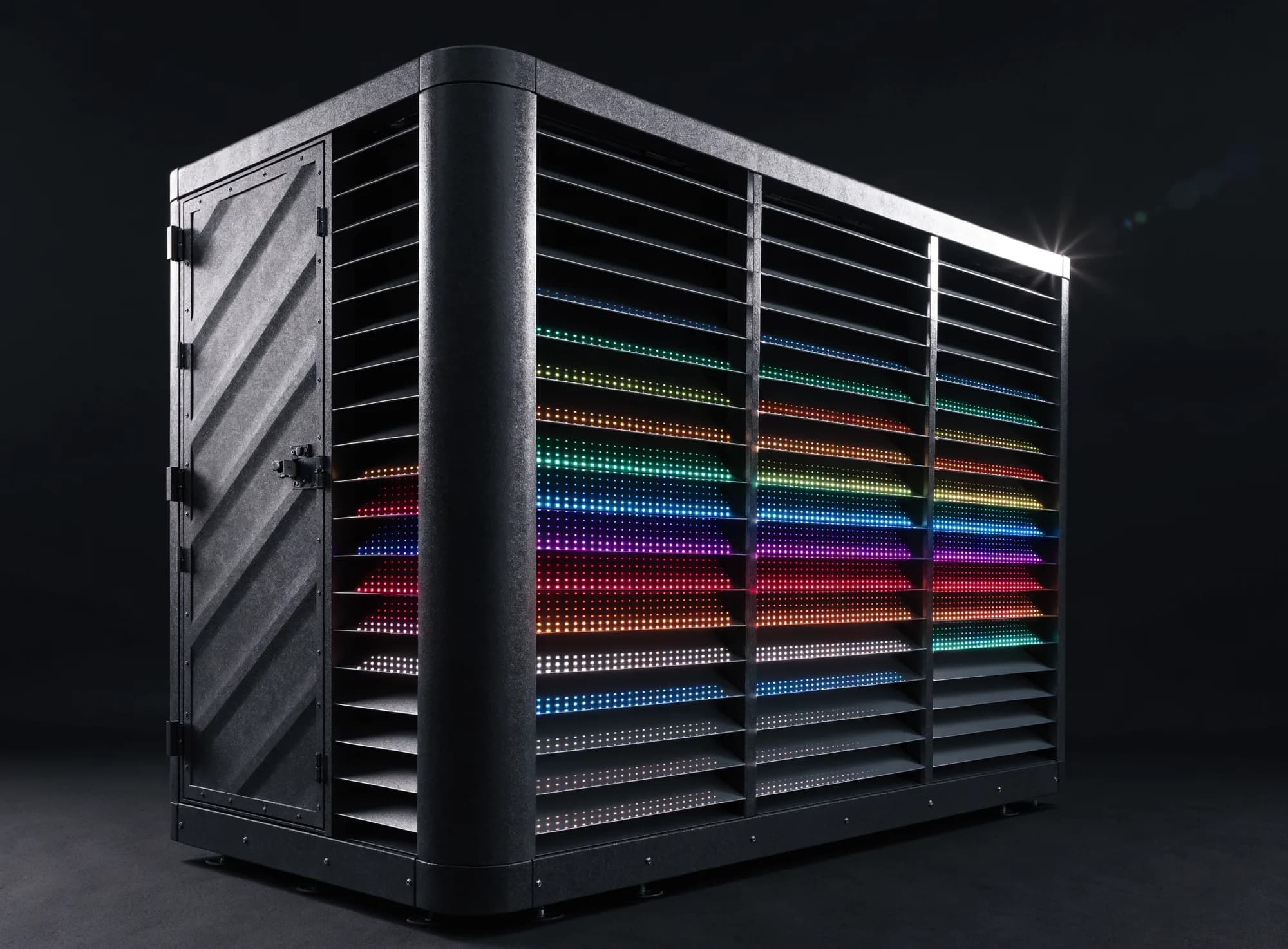
AIXCEL OD Outdoor Fixed LED Billboard
P6.6 / P8 / P10 outdoor fixed LED, 6,500-nit billboard cabinets built for African sun and weather.
Gloshine
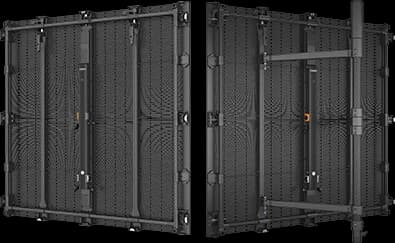
Gloshine CB MAX
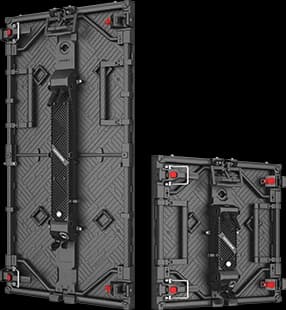
Outdoor concert touring flagship, 1 m² cabinets, integrated wind bracing, hangs to 20 m.
Gloshine
Gloshine UR Series
Universal indoor/outdoor rental LED, one carbon-reinforced platform for stage, sports and touring.
Why these products. The LS310 and XTO S218 both carry the stadium application tag, the A24X names stadium SPL, and the P15-X names arenas and stadium infill in its product description. On the video side, the Unilumin Usurface III and AIXCEL OD both name stadium perimeters, the Gloshine UR names sports, and the Gloshine CB MAX is described as an outdoor main-stage panel with wind bracing.

Guides for this application
Get this specced for your room
Send us the drawings, the seat count and what the room has to do. Our engineers model the coverage and come back with a product list, a rigging plan and a budget.