Applications
Military and Defence Public Address Systems
A defence system is specified twice, once for the acoustics and once for the paperwork, and the second one is where most proposals come apart.
What this application asks of a system
Much of the work is outdoors, where the room is not there to help. A parade ground or drill square is a flat, open, reflective expanse with a reviewing stand at one end, wind across it, listener distances that can run to a few hundred metres, and the requirement that an order is understood the first time by people who cannot ask again. That is a directivity and delay-position problem: energy held on the formation, nothing spent on the sky, and distributed positions time-aligned so a listener standing between two of them hears one voice.
Indoors the problem inverts. Briefing rooms, lecture theatres, operations rooms and gymnasia pressed into service as assembly halls are hard, rectangular and untreated, and the content is almost entirely speech. Intelligibility rather than level is the specification, and the system shares the room with open microphones and a great deal of reflective surface, so pattern control buys usable gain that another kilowatt does not.
Then there is the part specific to this sector. Equipment is transported, handled by rotating personnel, stored in conditions nobody chose, and maintained by whoever is posted there. It has to survive handling that a commercial install never sees, it has to go out in a case and come back, and the person setting it up this year did not set it up last year. Standardising on one cabinet family, one connector standard and one preset library is worth more here than any single line on a specification sheet.
Finally, procurement is part of the engineering. A defence requirement wants traceable specifications, declared performance, drawings, a parts list, a stated maintenance path and a named point of contact, in a form that survives review by people who are not audio engineers. A system that is acoustically right and poorly documented does not get bought, and that is a reasonable outcome rather than an unfair one.
What we look at first
- Outdoor coverage over a parade ground or drill square: distributed positions, delay alignment, and directivity that keeps energy on the formation
- Intelligibility as the written specification for briefing rooms, lecture theatres and operations rooms
- Transportability: case packing, handling, and a system that goes out and comes back intact
- Standardisation on one cabinet family, one connector standard and one preset library, because the operator changes with the posting
- Documentation a review can audit: declared specifications, drawings, parts lists and a stated maintenance path
- Serviceability by personnel on site rather than by a factory visit
- Weather exposure, and which positions need an enclosure or protective covering
Why SSOUNDS for this
We manufacture what we specify, so a defence schedule traces to one source: declared performance on our own data sheets, drawings, a parts list and a named engineering contact, rather than a bill of materials assembled from several catalogues with three separate warranty paths behind it.
One cabinet family, one connector standard and one preset library across an estate, because the person operating it next year has not met the person who commissioned it. The presets and configurations are ours, so a replacement cabinet is restored from a saved file by the personnel already on site.
Recommended SSOUNDS products
Grouped by the job each product does in this kind of system. Specifications live on the product pages and in the data sheets, so nothing is restated here.
Parade grounds, drill squares and open-area announcement
Long-throw point source on distributed positions, aimed at the formation and time-aligned so the order arrives once.
SSOUNDS
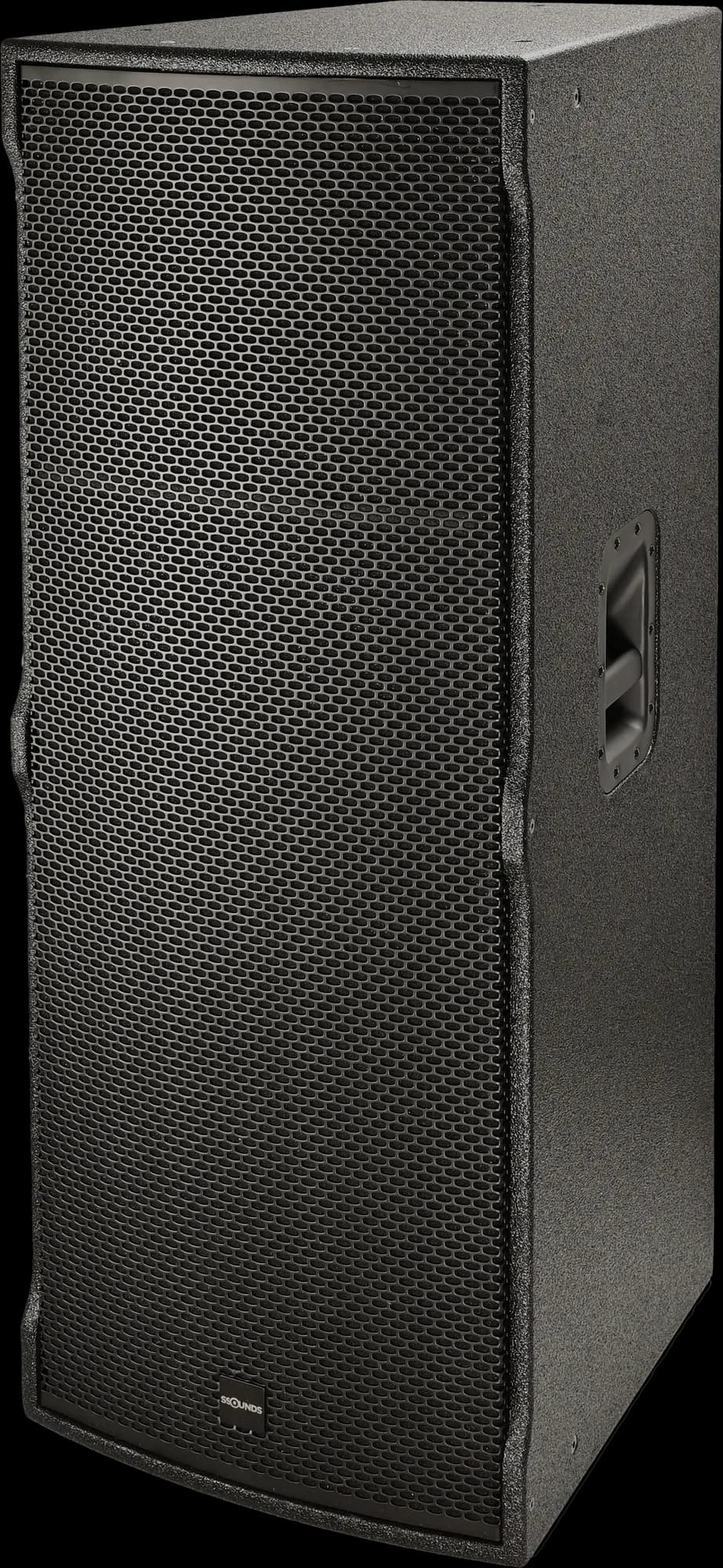
SSOUNDS P15-X
3-way long-throw point source, 2 × 15″, 4 × 6.5″ and 2 × 3″ behind a 70° × 40° waveguide, 2,000 W.
SSOUNDS
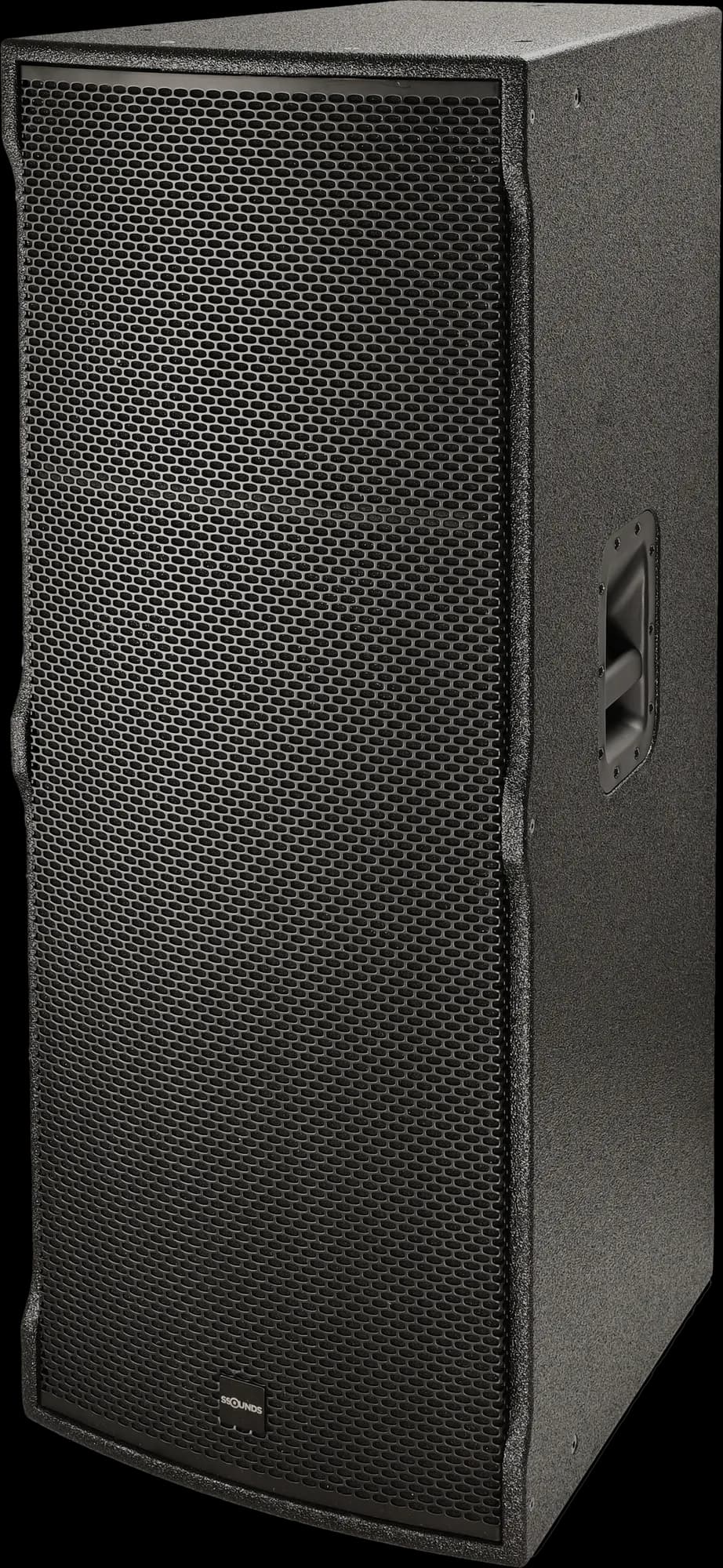
SSOUNDS P15-XA
Active tri-amplified P15-X, same 3-way long-throw package with full DSP control of each section.
SSOUNDS
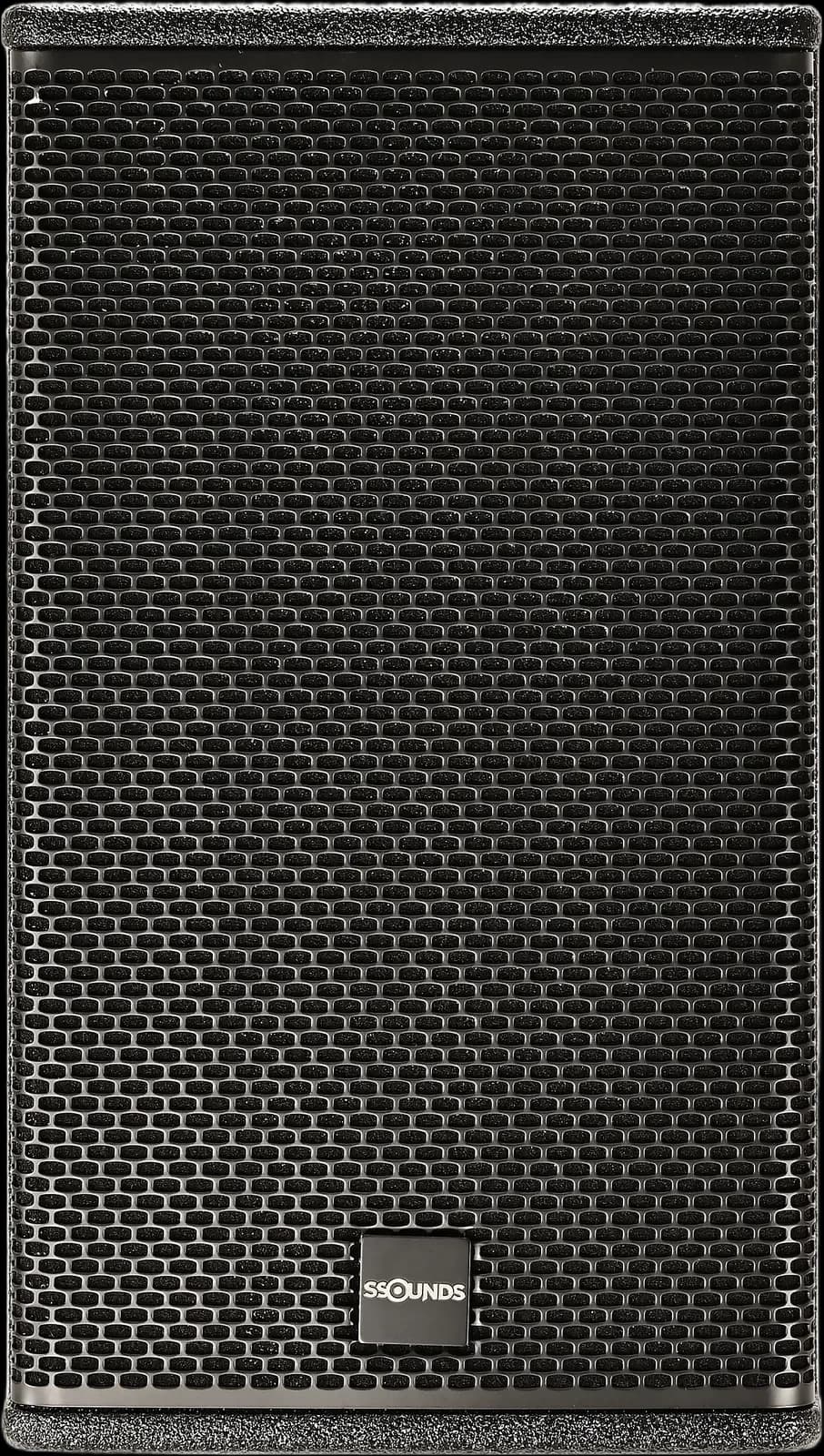
SSOUNDS M-15
15″ two-way point source, 55 Hz – 20 kHz, 137 dB peak, passive or bi-amplified.
Briefing rooms, lecture theatres and auditoria
Speech-first coverage in hard, rectangular, untreated rooms where intelligibility is the written requirement.

SSOUNDS
SSOUNDS M3.12P
3″ × 12 full-range column array, long-throw speech intelligibility for reverberant rooms.
SSOUNDS
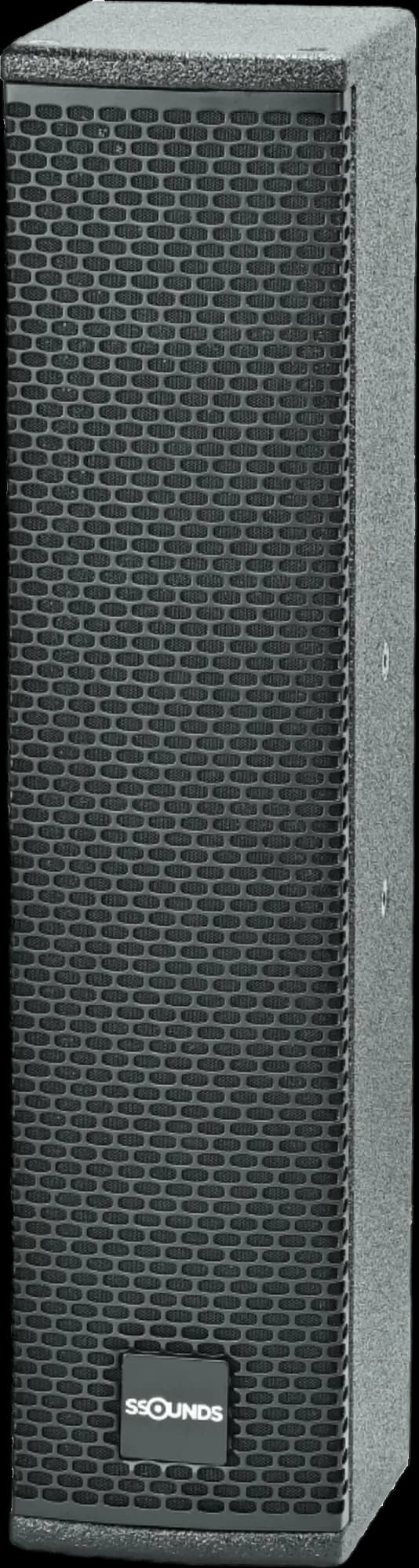
SSOUNDS M3.6P
Compact 3″ × 6 full-range column array, clean speech and music for architectural install.
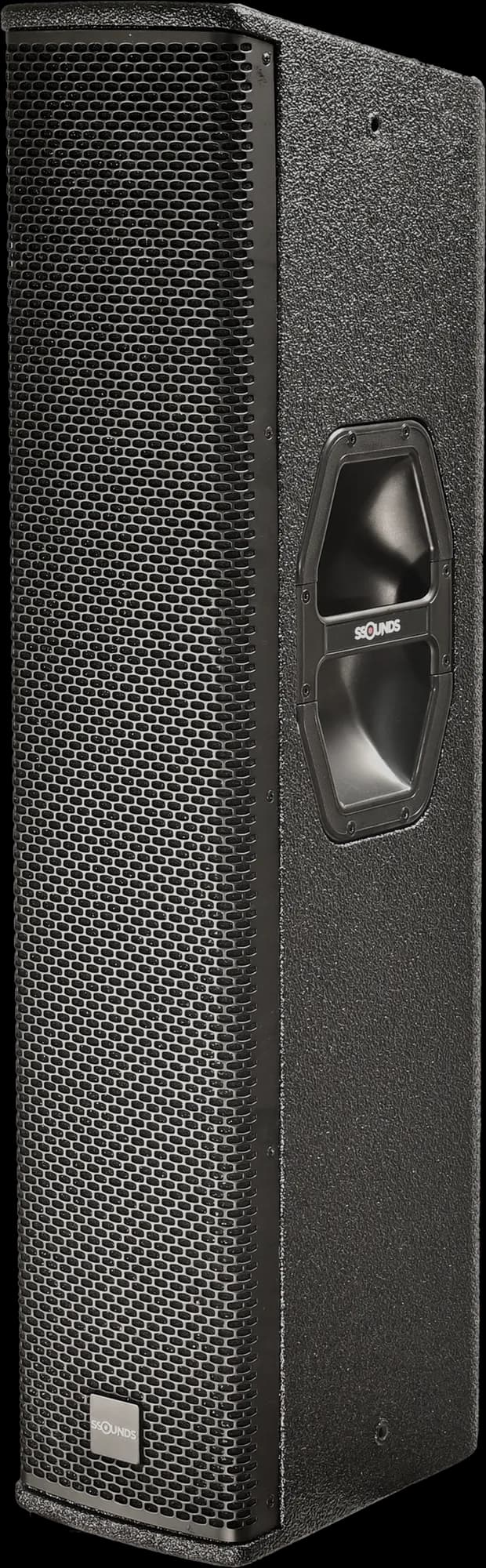
SSOUNDS
SSOUNDS XTO 4.6
Column element of the XTO System, passive line array, 4 × 6.5″ drivers, 65 Hz – 20 kHz and 134 dB peak in a sightline-friendly column.
Transportable and ceremonial systems
Systems that travel in a case and are rigged by whoever is posted there: one cabinet family, one connector, one preset library.
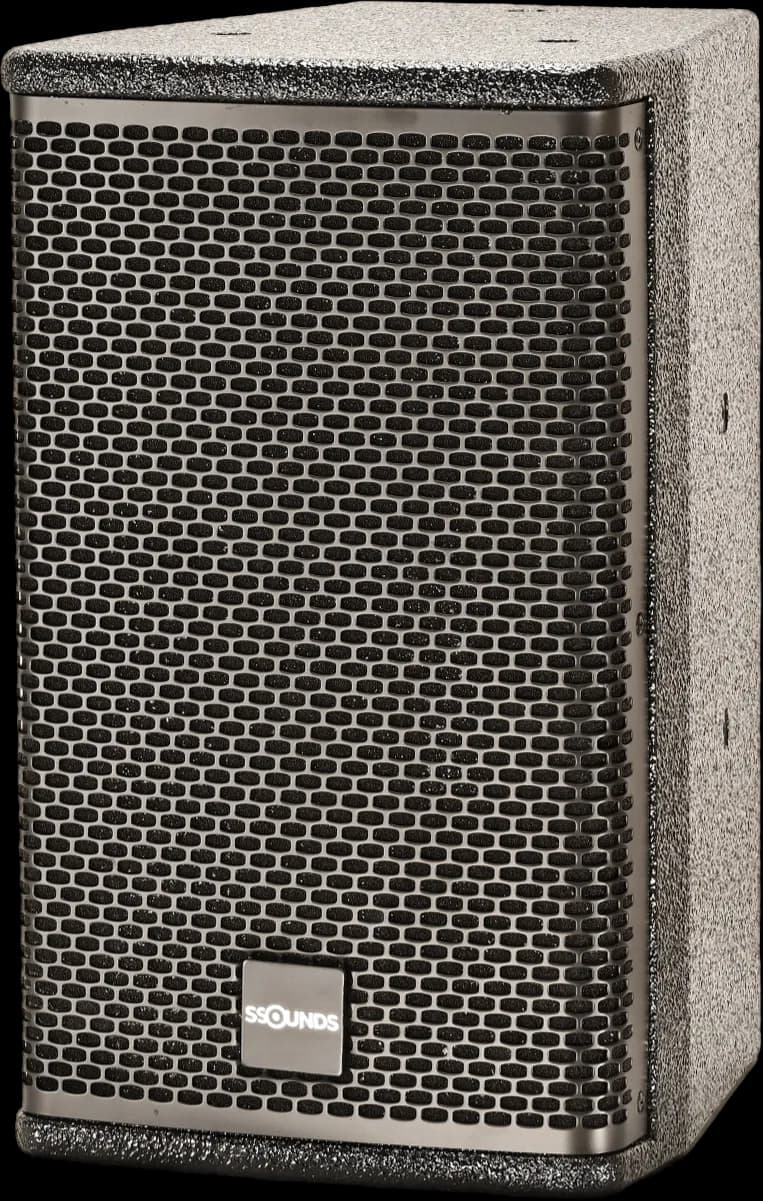
SSOUNDS
SSOUNDS M-8
8″ full-range, high-output multipurpose box for portable PA, fill and install.
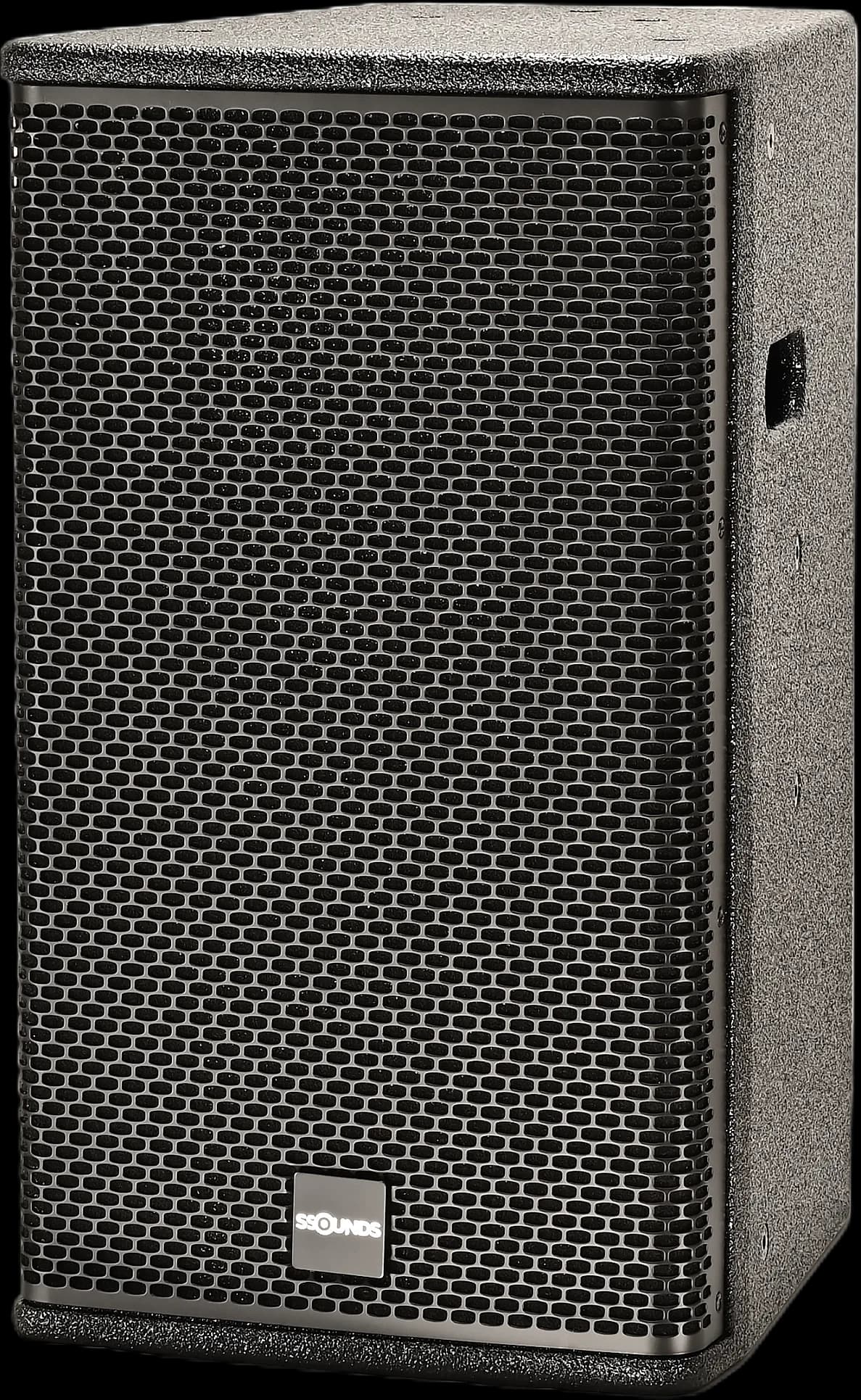
SSOUNDS
SSOUNDS M-10
10″ full-range, compact mains or monitor with strong vocal projection.
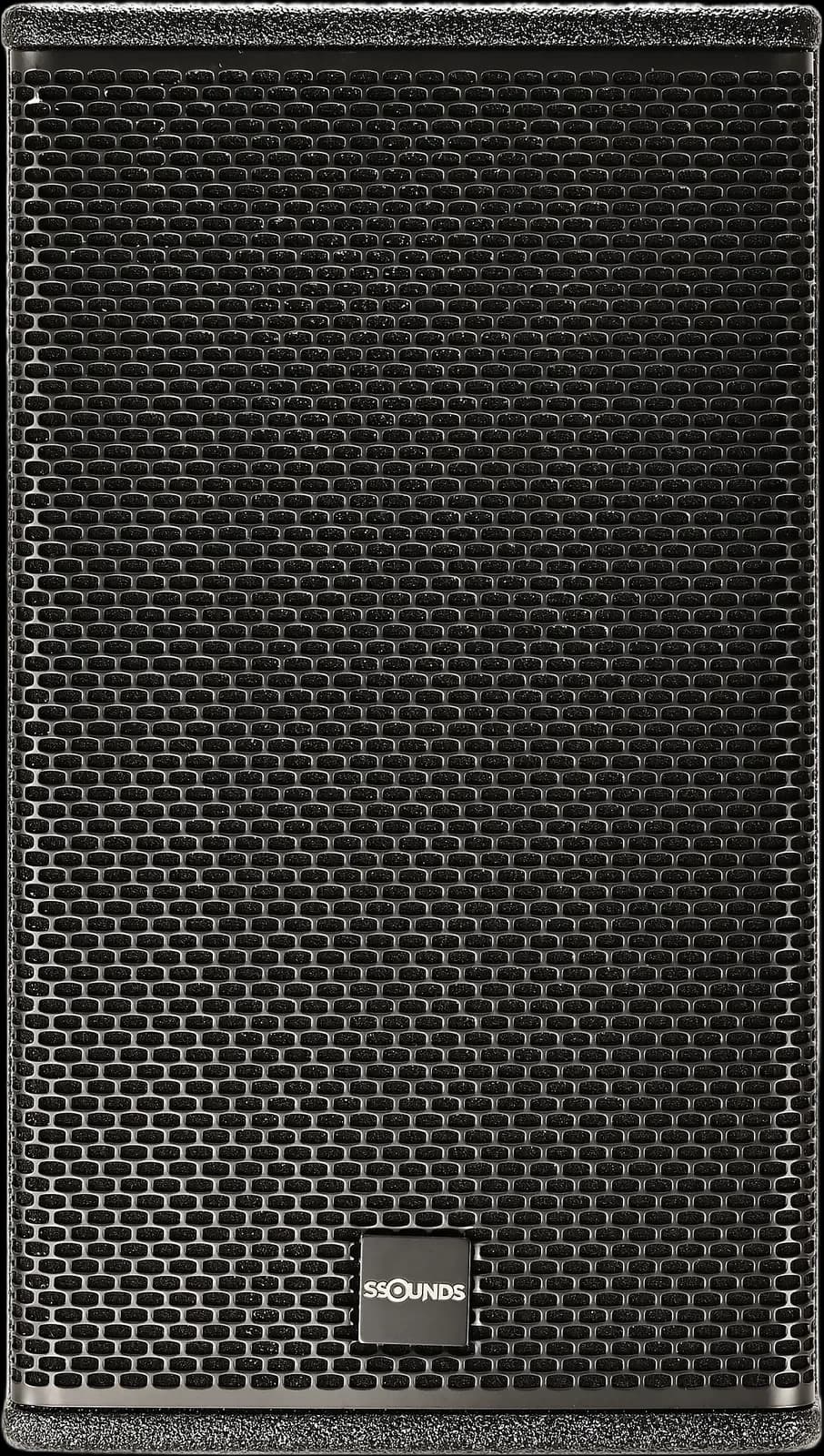
SSOUNDS
SSOUNDS M-12
12″ full-range point source, mains or floor wedge, the all-rounder of the M-series.
Distributed indoor audio and announcement
Messes, corridors, accommodation blocks, offices and workshops on 70/100 V lines.


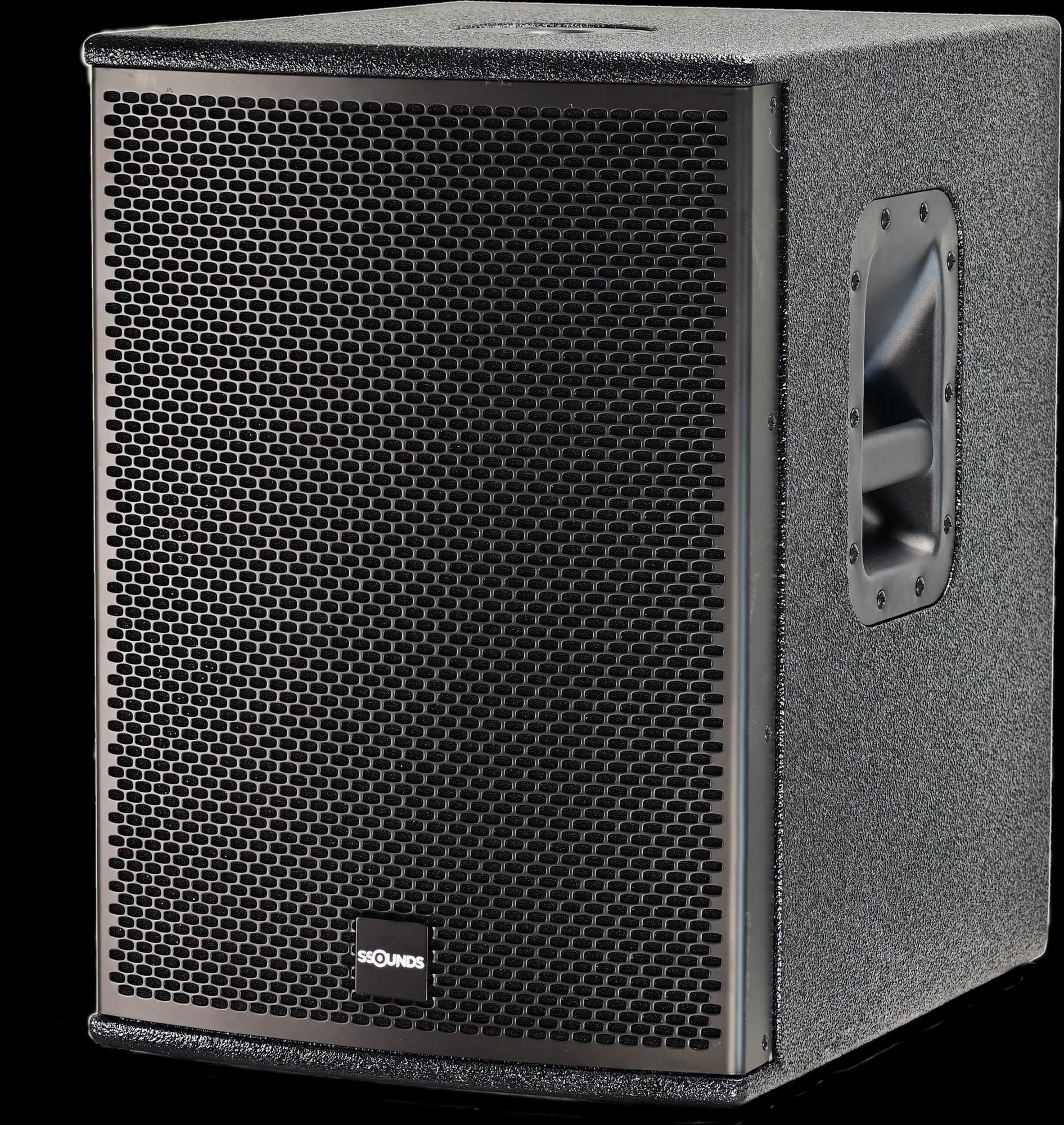
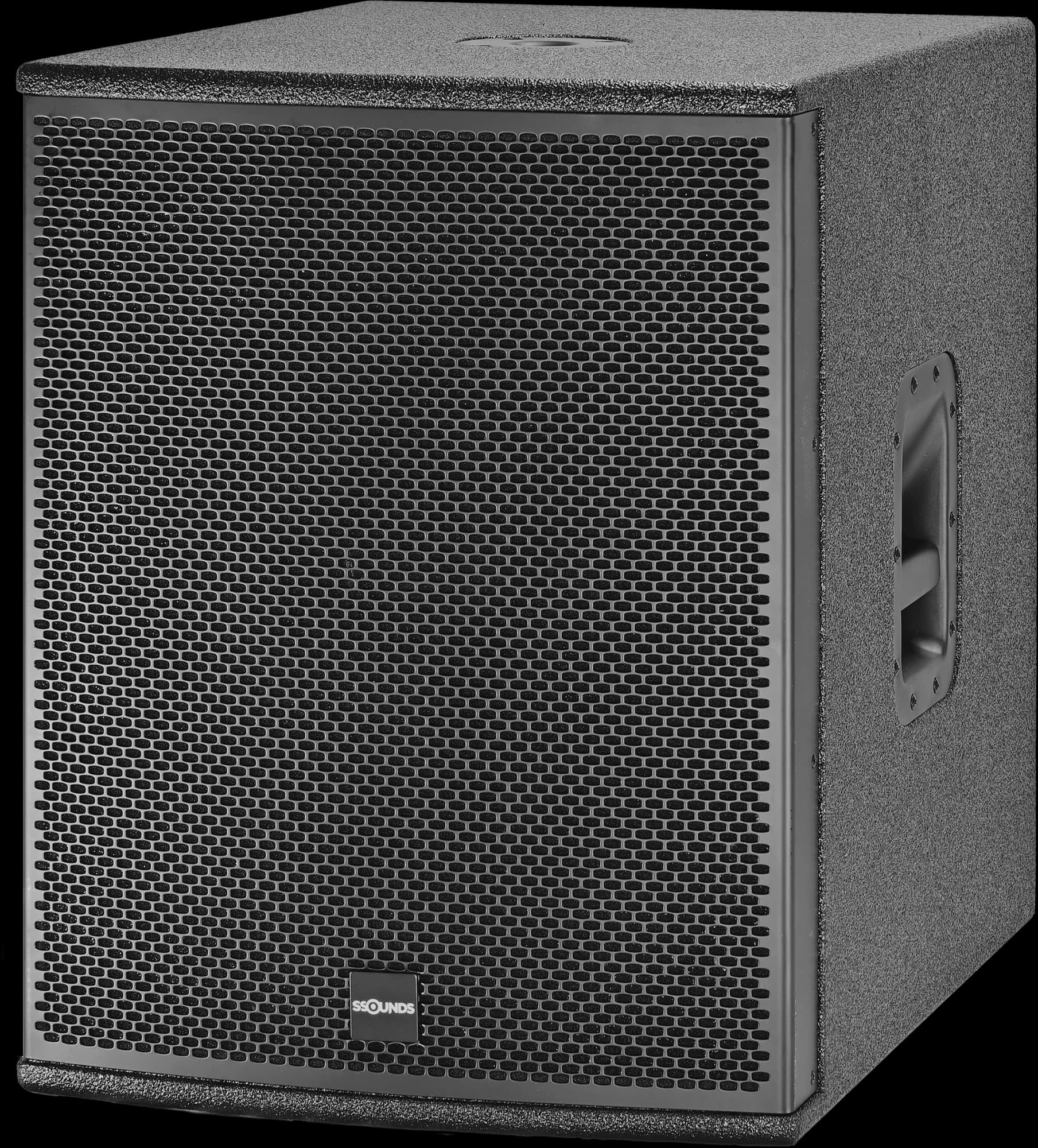
Low frequency where the brief needs it
Ceremonial music, media playback and gymnasium events, sized to the space rather than to the occasion.
Amplification and processing
Delay alignment across distributed positions, per-zone limiting, and a documented, restorable configuration.

SSOUNDS
SSOUNDS A14X
4-channel touring amplifier for line arrays, 4 × 2,000 W @ 4 Ω, analog input.
SSOUNDS
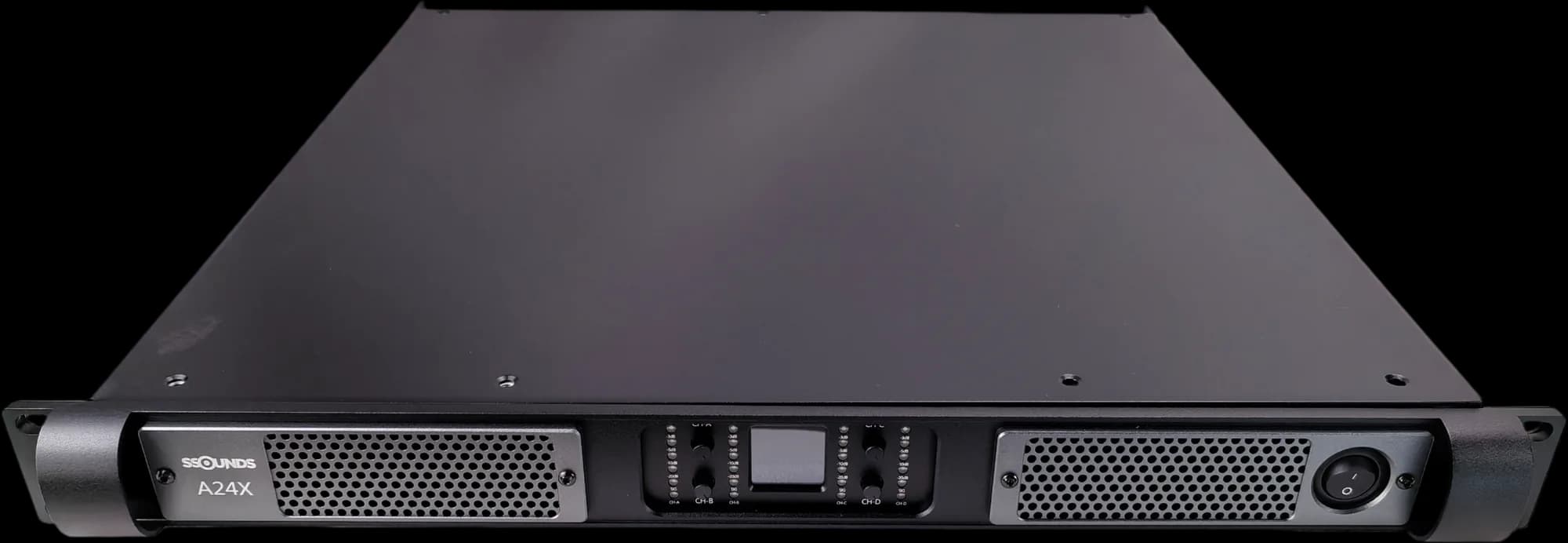
SSOUNDS A24X
High-power 4-channel subwoofer amplifier, 4 × 4,400 W @ 4 Ω for XTO sub arrays.


SSOUNDS
SSOUNDS D14X
4-channel DSP amplifier with FIR, line-array power plus full system processing and presets.

SSOUNDS
SSOUNDS DSP 4×8
4-in / 8-out loudspeaker processor, 96 kHz, 1/36-octave filters and full system alignment.
Why these products. The P15-X is described in the catalogue as our long-throw point source on a 70 by 40 degree constant-directivity waveguide, and the catalogue is explicit that the narrow pattern is the point: it puts energy on the far listeners instead of the walls, which is why it holds intelligibility at distances where a conventional two-way has already given up. The P15-XA is the tri-amplified version, with crossover slopes, alignment delay and limiting controlled per band from a system DSP amplifier. The M3.12P is described as engineered for long-throw speech intelligibility in halls and reverberant architectural spaces. The M-15 is built in Baltic birch with a Polyurea coating that the catalogue describes as shrugging off the road, and the XTO cabinets share that construction. The CL6 and CL8 are distributed install speakers with 70/100 V tapping.
Guides for this application
Get this specced for your room
Send us the drawings, the seat count and what the room has to do. Our engineers model the coverage and come back with a product list, a rigging plan and a budget.