Applications
PA Systems and Public Address Systems
A PA system is the loudspeakers, amplifiers and processing that make a voice or a performance heard across a space; the right one is sized to the room and the audience, not to the biggest box on the shelf.
What this application asks of a system
Most PA systems are bought by size and wattage and end up wrong in both directions: too much level in a small hall that rings and feeds back, or a pair of boxes on stands that cannot reach the back of a large room or an open field. The question is not how loud but how evenly the sound reaches every listener and how clearly speech survives the room.
Public address covers two jobs that are often confused. Speech reinforcement makes a presenter, a preacher or a teacher clear to everyone in one room. Distributed public address relays announcements, music and messages at an even level across many rooms, corridors and outdoor areas from one place. They are designed differently and frequently live in the same building.
Power and environment decide as much as acoustics. Generator and unstable mains supplies, heat and dust are the conditions much of this equipment works in, and an amplifier platform with protection and a published operating envelope is part of the specification, not an afterthought.
A PA system is used by whoever is on duty that day. Locked presets, named zones and a system that cannot be driven into feedback or damage from the front panel are what keep it working after the installer has left.
What we look at first
- The audience size, the room or site dimensions and how far the furthest listener sits
- Whether the job is speech reinforcement in one space, distributed announcements across many, or both
- The reverberation of the room, which decides between a directive array and a pair of wide boxes
- Whether music and bass are part of the brief, which decides the subwoofer count
- The power supply: mains quality, generators and how the system is protected
- Indoor or outdoor, fixed or portable, and how much of the system will move
- Who operates it day to day, and what they should and should not be able to change
Recommended SSOUNDS products
Grouped by the job each product does in this kind of system. Specifications live on the product pages and in the data sheets, so nothing is restated here.
Portable and compact PA
Speech and music for halls, classrooms, meetings and small events, carried and set up by one person.
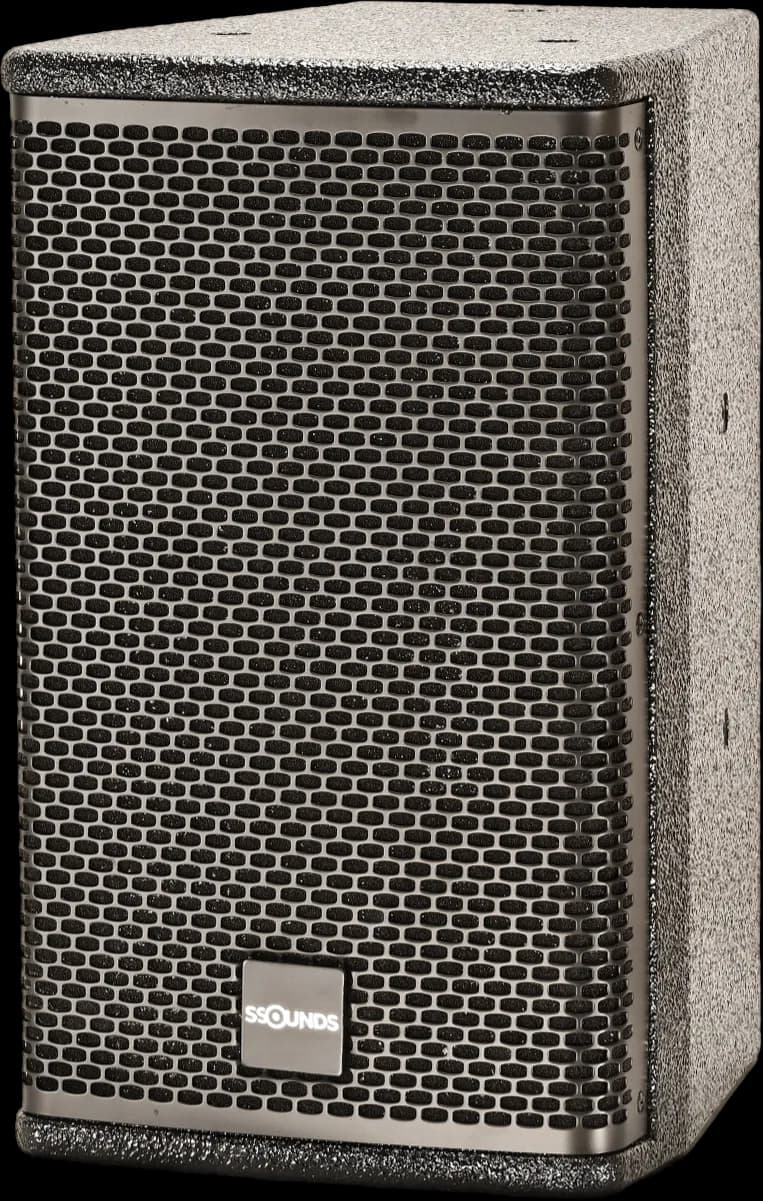
SSOUNDS
SSOUNDS M-8
8″ full-range, high-output multipurpose box for portable PA, fill and install.
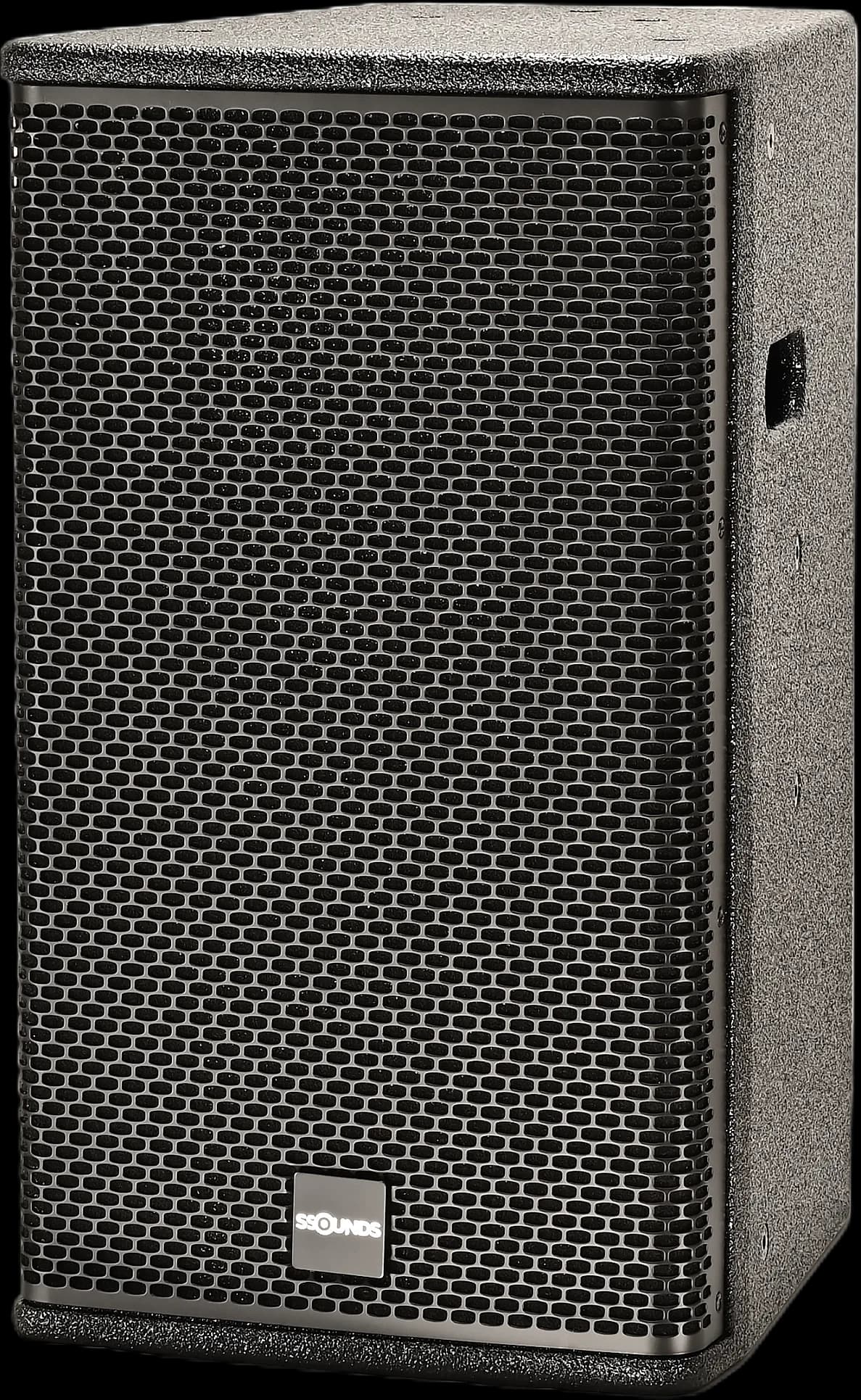
SSOUNDS
SSOUNDS M-10
10″ full-range, compact mains or monitor with strong vocal projection.
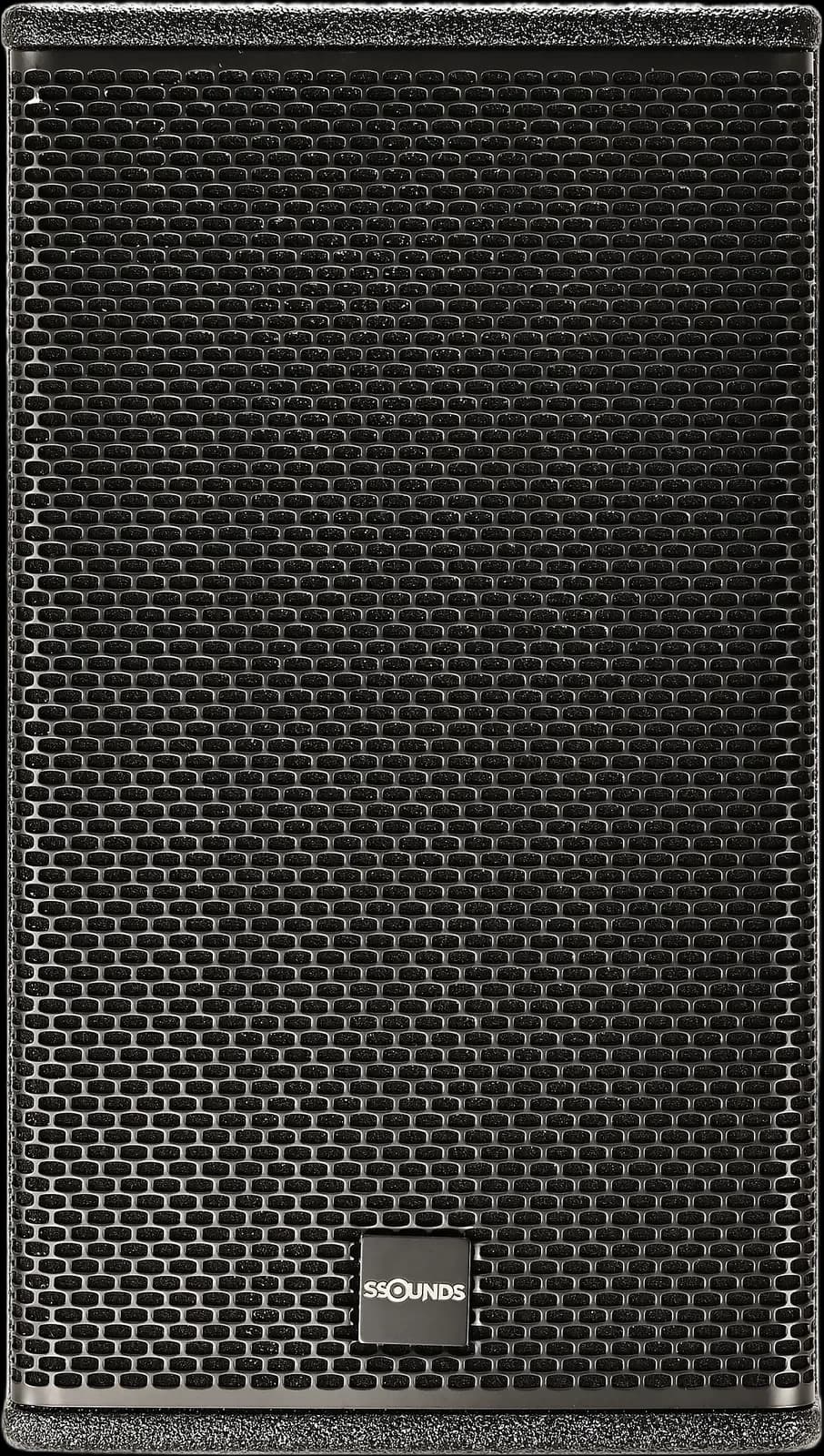
SSOUNDS
SSOUNDS M-12
12″ full-range point source, mains or floor wedge, the all-rounder of the M-series.
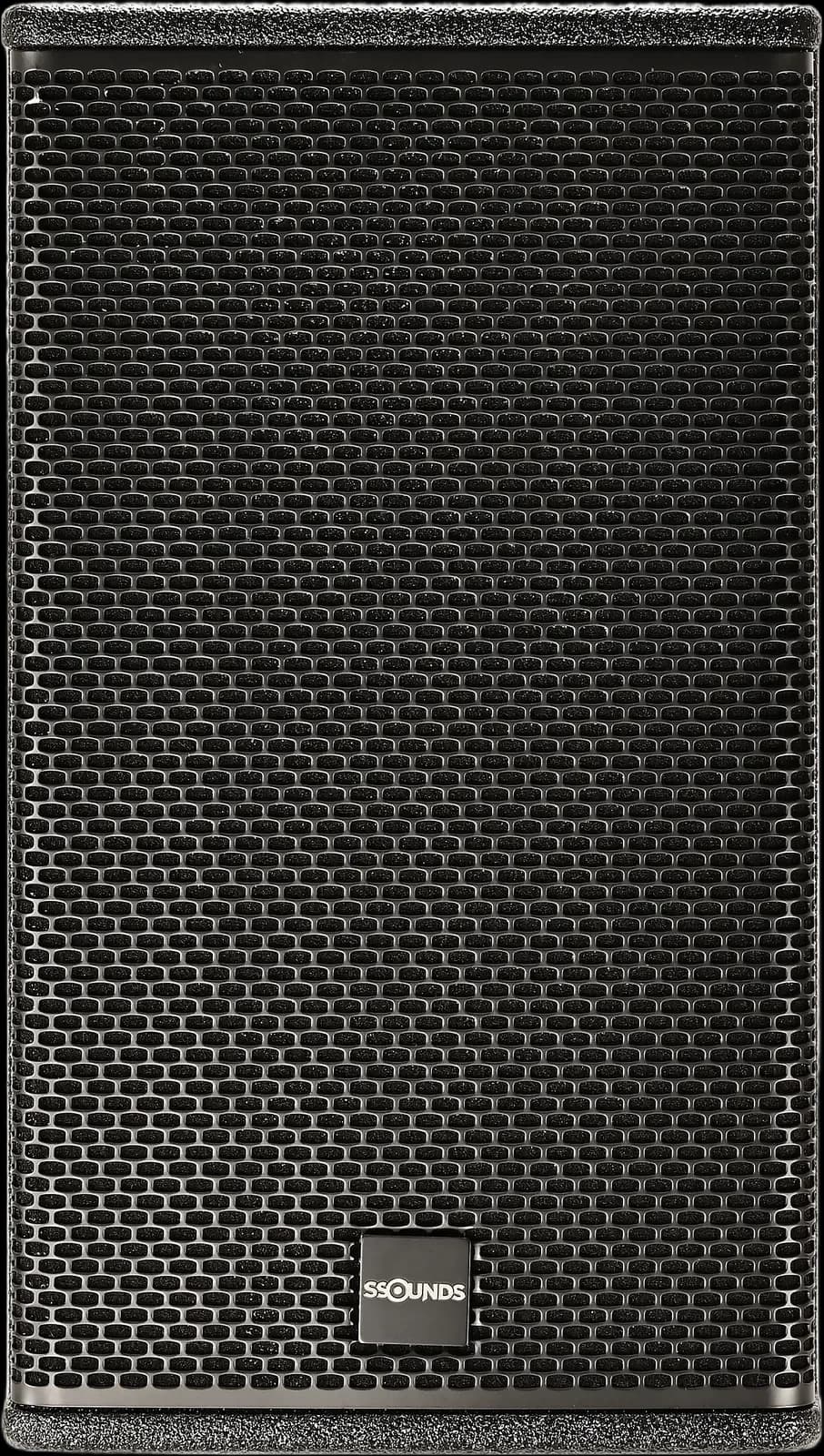
SSOUNDS
SSOUNDS M-15
15″ two-way point source, 55 Hz – 20 kHz, 137 dB peak, passive or bi-amplified.
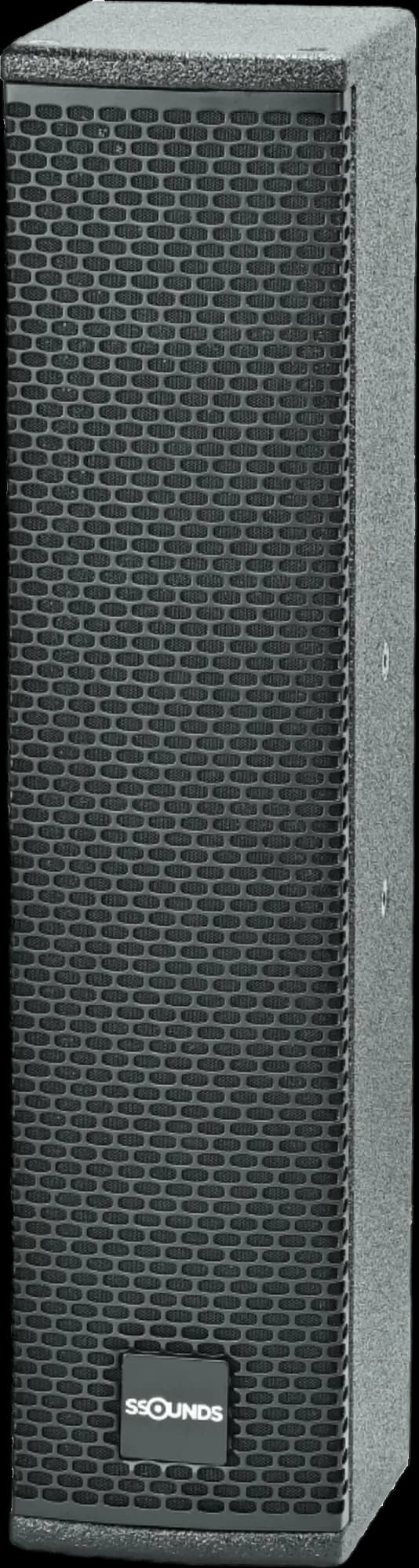
SSOUNDS
SSOUNDS M3.6P
Compact 3″ × 6 full-range column array, clean speech and music for architectural install.
Venue PA: point source and column
Fixed systems for churches, halls, conference rooms and auditoria where speech has to be clear to the back row.
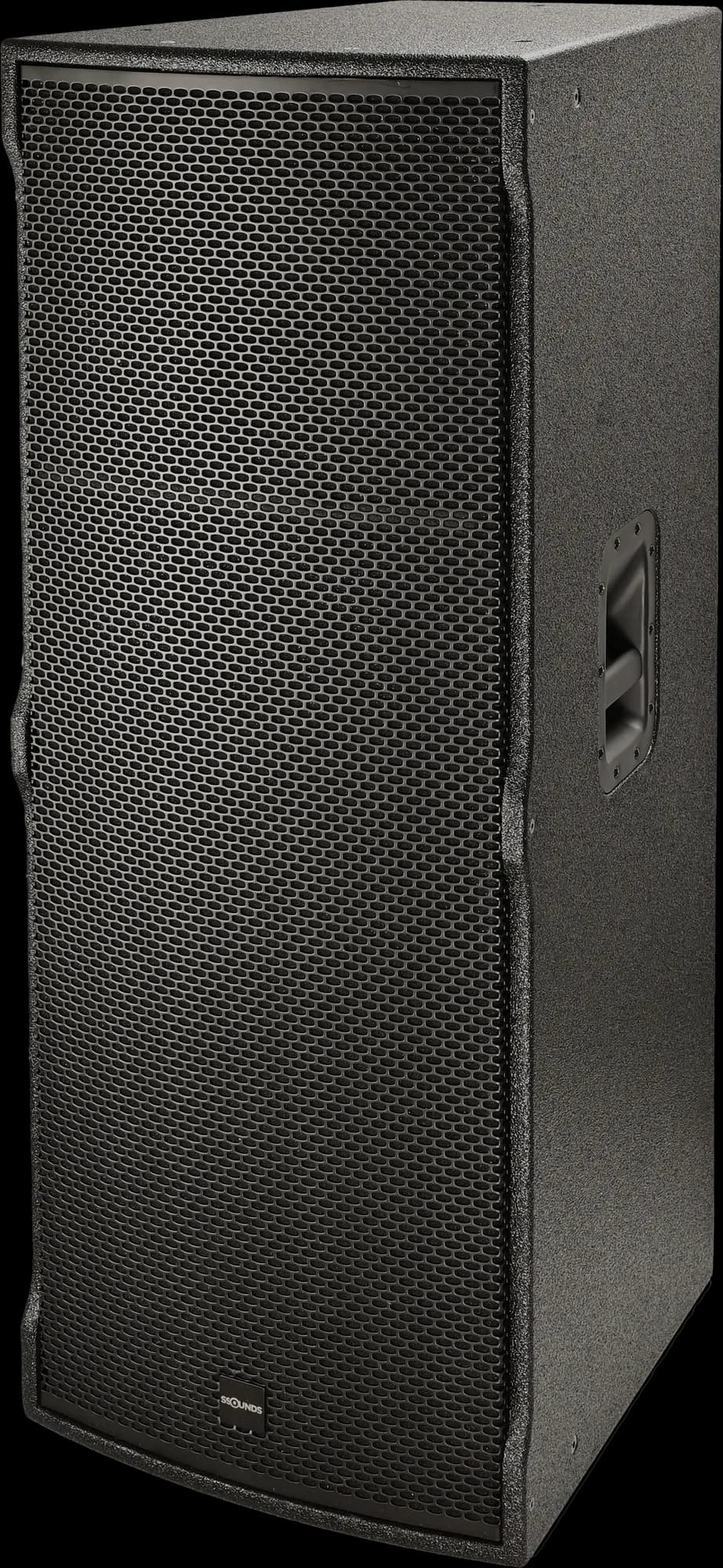
SSOUNDS
SSOUNDS P15-X
3-way long-throw point source, 2 × 15″, 4 × 6.5″ and 2 × 3″ behind a 70° × 40° waveguide, 2,000 W.
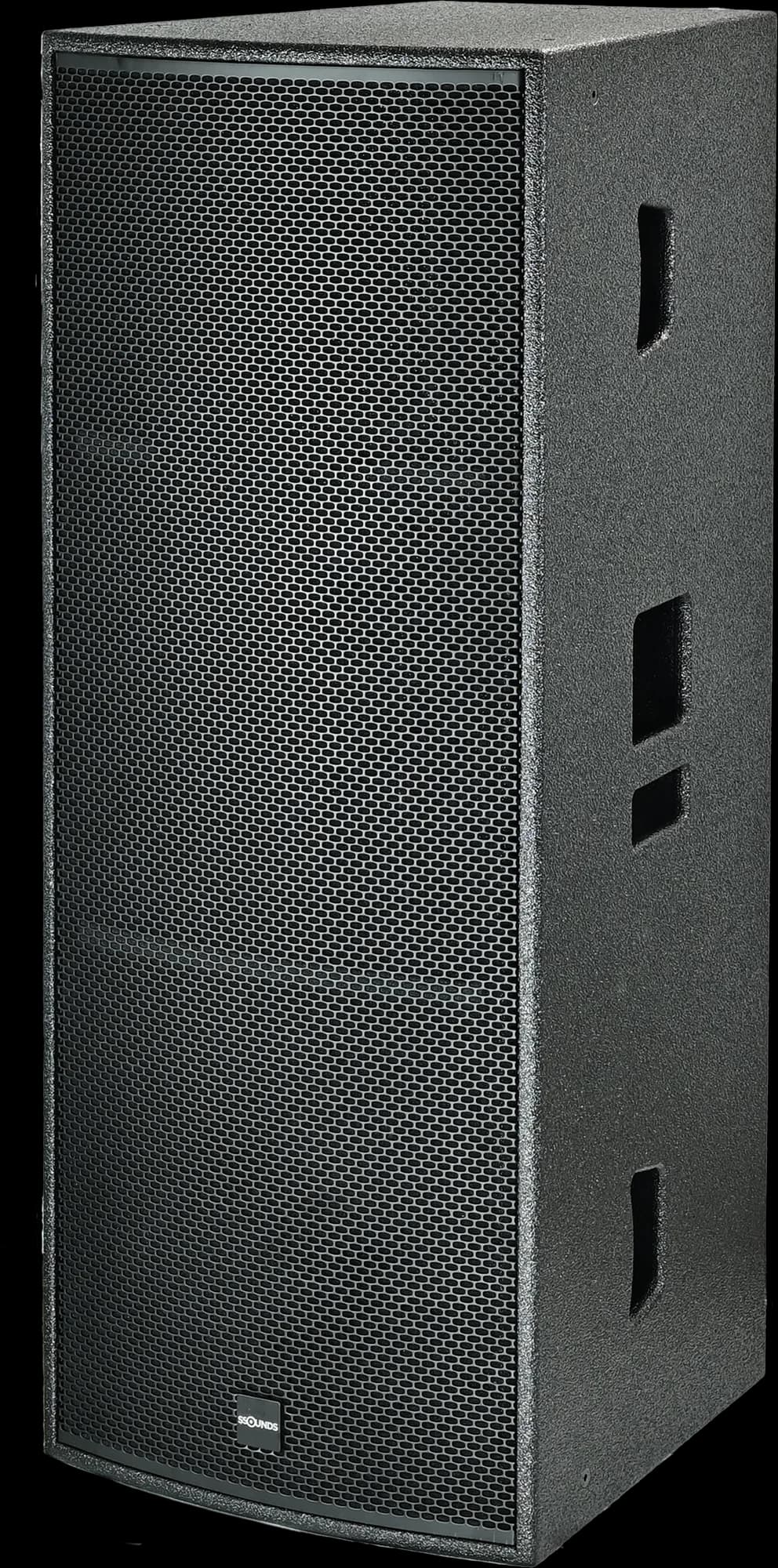
SSOUNDS
SSOUNDS P15
Two-way dual-15″ point source, high-output mains and fill with a rotatable constant-directivity horn.

SSOUNDS
SSOUNDS M3.12P
3″ × 12 full-range column array, long-throw speech intelligibility for reverberant rooms.
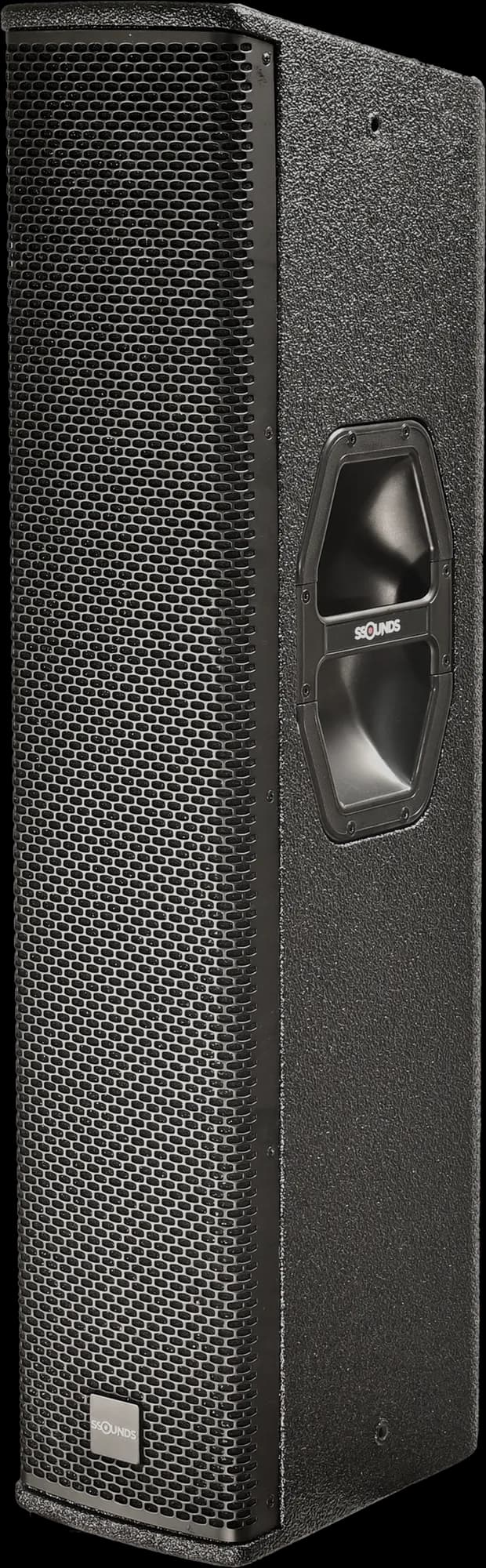
SSOUNDS
SSOUNDS XTO 4.6
Column element of the XTO System, passive line array, 4 × 6.5″ drivers, 65 Hz – 20 kHz and 134 dB peak in a sightline-friendly column.

SSOUNDS
SSOUNDS LC16.3
16 × 3″ full-range column, 127° × 24°, for announcements and speech in airports, stations and mosques.

SSOUNDS
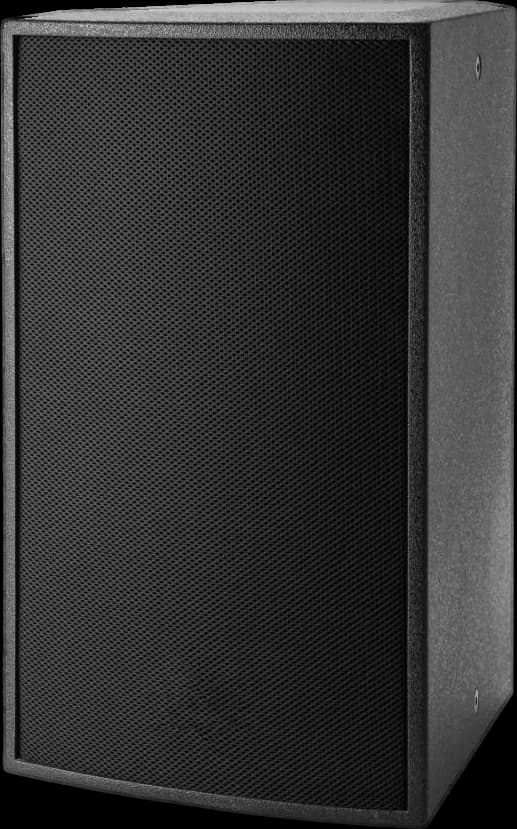
SSOUNDS M-10D
10″ two-way loudspeaker with its own amplifier and DSP, Dante audio and PoE power on one network cable.
Large-venue and outdoor PA: line arrays
For thousands of listeners or open-air sites, a flown or stacked line array holds level and clarity over distance.
 Featured
SSOUNDS
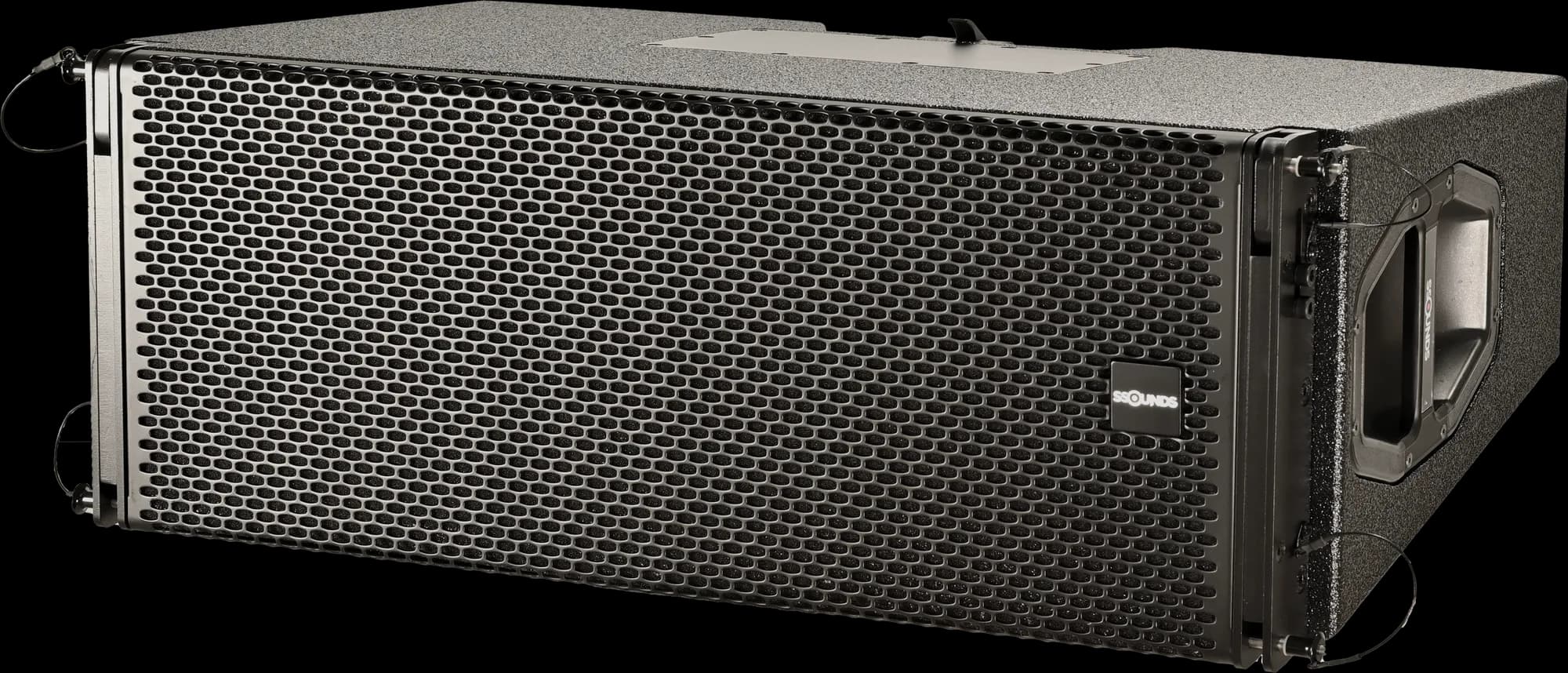
SSOUNDS XTO 10P
Mid-format element of the XTO System, 3-way 10″, 100° constant directivity, 144 dB peak, 0°–14° splay.
SSOUNDS
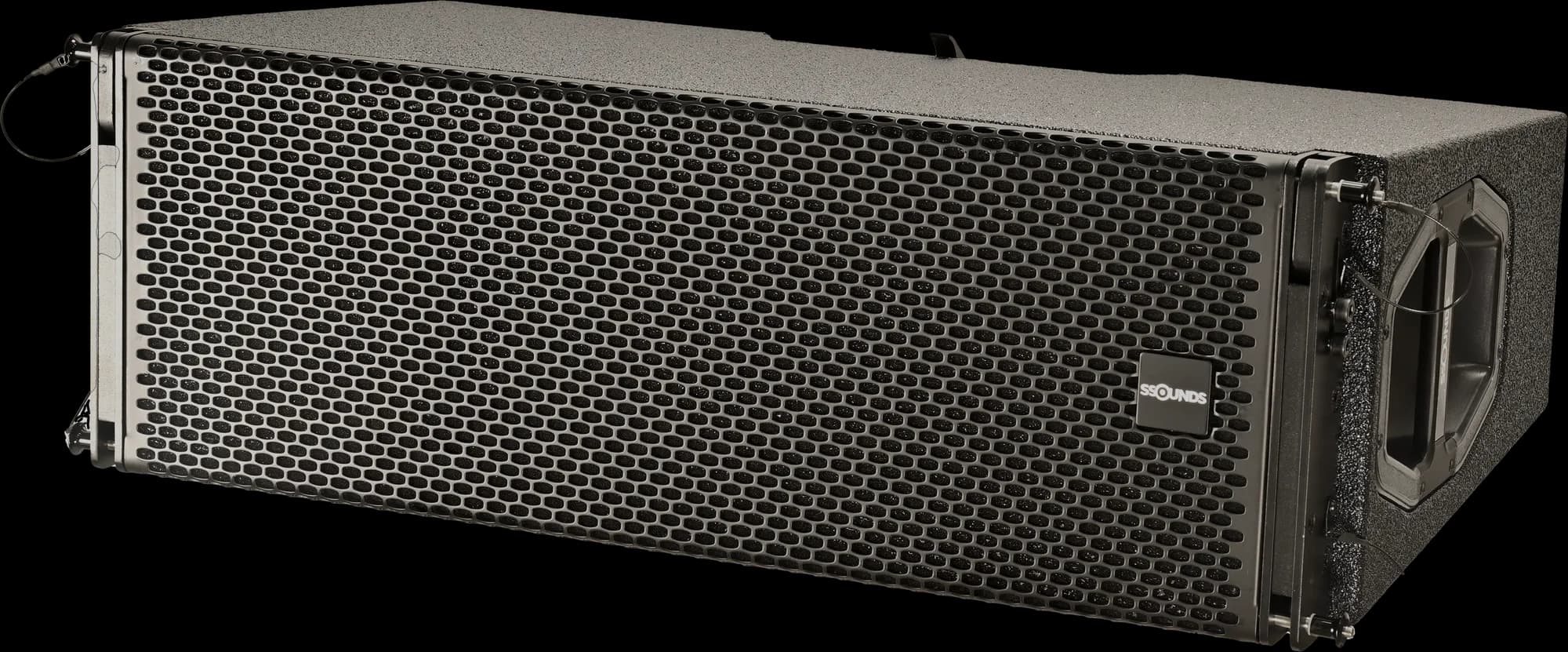
SSOUNDS XTO 8P
Compact element of the XTO System, 2-way bi-amplified 8″, 110° constant directivity, 141 dB peak, 0°–10° splay.
SSOUNDS
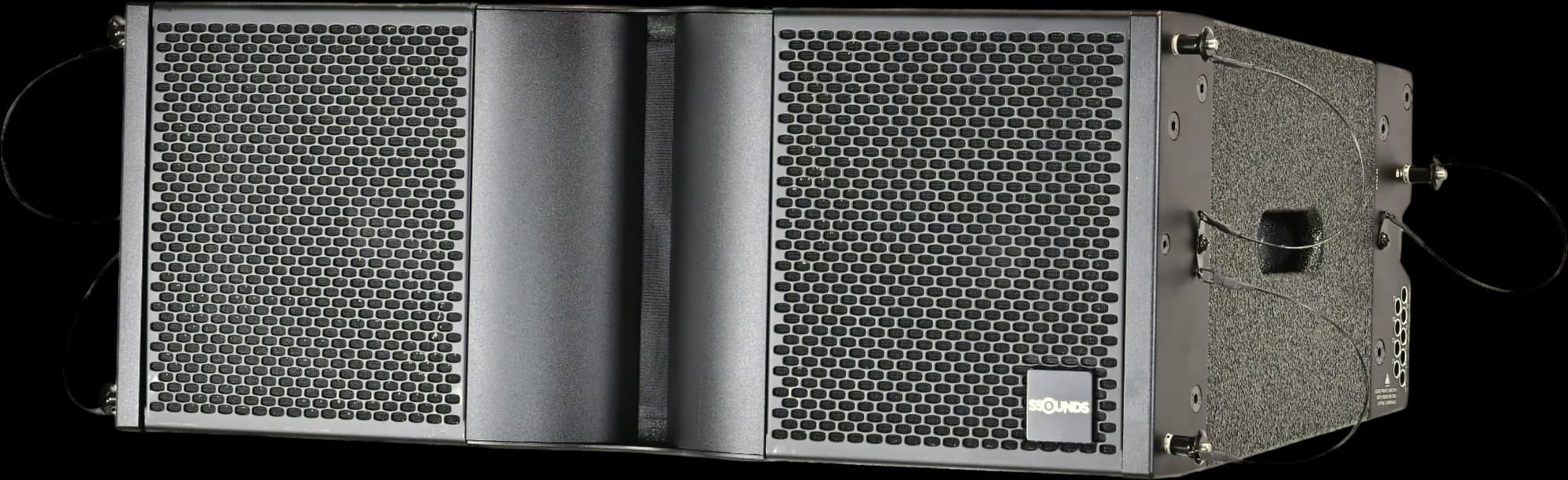
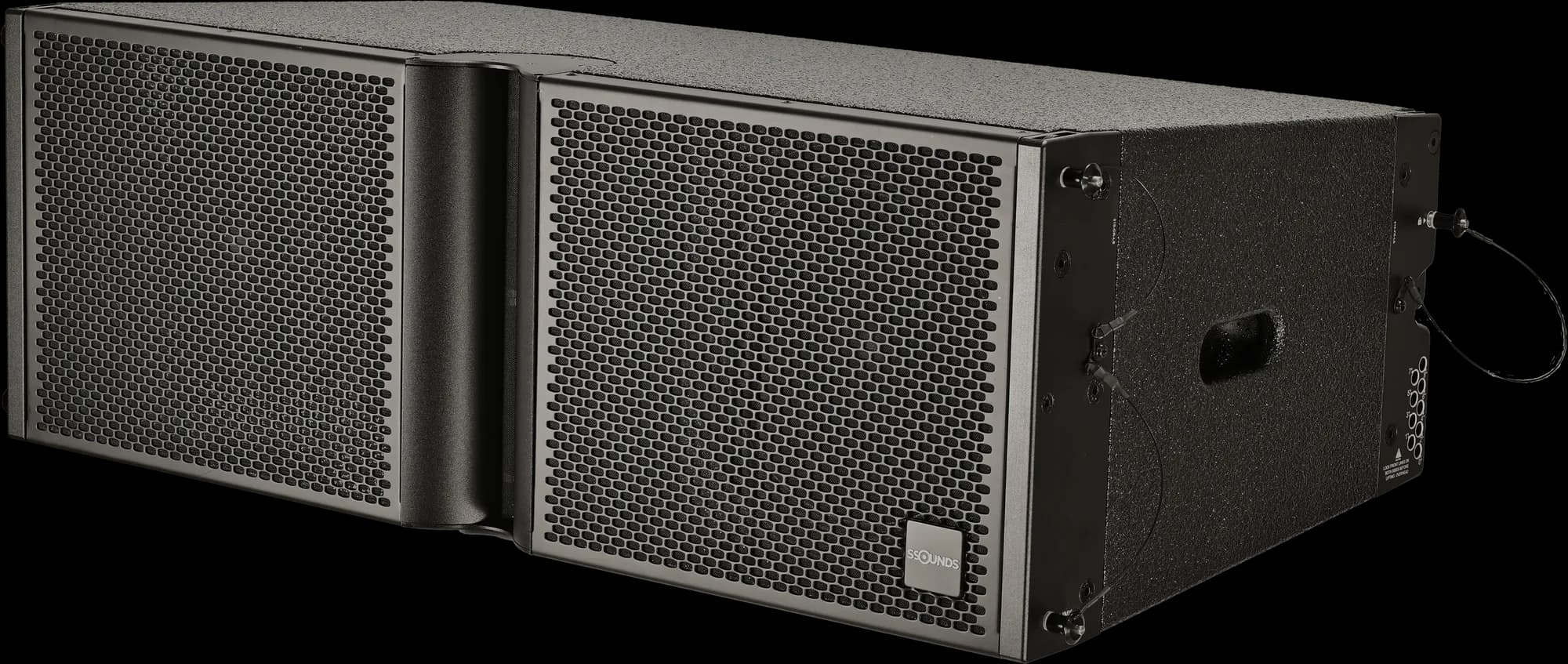
SSOUNDS LS208
Compact dual-8″ line-array element, 141 dB peak, 55 Hz reach and 100° coverage from a 26 kg box.
 Featured
SSOUNDS
SSOUNDS LS310
Flagship of the LS series, large-format quad-amplified line array, 143 dB peak, 110° × 8°.
Subwoofers
Low-frequency extension for music, sized to the audience and the programme.
SSOUNDS
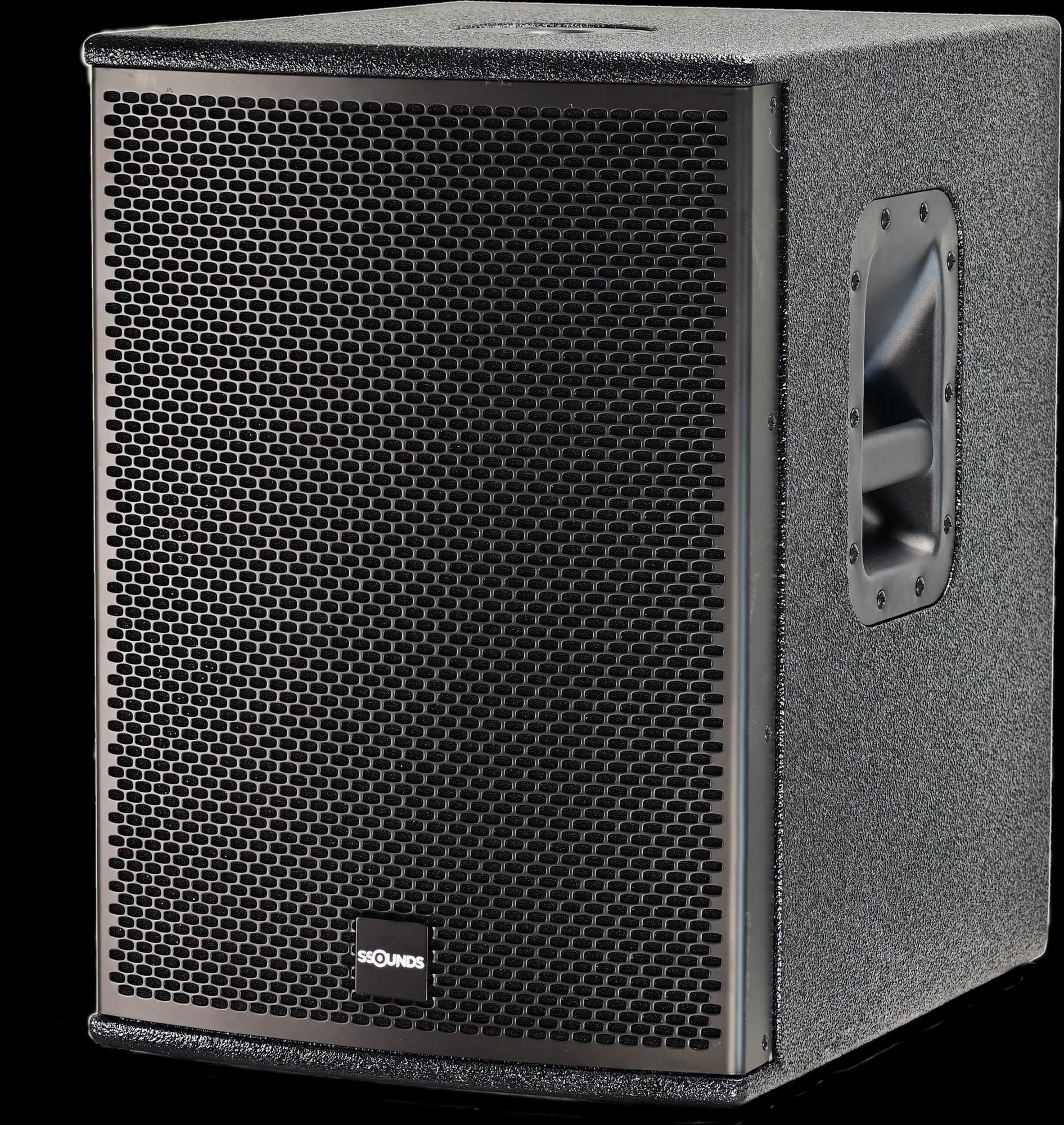
SSOUNDS M-12SUB
Ultra-compact 12″ subwoofer, discreet low-frequency support for small rooms and AV.
SSOUNDS
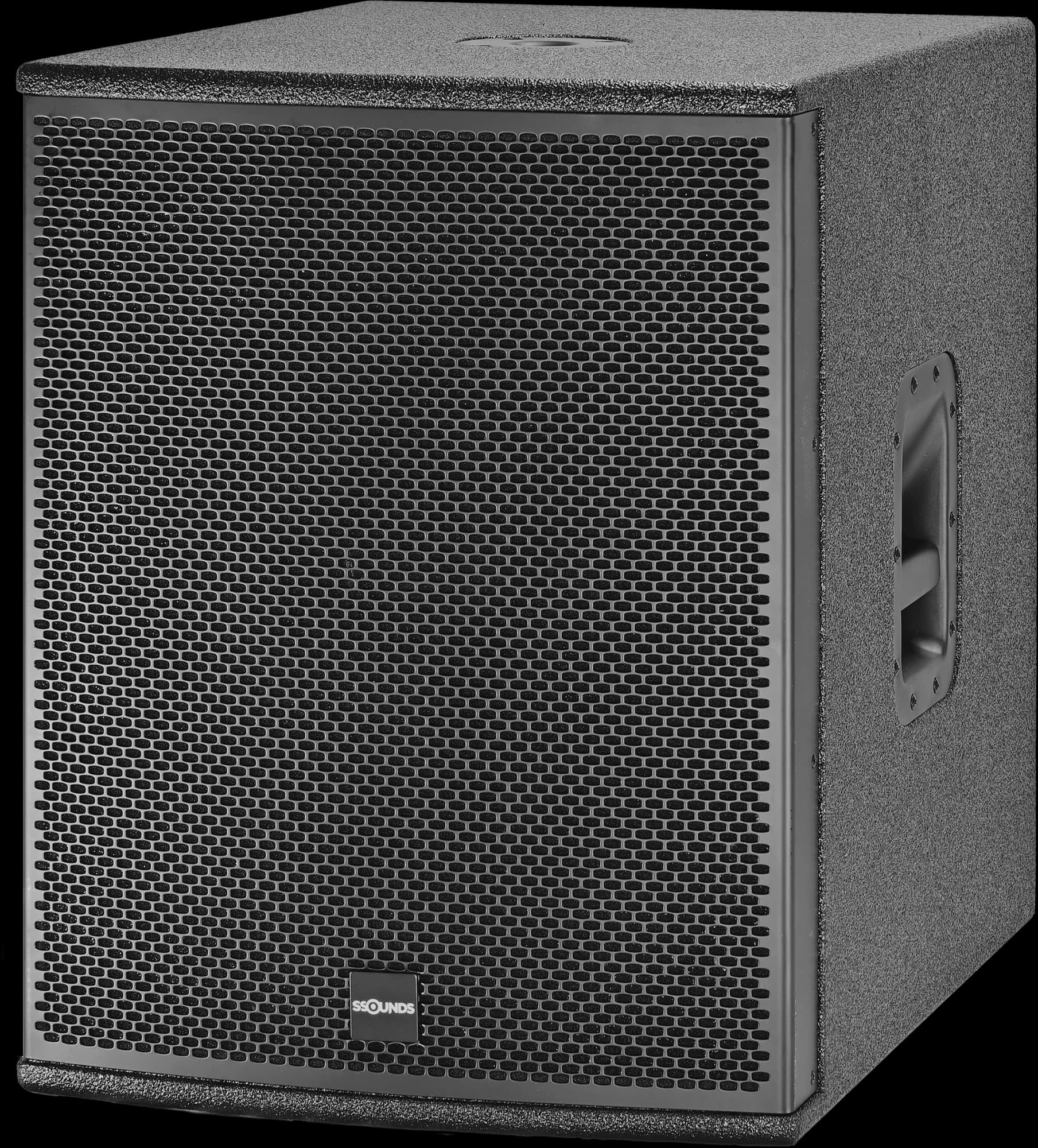
SSOUNDS M-15SUB
Compact 15″ subwoofer, fast, musical low-end for portable and install systems.
SSOUNDS
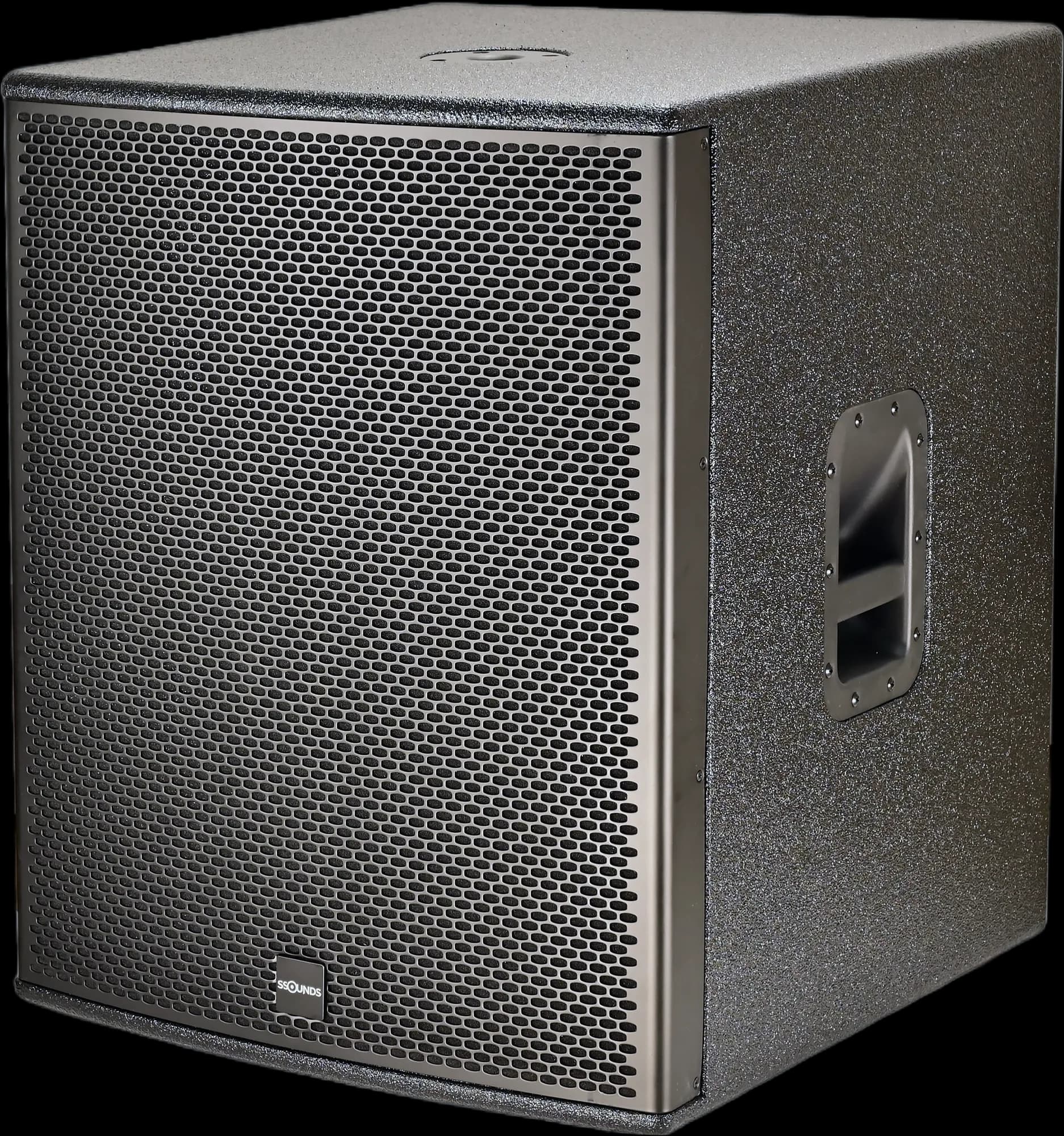
SSOUNDS XTO S18
Single-18″ subwoofer module of the XTO System, flyable on the shared track for arrays that hang with the tops.
Distributed public address: ceiling and pendant
Ceiling and pendant loudspeakers for announcements and background music across offices, corridors and classrooms.

SSOUNDS
SSOUNDS CL6
6.5″ two-way ceiling speaker, discreet, even distributed audio with 70/100 V tapping.

SSOUNDS
SSOUNDS CL8
8″ two-way ceiling speaker, full-range background and foreground audio with 70/100 V tapping.
SSOUNDS
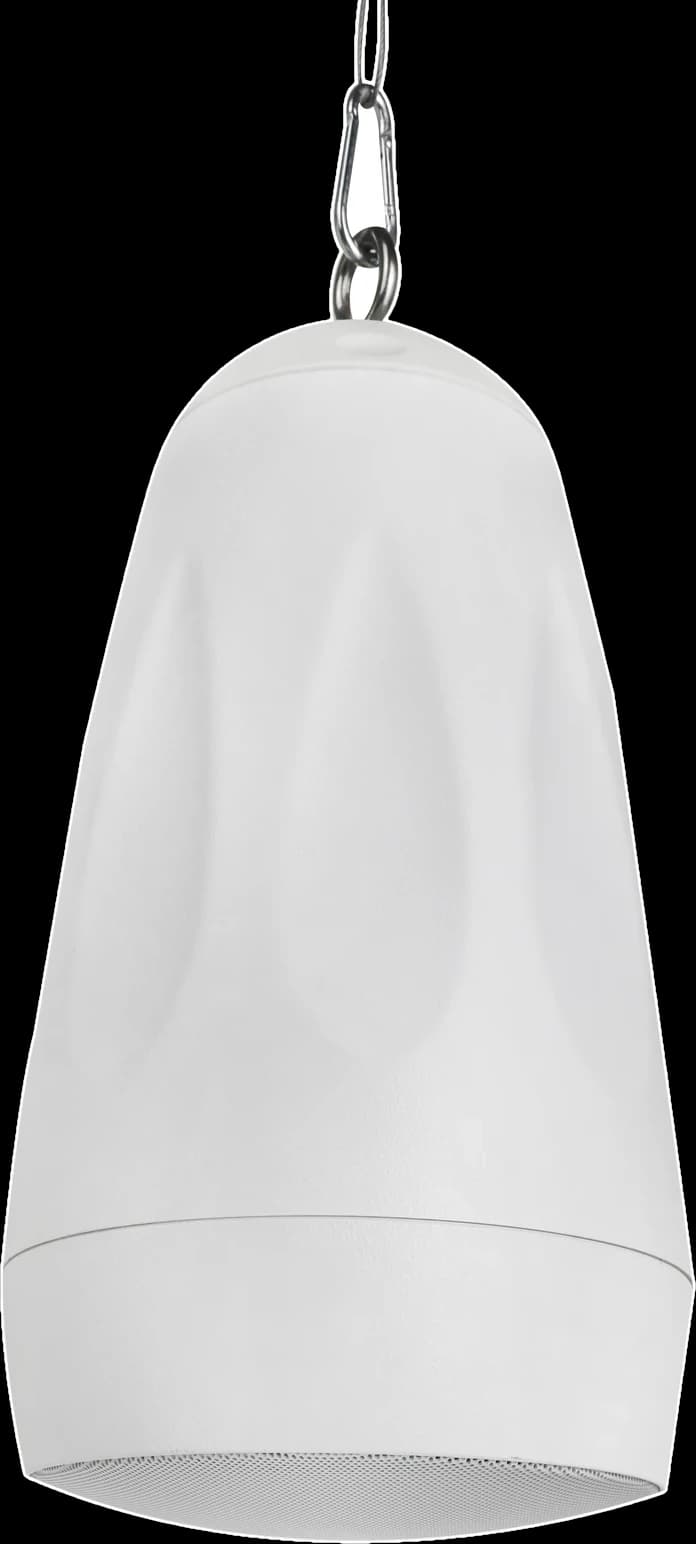
SSOUNDS CL6P
6.5″ two-way pendant speaker for open ceilings, the CL6's drivers and 70/100 V tapping in a suspended housing.
SSOUNDS
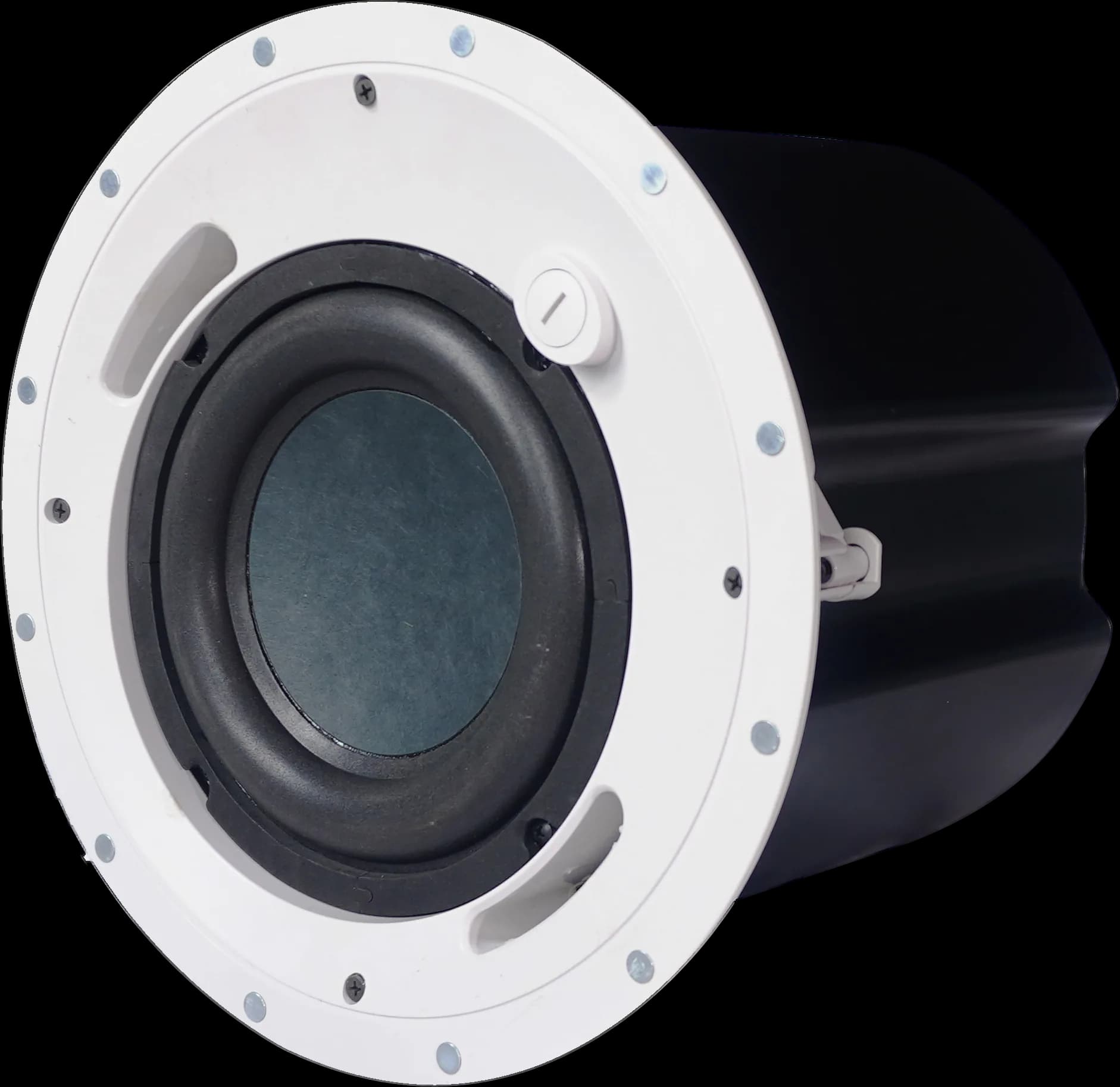
SSOUNDS CL8SUB
8″ in-ceiling subwoofer in a back-can with spring-tab mounting, the low end under CL6 and CL8 ceiling zones.
SSOUNDS
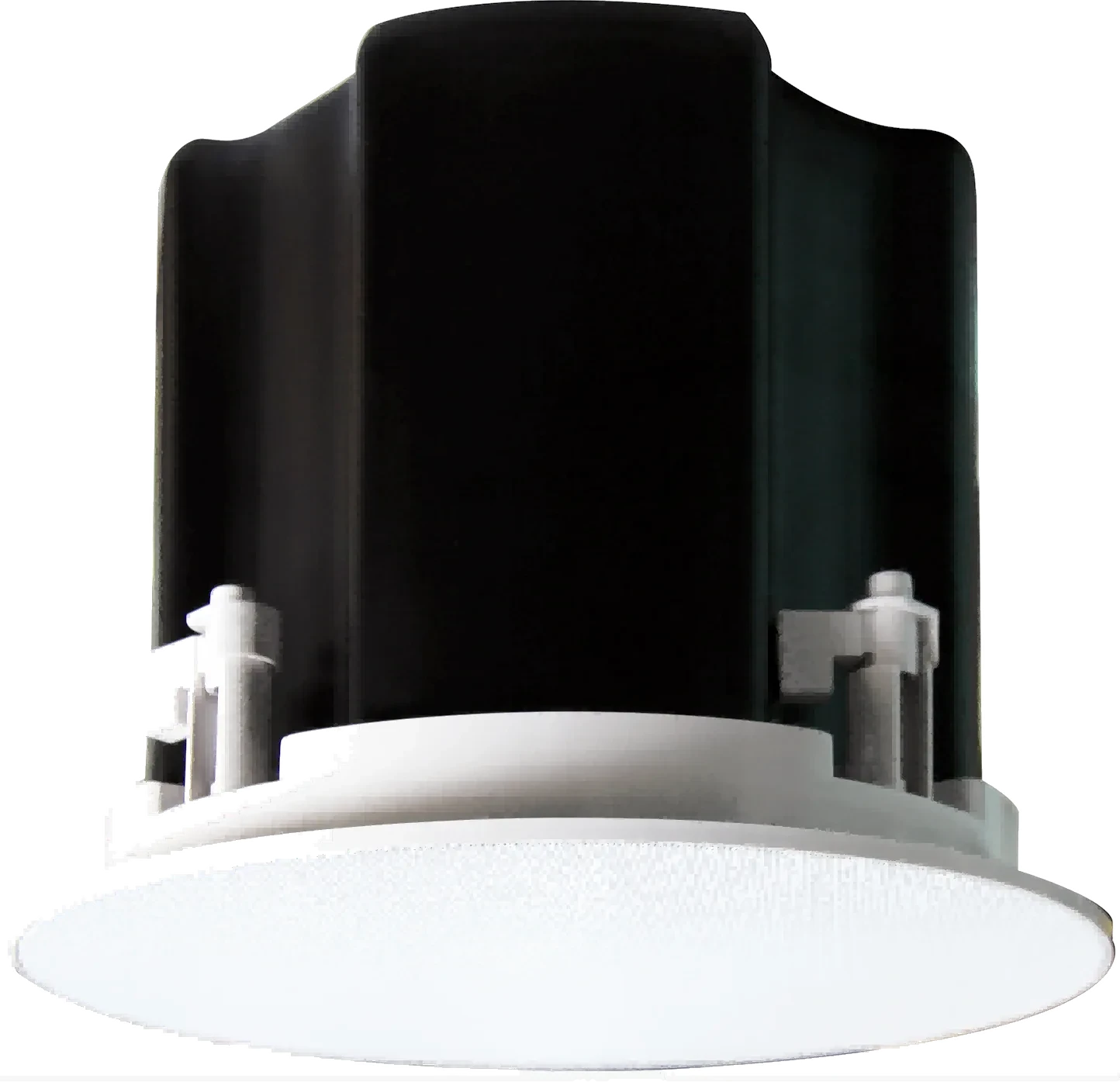
SSOUNDS CL6HD
6.5″ two-way ceiling speaker with its own amplifier and DSP, Dante audio and PoE power on one network cable.
SSOUNDS
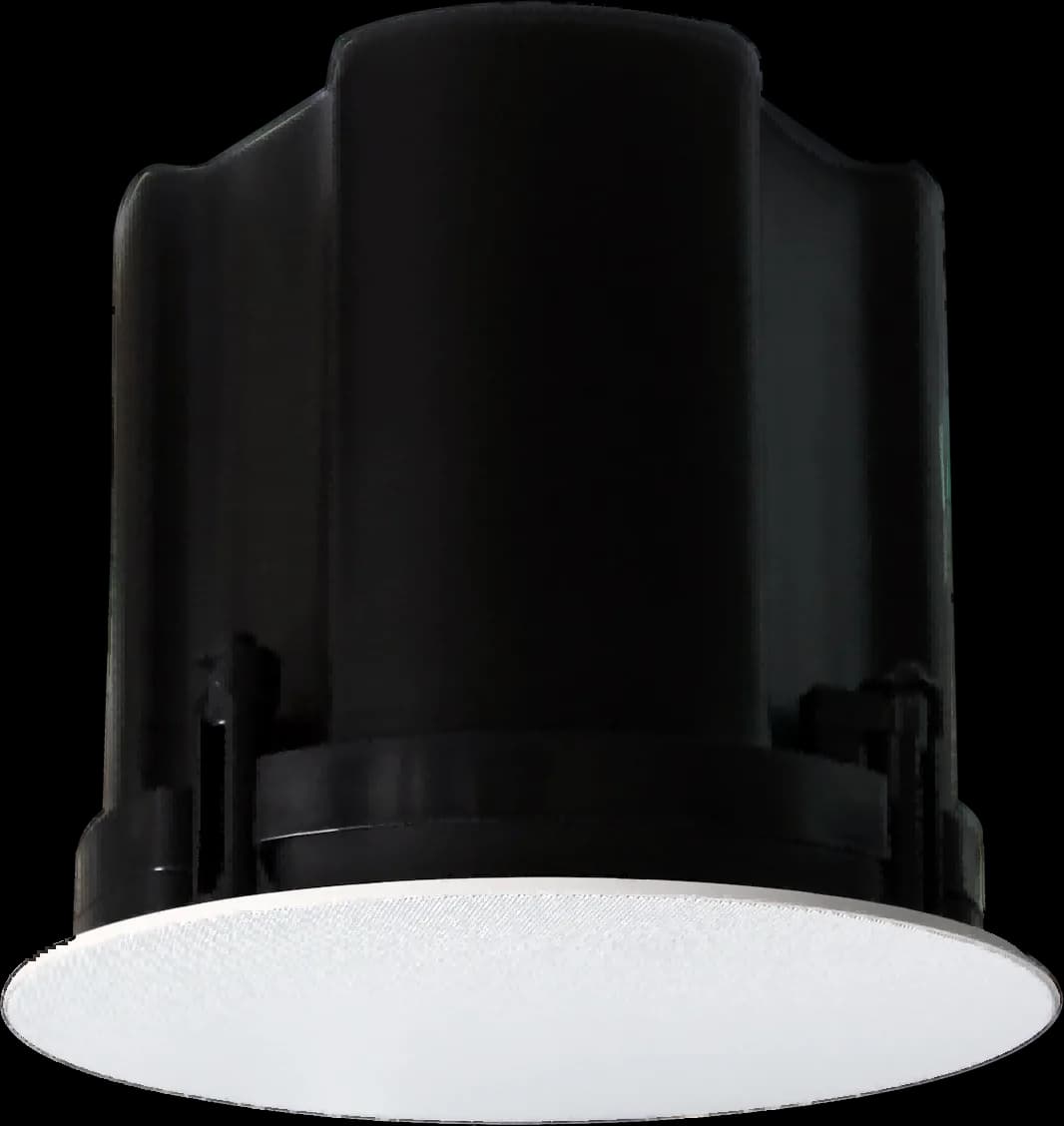
SSOUNDS CL8HD
8″ two-way ceiling speaker with its own amplifier and DSP, Dante audio and PoE power on one network cable.
Distributed public address: wall and surface mount on a 70/100 V line
Tapped wall and surface loudspeakers for spaces with no ceiling to mount into, on the same constant-voltage line as the ceilings.
SSOUNDS
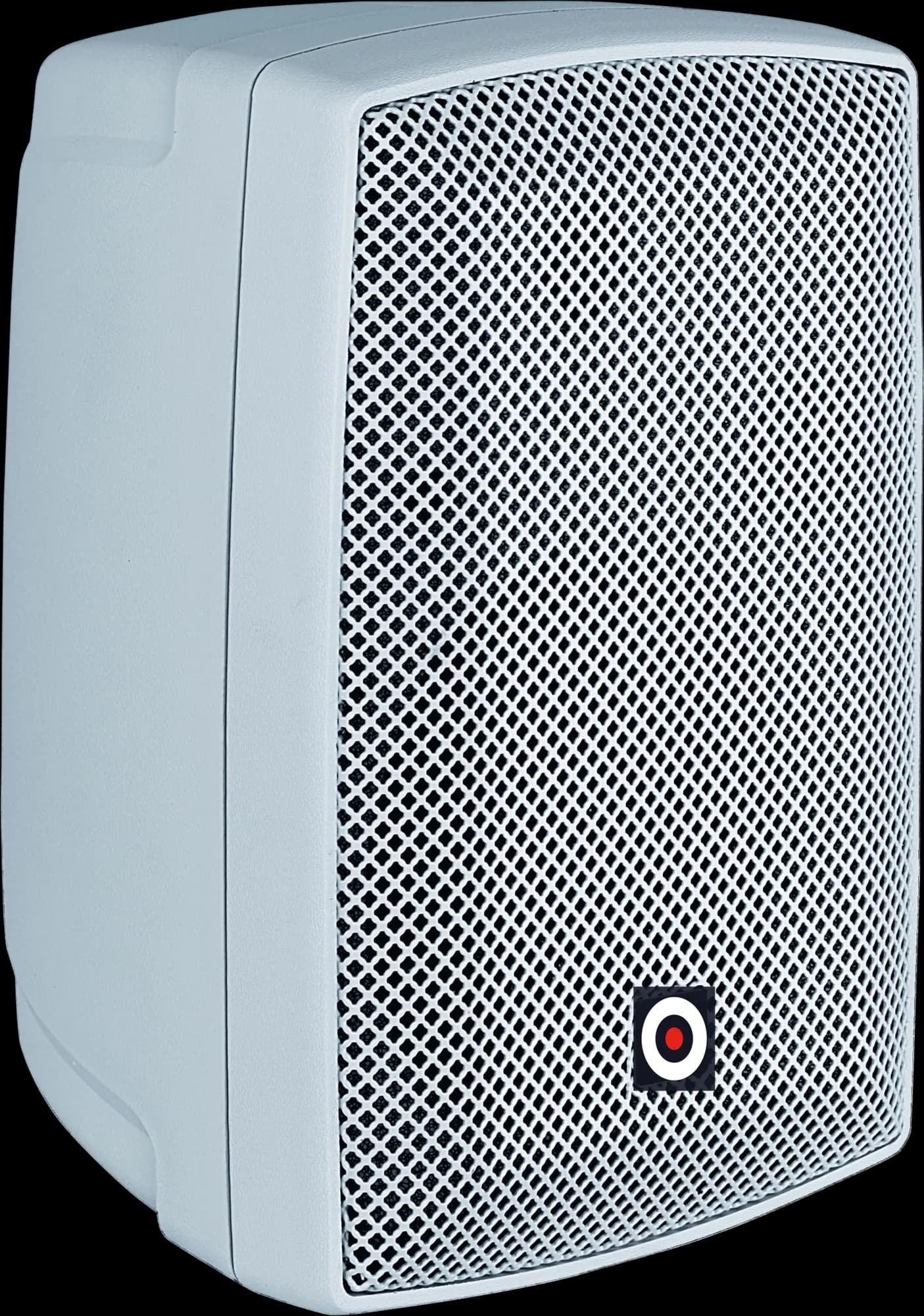
SSOUNDS P6T
Two-way 6.5″ install loudspeaker in a moulded ABS cabinet, 80 Hz to 20 kHz, 90° × 60°, on a 70/100 V line or at 8 Ω.
SSOUNDS
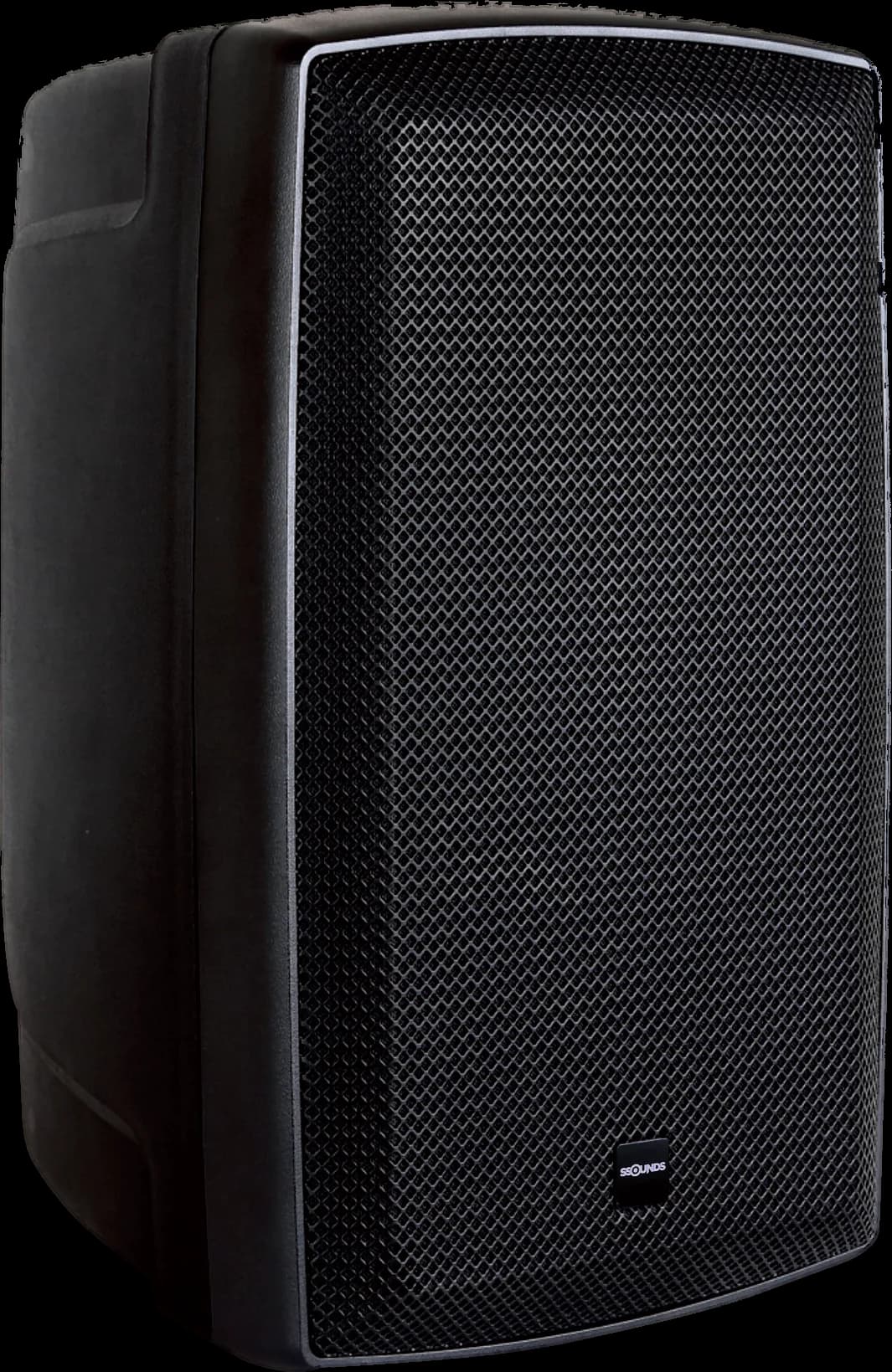
SSOUNDS P10T
Three-way 10″ install loudspeaker in an IP67 moulded ABS cabinet, 50 Hz to 20 kHz, on a 70/100 V line or at 8 Ω, for worship, hospitality, retail, courtyards and conference rooms.
SSOUNDS
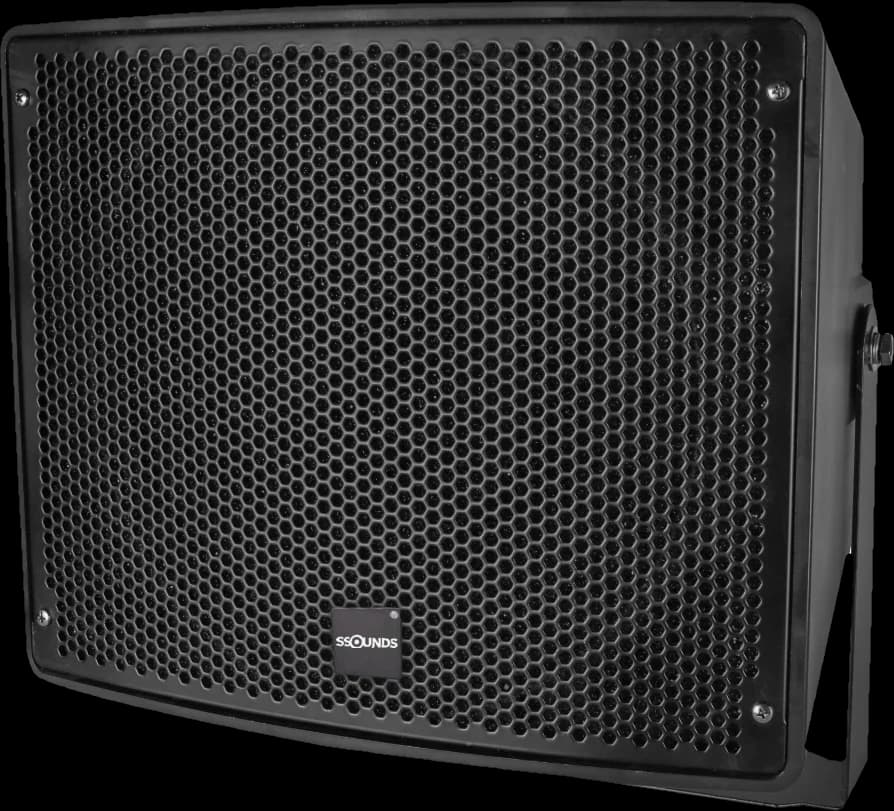
SSOUNDS P12T
Two-way 12″ install point source in a portrait birch cabinet, yoke mounted, on a 70/100 V line or at 8 Ω.
SSOUNDS
SSOUNDS M-12W
12″ two-way coaxial outdoor loudspeaker, IP56, 90° × 90°, 128 dB peak, with 70/100 V taps.
Power amplifiers and processing
The amplifier platform, zoning and the presets that keep the system safe in anyone's hands.

SSOUNDS
SSOUNDS A14X
4-channel touring amplifier for line arrays, 4 × 2,000 W @ 4 Ω, analog input.

SSOUNDS
SSOUNDS D14X
4-channel DSP amplifier with FIR, line-array power plus full system processing and presets.
SSOUNDS
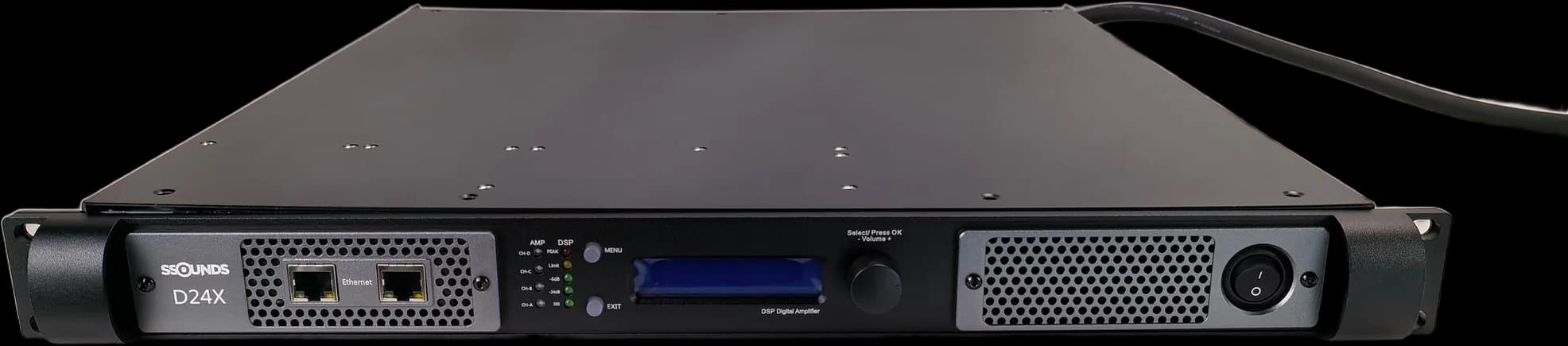
SSOUNDS D24X
High-power 4-channel DSP amplifier, subwoofer-grade output with full FIR processing.

SSOUNDS
SSOUNDS DSP 4×8
4-in / 8-out loudspeaker processor, 96 kHz, 1/36-octave filters and full system alignment.

SSOUNDS
SSOUNDS A4-600
4-channel 1U Class-D installation amplifier, 4 × 600 W into 8 Ω, XLR and Euroblock inputs, speakON outputs.
Why these products. The M-series are the catalogue's compact point sources and the M3 columns its speech-first formats; the P15-X is its long-throw point source; the XTO and LS line arrays carry large venues and open-air sites; the CL6 and CL8 are the distributed ceiling loudspeakers; and the A14X, D14X, D24X and SS-DSP-48 are the amplification and processing every one of them runs on. The LC16.3 and LC8.3 are speech-first column arrays that name airports, stations and prayer halls, and the P10T is an IP67 three-way install loudspeaker for houses of worship, conference rooms and foreground music. The M-10D is a Dante loudspeaker for conference rooms, lecture halls and houses of worship, and the A4-600 is a 1U installation amplifier that names public address zones. The CL6HD and CL8HD are Dante ceiling speakers powered over the network cable. The CL6P is a pendant for open ceilings and the CL8SUB adds low end from the ceiling plane, both tapped for 70 and 100 V like the CL6 and CL8. The P6T, P10T and P12T publish 70/100 V tap ladders beside an 8 ohm bypass, which puts a wall-mounted box on the same distribution line as the ceilings for spaces that have no ceiling to mount into, and the M-12W is the weather-resistant IP56 version of that idea with its own transformer taps.
Guides for this application
Get this specced for your room
Send us the drawings, the seat count and what the room has to do. Our engineers model the coverage and come back with a product list, a rigging plan and a budget.