Applications
Touring and Rental Sound Systems
Systems built for the truck: one rigging standard, one cable standard, one amplifier platform, and presets that travel with the boxes.
What this application asks of a system
A touring rig is judged in the two hours before doors. It has to hang from whatever steel the venue offers, cover a room the crew has never worked in, and sound like it did in the last city. Almost all of that is decided before the truck arrives: predictable directivity so the prediction file matches the room, rigging that resolves without a fight at height, and processing that carries the same tuning from date to date.
Rental inventory carries a second problem that touring alone does not. Stock gets cross-hired, combined with other people's boxes, flown by crews who did not specify it, and packed back into a truck in the dark. Cabinets that share a rigging system, a connector standard and an amplifier platform survive that cycle and stay hireable. Cabinets that each need their own dolly, their own loom and their own amplifier do not.
So the question for a production company is rarely which single box sounds best on a demo. It is which range scales from a 400-capacity club to a main stage without buying a second inventory, and whether the same amplifier rack can drive the tops on Friday and the subs on Saturday.
What we look at first
- How the range scales: the same tops flown in a club, arrayed on an arena show, and ground-stacked for a corporate stage
- One rigging and connector standard across the inventory, so a crew learns the system once
- Amplifier channel count and rack weight per hang, and whether processing lives in the amp or upstream
- Truck pack and dolly footprint, which is a real cost on every date
- Cardioid subwoofer capability, because stage spill and rear rejection decide the FOH mix
- Spares, service and preset support in your region, not just at the factory
Recommended SSOUNDS products
Grouped by the job each product does in this kind of system. Specifications live on the product pages and in the data sheets, so nothing is restated here.
Main hangs
The flown system. Element size follows throw distance and the weight the venue will let you hang.
 Featured
SSOUNDS
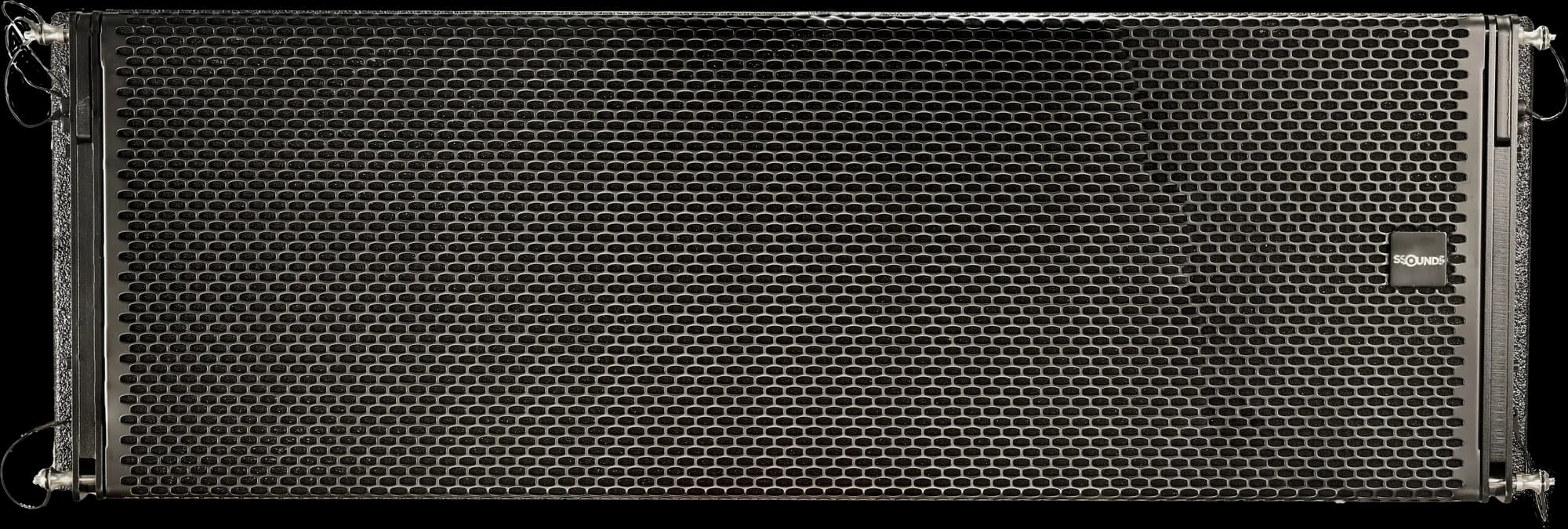
SSOUNDS XTO 12P
Large-format element of the XTO System, 3-way quad-amplified, 149 dB peak SPL from a Socapex-loomed touring element.
 Featured
SSOUNDS
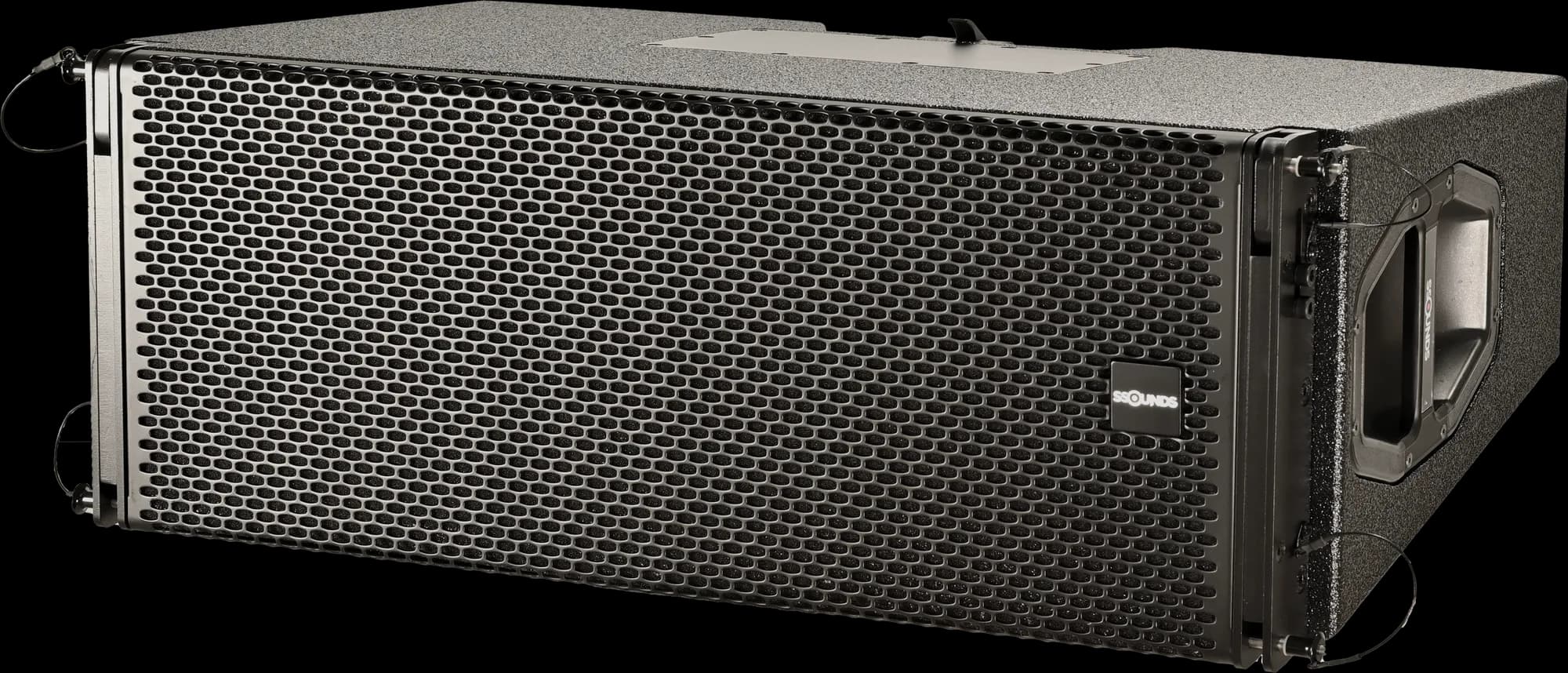
SSOUNDS XTO 10P
Mid-format element of the XTO System, 3-way 10″, 100° constant directivity, 144 dB peak, 0°–14° splay.
 Featured
SSOUNDS
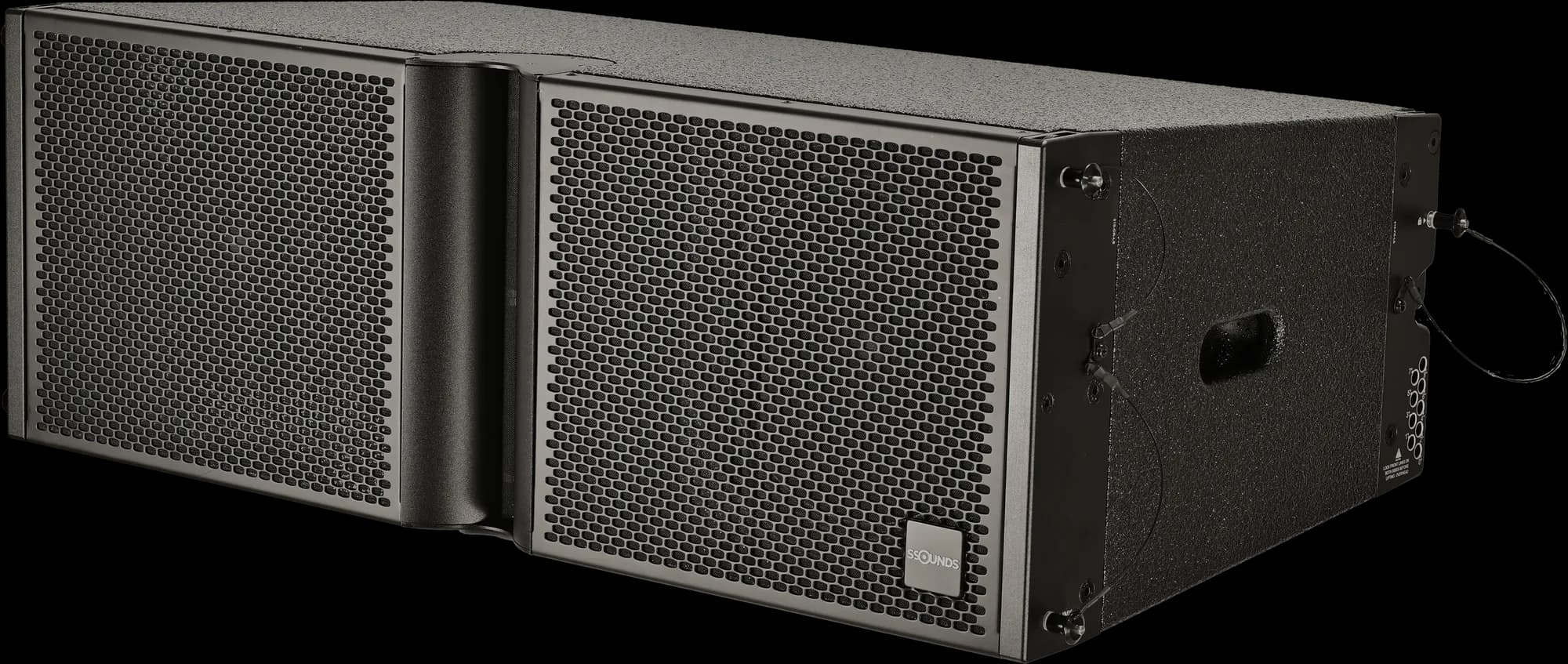
SSOUNDS LS310
Flagship of the LS series, large-format quad-amplified line array, 143 dB peak, 110° × 8°.
SSOUNDS
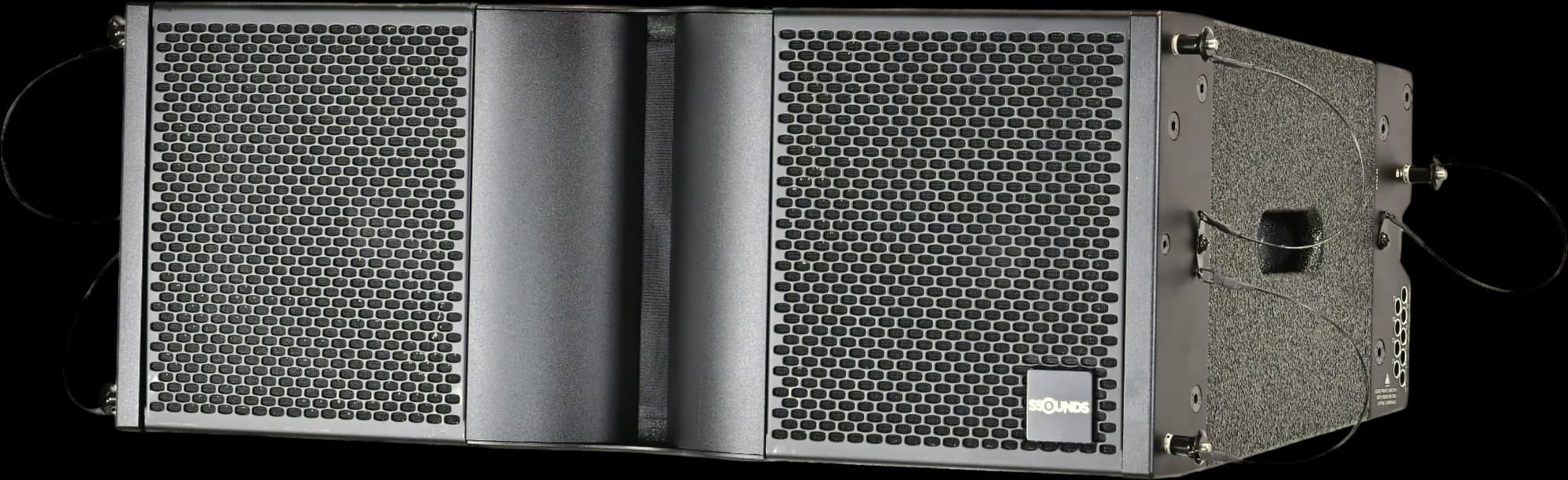
SSOUNDS LS208
Compact dual-8″ line-array element, 141 dB peak, 55 Hz reach and 100° coverage from a 26 kg box.
Downfill, front fill and delay
Coverage the main hang cannot reach: the first rows, the outer seats and anything past the natural reach of the array.
SSOUNDS
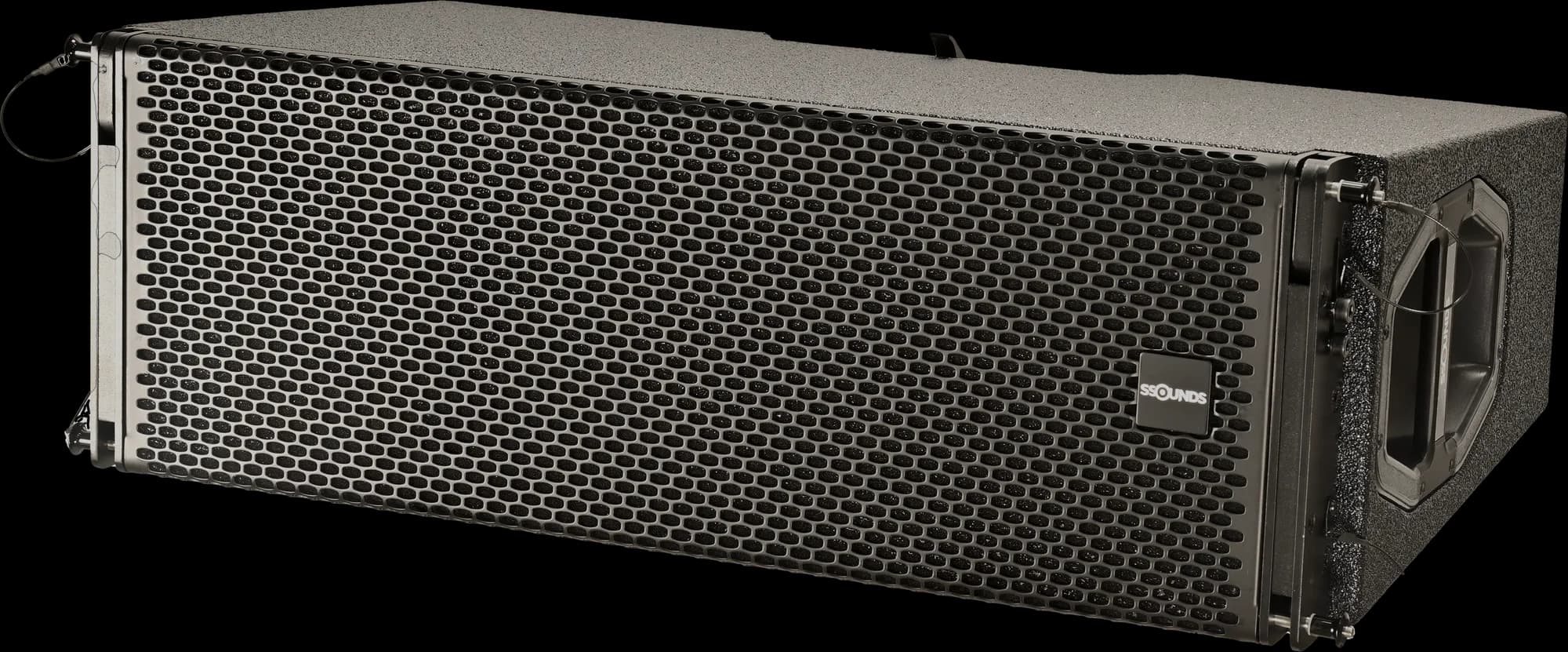
SSOUNDS XTO 8P
Compact element of the XTO System, 2-way bi-amplified 8″, 110° constant directivity, 141 dB peak, 0°–10° splay.
SSOUNDS
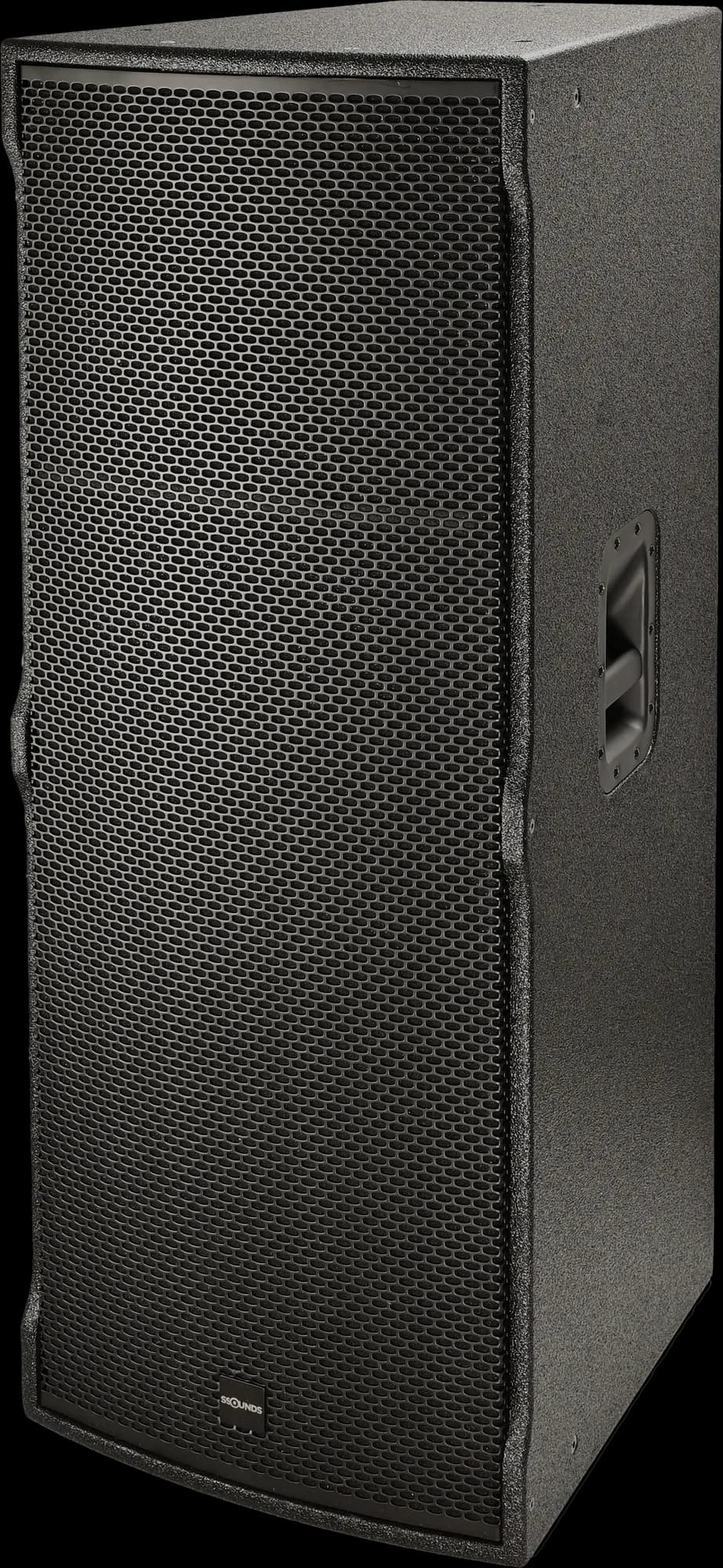
SSOUNDS P15-X
3-way long-throw point source, 2 × 15″, 4 × 6.5″ and 2 × 3″ behind a 70° × 40° waveguide, 2,000 W.
SSOUNDS
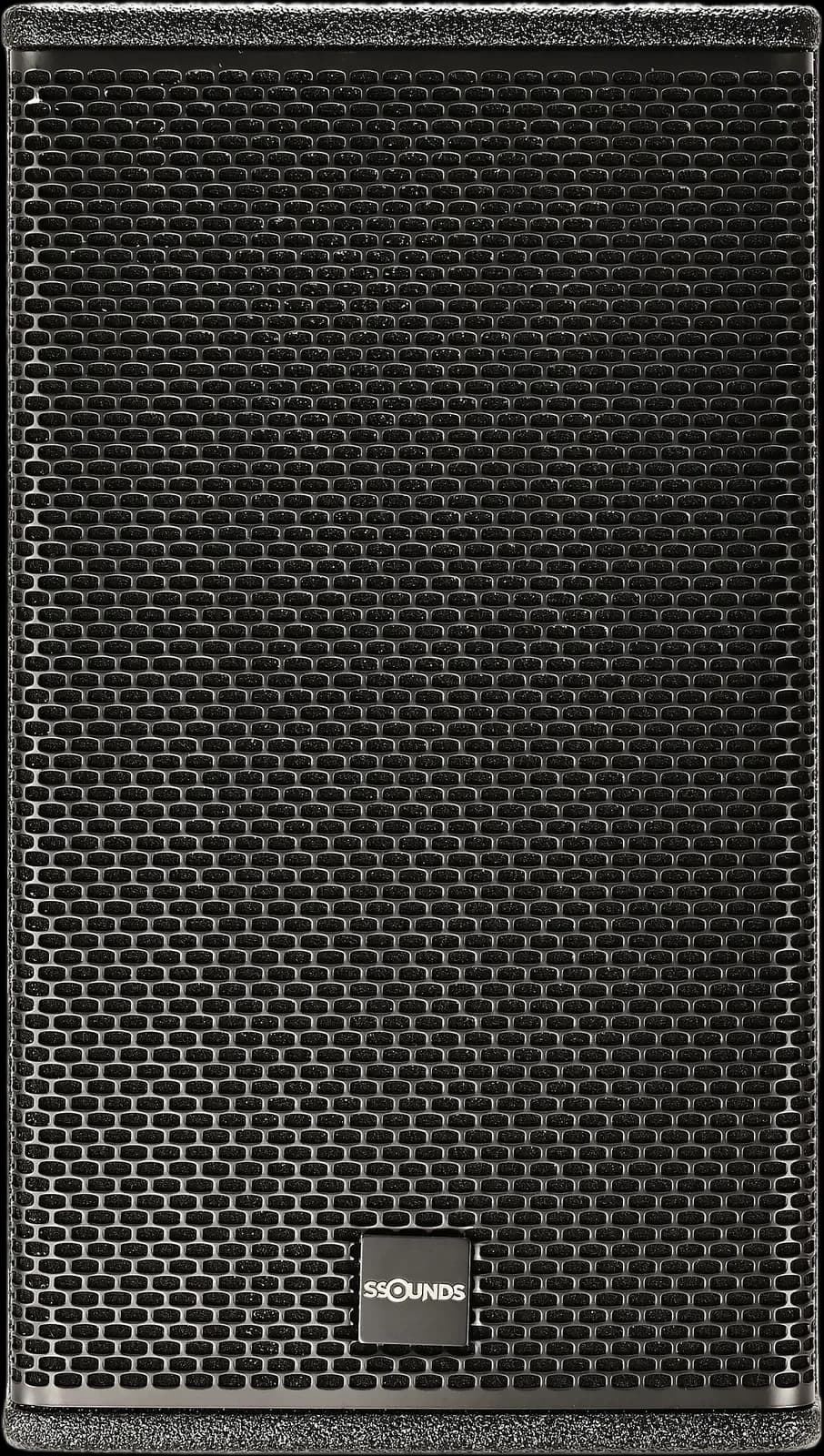
SSOUNDS M-15
15″ two-way point source, 55 Hz – 20 kHz, 137 dB peak, passive or bi-amplified.
SSOUNDS
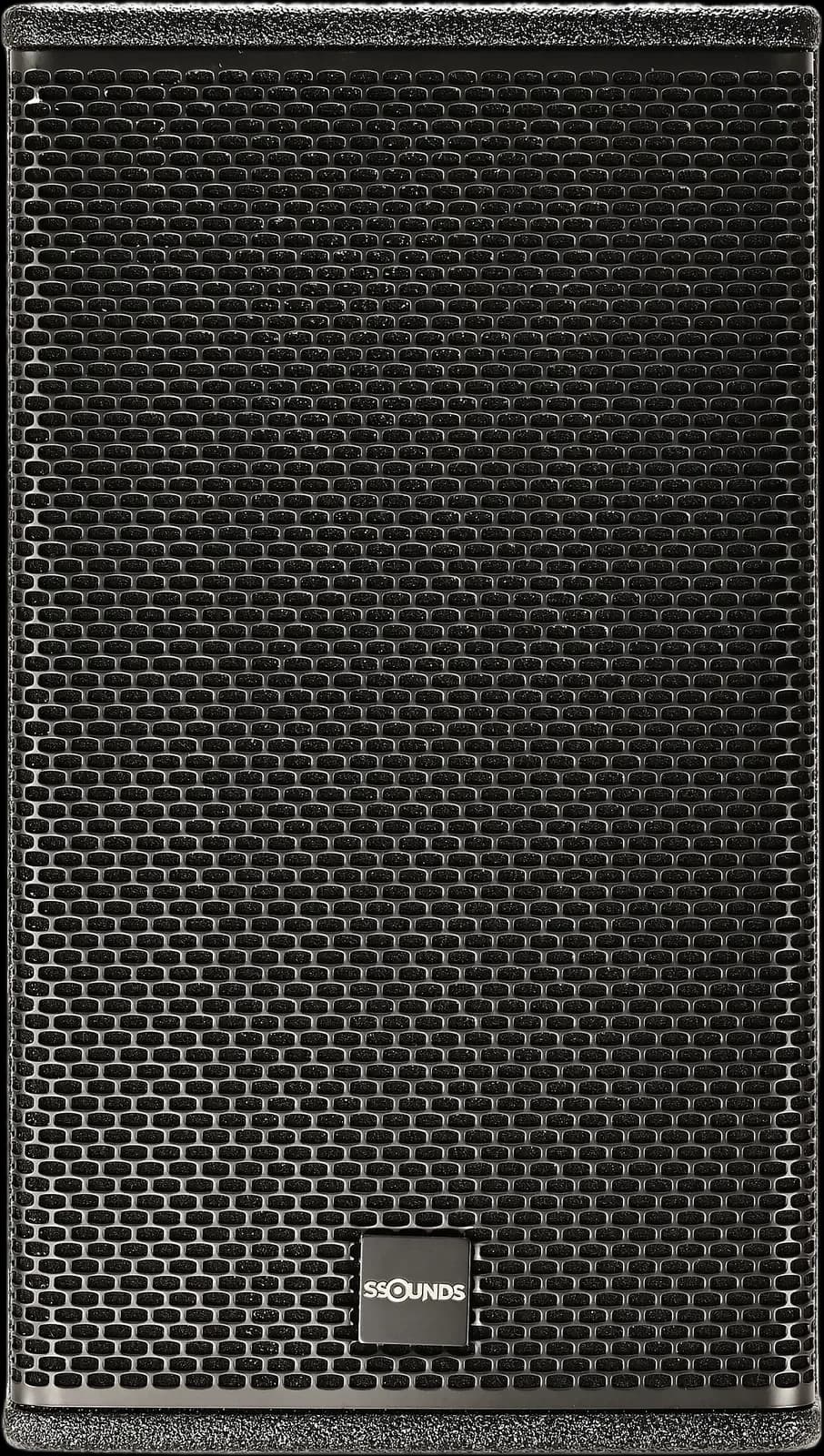
SSOUNDS M-12
12″ full-range point source, mains or floor wedge, the all-rounder of the M-series.
Subwoofers
Ground-stacked, flown or arrayed cardioid to keep low frequency off the stage.
SSOUNDS
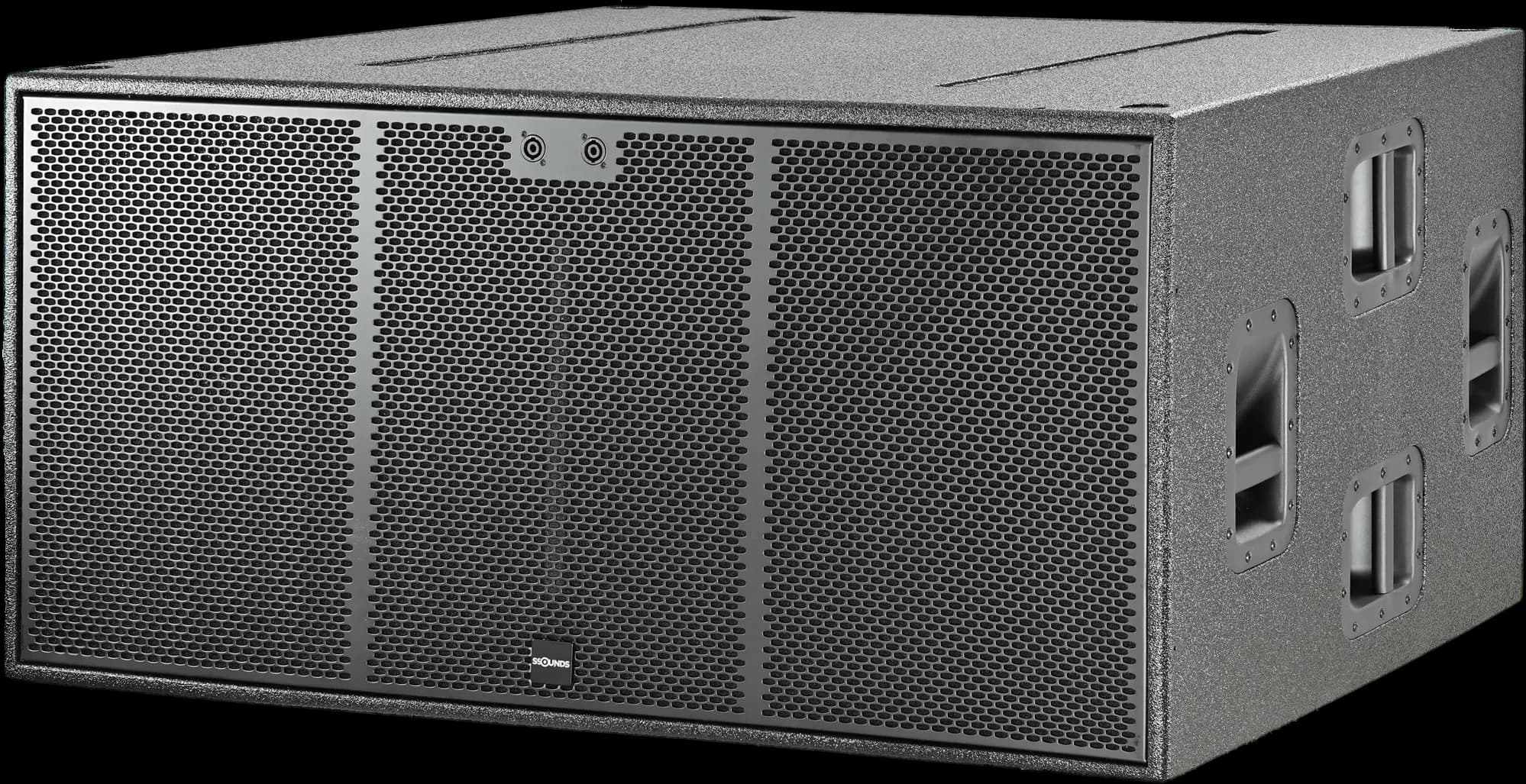
SSOUNDS XTO S218
Dual-18″ subwoofer module of the XTO System, massive, defined low-end with cardioid-ready configuration for touring and stadiums.
SSOUNDS
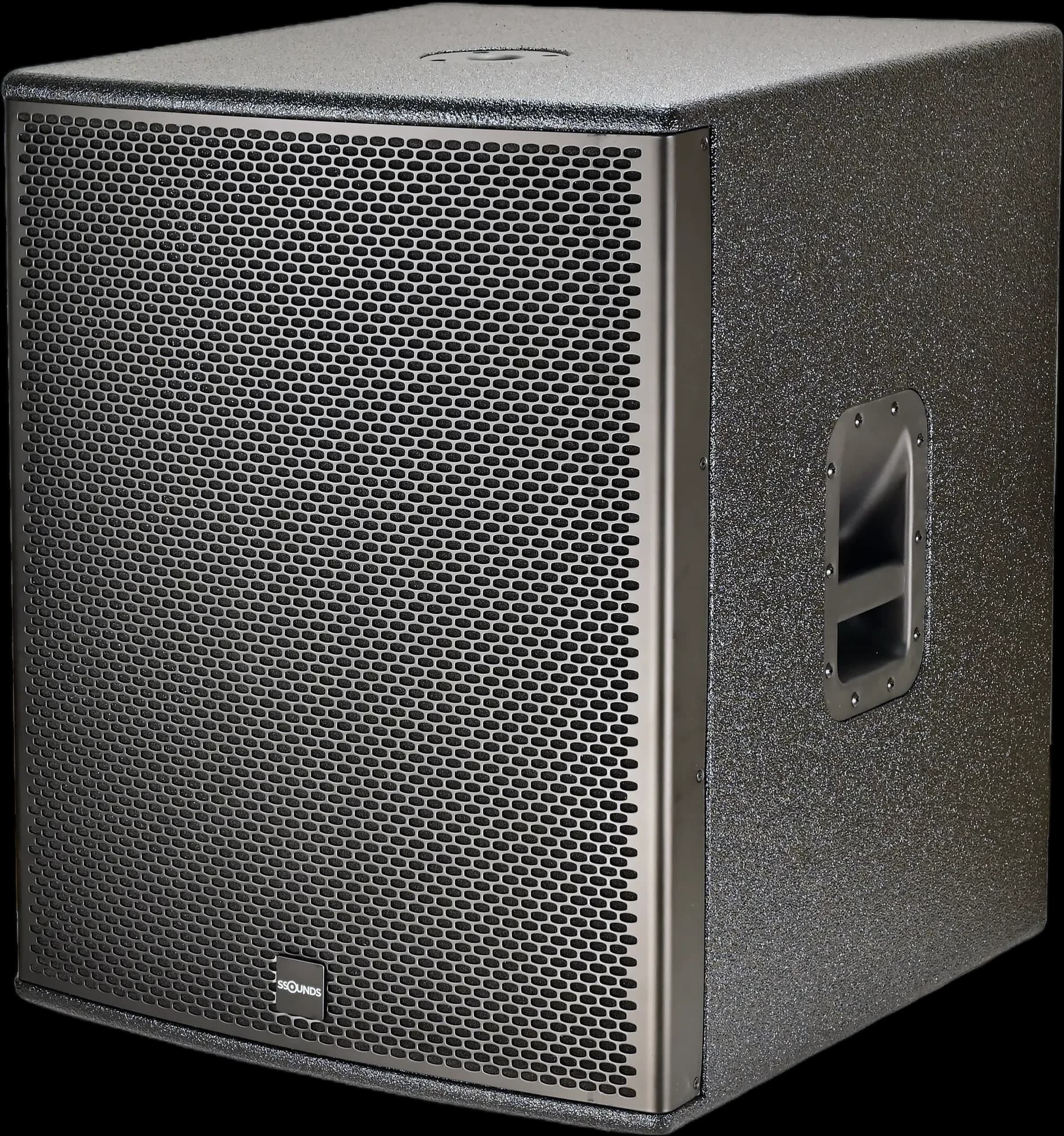
SSOUNDS XTO S18
Single-18″ subwoofer module of the XTO System, flyable on the shared track for arrays that hang with the tops.
SSOUNDS
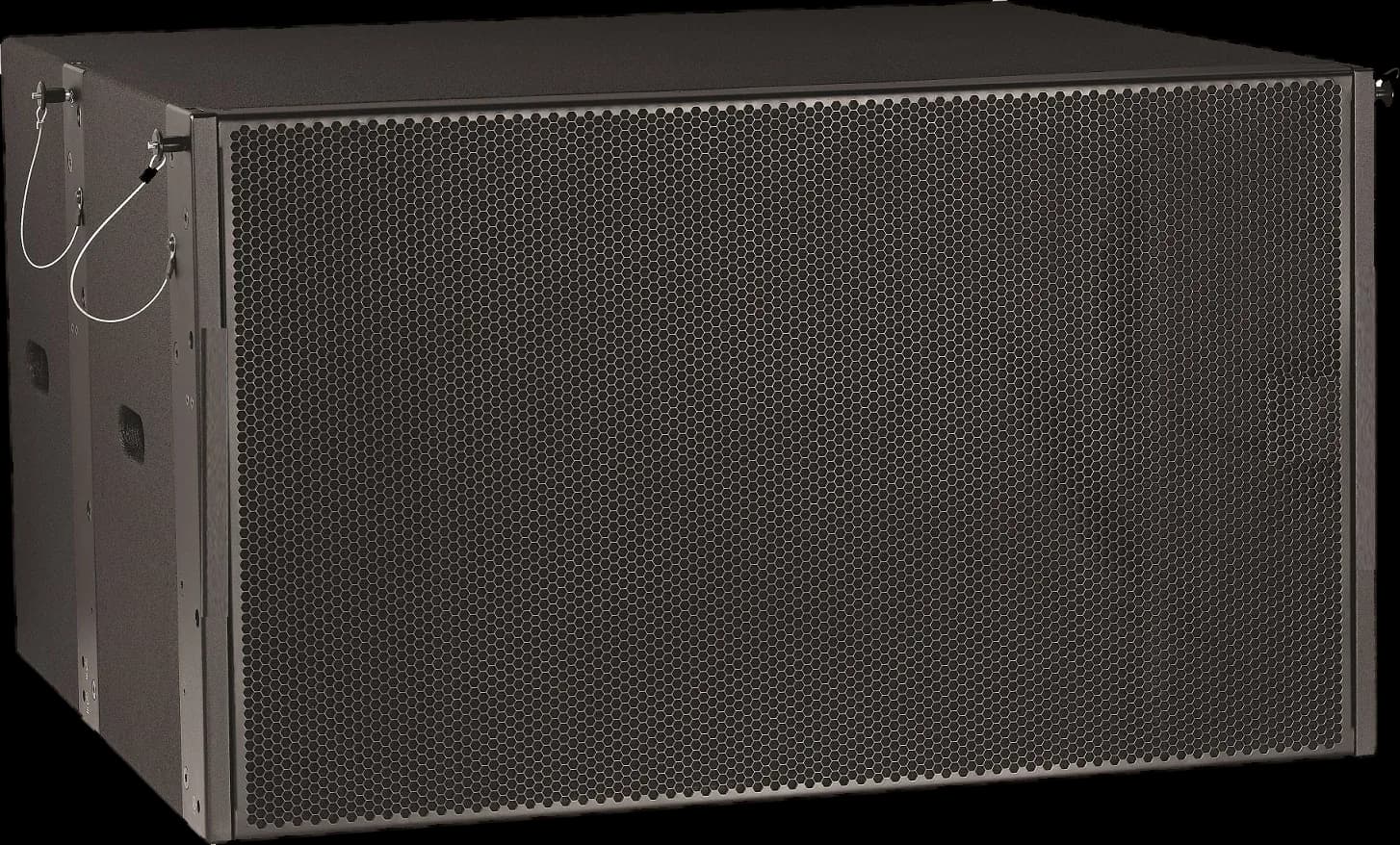
SSOUNDS LS310 Sub
Flyable dual-18″ subwoofer for LS310 arrays, 23 Hz reach, 143 dB peak, flies on the same hang.
Stage monitors
Wedges, side fills and drum fills for acts that are not on in-ears.

SSOUNDS
SSOUNDS CQ12
12″ coaxial stage monitor, low-profile point-source wedge with high gain-before-feedback.

SSOUNDS
SSOUNDS CQ15
15″ coaxial stage monitor, rotatable point-source wedge with reference-class SPL for demanding stages.
SSOUNDS
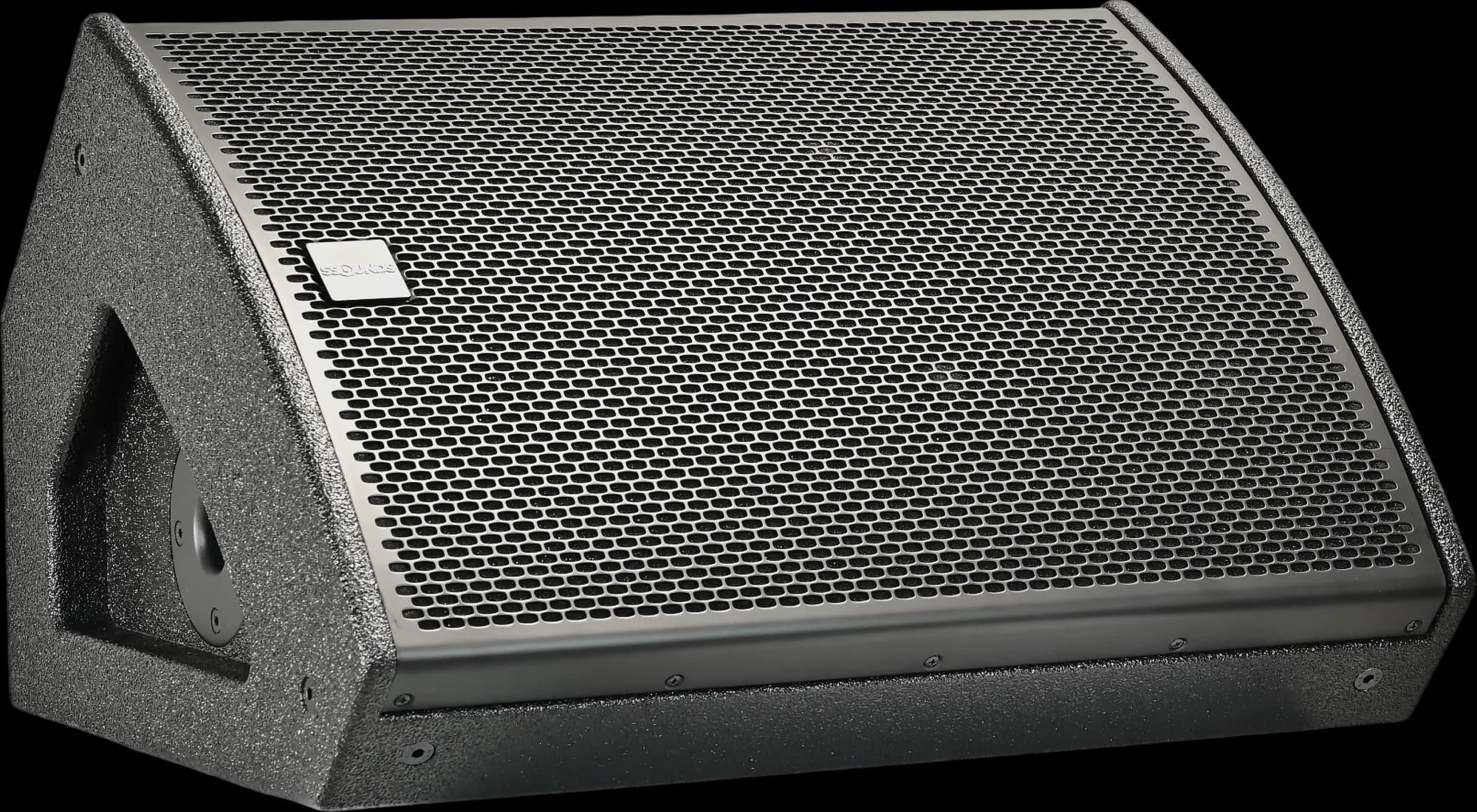
SSOUNDS SM-12
12″ low-profile stage monitor, compact wedge with high gain-before-feedback for tight stages.
SSOUNDS
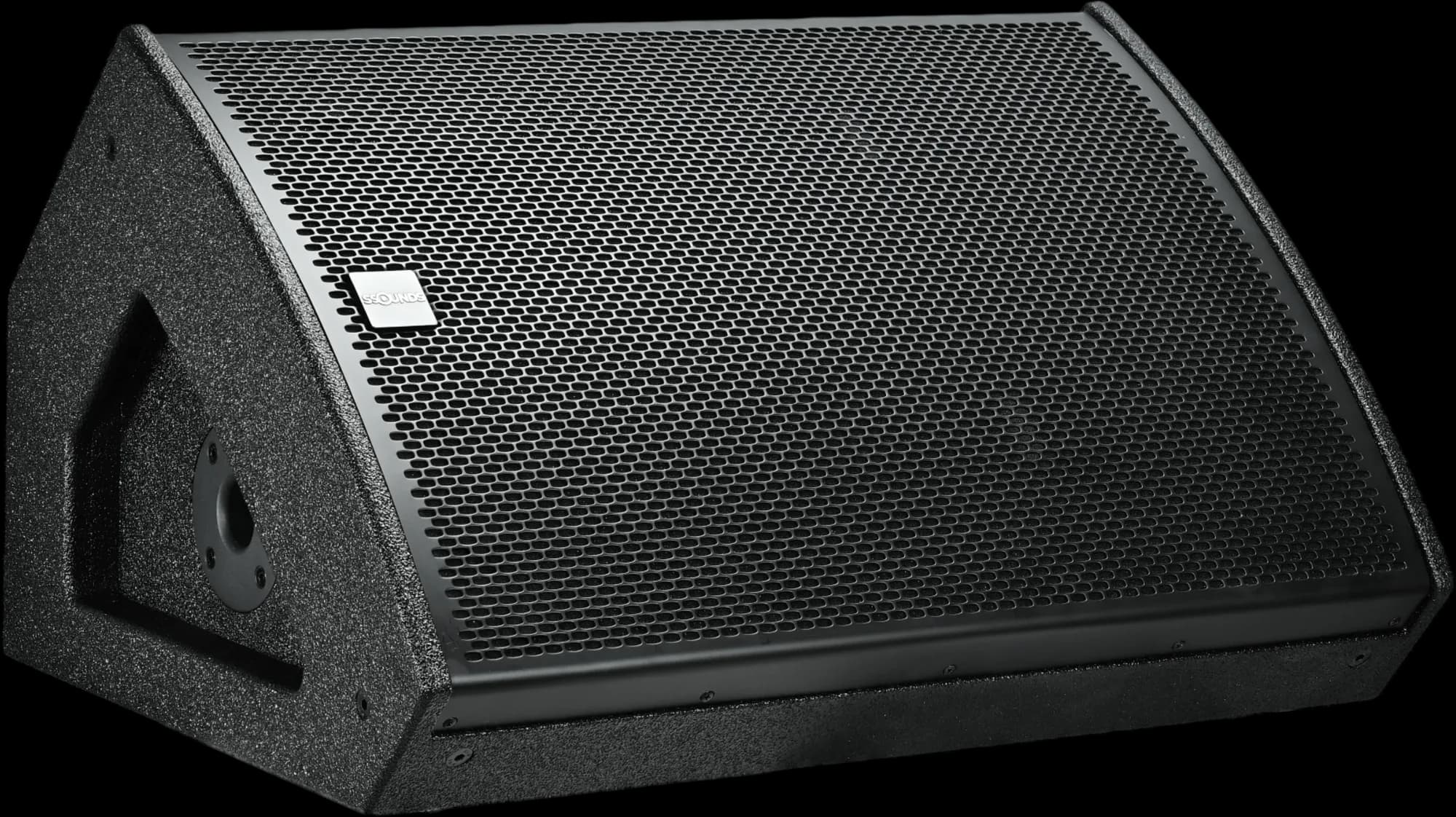
SSOUNDS SM15
15″ stage monitor, full-bodied wedge for lead vocals, drum fill and loud stages.
Amplification and processing
The system engine. Networked DSP amplifiers where control and monitoring matter, analog amplifiers where processing already lives upstream.

SSOUNDS
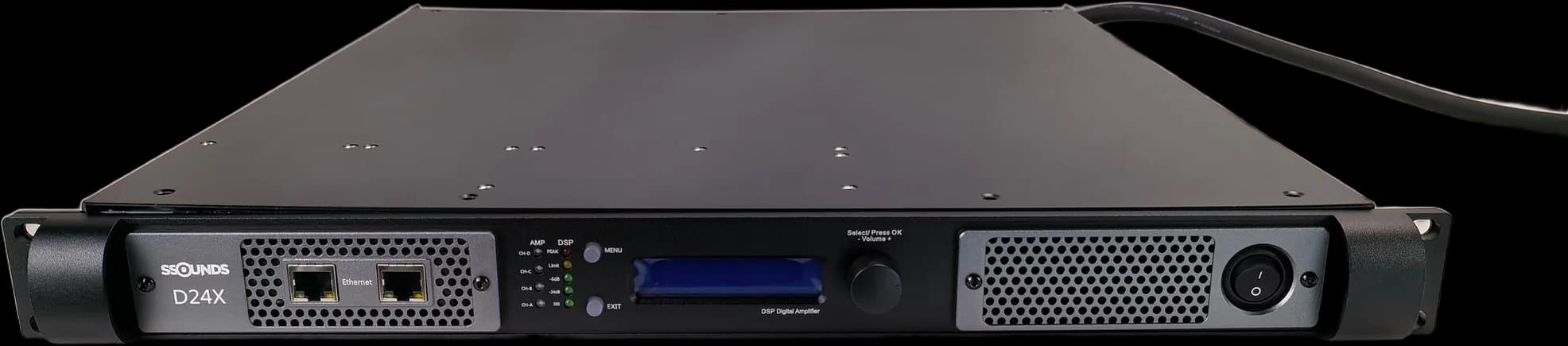
SSOUNDS D24X
High-power 4-channel DSP amplifier, subwoofer-grade output with full FIR processing.

SSOUNDS
SSOUNDS D14X
4-channel DSP amplifier with FIR, line-array power plus full system processing and presets.
SSOUNDS
SSOUNDS D34X
Coming soon. 4-channel networked DSP amplifier, 4 × 3,000 W at 8 Ω, Dante, Milan, AES3 and analog in.
SSOUNDS
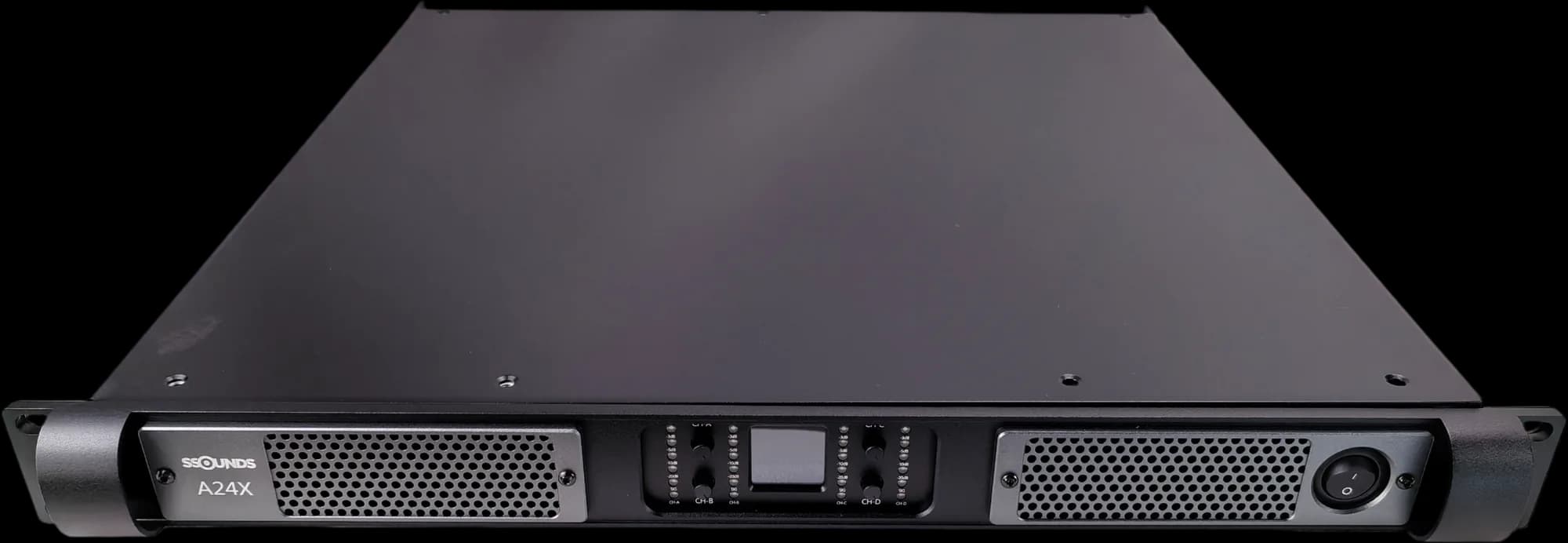
SSOUNDS A24X
High-power 4-channel subwoofer amplifier, 4 × 4,400 W @ 4 Ω for XTO sub arrays.

SSOUNDS
SSOUNDS A14X
4-channel touring amplifier for line arrays, 4 × 2,000 W @ 4 Ω, analog input.
SSOUNDS
SSOUNDS A34X
Coming soon. 4-channel Class-D amplifier, 4 × 3,000 W at 8 Ω, analog input, no onboard DSP.

SSOUNDS
SSOUNDS DSP 4×8
4-in / 8-out loudspeaker processor, 96 kHz, 1/36-octave filters and full system alignment.
LED video for rental inventory
Panels that rig the same way indoors and out, so the crew does not relearn a system on show morning.
AIXCEL
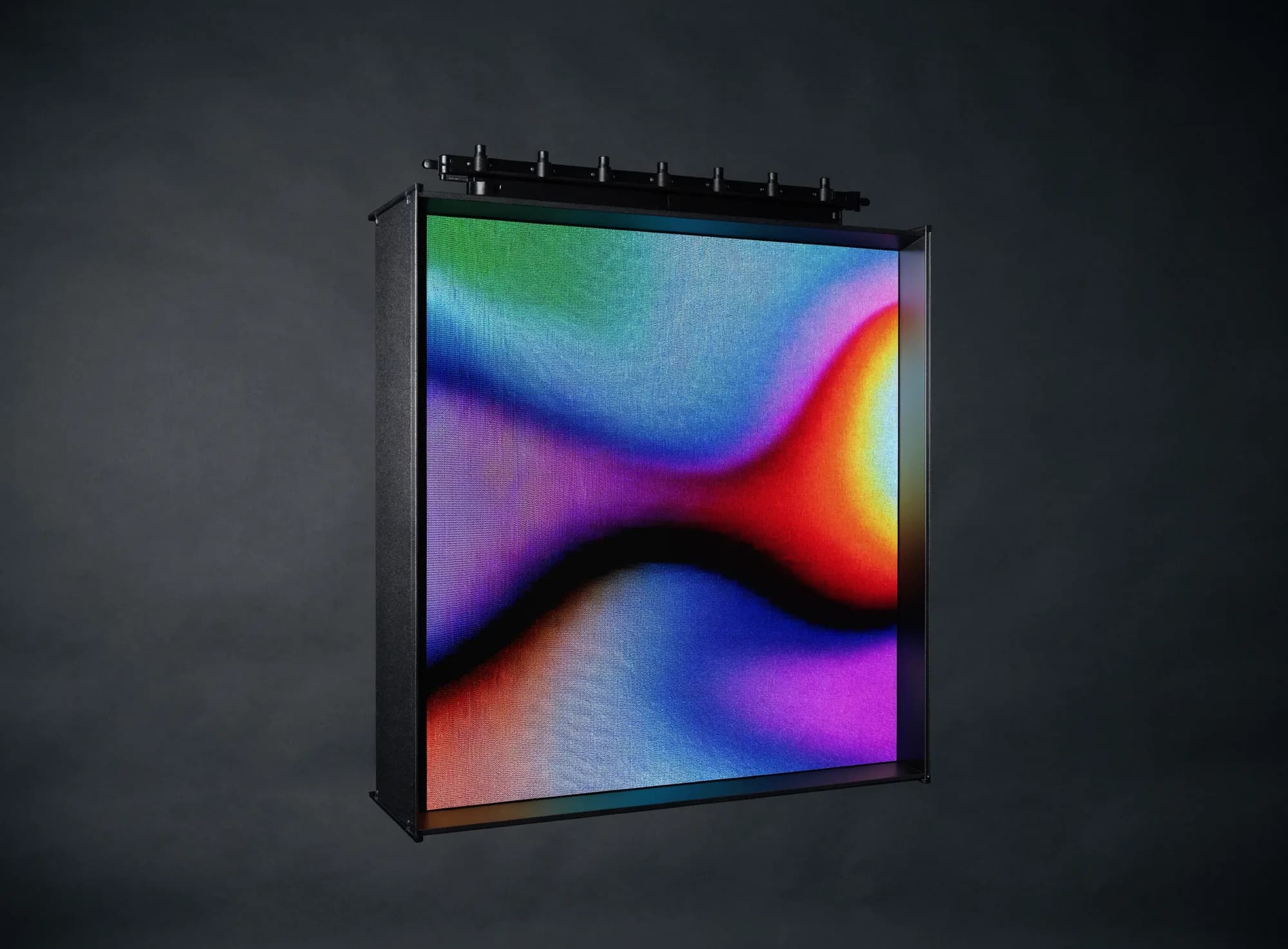
AIXCEL RX Indoor Rental LED Panel
P2.6 / P2.9 / P3.9 indoor rental LED, 500×500 die-cast cabinets, quick-lock, curve-ready.
AIXCEL
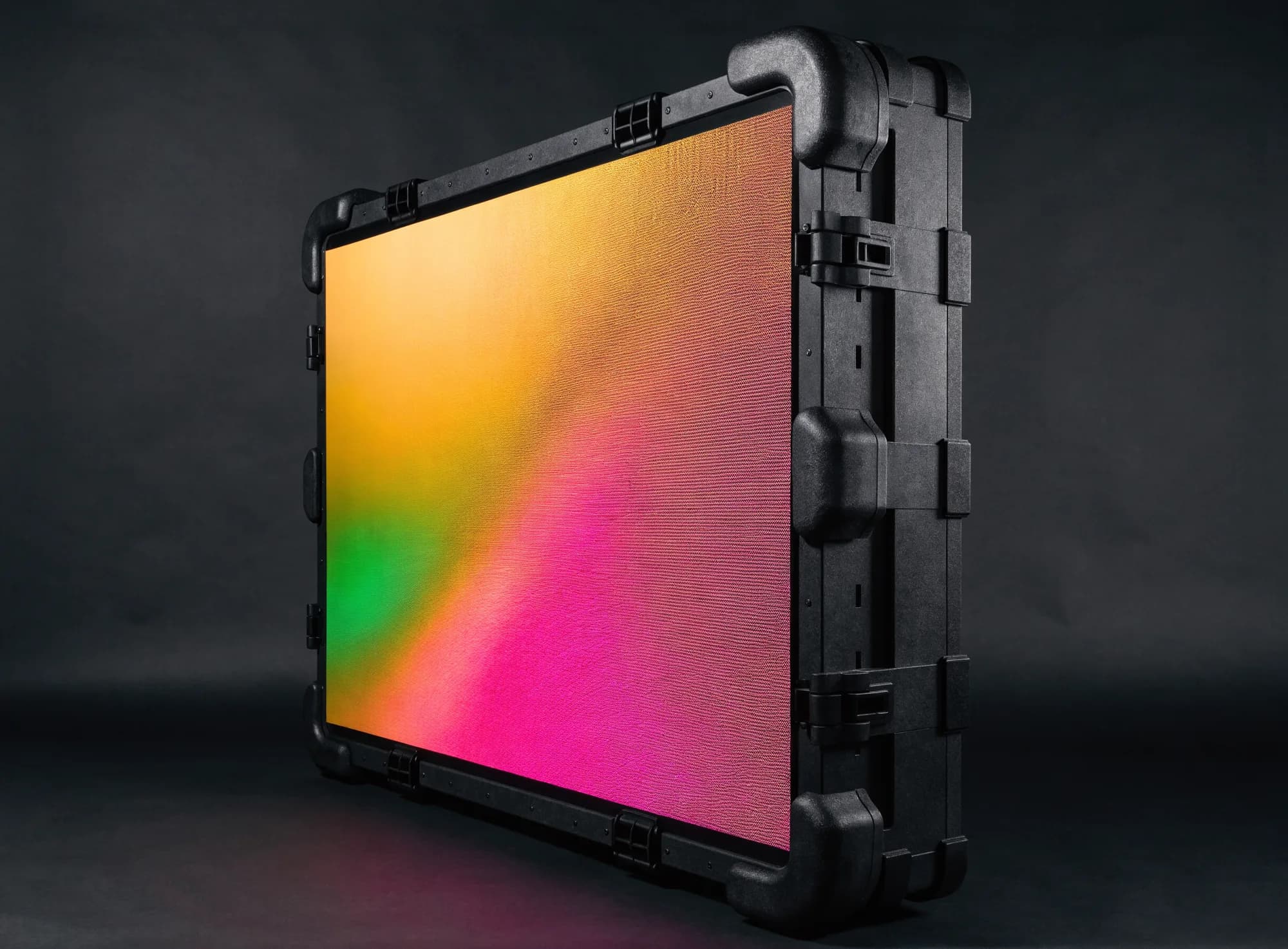
AIXCEL RX-O Outdoor Rental LED Panel
P3.9 / P4.8 outdoor rental LED. IP65, 4,500 nits, festival-proof quick-lock cabinets.
Unilumin
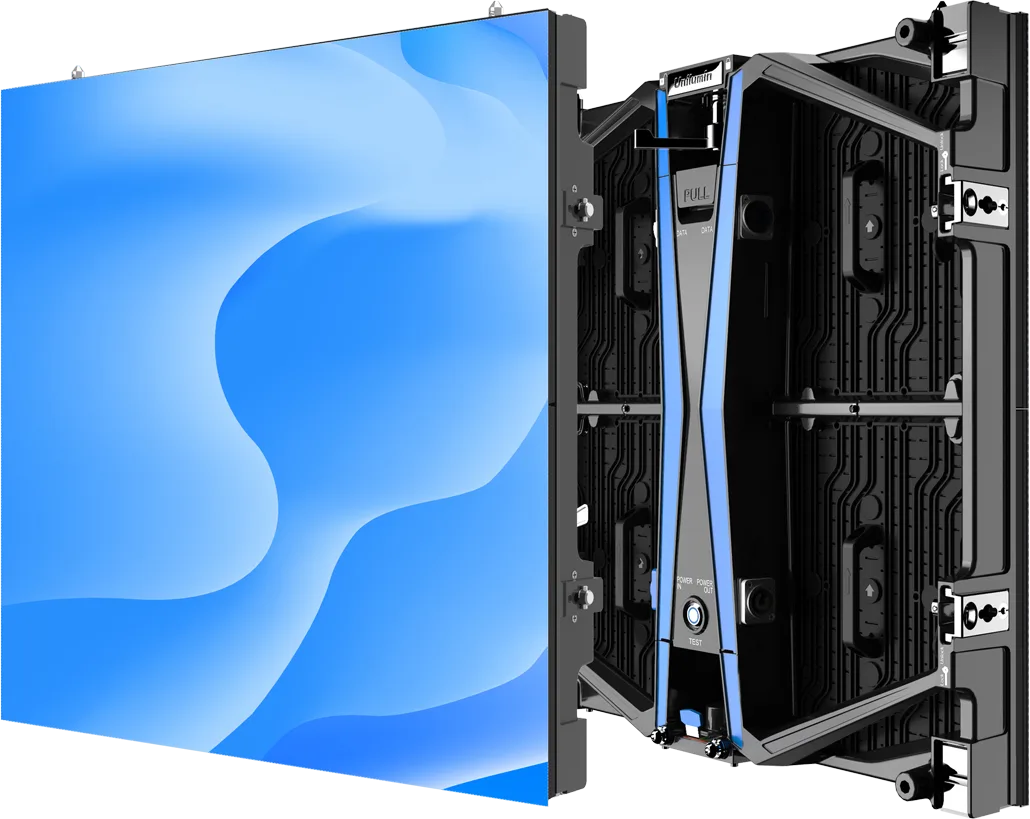
Unilumin Upad IV
Flagship die-cast magnesium rental LED. P2.6, 6.3 kg, 7,680 Hz, the world-touring workhorse.
Gloshine
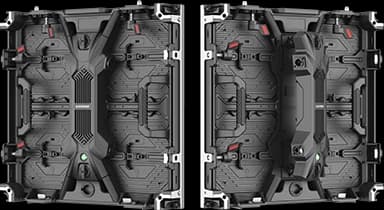
Gloshine MV Ultra
Flagship indoor rental LED. P1.5–P2.9, 7,680 Hz HDR, built for touring, broadcast and XR.
Gloshine
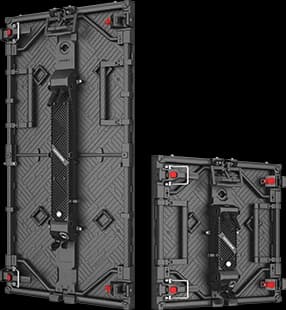
Gloshine UR Series
Universal indoor/outdoor rental LED, one carbon-reinforced platform for stage, sports and touring.
Why these products. The XTO and LS arrays, the XTO subwoofers and the A and D series amplifiers are all described in the catalogue as touring products, and the XTO touring inventory shares a handle, fly track and dolly system across the range.
Guides for this application
Get this specced for your room
Send us the drawings, the seat count and what the room has to do. Our engineers model the coverage and come back with a product list, a rigging plan and a budget.