Applications
Railway and Metro Station Sound Systems
A platform announcement competes with a train, and it has to win in the few seconds before the doors close.
What this application asks of a system
A station is the hardest speech environment in public transport, because the noise and the reverberation arrive together. A train entering the platform lifts the ambient level sharply during exactly the period when the announcement matters, and the surfaces bounding a platform, a hard canopy overhead, a retaining wall behind, track and ballast below, return that energy rather than absorbing it. An underground platform is worse again: a tube or a concrete box with almost no absorption and nowhere for the sound to leave.
The geometry then forces the answer. A platform is long and narrow, perhaps two hundred metres by ten, with listeners strung along its whole length. A single loud source at each end cannot serve that: the near listener is punished and the far one hears the canopy rather than the voice. The design is a line of closely spaced sources, each covering a short section with a tight vertical pattern aimed down at people and away from the canopy and the opposite platform, all time-aligned so a listener standing between two of them hears one voice instead of two.
The concourse is a different room. It is higher, wider and more reverberant, it mixes ticket hall, retail and circulation, and it has to be zoned separately from the platforms so that a platform alteration does not page the whole station. Getting the boundary between those zones right is what stops announcements becoming background noise that passengers learn to ignore.
The environment is unforgiving in ways an indoor install is not. Open platforms take weather, wind and sun; underground stations take tunnel pressure waves, dust and heat; everything is within public reach and has to survive it; and maintenance access happens in engineering hours rather than during the day. On top of that the life-safety evacuation message is a separate certified scope that the announcement design has to coexist with.
What we look at first
- Ambient noise during a train movement, which is the condition the announcement actually has to meet
- Closely spaced sources along the platform with tight vertical control, aimed down at people rather than along the platform
- Delay alignment between adjacent positions, so overlapping coverage reads as one voice
- Hard canopies, retaining walls and underground boxes, where there is no absorption to borrow
- Separate zoning for platforms, concourse, ticket hall and subways, and the priority order between them
- Weather, dust, heat and public reach on the hardware, and what that means for mounting and enclosure
- Coexistence with the certified evacuation and voice alarm scope
- Maintenance access that only happens in engineering hours
Why SSOUNDS for this
A platform system is a delay and directivity exercise, and we design it as one: many closely spaced sources, each covering a short section, aligned in our own processing so the overlap reads as a single voice. That is a different proposal from a louder pair of horns at the ends, and it is the one that still works with a train in the platform.
Our published engineering note on speech intelligibility names transport terminals among the rooms the VoxClear voicing discipline exists for, and states the measure we design to and why directivity moves it. The method is on the site, so you can judge the engineering before you judge the quotation.
Recommended SSOUNDS products
Grouped by the job each product does in this kind of system. Specifications live on the product pages and in the data sheets, so nothing is restated here.
Platforms and subways
Closely spaced, tightly controlled sources along the platform, aimed down at people and away from the canopy and the opposite face.
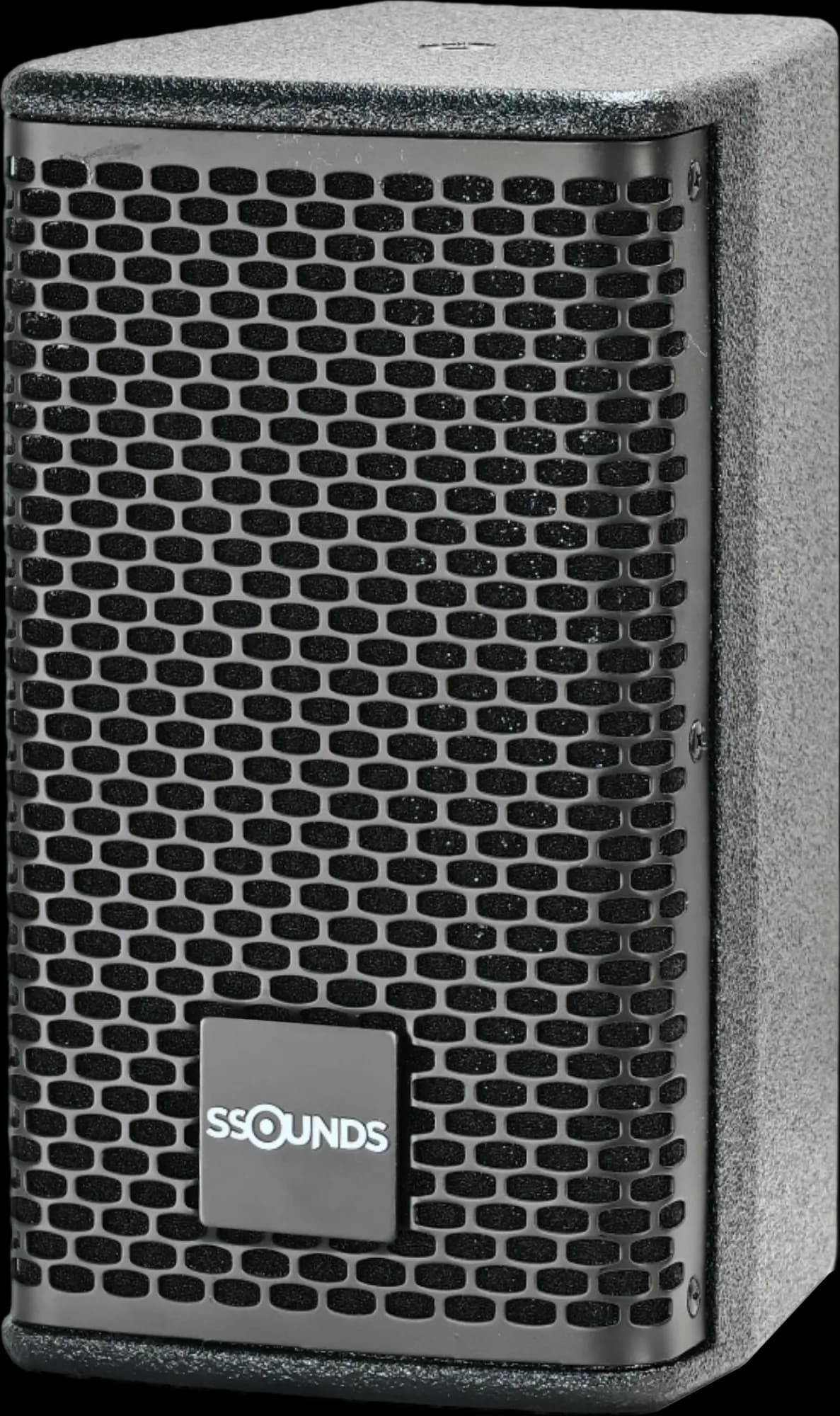
SSOUNDS
SSOUNDS M-4
Ultra-compact 4″ full-range, discreet fill and foreground audio with M-rigging.
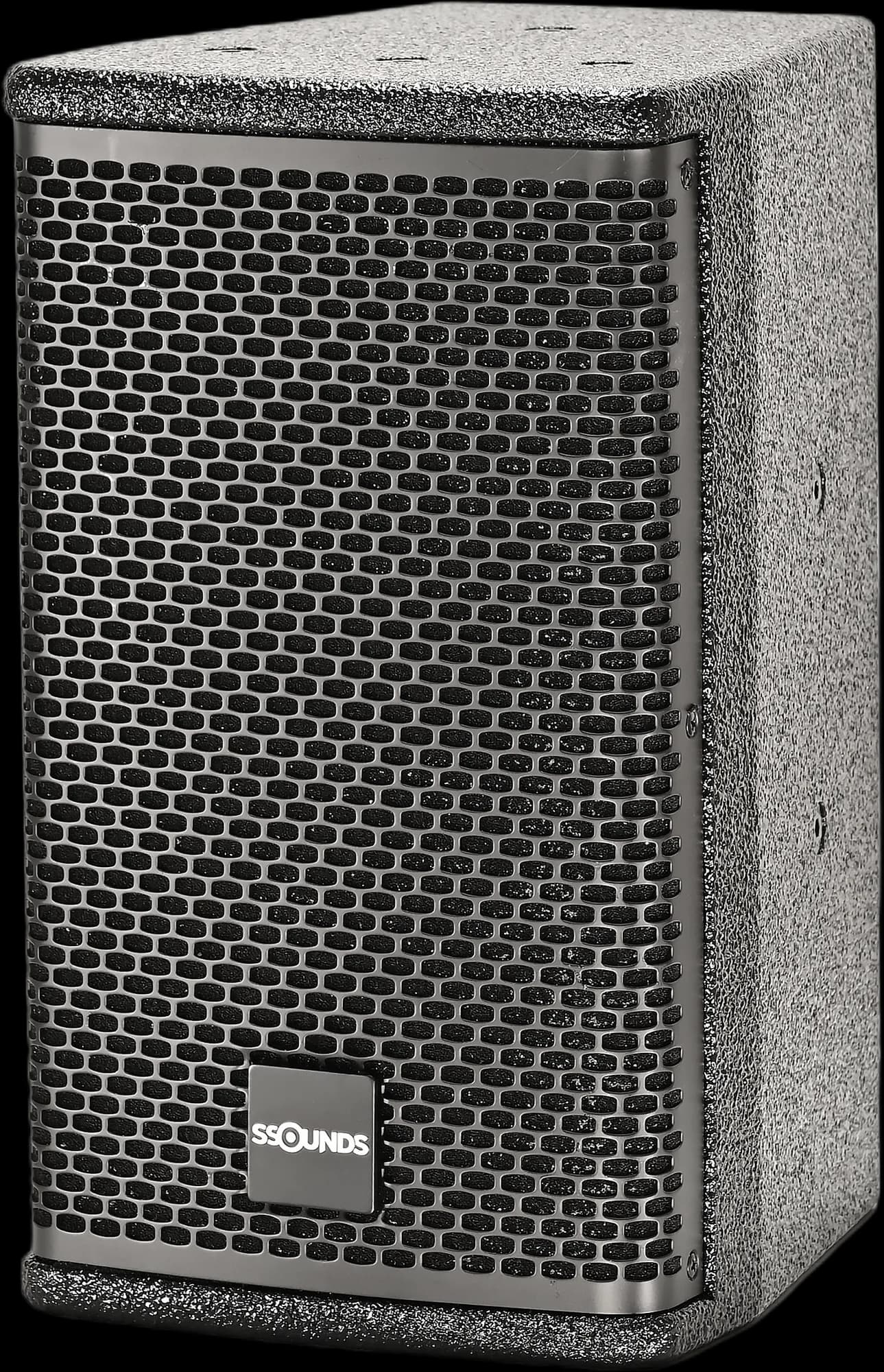
SSOUNDS
SSOUNDS M-6
Compact 6.5″ full-range, versatile install and portable speaker with M8 rigging.
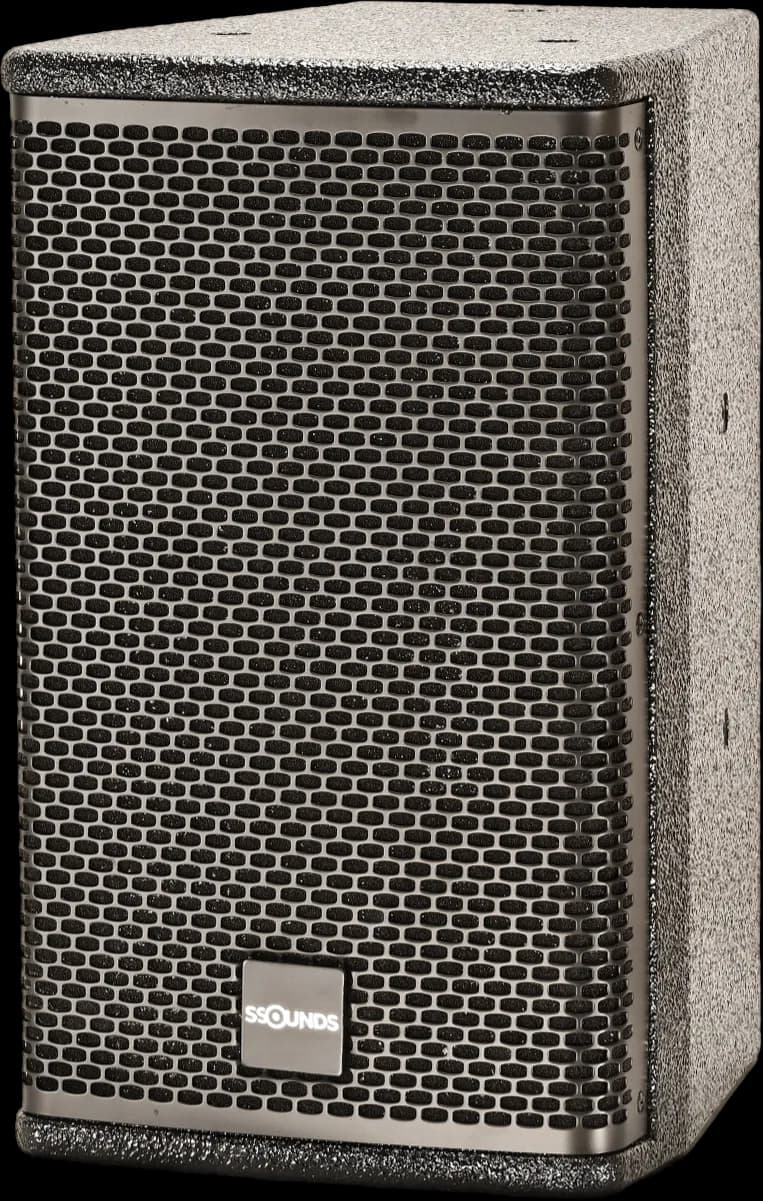
SSOUNDS
SSOUNDS M-8
8″ full-range, high-output multipurpose box for portable PA, fill and install.
Concourses, ticket halls and high spaces
Taller, more reverberant rooms where a column keeps energy off hard surfaces across a long throw.

SSOUNDS
SSOUNDS LC16.3
16 × 3″ full-range column, 127° × 24°, for announcements and speech in airports, stations and mosques.

SSOUNDS
SSOUNDS M3.12P
3″ × 12 full-range column array, long-throw speech intelligibility for reverberant rooms.
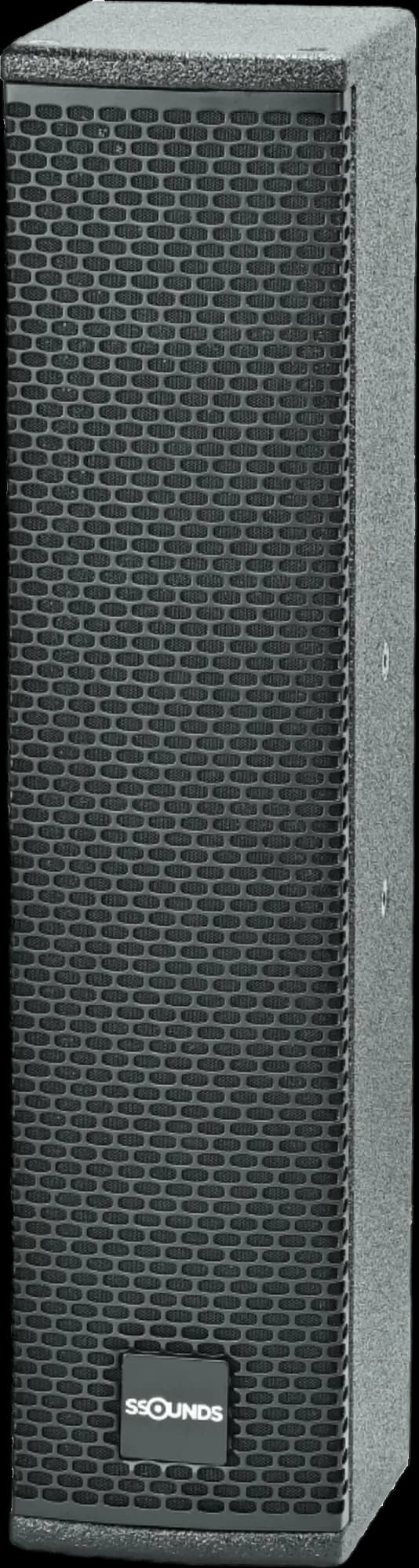
SSOUNDS
SSOUNDS M3.6P
Compact 3″ × 6 full-range column array, clean speech and music for architectural install.
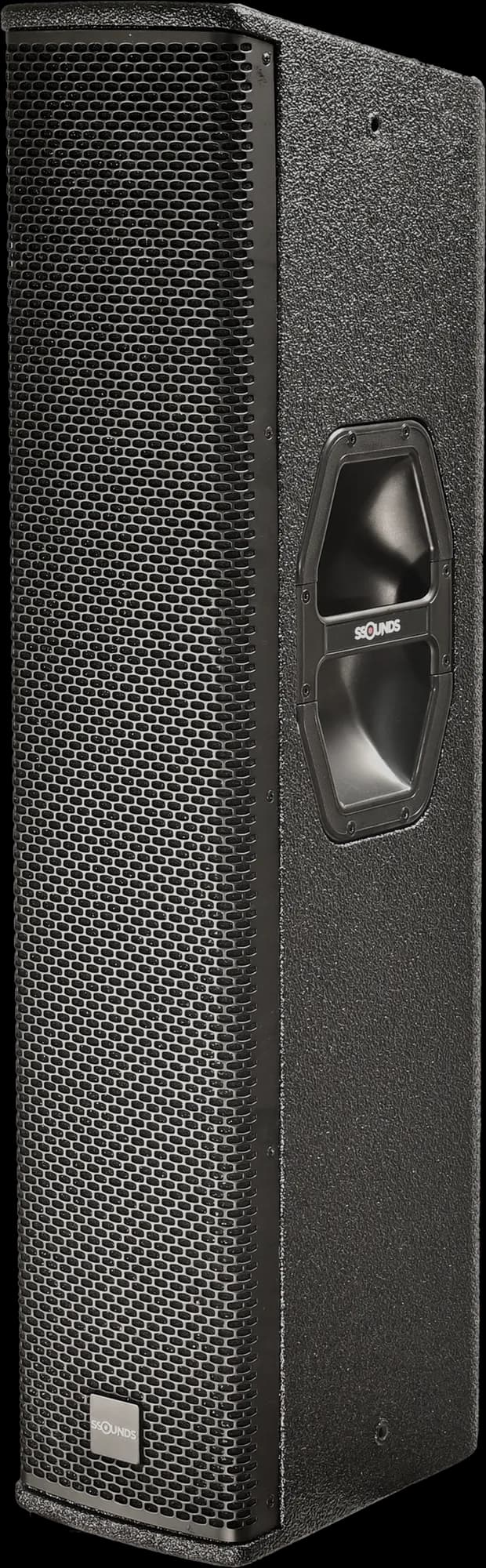
SSOUNDS
SSOUNDS XTO 4.6
Column element of the XTO System, passive line array, 4 × 6.5″ drivers, 65 Hz – 20 kHz and 134 dB peak in a sightline-friendly column.
Long platforms and open-area announcement
Where the throw is long and the pattern has to stay narrow enough to clear the opposite platform.
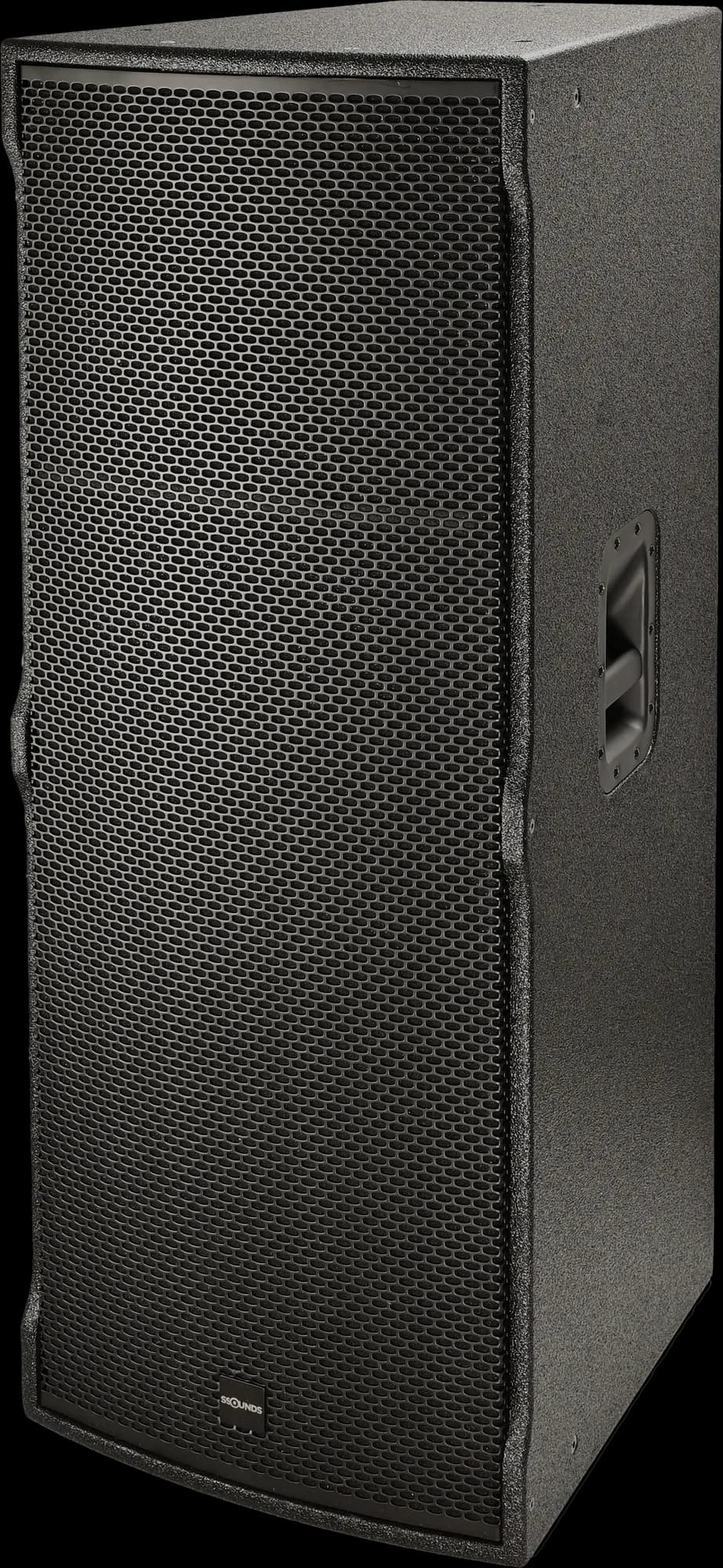
SSOUNDS
SSOUNDS P15-X
3-way long-throw point source, 2 × 15″, 4 × 6.5″ and 2 × 3″ behind a 70° × 40° waveguide, 2,000 W.
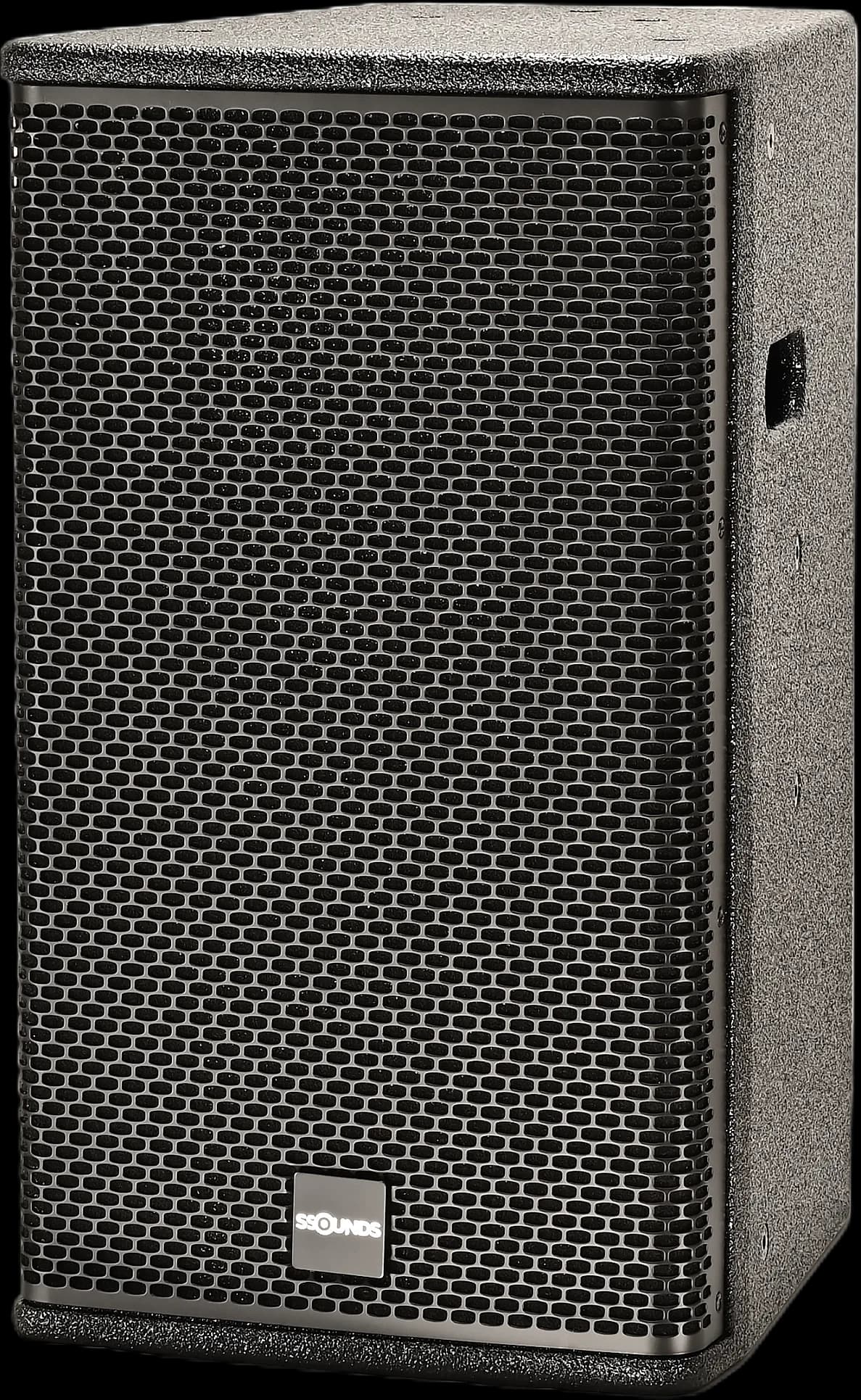
SSOUNDS
SSOUNDS M-10
10″ full-range, compact mains or monitor with strong vocal projection.
SSOUNDS
SSOUNDS M-12
12″ full-range point source, mains or floor wedge, the all-rounder of the M-series.
Distributed ceiling audio
Retail units, waiting rooms, offices and back of house on 70/100 V lines.

SSOUNDS
SSOUNDS CL6
6.5″ two-way ceiling speaker, discreet, even distributed audio with 70/100 V tapping.

SSOUNDS
SSOUNDS CL8
8″ two-way ceiling speaker, full-range background and foreground audio with 70/100 V tapping.
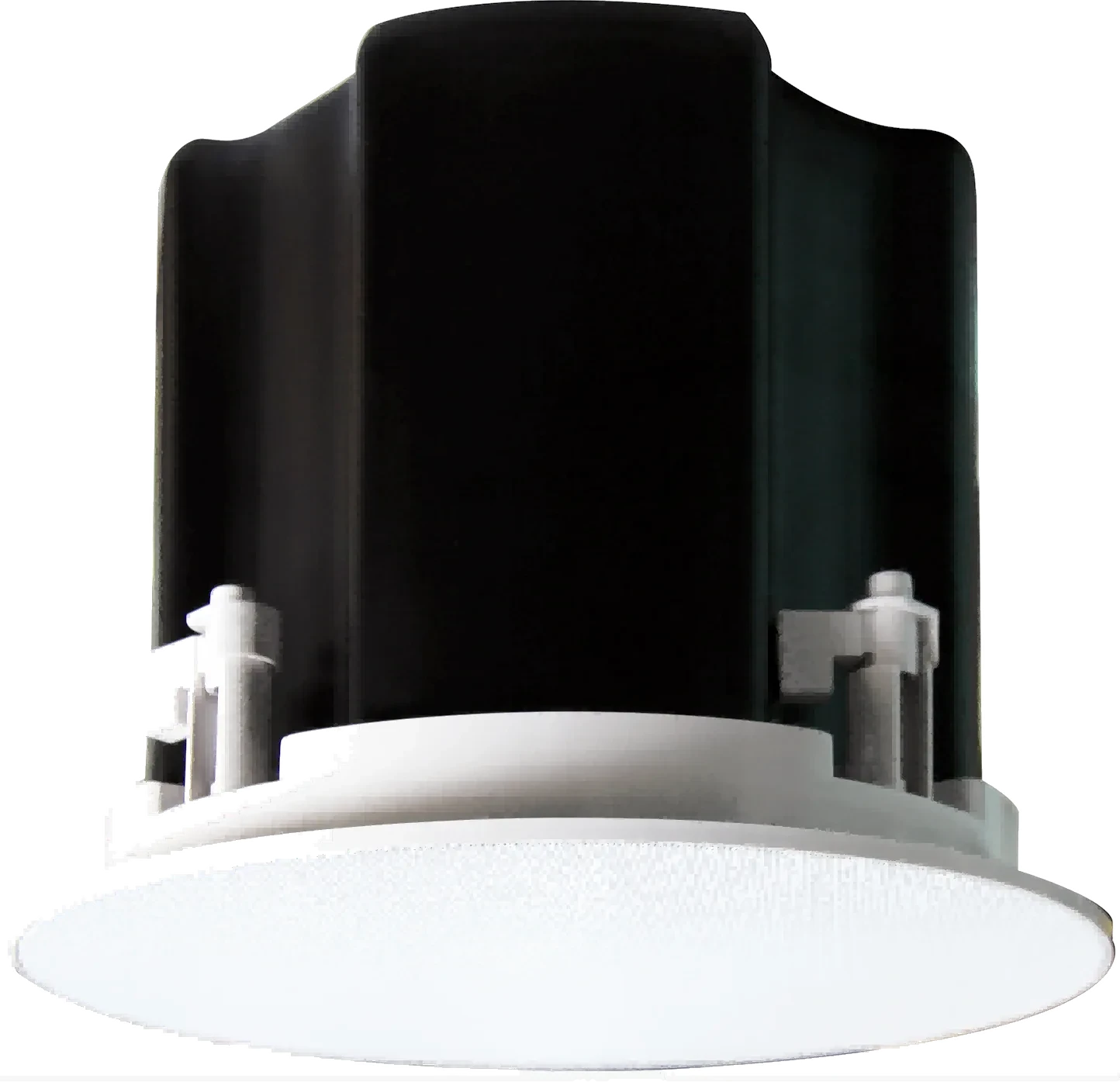

SSOUNDS
SSOUNDS CL6HD
6.5″ two-way ceiling speaker with its own amplifier and DSP, Dante audio and PoE power on one network cable.
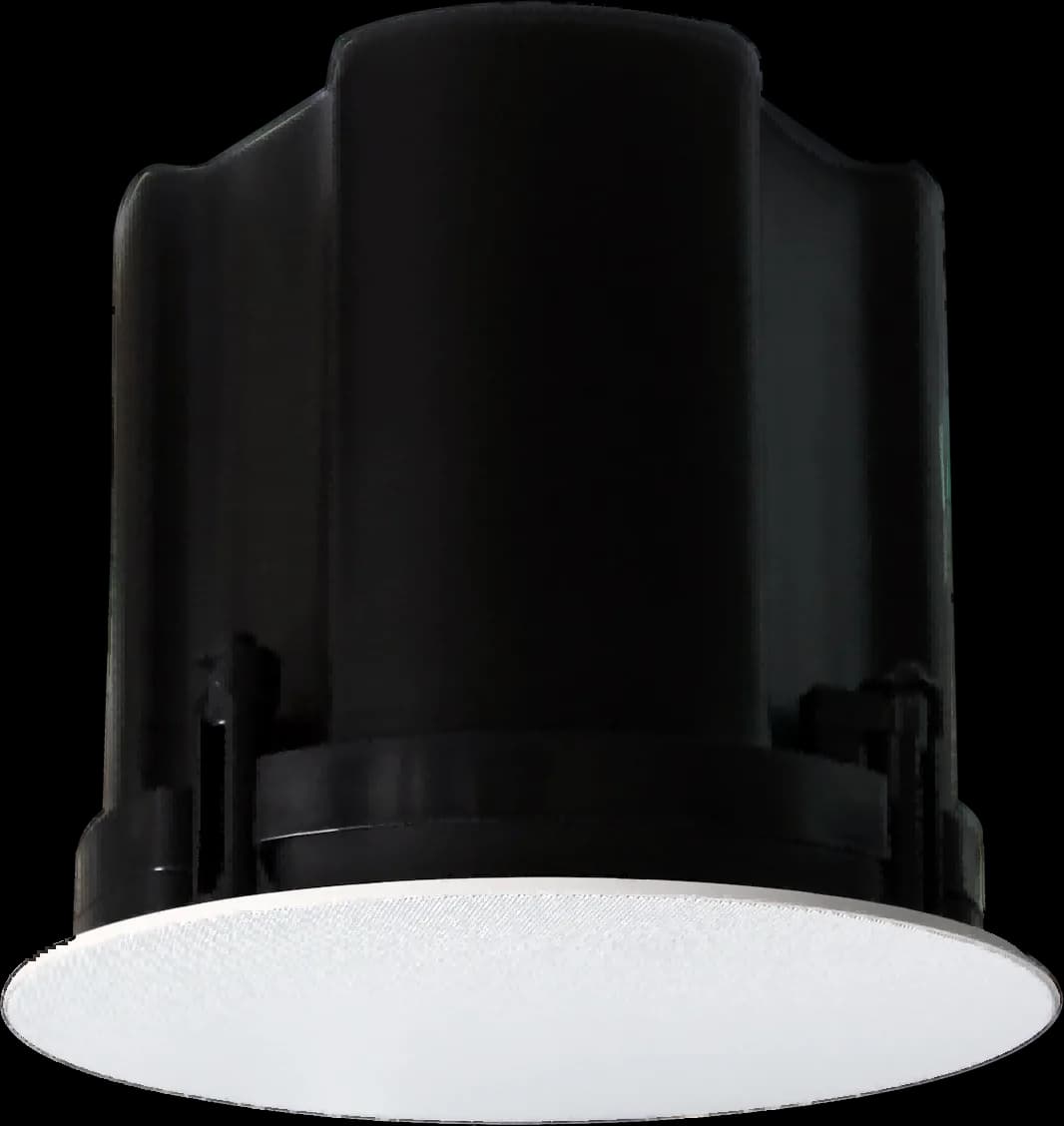
SSOUNDS
SSOUNDS CL8HD
8″ two-way ceiling speaker with its own amplifier and DSP, Dante audio and PoE power on one network cable.
Amplification, zoning and processing
A zone matrix per platform and concourse, paging priority, alignment delay, and per-zone limiting.

SSOUNDS
SSOUNDS A14X
4-channel touring amplifier for line arrays, 4 × 2,000 W @ 4 Ω, analog input.

SSOUNDS
SSOUNDS D14X
4-channel DSP amplifier with FIR, line-array power plus full system processing and presets.

SSOUNDS
SSOUNDS DSP 4×8
4-in / 8-out loudspeaker processor, 96 kHz, 1/36-octave filters and full system alignment.
LED video
Passenger information, platform displays and concourse advertising, indoors and in weather-exposed positions.
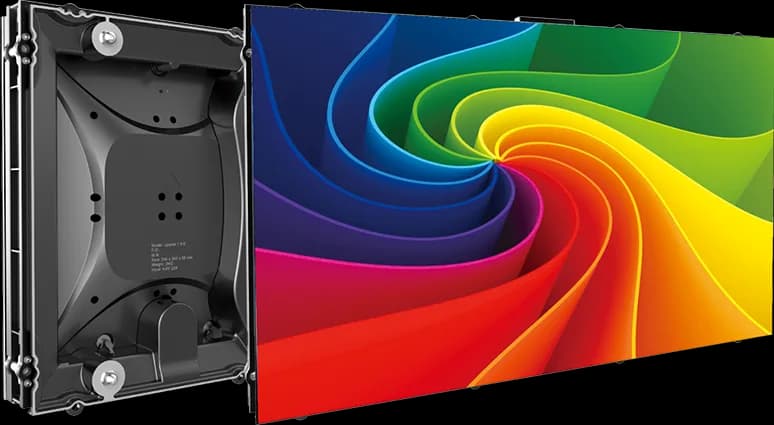
Unilumin
Unilumin UpanelS
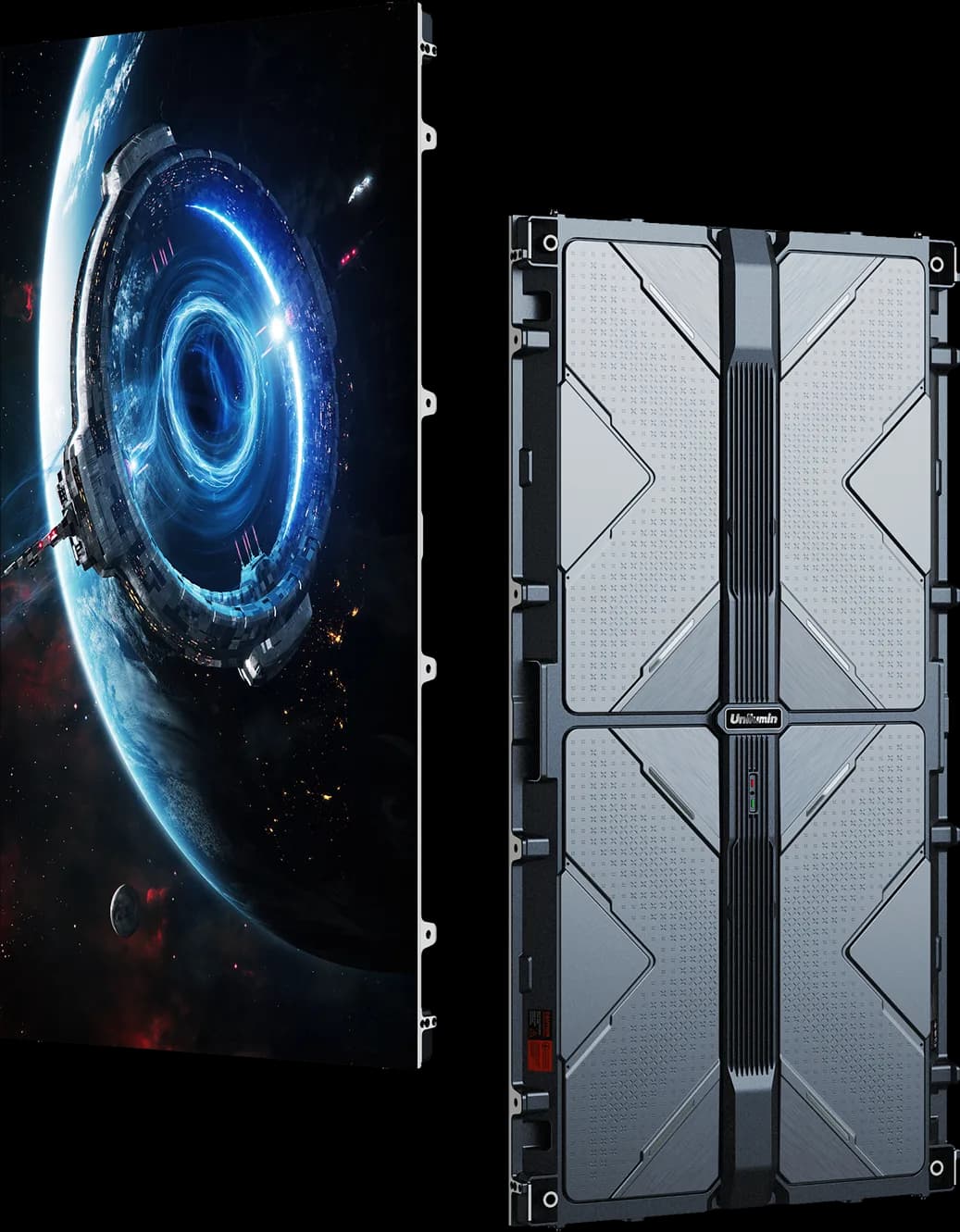
Fully front-serviceable 16:9 fine-pitch wall, native 2K/4K/8K builds from P0.9 to P2.5.
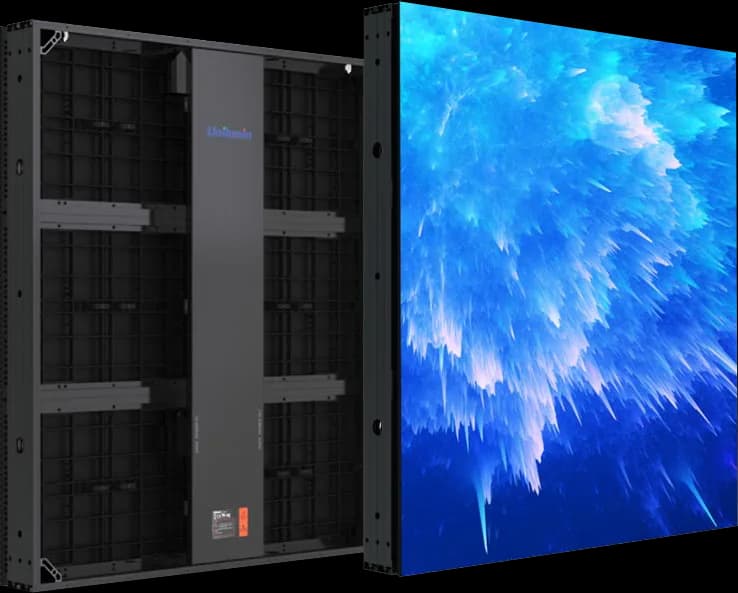
Unilumin
Unilumin Usurface III
High-brightness outdoor SMD, up to 10,000 nits, IP65 both sides, billboard and stadium grade.
Unilumin
Unilumin Uslim III
Ultra-slim fixed-install LED. P0.9–P3.9 retail and storefront walls, 180° viewing.
Open platforms and weather-exposed positions
Platforms without a canopy and station forecourts, where the column has to survive the weather and keep its pattern off the buildings opposite.
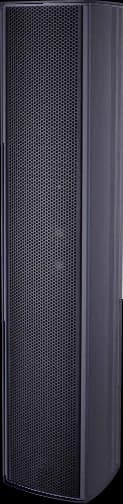
Why these products. The M3.12P is described in the catalogue as engineered for long-throw speech intelligibility in halls and reverberant architectural spaces, with a tight vertical line of full-range drivers keeping energy off hard ceilings and walls and no crossover to lobe through the vocal band. The M-4, M-6 and M-8 carry the install and fill tags and are described for discreet fill and delay duty, which is the platform role. The P15-X is our long-throw point source on a 70 by 40 degree constant-directivity waveguide, specified here for the long open positions. The CL6 and CL8 are distributed install speakers with selectable 70/100 V or 8 Ohm operation. Our published engineering note on speech intelligibility sets out the VoxClear voicing discipline and names transport terminals among the spaces it exists for. The LC16.3 columns name railway station concourses and halls, and the LC9.4W is an IP66 die-cast aluminium column with a 10 degree vertical pattern that names railway platforms. The LC8.3D is a Dante column that names station halls. The CL6HD and CL8HD are Dante ceiling speakers that name stations.
Guides for this application
Get this specced for your room
Send us the drawings, the seat count and what the room has to do. Our engineers model the coverage and come back with a product list, a rigging plan and a budget.