Applications
Sound Systems for Ships, Cruise Vessels and Marine Venues
A ship is a venue that moves, corrodes and has a weight budget, and every loudspeaker on it has to be signed off by someone who is not an audio engineer.
What this application asks of a system
A ship's public spaces are small, hard and bounded by structural steel, glass and stone. Ceilings are low, surfaces are parallel, and the result is not a long reverberation time but a ringing one: flutter between bulkheads, and a room that colours every voice put into it. The useful consequence is that throws are short, so the design can be built from many small, well-controlled sources rather than from a few loud ones.
The problem that has no equivalent ashore is structure-borne transmission. A subwoofer bolted to a deck plate is not heard in the lounge alone, it is heard in the cabins two decks below and forward, because the structure is a continuous path and it carries low frequency better than air does. Low-frequency containment, isolated mounting and a level that respects the accommodation above and below are design inputs, not commissioning adjustments.
The environment then works against the hardware continuously. Salt-laden air and condensation attack grilles, fasteners and hardware, propulsion and sea state put constant low-frequency vibration through every mounting point, and the structure the system is fixed to flexes. On top of that, every kilogram is a naval architecture decision, every mounting point needs structural agreement, and how the vessel provides its public address and general alarm function is governed by its classification society and flag state rather than by the audio designer.
Finally, the commercial shape of the job is unlike an install ashore. A refit happens inside a dry-dock window measured in days, the people who maintain the system afterwards are the ship's own electro-technical officers, and a part that is not aboard is weeks and an ocean away. That pushes the design towards a small number of cabinet types, one connector standard, shared spares, and a processing configuration that can be restored from a saved file by the crew.
What we look at first
- Which spaces are environmentally sheltered and which are exposed, because that decides what can be specified and what has to be enclosed
- Structure-borne transmission into cabins, and the isolated mounting and low-frequency containment that prevents it
- Weight and mounting loads per position, agreed with the naval architect rather than assumed
- How the vessel provides its public address and general alarm function, and who certifies it
- Vibration and fastener security on a structure that is never still
- Spares commonality and a deliberately small cabinet count, because stock has to live aboard
- A saved, restorable processing configuration, so a replacement cabinet is back in tune the same day without a visit
Why SSOUNDS for this
We manufacture the loudspeakers, the amplifiers and the processing, so a marine schedule is drawn from one range on one connector and preset standard rather than assembled from three suppliers. On a vessel where the spares live aboard and the nearest depot is a port call away, that is the difference between one shelf of parts and three.
Presets and system files are ours, which means a replacement cabinet is restored from a saved configuration by the ship's electro-technical officers rather than waiting for an engineer to fly to the next port.
Recommended SSOUNDS products
Grouped by the job each product does in this kind of system. Specifications live on the product pages and in the data sheets, so nothing is restated here.
Show lounges and theatres
The ship's entertainment rooms: low ceilings, short throws, and a system that has to disappear into a fit-out somebody else designed.
SSOUNDS
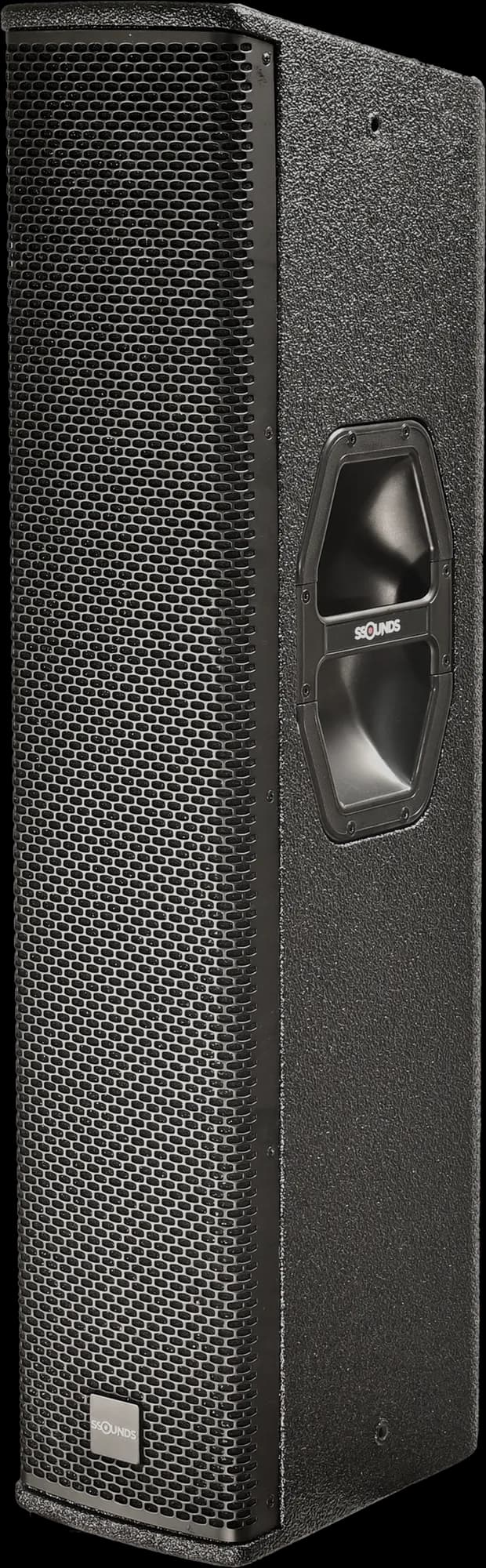
SSOUNDS XTO 4.6
Column element of the XTO System, passive line array, 4 × 6.5″ drivers, 65 Hz – 20 kHz and 134 dB peak in a sightline-friendly column.
SSOUNDS
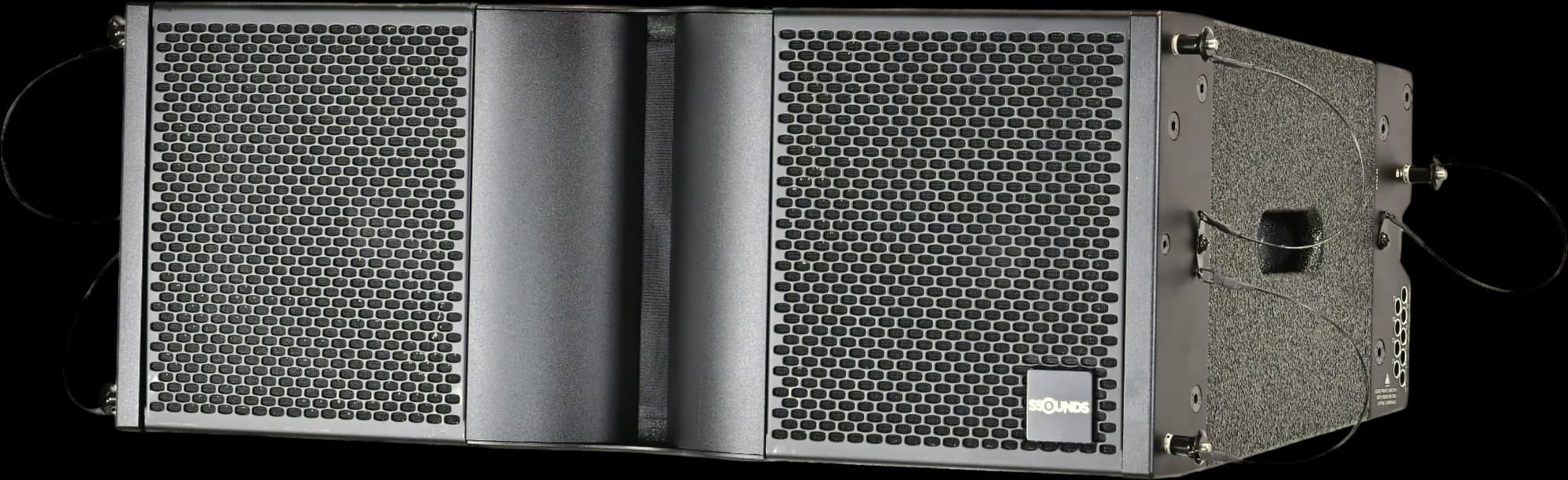
SSOUNDS LS208
Compact dual-8″ line-array element, 141 dB peak, 55 Hz reach and 100° coverage from a 26 kg box.
SSOUNDS
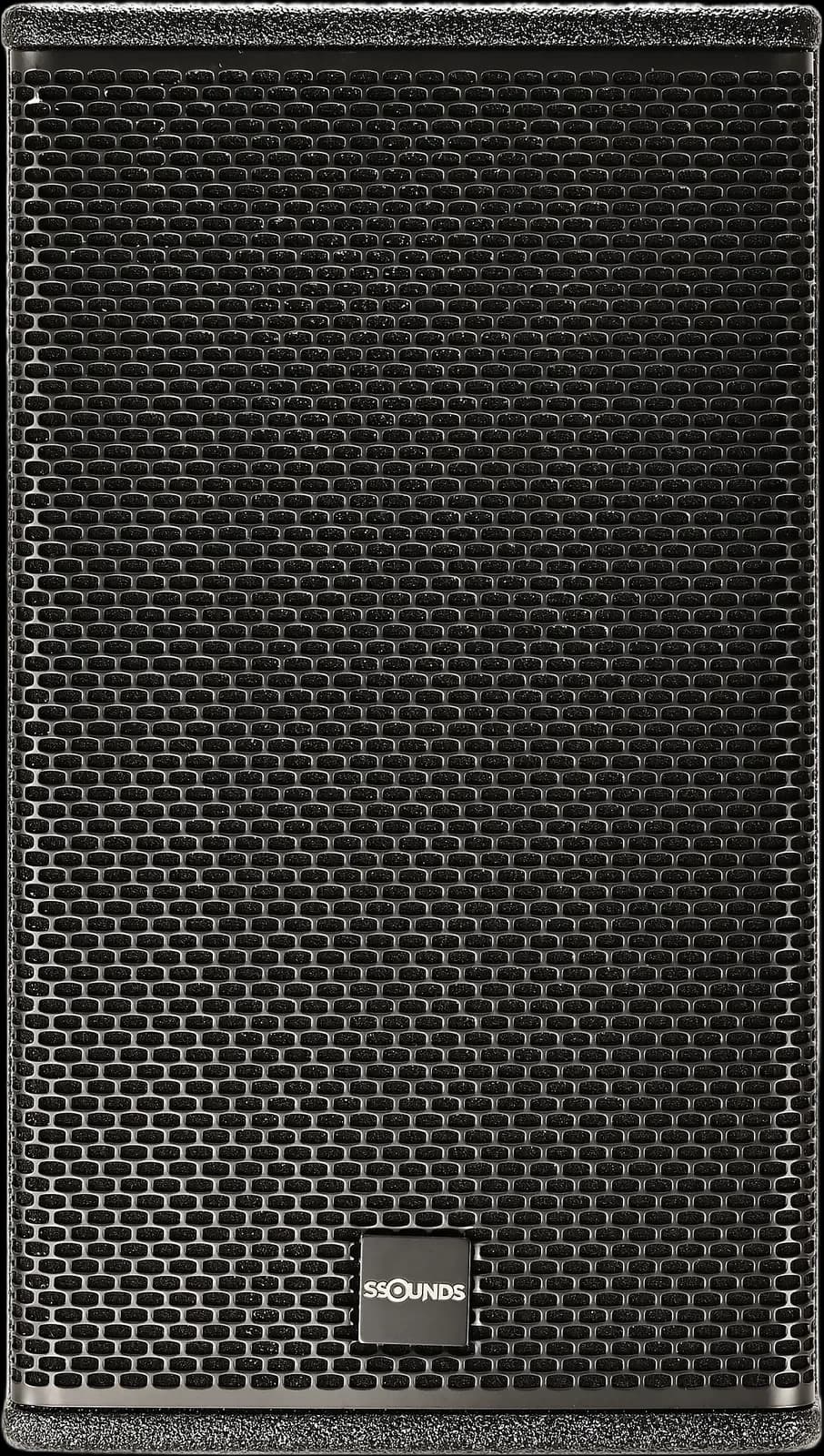
SSOUNDS M-12
12″ full-range point source, mains or floor wedge, the all-rounder of the M-series.
SSOUNDS
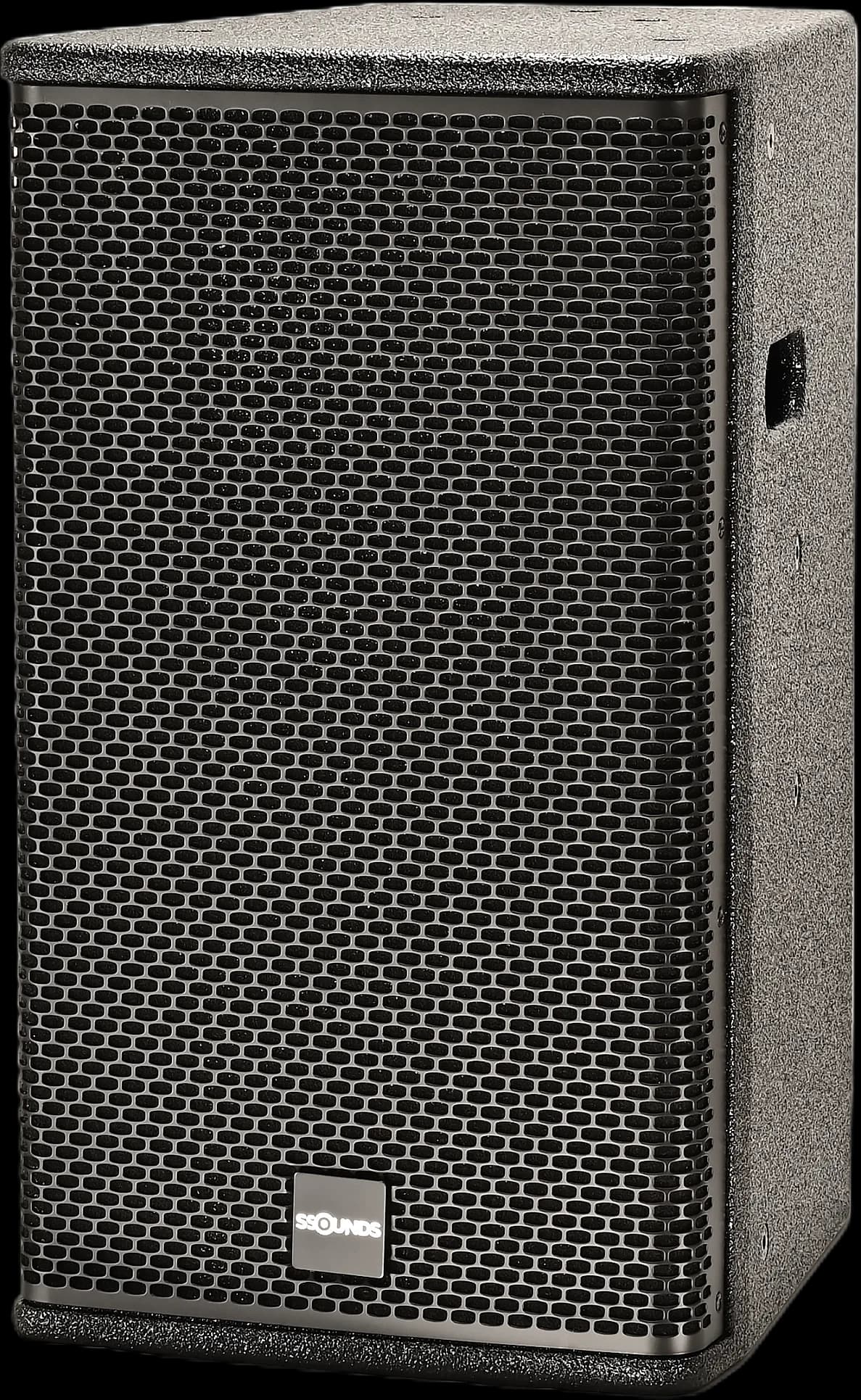
SSOUNDS M-10
10″ full-range, compact mains or monitor with strong vocal projection.
Atria, bars and restaurants
Compact foreground coverage at low level, in spaces bounded by glass, steel and stone.
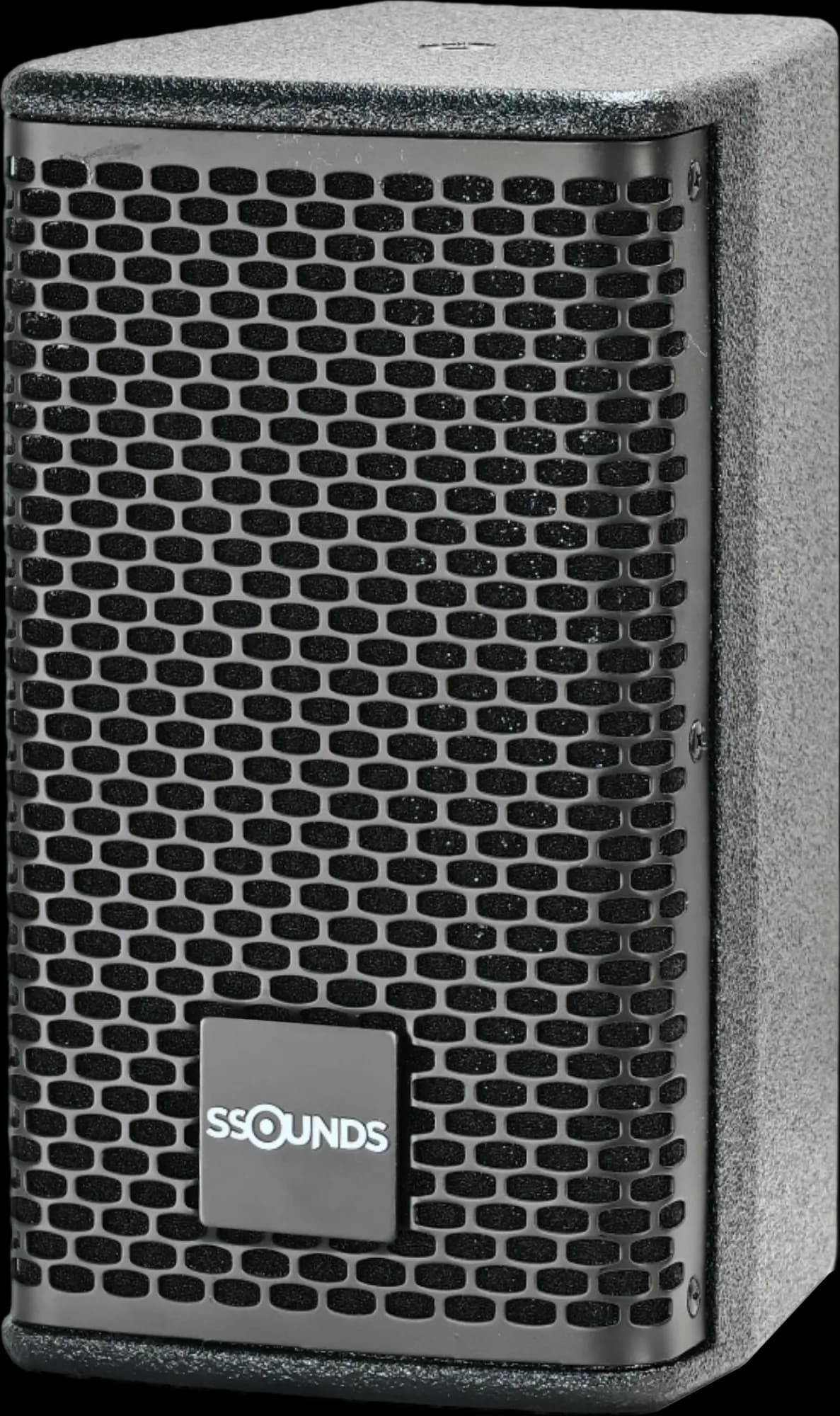
SSOUNDS
SSOUNDS M-4
Ultra-compact 4″ full-range, discreet fill and foreground audio with M-rigging.
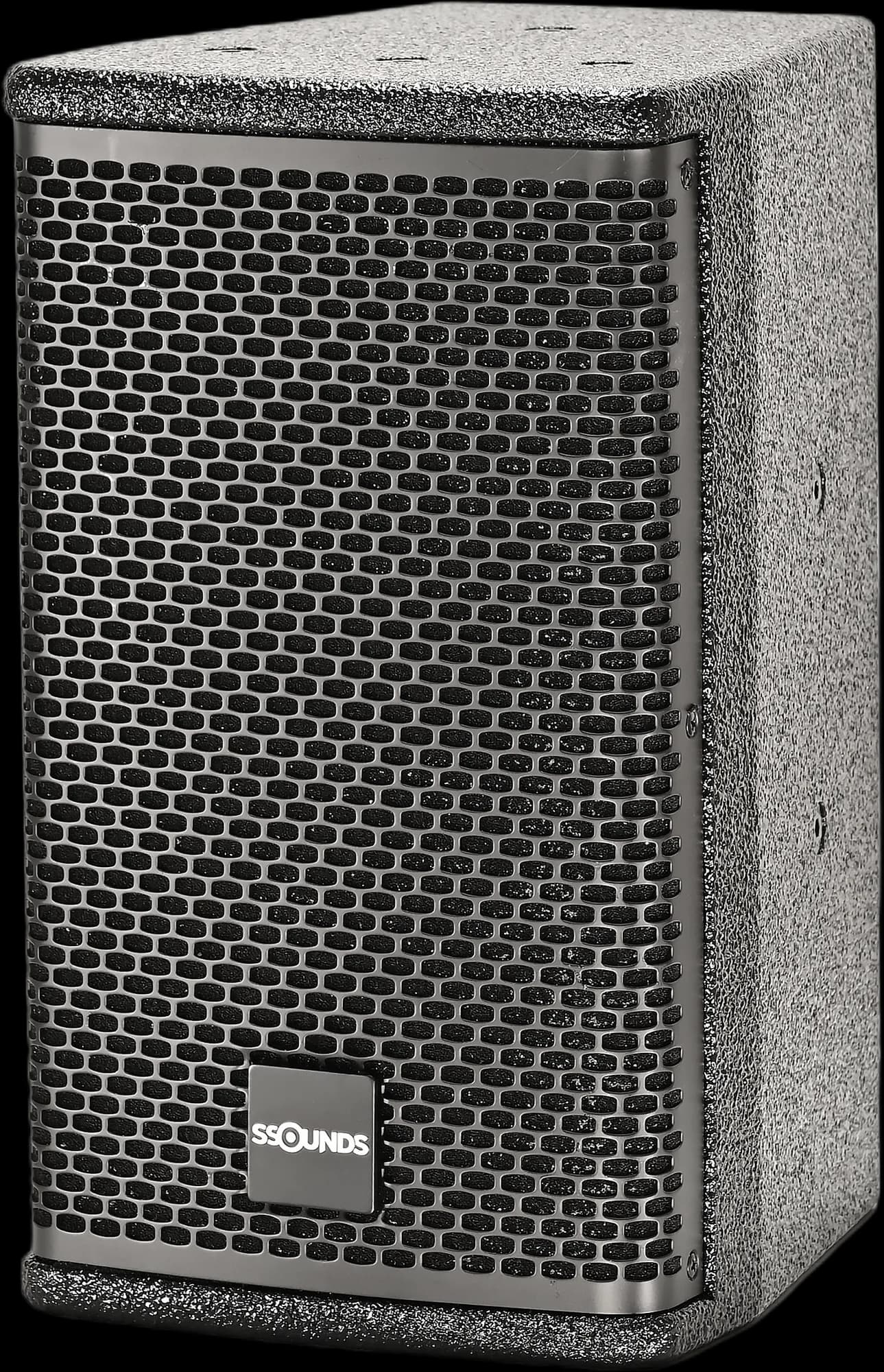
SSOUNDS
SSOUNDS M-6
Compact 6.5″ full-range, versatile install and portable speaker with M8 rigging.
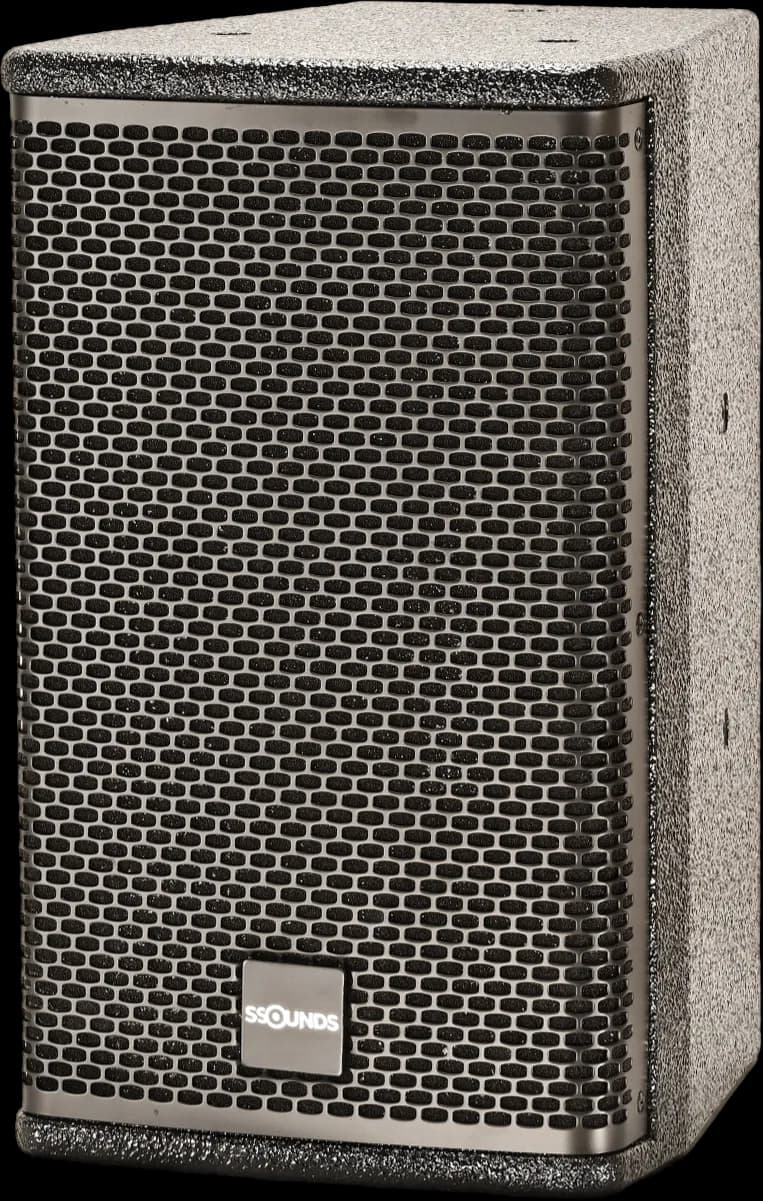
SSOUNDS
SSOUNDS M-8
8″ full-range, high-output multipurpose box for portable PA, fill and install.
Distributed audio and announcements
Corridors, reception, public rooms and crew spaces on 70/100 V lines, where one pair of conductors has to feed a long run of outlets.


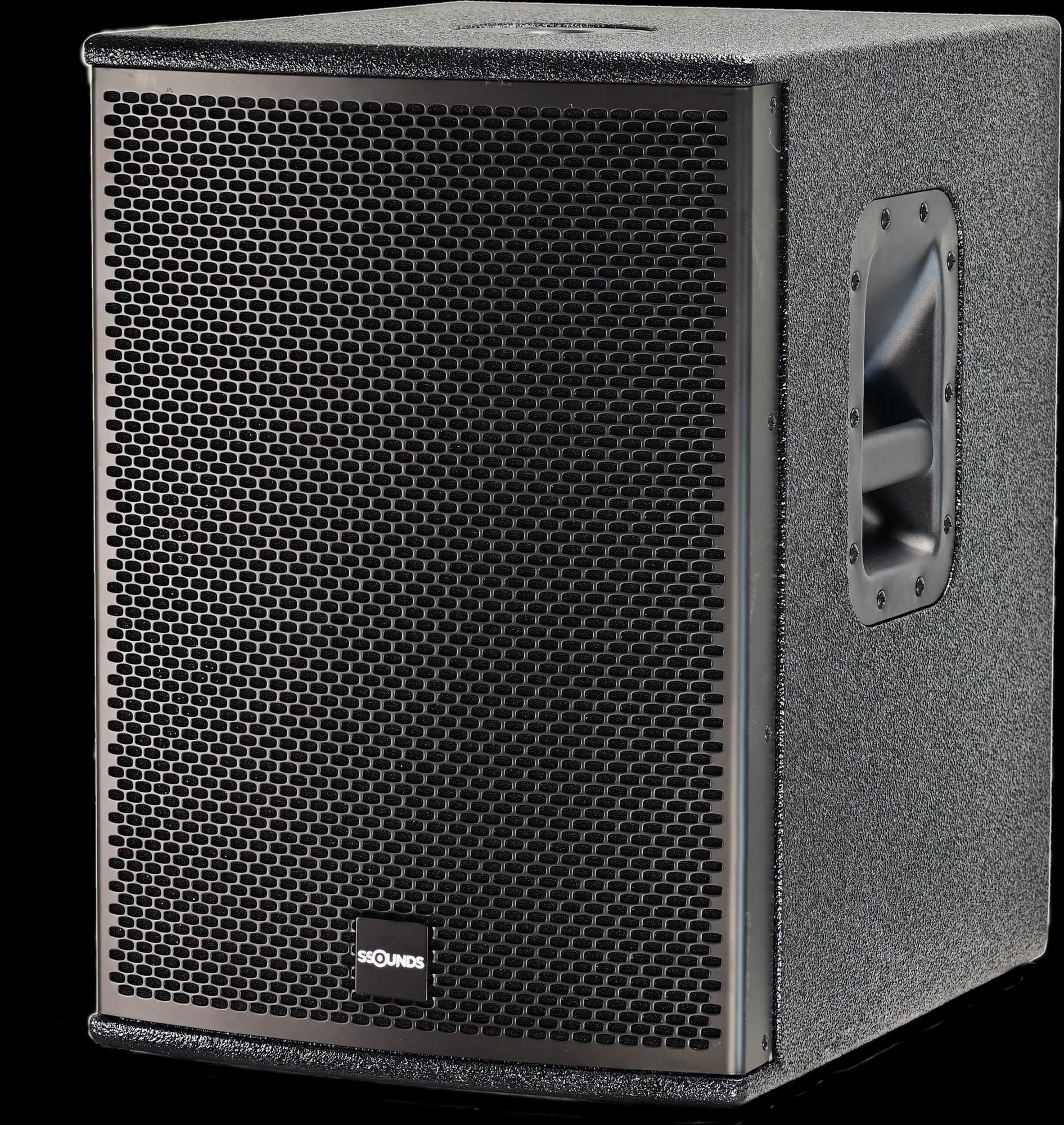
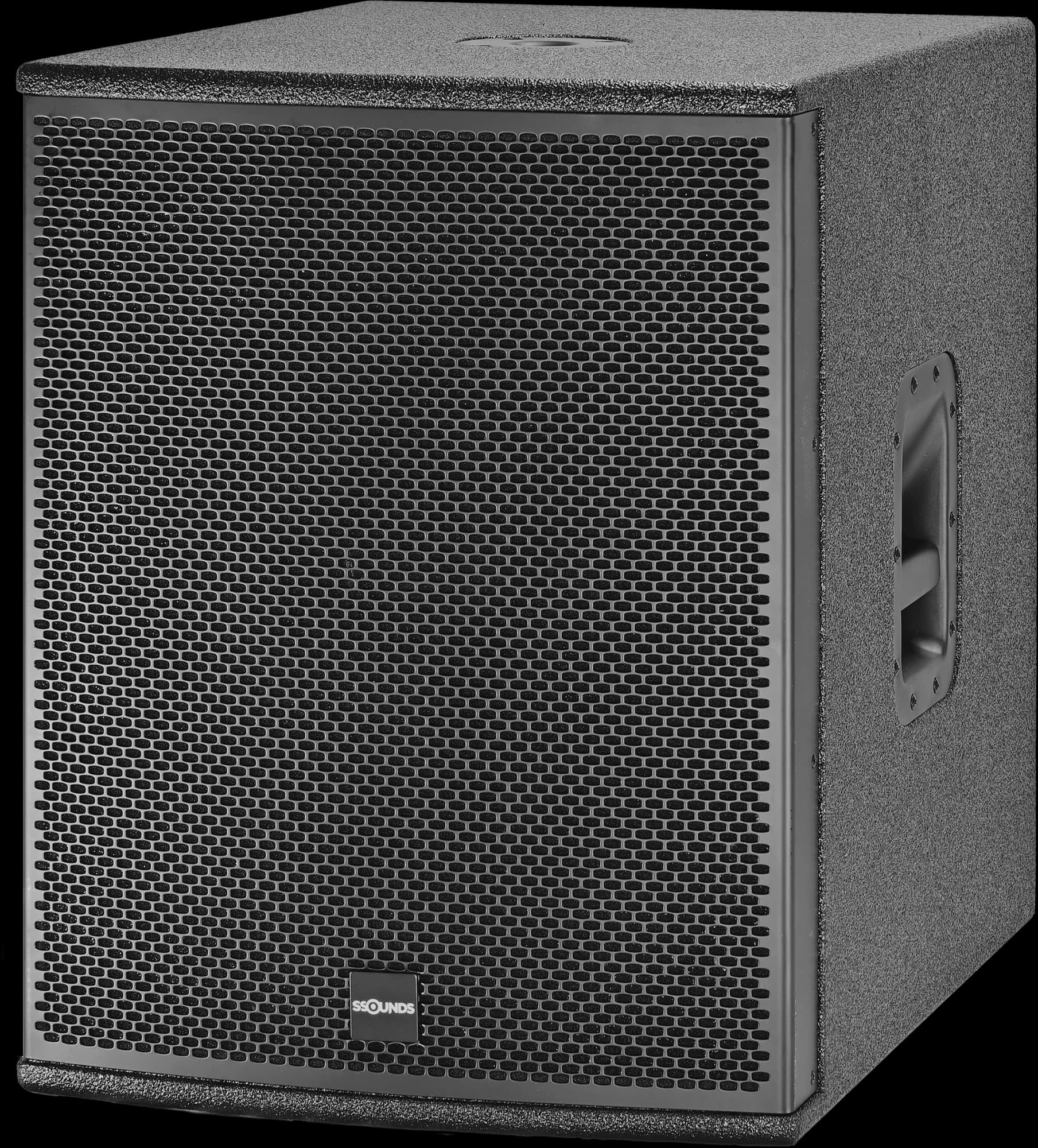
Low frequency, contained
Compact subwoofers sized and placed so the energy stays in the room rather than travelling through the structure into the cabins.
Amplification and processing
Zone processing, alignment, limiting, and a saved configuration the ship's own engineers can restore in a dry-dock window.


SSOUNDS
SSOUNDS D14X
4-channel DSP amplifier with FIR, line-array power plus full system processing and presets.

SSOUNDS
SSOUNDS A14X
4-channel touring amplifier for line arrays, 4 × 2,000 W @ 4 Ω, analog input.

SSOUNDS
SSOUNDS DSP 4×8
4-in / 8-out loudspeaker processor, 96 kHz, 1/36-octave filters and full system alignment.
Why these products. The CL6 is described in the catalogue as the volume workhorse of commercial install and the CL8 names retail, hospitality and architectural install, both with selectable 70/100 V or 8 Ohm operation, which is the distribution scheme a vessel's public spaces run on. The XTO 4.6 is described as the module to specify when the system has to be heard and not seen, in a column 200 mm wide, and the LS208 as a compact dual 8 inch element whose coverage holds up from short hangs. The M-4, M-6 and M-8 carry the install tag for discreet fill and foreground duty, and the M-12SUB is described as an ultra-compact subwoofer for discreet low-frequency support.
Guides for this application
Get this specced for your room
Send us the drawings, the seat count and what the room has to do. Our engineers model the coverage and come back with a product list, a rigging plan and a budget.